It is with mixed feelings that we write this post. On one hand, we know some FCD players and staff are undergoing a challenging (physically and mentally) phase in their careers. Our thoughts and prayers are with you (Jogo’s ex-teammates -friends-, coaches, etc.) hoping for a quick and full recovery. God is good and will see you navigate through this one.
Isaiah 41:10 So do not fear, for I am with you;
    do not be dismayed, for I am your God.
I will strengthen you and help you;
    I will uphold you with my righteous right hand.
While disappointed we won’t be able to watch FCD games soon, we are happy that players and staff have started to shift full focus to off-the-field matters. Likewise, we feel it’s time to give things a bit of a positive spin from our perspective as well.
Last year, the same FCD first team, currently in an eight-day quarantine, provided Jogo with the invaluable opportunity to make his first team debut. We will forever be grateful to the FCD organization, coaching staff (Mikey Varas) and the players (Thomas Roberts, Bryan Reynolds, etc.) who supported his debut (know that we are praying for your full and quick recovery). This is how it all went down…
As Jogo’s productive U17’s (2018-2019) DA season was coming to an end at the expense of local foes and eventual national champions: Solar, North Texas SC (NTSC) opportunities started opening up. Seizing those up gradually led Jogo to the game against Lansing where he had two assists (see below). At the conclusion of that match, his football landscape started changing…
First, he was named to the USL-1 team of the week for the first time and more perks would come his way right after that performance…
Team of the week after the Lansing game where Jogo had two assists and completed 90% of his passes
Second, the more frequent training with NTSC continued. Jogo’s confidence soared and was at an all-time high. In fact, he felt that in the next game (following his two assist game) against Greenville, he would be part of the starting XI once again. However, on Thursday of that week, during training, Coach Eric put the starting XI to scrimmage against the subs which was customary. To his surprise, Jogo was requested to play with the subs, but he put his head down and on he scrimmaged.
At the end of the practice, Coach Eric pulled Jogo aside and informed him that he would be rostered with the first team on Sunday, July 7th in an international friendly against Liga MX Xolos. Jogo was ecstatic. The game against Xolos would not just mark the return of former FCD Coach Oscar Pareja to Toyota Stadium but also signified Jogo’s renewed opportunity to practice with the FCD first team the following day. These friendlies are not very frequent for FCD. See here.
Friday: practice with the first team:
The chance to practice with the first team will come sooner or later for a lot of young players. It did several times for both Johan and Jogo at FCD. Whenever this takes place in your player’s journey: just have fun and enjoy the moment. Don’t overthink it. The player needs to be himself/herself and not try to do more than just KISS it. Such was the case with Jogo this time and he had an excellent practice that day…
Saturday: the day before the international friendly:
I remember walking over to Toyota Stadium (from the apartment) with Jogo Saturday evening to try to watch the Xolos “open” practice. The main objective was to say hello to Oscar Pareja and watch a few of the players Jogo could be facing the next day. Honestly, we didn’t know whether Jogo would even play or not but we were just embracing the moment. “It’s better to be prepared for an opportunity and not have one than to have an opportunity and not be prepared” – Whitney M. Young
When we arrived at the stadium’s south gate, Jogo identified himself as an FCD academy/NTSC player who would be part of Xolos friendly the next day. Both of the security guards were incredulous (given his age probably) as they refused to let us through the gates since we didn’t have any sort of IDs. I believe they were also charging $5 to watch the Xolos practice but neither of us had our wallets as the idea was to watch practice for only a few minutes and return home to rest. When I volunteered to go get my wallet from the apartment, Jogo said: “Dad, it’s okay. one day, these guys will know who I am without the need of an ID“…so we forewent watching practice…
Game day:
The day went by quickly…Jogo needed to be at the stadium by 3 PM for a 6:30 PM kickoff. Since he couldn’t drive by himself yet and it was a toasty day, mom drove Jogo. Honestly, mom had no idea where to drop Jogo off and she ended up dropping him off by the South Gate. A few fans were already waiting the arrivals of players for pictures and autographs. As expected, hardly anybody (except a young, adventurous kid) asked Jogo for an autograph; I know that was very memorable to Jogo..probably more so than the Xolos game itself. Anyway, as a family, were so out of it and just playing it by ear. A few minutes later, Jogo found out in the locker room that family members could get in for free and requested tickets for us.
With the kind heart he has, he managed to quickly find out how to get us tickets (btw, the T-mobile service in the new locker room was horrendous so he couldn’t get a hold of us). However, at last, he managed to send me a text asking me to pick up 4 tickets at will-call…and on we proceeded to the game. Johan couldn’t watch this game as he was in the middle of DA playoffs.
To Jogo’s surprise, he was in the starting XI which was the cherry on top. However, that immediately could translate into nervousness. To be honest, Jogo didn’t look nervous to us; although he later admitted to be just a tad… Thus, after knocking a few balls around during warm ups, he flushed those feelings out of his system and on he went….
The Pablo Aranguiz situation:
Pablo had been very vocal about the current coach’s system where a traditional static #10 doesn’t fit his scheme. Pablo had made his disagreement evident throughout the season and as a result, his playing time had suffered. In this game, Pablo was given an opportunity to play with mostly youngsters but he was evidently not pleased about that either. He was playing as a winger (out of his normal position).
The hot afternoon did not help calm his frustration/anxiety and he had a few border line risky plays where he either tried to do too much (w/out releasing the ball) or was a bit reckless on defense. This inevitably put Jogo (who was defending/attacking on the same side) on a bit of an uncertain situation. Pablo’s frustration (along with Kobra’s) was clear and only lasted until the 40th minute. In an super reckless challenge to a Xolos player, Pablo was deservedly shown a straight red card (yes in a friendly) which forced undesired subs playing a man down. The spirit of the friendly was a bit tainted by that play. Ultimately, Kobra who was supposed to have come in for Pablo never saw any action that day.
The game turned out to be very uneventful overall (0-0) but in the end Jogo got to play against players like Erik “El Cubo” Torres, Fernando Arce, Miller Bolaños, Ariel Nahuelpan, etc. He came off the game at the 79th minute.It had been a good game for him. Next up was the friendly against La Liga powerhouse: Sevilla.
The Sevilla friendly was another level of a game which will deserve its own future post. To conclude this post, we will reiterate our well-being wishes to the entire FCD team hoping that their next activity (on/off the field) comes soon enough and that journey is as successful as playing football. As for Jogo, he is gradually pursuing the next thing in his life. We also want to wish him good luck this weekend on the next challenge he’s embarked on…. seize the day son!!! #theGomezway
It’s that time of the year where families have to make decisions where they want their players to play for the 20-21 season. Unfortunately, with the recent announcement of the US soccer federation controlled Development Academy (DA) league suspending operations, there is uncertainty about where talented young players will play next season (and beyond). Some former DA amateur (non-MLS) clubs have already formed a new league called Girls Academy (GA), other former DA amateur (non-MLS) clubs migrated to the Elite Club National League (ECNL), the rest of the amateur clubs will try out the new MLS Academy league and as expected, all MLS academies will stay in the new league. That said, for the sake of this post, let’s call the next version of the MLS controlled league “DA 2.0” which is boys’/men’s centric.
ECNL Boys league
If your teenager is talented enough to play at the new DA 2.0 level (this is subjective based on who is assessing him/her) but hasn’t joined yet, this post may be for you. Let’s start by stating that as a league, the talent level in the former DA was likely higher than any other national league (at least on the boys’ side). Unfortunately, we cannot (and will not) make that same assumption with DA 2.0 since:
It’s a new league, with a new organization presiding over it.
MLS (the new organization presiding over it) has a ton of experience managing an adult league; however, no experience managing youth development leagues including non-MLS teams. There will be a steep learning curve.
A significant number of important competitive amateur clubs parted ways with DA 2.0 and joined ECNL as soon as DA 2.0 was announced.
DA 2.0 just opened the application process to recruit additional “elite level” clubs. The deadline to apply is July 17th, just over a month before the beginning of the first games.
Most important of all, the pandemic has left very little time for trial and error with DA 2.0. The clock is ticking and very little information has been made public about it.
Last but not least, DA already had its share of improvement areas which automatically become reasons to doubt DA 2.0 robustness in its inaugural season.
Also, it’s worth noting that historically, we have seen some unique individual talent who never set foot in the former DA league (Keaton Parks in Dallas, José Gallegos in San Antonio, etc.). Thus DA 2.0 will continue to not be an “all-best talent” league; however, the great news is that young talented players will continue to find alternate channels to rise to the top and become successful footballers.
In the end, we believe that the most important aspect of youth football development is finding a good/caring coach who fosters individual and team “growth mindset” environments where trust is the foundation of it all and one who creates a “winning” culture. If both of those are present, there’s no reason to seek greener pastures. In our opinion, seeking a more competitive (results based) league/club should be the last resort unless your player is bossing his/her current league. Whatever the reason may be, to each their own…and ’tis the season to look for greener grass.
Thus, as a decision to seek a move to the DA 2.0 (MLS or amateur club) becomes inevitable, there are several factors to take into account. Those typically involve player’s age, the player’s/family’s primary residence, gender, player/family aspirations, ancestry, etc. We will try to break down some of those factors in this post; however, there’s just too much to describe in one post.
Age:
If the player is under 14 years of age, there’s little benefit to jump on the DA 2.0 wagon. From the limited information available, DA 2.0 will have 5 age groups: U13, U14, U15, U17, and U19. The U13, U14, and U19 age groups are optional age groups for all participant clubs.
Thus, it’s possible that these are groups are non-existent in some DA 2.0 clubs (ex. Chicago Fire arbitrarily eliminated the U18/U19 team in the former DA league leaving players stranded looking for another club). Also, it’s entirely feasible that the lack of “mandatory” U13, U14 and U19 teams will force DA 2.0 club participants to inevitably play against local teams anyway to save on traveling costs as DA 2.0 level competition may be too far away. If that is the case, why make a jump to DA 2.0 to play against your former local club (ex. FC Dallas playing Texans 3-4 times a year). If there are local club alternatives at the U13, U14 age groups, we see minimal value to switch leagues/clubs. Instead, stay at your local club and use each opportunity when playing against any MLS clubs to play your best games. The notoriety gained by doing so will yield valuable exposure and MLS teams likely will come down knocking at important age windows. Both Johan and Jogo were recruited by FC Dallas doing exactly this.
If your player is about to be age eligible to any of the older age groups: U15, U17. It’s definitely worth exploring joining the DA 2.0. U15 is the age group when youth national teams are initially formed and international competition officially starts. It’s possible that membership to the DA 2.0 league continues to be the preferred path to youth national teams and thus the “recommendations/connections” by DA 2.0 (specifically MLS clubs) staff could prove invaluable.
On the other side of the spectrum, joining a different club (especially an MLS one) at the U18/U19 level presents ZERO benefits to a player/family. The new club team will usually be comprised of players who have been playing together for several years and the new player will likely feel out of place and spend most of the season playing catch up. Furthermore, if the U19 team is comprised of mostly High School (HS) seniors, they will tend to be more focused on their next life phase/agenda: 1. College football, 2. Professional football path, or 3. Neither. Club football development is typically placed in the back burner by staff as well. Player development stalls in this age group especially in the United States as not all U18/U19 players are ready to play in MLS; and this group of players is normally neglected by MLS sides. Likewise, the gap between U18/U19 players and MLS players is significant and playing opportunities -outside of college- are scarce (ex. U23 teams are not normal). As a result, unless it’s the only choice, switching teams at the U19 level could be VERY detrimental to football development and should be avoided at all costs.
To worsen the situation, at some MLS sides, their satellite campuses along with their solid reputation helps them recruit players throughout the year. Be ready for your player to be challenged when a satellite campus player arrives mid-season of the U19 year. Also, foreign-born players are more likely to arrive at the U19 age group due to FIFA regulations barring U18 and younger player international moves. Caveat: This player movement at the U19 level may be more prevalent at the FC Dallas setup given their reputation and multiple (over 10) satellite campuses
Geographic location:
Once player’s age has been thoroughly factored into the selection of a club, next comes “location”. There are many DA 2.0 clubs geographically scattered throughout the United States. If the player’s residence is near the training facilities of a DA 2.0 club, the odds of the player joining the desired club are magnified. The potential disadvantage of living within a radius from a DA 2.0 MLS club is a concept called MLS territories. Per MLS rules, a player/family who lives within 100 miles from the MLS stadium now “belongs” to that MLS club. Even if the player never plays for such MLS club, the club automatically owns his/her rights. For example, in our local market, if a Solar player, for whatever reason, wants to forego the opportunity to play for the FC Dallas academy and instead wants to play for the Columbus Crew academy, FC Dallas has to “approve” the move (there could a financial cost associated with this approval between MLS clubs depending on age) or the player’s family has to physically move to Columbus, OH for non-football related reasons.
Unfortunately (but maybe a good thing), not everyone lives in close proximity to a DA 2.0 club (see map below). However, in such cases, driving costs start to add up and bigger sacrifices need to be made by the player/family. On the other hand, a huge advantage of NOT living close to a DA 2.0 MLS club is that the player is not constrained by any MLS club rules and can join ANY (MLS or amateur) DA 2.0 club at will.
Geographic distribution of the new MLS League (aka DA 2.0)
Player’s/Family’s aspirations:
Know who you (player/family) are and have a vision based on your core values. Even while pursuing the player’s dream to a pro football career, some (probably most) parents prefer not to separate from their player at a young age. Letting him/her go live with a foster family may not be a viable option either. In some cases, a family move, albeit radical, could be a better alternative. Each family situation is unique and complex; there’s never any guarantees of success. Be realistic about your player’s talents and aspirations. There will always be a level of uncertainty with any life decision but being informed helps mitigate some of it.
Currently, what is certain is that any league in its inaugural season goes through some growing pains. Such will be the case for DA 2.0. If that adds uncertainty to your player’s/family’s situation, it may be best to sit on the sideline and let it mature for a year or two if you can afford it. Believe us, you won’t regret it and it’s possible, your player may continue to love the game in its purest form without the added stress about the uncertainty.
If you do decide to proceed with a move to an MLS club specifically, below you will find some advantages and disadvantages of joining an MLS club vs a non-MLS (amateur) club.
Advantages of joining an MLS academy:
Cost:
Most MLS clubs are low to no-cost for their “academy” teams; therefore MLS clubs pose a significant financial advantage over most amateur pay-to-play clubs which normally do not have a revenue stream through a professional team. However, there are some amateur clubs whose academy is low to no-cost such as Cross-Fire and Rise but they are part of the minority. Conversely, in the former DA, there were MLS academies that were pay-to-play (DC United and Minnesota United FC).
In the Dallas Forth Worth (DFW) area, the MLS side has both: FC Dallas youth teams (Juniors, Select, Premier) which are pay-to-play and low cost FC Dallas academy teams as part of their development model (see figure below). The many (over 200) FC Dallas pay-to-play teams serve a unique purpose: to subsidize the FC Dallas academy teams. This may or may not be the model at other MLS sides.
Some local parents are drawn to the FC Dallas name for their U13 and U14 players and unfortunately find themselves paying thousands of dollars a year for no additional developmental benefit (beyond first team discounted tickets and a permanent training ground). In the figure above, the bottom three categories are pay-to-play ($3k – $3.5k+ per year) teams normally higher than their local amateur club fees. The FC Dallas Academy category has minimal costs but it’s worth noting that it’s not easy to either: 1. Make the FC Dallas Academy teams or 2. Be promoted from any of the bottom three categories to the FC Dallas Academy teams. Honestly, if your player has spent more than two consecutive seasons in any of the bottom three categories, there’s almost zero chance he/she will ever be moved up permanently to the FC Dallas Academy team.
To be fair, the FC Dallas Academy category (or similar for other MLS clubs) is almost fully funded nowadays; however, it is very prohibitive in terms of flexibility to play other sports (school or not), and requires a significant amount of traveling with NO real added benefit at the early ages. In fact, the increased travel, burned out a lot of young footballers who eventually selected other mainstream sports by high school age. Thus, it is fair to say that the densest concentration of talent is not always playing for MLS clubs (for many potential reasons).
Talent:
There’s a possible misconception that the MLS clubs monopolize most of the local talent. While that may be very true in some geographic areas, it is not so much in areas like North Texas, North/South California, etc. DFW is so big and rich in football talent that one MLS team is unable to accommodate the abundance of talent in the area. Therefore, there are a multitude of very competitive DA, ECNL, classic/lake highlands league football clubs that have historically established themselves as great alternatives for development environments that are excellent (if not better) than FC Dallas. If one considers all age groups in any football academy, we agree that the MLS club should have a higher concentration of talent but a family should focus on the specific age group their player wants to join. Below, we analyze and compare a couple of age groups from local teams vs. FC Dallas:
Looking at recent statistics, in the just truncated 2019-2020 DA season, both the Solar U16/U17 boys and girls teamsachieved superior results than the FC Dallas U16/U17 counterpart teams. One could argue that specific sample is an outlier, or that it supports our theory of a fairly talent distribution among clubs in our area, or whatever other pretext. We tend to discredit the outlier theory because in the previous season (2018-2019), both boys and girls Solar teams were crowned national champions in the same age group eliminating the corresponding FC Dallas U16/U17 teams in the process. This is not unique to North Texas only; California and Colorado are other markets where amateur academies are stronger than their MLS counterparts.
Training frequency:
MLS academy clubs train more frequently than amateur clubs. While FC Dallas has the resources to dedicate to daily training; other amateur clubs do not. Repetitions are essential for the more advanced players; however, the risk of burnout is always present. Normally on the boys side, MLS clubs will communicate with the player/family by the age of 15/16 as to whether they have any professional plans for the player or not. If they do have plans, the player should stick around and benefit from the more frequent practices and other perks (practice with the USL/first team, etc.) the MLS side has to offer. Otherwise, the player needs to evaluate if the “juice is worth the squeeze”. Will sticking around the MLS side with more frequent practices help him/her with other future options like college, playing abroad, etc. Would he/she rather forego sacrifices associated with playing for an MLS team and instead join an amateur club that allows him/her more flexibility to do other extra curricular activities (ex. play other sports in HS, discover other talents, etc.) and still be in a competitive team?.
Opportunities:
Development opportunities (ex. Generation Adidas -GA- Cup, Youth National Team -YNT- recommendations) at an MLS club are going to be typically better during the 17 and younger years than for amateur clubs. At the U19 level, players tend to mostly just go through the motions as they have either already secured college placement, reached some level of professionalism with the club, or are in the process of planning trials abroad as a path to professionalism. Indifference at the U19 age group is rampant especially from MLS sides. Locally, the inception of the NTX SC affiliate, has seen a focus shift from the U19 age group to the USL-1 side. There will only be a handful of U19 players who will benefit from opportunities such as higher level training but unfortunately, the majority of players not selected for additional development opportunities are left behind with little motivation to be in the program. The FC Dallas U18/U19 saw an exodus of key academy players this past season…
Thus, it’s at 17 years of age and younger where MLS clubs normally offer more exposure to national and international tournaments; those however, will come at a high cost whether the player plays for an MLS club or not. International tournaments are normally funded by parents exclusively in both setups. However, amateur clubs very seldom offer these opportunities as families are already shelling out a lot of money to pay for the academy team. Furthermore, MLS sides also offer exposure to YNT opportunities. However, with the federation announcing that most YNT age groups are frozen for the remaining of 2020, that may factor into a “rushed” decision to join (or not) an MLS team for the 20-21 season.
Disadvantages of an MLS academy:
Gender:
Historically, MLS academies have been gender biased towards boys/men. Some (ex. LA Galaxy) have gone as far as recently cancelling their girls/women academy program. Thus, if your talented player is a female and cost is not much of an issue, MLS sides may not be the best choice for a move. First, unlike the boys’/men’s side, MLS clubs do not offer a clearer pathway to professional fooball for girls/women. Also, most MLS clubs have very little experience overseeing girls’/women’s programs and see limited financial gain from supporting that program; that’s why most MLS sides de-prioritize their girls’/women’s program.
Also, your local market may offer better club alternatives than the MLS club. In the DFW market, Solar (and sometimes Texans, D’feeters, etc.) offers hands-down a more established growth environment and more competitive teams for girls/women than FC Dallas. See this past seasons’ results at the U17, U16, U15 levels. Also, see this recently published chart (you can go back many months or observe the same trend in multiple publications ex. Topdrawersoccer):
There’s also far more female players being called up from Solar, Real Colorado, Tophat and other amateur clubs to youth national teams than there are from FC Dallas and other MLS sides.
one common misconception about the FC Dallas academy teams is that they are fully funded and that is not the case. Depending on the age group, the FC Dallas academy teams have at least one mandatory international trip (Mexico) each year (to play friendlies) which costs over $1,500. Furthermore, each family is required to raise funds for these mandatory international trips. To be fair, these expenses do not remotely compare with the annual costs associated with joining any of the other pay-to-play local amateur academy clubs which at least cost over $3k just for coaching fees and uniforms (no international tournaments). However, if money is not as much of an issue to your family, try to stay in the pay-to-play amateur club (ex. Solar) for as long as possible if your player has any real chance of becoming a professional. Why is that? Read below…
Training compensation:
If your player has the talent to play professionally (this is very subjective), try to absorb the academy costs in a pay-to-play system for as long as possible (or seek scholarship opportunities) because once your player joins the MLS club, the club can claim the right to “very steep” training compensation. Training compensation is defined as the price tag on a player by the MLS club (on an annual basis) for having “developed” the player during the formative years. The compound amount of money piles up significantly over the years and it can become a deal breaker when a non-MLS club is interested in your player because the price tag is too high. Currently, this price tag is non-existent for most non-MLS (amateur) clubs. Read more about it here. Our recommendation is to shorten (if possible avoid) the MLS academy environment for as long as possible to minimize training compensation costs by joining academy amateur clubs (ex. Barca Academy, Solar, Cross Fire etc.).
Each decision to move to the new DA 2.0 league (MLS club or amateur club) must be carefully evaluated and thought out. There’s no one size fits-all solution and much less “perfect situation”; inexorably, sacrifices will have to be made by player and families. However, make the most informed decision by gathering factual information, talking to other parents, coaching staff, and most importantly, your own player. In the end, the decision should be made as a family with the player’s input being the most critical. Once a decision is made, don’t look back on it. Pursue it with a passion; “enjoy the ride” and something is to be gained out of ANY outcome.
Good luck and please reach out to us if you have comments/questions.
Cuando se habla de la formación de un futbolista, no existe una barita mágica que funcione para todos los jugadores. En términos generales, el desarrollo de cualquier aptitud en la vida require una dósis de talento natural, mucha práctica, pero lo más importante es un continuo deseo de superación personal. En el caso de nuestros chavos, el deseo de jugar fútbol nunca escaceó. En realidad, tan sólo tuvimos que encontrar formas creativas de exponenciar su pasión a través de variaciones del deporte de las masas (fútbol sala, fútbol rápido, fútbol de playa, 3 vs 3, retas callejeras, fútbol tenis, etc.). Hoy, escribiremos algo breve sobre el fútbol sala. El fútbol sala ofrece un sin número de variaciones del fútbol normal (fut regular) que lo convierten en una gran herramienta de desarrollo futbolístico y para ser sincero, también es súper divertido. Por mucho tiempo los chavos lo practicaron de forma simultánea al fut regular. No nada más les ayudó en su formación si no que también les permitió competir a un nivel muy alto desde temprana edad.
Equipo nacional de futsal de Estados Unidos. 07.22.15 (Medellin, Colombia)
Ventajas del fútbol sala
Conveniencia:
En Estados Unidos, el fútbol sala se juega en duelas bajo techo lo cual representa una gran ventaja sobre el fut regular debido a que las inclemencias del tiempo nunca son una limitante. Por esa razón, el fútbol sala se puede jugar todo el ano generando oportunidades adicionales para refinar el buen trato de balón. Además, nuestro pais es tan grande que hay muchos lugares recónditos donde escacean ligas competitivas de fut regular; en tales lugares, el fútbol sala puede que sea una alternativa ya que tan sólo se require una cancha de basketball y porterías hechas de PVC y muy pocos jugadores. El video de abajo muestra la presentación de un amistoso internacional jugado en Toronto, Canadá en Diciembre del 2015 (la temperatura ambiente al momento de ese partido era de 10 grados Fahrenheit). El partido se llevó a cabo sin inclemencia climatológica alguna.
Jogo representando a los Estdos Unidos en amistosos internacionales 12.26.15 (Toronto, Canadá)
Número limitado de jugadores
En otros países, se pueden encontrar canchas de fútbol sala adentro de escuelas y parques públicos. Estados Unidos todavía no se encuentra a ese nivel aunque nostros si hemos ubicado alguna que otra cancha libre en algunos lugares públicos. El fútbol sala se juega en canchas/duelas (bajo techo la mayoría del tiempo) con un máximo de 5 jugadores por equipo con cambios ilimitados. El número reducido de cambios inevitablemente se traduce en una mayor frequencia de toques de balón. Por eso, el desarrollo futbolístico se acrecenta durante los dos periodos de intensa acción.
Cuadro titular en primer partido internacional 07.23.15 (Medellín, Colombia)
Espacios reducidos se traduce en toma de decisiones mas rápida
El tamaño reducido de las canchas de fútbol sala requiere una toma de decisiones más rápida. Esta habilidad ayuda a los jugadores cuando juegan en las canchas del fútbol regular donde se cuenta con más tiempo. De igual forma, la precisión de los pases incrementa debido a los espacios reducidos y también por eso se usa un balón más pesado.
US Youth Futsal National Team tryouts 07.11.15 (Olathe, Kansas)
Mejor control/distribución debido al balon más pesado:
En el fútbol sala se usa un balón más pesado que inevitablemente requiere que los jugadores tengan un mejor control y distribución del mismo. Aprender a dominar un balón más pesado requiere muchas repeticiones y una aptitud única. Asi mismo, el fútbol sala fomenta toques con más partes del pie que el fútbol regular. La parte inferior y la punta del pie se usan de manera muy frecuente. También, todos los jugadores de “campo” están constantemente moviendose por toda la duela lo cual fomenta el apredizaje ofensivo y defensivo del juego además del toque de balón con las seis partes del pie. A pesar de que si existen posiciones fijas en el fútbol sala, los jugadores cubren toda la duela de manera estrategica ayudándoles a manejar ambos perfiles (izquierdo y derecho). Además, el movimiento sin balón es un gran beneficio del fútbol sala ya que es muy obvio cuando algun jugador se queda parado en una sola posición por más de tres segundos.
Jogo scoring a goal against an English team at the World Futsal Championships 12.28.14 (Blanes, Spain)
Juego puro que fomenta la creatividad:
El fútbol sala no es un juego dominado por los jugadores más fuertes, altos, ó rápidos. De hecho, la mayoría del tiempo, nuestros chavos jugaban con/contra jugadores mayores lo cual requería una habilidad mayor de toma de decisiones rápidas y técnica individual. Los partidos de fútbol sala son normalmente limpios y fáciles de arbitrear. Los equipos tratan de honrar el espíritu del juego al intentar meter la mayor cantidad de goles. A diferencia del fútbol regular, el fútbol sala fomenta la creatividad y estilo único. Los jugadores se pueden expresar libremente incorporando trucos en sus estilos de juego sin necesidad de violar ninguna regla del juego.
Las reglas del juego son sencillas:
A pesar de que el número de reglas del fútbol sala es menor a las del fútbol regular (ej: no existe el fuera de lugar, saque de banda, etc.), los jugadores de fútbol sala constantemente están pensando en ciertas reglas (ej. balón sobre la linea de banda, retraso de juego, regresársela al portero, etc.). La agilidad mental y la capacidad de reacción son aptitudes desarrolladas por el fútbol sala. En realidad, las pocas reglas, en lugar de complicar el juego, lo convierten en un juego muy entretenido.
Diversión:
Marcar goles es divertido; en el fútbol sala, es muy común anotar más de 5 goles por partido entre ambos contrincantes. De hecho, el tamaño de las canchas contribuye al dramatismo que acompaña los partidos ya que muchos se deciden en los últimos segundos. Los marcadores con muchos goles marcados permiten que los espectadores y jugadores gocen de una experiencia mayor. La confianza de los jugadores se eleva al marcar más que en el fútbol regular donde no se marcan tantos goles y no todos los jugadores tienen oportunidades reales de marcar.
Campeones nacionales de futbol sala U10 02.04.15 (Olathe, Kansas)
Confianza:
El fútbol sala es una deporte que aumenta el autoestima. Al menos aquí en los Estados Unidos, muchos jugadores empiezan sin saber mucho acerca del deporte pero pronto terminan dominándolo. Entre más temprano se empiece a jugar mejor. Desarrollar un jugador con una autoestima alta no tiene precio; la confianza después se permea a otros aspectos de sus vidas incluyendo: el campo, el aula de clases, y otras actividades extra curriculares. De igual forma, es muy común ver a las niñas jugar fútbol sala con niños que también sirve para aumentar la autoestima.
Desventajas del fútbol sala
Ignorancia/desconocimiento:
Algunos clubs/coaches chapeados a la antigüita, no congenian con la idea del fútbol sala. De hecho, algunos profes lo ven como un obstáculo formativo al fútbol regular. En algunos casos, la ignorancia juega un papel ya que es un juego desconocido en algunos países (ej. Estados Unidos). En otros casos, el miedo es infundado ya que representa una alternativa al desarrollo futbolístico de los jugadores. La ahora defunta liga de DA apoyaba al fútbol sala. Entendían muy bien su contribución e incorporaron al menos un torneo de fútbol sala por año. Desafortunadamente, dudamos que la nueva liga de MLS continue con esa tradición.
Jonathan Gomez: USSDA U13 futsal showcase: FC Dallas vs Lonestar 01.18.17 (Houston, TX)
Malos hábitos:
Hay una corriente de pensamiento que cree que entre más tiempo se juega el fútbol de sala, más dificil será la transición al fútbol regular. No existe suficiente información que corrobore esa hipótesis. Sin embargo, es cierto que mientras se juega fútbol sala, hay ciertos aspectos del fútbol regular que no se practican: saque de banda, cabezasos, tiros libres, fueras de lugar, etc. En nuestra opinión, ambos deportes pueden (y deben de) ser combinados el mayor tiempo posible para desarrollar los aspectos de cada uno.
When it comes to football development, there is no silver bullet that works for every player. In general, developing an aptitude for anything in life requires some innate talent, repetitions, patience but most importantly a desire to hone the skill (grit). In our boys’ case, the desire to pursue football was always present from the onset; then, we just had to find creative ways to organically nurture that passion via variations of the beautiful game (futsal, indoor football, 3 vs 3, beach football, street football, football tennis, etc.). Today, we will briefly write about Futsalor (Fut)bol (Sal)a which is where the name comes from. Our boys practiced it (concurrently with “outdoor” football) for several years; it not only aided in their football development in a fun environment, but also provided a platform to compete at a high level at an early age. For parents with young kids interested in football, you may find this very useful. BTW, thank you US Youth Futsal and City Futsal.
Over half of the boys who represented the USA in Toronto in 2015 in an international futsal competition have gone on to also represent the USA at different football YNT levels: Jeffrey Dewsnupp, Andrew Durkin, Evan Rotundo, Blake Pope, Kaïlé Auvray, and Jogo
Before I dive into the details, let me explain the picture above. In the picture, the U12 futsal players represented the US in 2015 at an international futsal tournament in Canada. In 2019 (and prior), over half of the players in the picture have also represented the US youth national setup at the 2004 or 2003 level. Coincidence? Maybe. Among some of those in the picture are: Evan Rotundo (Schalke 04 – Bundesliga), Kaïlé Auvray (Lille – French Ligue), Blake Pope (Charlotte – ECNL), Jeffrey Dewsnupp (RSL – MLS), Andrew Durkin (Atlanta United – MLS), Jogo (Louiville City FC – USL-C). There are others players but my mind draws blank at the moment. Talent attracts talent from an early age.
Here are some benefits of playing futsal
Year-round competition:
In the US, futsal is played mostly indoor on hard surfaces. This poses a great advantage over outdoor football because inclement weather is hardly a factor; thus futsal can be played year round or exclusively during football’s offseason increasing repetitions (practice time). Also, our country is so large that there are remote places where regular/competitive football leagues aren’t present or abundant, futsal could be an alternative as it only requires a basketball court, two goals made out of PVC and very few players. The video below shows the introduction to an international friendly futsal game played in Toronto, Canada in December of 2015 (outside temperature was 10 degrees Fahrenheit) with the participants from the picture above.
Jogo representing the USA in international friendlies 12.26.15 (Toronto, Canada)
Small teams equates to more touches on the ball:
Other countries have futsal courts in schools and public parks. The US is not quite there yet. Futsal is played on small (mostly indoor) fields/courts with 5 players per team and unlimited subs. The smaller team size inevitably translates into more touches on the ball for all players involved (even the goalkeeper -GK-). In fact, the GK is one of the players who benefits the most as foot touches are increased and sometimes the GK just becomes another field player. Thus, the football development is magnified throughout its two fast-paced and intense halves.
Johan representing the USA in international friendlies 07.26.16 (Medellin, Colombia)
Tighter spaces requires faster decision making:
The small courts require faster decision making by the players which translate really well onto outdoor football fields where players have more time to make a decision. Similarly, with smaller spaces, the precision of the passes has to be enhanced which is part of the reason for the heavier futsal ball.
Better ball control/distribution due to heavier ball:
Futsal uses a heavier ball which forces players (GK included) to have better control and distribution of it. Regulating the weight of the heavier ball requires repetitions. Futsal encourages touches with more parts of the foot than regular football. Also, since all field players are constantly moving up and down the court playing offense as well as defense, touches with different part of the foot are frequent. Specifically, touches with the bottom of the foot and the toes are encouraged. Let us be clear, there are fixed field positions in futsal; however, players tend to roam the entire court and in the process learning how to use both feet (strong and weak) equally. Last but not least, movement off the ball is a huge benefit learned at an early age. A player standing idle in the same spot for over 3 seconds is spotted easily.
Jogo scoring a goal against an English team at the World Futsal Championships 12.28.14 (Blanes, Spain)
Cleaner game encourages creativity:
Futsal is not a sport dominated by the strongest, tallest, fastest players; in fact, most of the time, our boys played with/against older players which magnified the need for quicker decision making and most importantly technical skill. Futsal games are normally very clean and easy to officiate. Teams are there to try to score as many goals as possible. Unlike regular outdoor football, futsal encourages creativity and flair. Players are able to express themselves incorporating tricks into their games styles w/out breaking any rules.
Johan playing up with City Futsal National Champions (99s and 00s) 02.04.14 (Olathe, KS)
Rules are simple:
Although the rules in futsal are fewer than in outdoor (ex. no offside, throw-ins, etc.), players in futsal are constantly thinking about them (ex. ball on the line in a kick-in, delay of game, passing it back to the GK, etc.) and abiding by them which is not the case in outdoor football. Most outdoor football players just play the game especially at an early age. Mental agility and quick decision-making are aptitudes developed by futsal. These rules, far from making the game more complicated, make it more fun.
Johan Gomez: USYFNT U16 soccer: USYFNT vs Itagui 07.27.16 (Medellin, Colombia)
Fun:
Scoring goals is fun; it’s very typical to have futsal games where at least 5 goals are scored between the two teams. Not only that, the small courts make for many dramatic games decided in the last seconds of the match. High scoring games make it very enjoyable for the fans and the players involved. Ultimately, the players’ confidence is boosted by their ability to score or assist more often than outdoor football.
Johan representing the U14 US national futsal team 07.31.15 (San Jose, Costa Rica)
Confidence:
Futsal is a confidence booster. Here in the US, everyone starts off not knowing much about the sport but quickly learns the game. The earlier a player starts the better. Having a confident player is priceless; the confidence then permeates to other aspects of their lives including (but not limited to): the pitch, the classroom, and any other extra-curricular activities. Similarly, it’s very common for girls to play futsal with boys and that is also another confidence booster for girls.
One of the girls in the video below, grew up playing futsal, 3 vs 3, with Jogo. She now is (if not the best), one of the top three 2004 US YNT prospects and a candidate to play up in the upcoming U17 Women’s WC.
Jogo playing futsal tennis with Jaedyn Shaw
Unisex and friendships:
Unlike regular football, futsal leagues are very much unisex especially at the younger ages. The friendship bonds both of they boys formed playing futsal have helped them become better players. They continue to push each other all the time as some of them pursue a professional path. Jogo does a good job at staying in touch with most futsal players especially those he often sees at YNT camps. Three amigos pictured below:
Quimmie Ordoñez (FC Cincinnati), Kailé Auvray (Lille), and Jogo (Louisville City)
Inexpensive sport:
In other countries, futsal is free to play as the courts abound in public parks. In the US, it’s not free but it’s not crazy expensive. For starters, there’s no one year commitment, and the uniforms are dirt cheap. If you can, join the local league or play youth pick up futsal games as often as possible. In our case, we would help the boys either join an existing team(s) and/or form a team to join the summer and winter leagues. This activity resulted in additional exposure which ultimately led them to be scouted for international competition.
National and international tournament/friendlies
Futsal is a FIFA (football world governing body) sanctioned sport. As such, it has different levels of competitions. In our case, both of the boys started at the local futsal place and worked their way to represent the US in multiple competitions around the world. Futsal provided a platform to see places and compete against traditional futsal countries in North, South, Central America and Europe.
Johan and Joel Bustamante played for the USYFNT 07.29.16 (Medellin, Colombia),. Note: From that relationship Johan invited Joel join the FC Dallas Academy and they also got to play outdoor football together. They continue to be best friends as they both play in Europe.
Here are some disadvantages of playing futsal
Ignorance:
Some old-school football clubs/coaches do not support it. Some may even see it as a hindrance to football. In some cases, ignorance plays a role as it’s not a popular sport in some countries (US mostly). In other cases, the fear is driven by just having an alternative to football development. The now defunct DA league supported it, they started understanding its value and incorporated at least one futsal showcase tournament per year. Unfortunately, we honestly doubt that the new MLS youth league will continue that tradition.
U14 futsal showcase FC Dallas vs Lonestar 02.06.16 (Dallas, TX)
Bad habits:
There’s a school of thought that believes that the longer futsal players stick with that sport, the harder the transition to football will be. There’s no data to support that hypothesis. However, it’s true that while playing futsal, some aspects of the outdoor game are neglected/not practiced: throw-ins, headers, free-kicks, offsides, positioning, etc. As a result, we recommend that both sports be played concurrently until it’s no longer feasible.
In the video below, you will see Rodrygo Goes (Real Madrid first team player and Brazilian sensation) doing some drills before his Santos FC futsal team faced a City Futsal all-star team that included Johanin Dallas. That game was played on June 29, 2014. In Rodrygo’s case, futsal definitely didn’t hinder his development. Futsal is popular in many countries like Brazil where players like Ronaldinho, Neymar, among others practiced it without compromising their ability to play regular football.
Brazilian powerhowse Santos FC futsal team with current Real Madrid super star Rodrygo Goes (07.23.14)
Rodrygo Goes visited Dallas in 2014 to play a tournament at City Futsal. Johan had the pleasure of playing against him in the championship game.
Era un noche de Sábado y la familia Gómez se encontraba gozando de un merecido descanso en Frisco; Jogo había salido momentáneamente para ir a traer su ropa sucia de su casillero en el estadio de Toyota. El calendario marcaba Mayo 25 del 2019 cuando de repente recibimos un texto del director de la academia del FC Dallas. Honestamente, la hora y el día eran un poco raros pero nada únicos ya que la comunicación del club siempre había sido unidireccional, y nada ortodoxa. En esta ocasión, el club tenía un vacío que llenar (una oportunidad) y una urgencia de comunicarse con nosotros ya un poco tarde en la noche.
El susodicho texto era una indagación sobre la posibilidad de permitir a Jogo jugar un par de partidos fuera de casa con el nuevo equipo filial de USL-1 North Texas SC en Toronto (Miércoles, Mayo 29) y en Virgina (el Sábado, 1ero de Junio) contra Richmond Kickers. Todo sonaba de maravilla con excepción de que la graduación de Johan de la preparatoria se sobreponía con el segundo juego. La graduación (y la pachanga que habíamos planeado por meses) estaba programada para el Sábado, 1ero de Junio y esperabamos casa llena de ambos lados de la familia. La invitación involucraba dos juegos fuera de casa ya que el equipo no regresaría a Frisco entre juegos asi que la decisión se tenía que tomar para ambos partidos ó ninguno de ellos. La ironía del asunto consistía en que debido a que el lateral izquierdo titular de NTSC también se graduaba de la prepa se le presentaba esta oportunidad a Jogo. ¿Qué debía de hacer Jogo? Se requería una decisión con poco tiempo para pensarse.
Cuando Jogo regresó del estadio, le dimos las noticias. Como era de esperarse, se alegró muchísimo hasta que se acordó de la graduación de su hermano. Esta fué una de las decisiones mas complicadas que haya tenido que tomar Jogo. No sólo tendría que faltar a un juego decisivo de DA contra un gran equipo de Solar (a la postre campeón nacional), si no que también tendría que perderse la oportunidad de ver a familiares, amigos, y compañeros de equipo que acompañarían a Johan en su graduación. De hecho, fué una decisión que tomó por si sólo. Es importante para deportistas jóvenes entender que en su trayectoria (en este caso futbolística), este tipo de decisiones difíciles/sacrificios son muy comunes.
Jogo ausente en la graduación de su hermano en el STAR 06.01.19 (Frisco, TX)…se venía la tormenta (ver anuncio atrás)
Toda la familia apoyó su decisión y a su debido tiempo le informamos al director de la academia. Un par de días después, Jogo se encontraba volando con el equipo hacia Toronto, Canadá.
El resultado desafortunadamente no fué el deseado (una derrota 2-3); era el primer marcador adverso de la temporada. A pesar del resultado, el equipo había jugado bien y nuestra familia estaba agradecida con el Profe Eric quien había depositado su confianza en Jogo y lo dejó jugar 90 minutos y también a sus compañeros que lo apoyaran para que debutara exitosamente. Después del partido, había que reagruparse y enfocarse en el partido contra Richmond dos días después.
Alineación del juego Toronto vs North Texas SC 05.29.19. Imagen cortesía de North Texas Soccer Club
Alineación del juego Richmond vs North Texas SC 06.01.19. Imagen cortesía de North Texas Soccer Club
Jogo había jugado dos partidos sólidos. Sin embargo, después de ambos partidos, no sabíamos si a Jogo se le seguiría pidiendo acompañar al equipo ó no. En realidad no importaba, Jogo había cumplido otra meta en su corta carrera y de paso había ayudado al equipo a salir del atolladero. Uno de los recuerdos más memorables del viaje fué su novatada acompañada por la canción de “Old Town Road“. Gracias North Texas SC y FC Dallas por la oportunidad.
El equipo celebrandole la “asistencia de la asistencia” a Jogo del unico gol de la final. 10.19.19 (Frisco, TX). Atención a la cara de Dan Hunt
It was a relaxing Saturday night and the Gómez family was resting in Frisco; Jogo had briefly stepped out of their place to go fetch dirty football gear from his locker room at Toyota Stadium in Frisco. The date was May 25th, 2019 when we unexpectedly received a text from the FC Dallas Academy Director…to be honest, the time and day of the week were a bit strange but not unique since club communication had always been unsolicited, unidirectional, and unorthodox in general. On this particular night, there was a team void to fill (an opportunity) and thus the urgency to reach out to us late in the evening.
The text was an inquiry about having Jogo play a couple of away games with the USL-1 North Texas SC team in Toronto (Wednesday, May 29th) and in Virginia (Saturday, June 1st) against the Richmond Kickers. It all sounded too good except Johan’s high school graduation (and party) fully overlapped with the second game. His high school graduation (and after party that we had been planning for months) was scheduled for Saturday, June 1st and we were expecting ALL the family from both sides to attend. Since the football invitation involved two away games, the team would not return back to Frisco in between games and thus the decision involved participation in both games or none. The irony of the situation was that the starting North Texas SC left back was graduating from high school along side Johan, creating this opportunity for Jogo. What was Jogo to do? A decision was needed in little time…
Johan and Joana at the Cowboys training facility, 06.01.19 (Frisco, Texas)
When he returned from the stadium, we broke the news to him. He was excited for a moment until he remembered his brother’s graduation. This was one of the toughest decisions Jogo has had to make. Not only did he have to miss what he thought was a decisive DA game (of three games) against a very competitive (and eventual DA national champion) Solar SC side but he most importantly, would miss all the family, friends, teammates being in town for Johan’s high school graduation. As a matter of fact, it was a decision for which he didn’t request our feedback and ultimately was solely his decision. It’s important for up and coming players to understand that these difficult decisions/”sacrifices” are common in the life of an athlete in order to fulfill their dreams. As a family, we supported his decision to play and proceeded to inform the academy director. A couple of days later, Jogo was on a plane traveling with the team to play in Canada the next day against Toronto FC II.
The result was not the desired one (2-3 loss); it was the team’s first loss of the season. Despite the result, the team played well and as a family, we were grateful that Coach Eric trusted Jogo to play 90 minutes and his teammates supported him to have a solid debut. It was time to move on and shift focus to the Richmond game a few days later. The game against Richmond overlapped with Johan’s high school graduation so we couldn’t watch it live.
The final result was a 3-0 win and the team regained its confidence. Jogo had two solid games; however, after both games, we didn’t know if he would be asked to play again. It really didn’t matter; Jogo had fulfilled yet another goal in his short career and in the process helped the team out. One of Jogo’s fondest memories of that trip was his rookie initiation accompanied by “Old Town Road“. Thank you North Texas SC and FC Dallas for this opportunity.
Jogo after the Richmond Kickers game . 06.01.19 (Richmond, VA). Image courtesy of Chancy Green
Free merchandise
As a token of our appreciation for following and supporting the boys, we will be gifting T-shirts (see pictures below) to the first five folks who fill out the form below. Note: the email address will be used exclusively for communication purposes for the winners.
Rules:
Winners will be determined by the earliest timestamp of the automatically generated email once the form below is filled out and submitted
At the moment, we will only be shipping within the United States
Words can’t suffice to describe the feeling of having hosted you along with your brother at home (your permanent home). It’s a family luxury we voluntarily gave up a few years ago. Silver lining from the pandemia. We are thankful to the Lord for keeping you healthy and safe and also to LouCity coaching staff for their understanding. They value family time as an important emotional pillar of an athlete’s mental well being and development. During your time home, we accomplished so many things. This is how it all went down:
The arrival:
Everything happened so quick. Just a few hours after we booked your trip late Saturday, you were departing from a very empty Muhammad Ali Louisville airport Sunday morning.
Obligatory picture commemorating the Kentucky Derby at the Muhammad Ali airport
As usual, the flight was a short one but to be honest, we barely made it on time to pick you up from the DFW airport. There was little time for pictures but we managed to snap this one.
Maintaining social distancing during your arrival at DFW airport 04.19.20
Just like Johan’s case, the change of clothes was mandatory and immediate after meeting you. We are pros at this now. On this particular day, we were in a rush since we didn’t want your siblings to wake up and find out we were gone to the airport to pick you up.
As soon as we arrived home, it was very tactful of you to go wake them up and greet them. Your siblings were pleasantly surprised and on we went to devour delicious traditional Mexican tostadas that you had been craving. We followed that up with Sunday service. At last, we were complete once again.
Traditional Mexican Sunday brunch like we haven’t had in a while
Child at heart
Off the pitch, most folks foreign to your lifestyle treat you like the young adult you have become. On the pitch, fans treat you like a grown football player sometimes forgetting you are only 16 years old. To be honest, your own family sometimes overlooks that you are still a kid at heart. During your time with us, we were blessed to witness the kid within you again; it filled our hearts with joy. BTW, thanks for allowing me to be a silly kid along with you. We manufactured some great memories albeit brief. Most importantly, we are grateful because we celebrated “El día del niño” (child’s day) yet another year together as a family.
The infamous BMX green devil that accompanied you to Hunt Middle School
We even got to make this fun video. You will enjoy watching it:
A football family at heart
Fortnite and FIFA:
The evenings were full of video games. I tried to learn to play Fortnite to no avail; I promise to do justice to #theGomezway when I pair up with your brother in pursuit of e-cred in your absence.
Somebody schooled us all in Fortnite
The daily trainings:
Not everything was video gaming. Both of you trained every day. You have always been very diligent, punctual and disciplined about training and school; it’s infectious. However, having your brother around served you well to take training to another level. As your parents, we are really proud to see how you continue to grow grit autonomously but most importantly the healthy ways your siblings pushed each other forming fond memories in the process. My favorite family memory was the picnics at the fields after hard weekend training sessions: priceless.
Saturday picnics at the fields were the best with the best company
Chuy: the new member of the family
Thanks for helping us choose a new family member. It was great having everyone around to make this important family decision. You were great with Chuy, he is going to miss the football fetching sessions with you but we’ll make it a point to bring him to you.
A brand new American Pitbull Terrier: “Chuy”
Frisco:
In addition to family, friends are an important pillar of a person’s psychological development. We are glad you took the time to safely visit acquaintances, friends, et al in Frisco. It was evident those interactions “complete” you emotionally.
Mother’s day:
The best part of it all is that you accompanied us to the best Mother’s day celebration yet. Why? Well, because in México, Mother’s day is celebrated on May 10th and this year’s that day was the 2nd Sunday in May (American Mother’s day celebration). We celebrated mom double.
Mother’s day 2020
The departure:
It was a great three weeks but the time came for you to go back. You are so excited to get the season going but some logistics must be worked out first. Be patient. You have been training adequately, doing some Cooper runs (thanks Coach Hack) and will be ready when the time comes. You almost missed your flight because you wanted to get one last additional training session with your ex-teammates.
Excellence. leadership and dedication all around
We are sad you are gone but happy you are now back with your extended family. They will continue to take great care of you but also work you hard. The real grind starts now. Never forget where you come from or where you are going. Know that you are loved.
I was recently invited to take part in one of our youth national team coaches’ new projects. As I was exploring their material, I stumbled upon this post. The blog publication attempts to explain grit/mental toughness and how to develop it. In essence, if you want to increase your chances of success in life -including sports- one has to develop a growth mindset. The earlier one adopts that type of mentality (ex. mamba), the less reliance is placed on factors that are outside of one’s control (ex. innate talent).
Wikipediadefines grit as “a positive, non-cognitive trait based on an individual’s perseverance of effort combined with the passion for a particular long-term goal or end state (a powerful motivation to achieve an objective)“. Please spend a few minutes listening to psychologist Angela Duckworth define grit in the Ted talk below. Then, try to relate it to your own situation (or your young player’s)
Grit: The power of passion and perseverance
If you don’t have an additional ten minutes to read the blog above, here is a quick summary:
Define what grit/mental toughness means to you
We all have different goals and objectives in life. Make sure yours are SMART. Specific, Measurable, Achievable, Relevant, and Time bound. First, capture your SMART goals by writing them down. Next, start working on them; sometimes sharing them with others will elevate your own accountability level and will help you measure progress. It’s normal for young athletes to require assistance articulating their own goals. Once they reach certain age (or maturity) complete autonomy is expected.
As an example, during these times of no team practices. Our children have found creative ways to train most days. In addition to their physical training, one of the boys supplements his training by running about 5 kilometers/day at least 5 days per week. Each run should be done in the same course as the previous run as the completion time must be better than all the previous occurrences. This is part of a bigger goal he has.
Build grit in discrete portions
Grit does not have to be necessarily developed against extreme adversity. In fact, it’s best if it isn’t. Start by growing grit in your terms. Aim small miss small. In your daily lives, push yourself out of your comfort zone doing something simple or small that directly impacts your SMART goals/objectives. Faster growth occurs when we are outside of our comfort zones.
Develop a growth mindset by getting used to challenging yourself. Something as easy as going to sleep 15 minutes earlier because your goal is to sleep 42 hours/week. Understand that grit and mental toughness are traits that need to be carefully nourished. In the end, it’s all about developing and then maintaining the habits. The habit of continuous improvement equates to a growth mindset.
On a personal note, 7 years ago, when the idea about this family website was presented to us by my younger sister, I found many reasons to postpone its inception (mostly lack of time or so I thought). She insisted that we had so much to share with others and that it’s the least that we could do. Long story short, she’s no longer with us but we ended up following her advice. Thankfully, last year, we finally decided to push ourselves outside of our comfort zones and started this site in a non-native language. Now, we can’t stop writing and helping others. It’s become a self-rewarding family project that has impacted other families. We are constantly inundated with communication (texts, emails, and calls) from parents asking us for footballing advice. Also, we now see other families starting similar online (Twitter, YouTube) family projects as a result of our initiative: #theGomezway. The seed has been planted, now, it’s time to “pay it forward”.
Build strong habits and don’t depend on motivation
Grit and mental toughness are more about cultivating the needed habits to reach your goals. Developing consistency eliminates the need for sporadic motivation or courage (ex. going to the gym). If you create the correct habits to go to the gym, you will never need additional motivation (ex. a partner to work out with). Strong habits (especially an open growth mindset) are the basis for future success especially in athletes.
During these down times, the boys have been working everyday on some of their improvement areas. They work out and push each other hard, but fortunately, they do not depend on each other’s company for continuous improvement. They know they will be together for a short period of time and after they return to their respective new homes, their objectives will remain the same.
Recently, one of Johan’s Chumchat’s guests Will Swinney (Dabo Swinney’s son) summarized it best when he said:
Your thoughts become your words; your words become your actions; your actions become your habits; your habits become your character and your character becomes your destiny
Will Swinney
In closing, learn how to have a growth mindset. This is ONE way to develop grit or mental toughness. It all starts with the way we perceive the world. Have you ever wonder how listening to a single song has the power to change our mood? Our minds are very powerful. Make “continuous change” the norm in your daily lives and take control (or at least influence) of your success now.
BTW, this week’s chumchat video didn’t have any guests but the boys had a good time “reviewing” previous guests Instagrams accounts. It’s a funny episode. Give it a listen.
Chumchat: Season 1 Episode 16. Roasting Instagram accounts
Nos da un gran gusto ver a los miembros de la familia pamboleando con sus respectivos equipos. Mientras Jogo anotaba otro gol (se lo anularon debido a un fuera de lugar) contra el equipo nacional sub-17 de Estados Unidos en Florida (tercer juego consecutivo anotando), Johan tuvo una asistencia en el amistoso (debido al paro por la fecha FIFA) del FC Porto. Para culminar bien el día, el tercer Jogo se despachó con la cuchara grande y anotó un “hat trick”. Los goles y las asistencias siempre serán el resultado del juego de conjunto y a veces hasta circunstanciales pero nunca se darán en exceso; hay que celebrarlos mientras se pueda. A final de cuentas, nos fascina que estén disfrutando el “deporte de las masas” tal y como debe de jugarse con alegría y disciplina. Y por cierto, ya falta un día menos para reunir a la familia.
Gol anulado de Jogo Selección de USA sub-16 vs Selección de USA sub-17
It’s with mixed feelings that we write this post after learning that the Development Academy (DA) program suspended operations indefinitely. There’s a glimpse of hope as a successor program was announced by MLS almost immediately after the news broke out; however, the lack of details disclosed on it could be uncertain for current and future families seeking a new football league/team/club. Thus, at the writing of this post, the uncertainty of the new program (let’s call it DA version 2.0) prevents us from having an objective opinion about it. Therefore, we will focus on the known and now defunct DA program (DA going forward).
As some would say, DA was not perfect but its successor won’t be either. It’s human nature to complain about many things in life as a way to try to enhance/optimize them and maybe for excellent reasons; sometimes that’s how we drive change. Like everything else though, there isn’t a solution that fits everyone’s needs and DA was definitely in that category. Since DA was costing families money (lots in some cases), parents (and players) would naturally feel entitled to more value than what perhaps they were receiving. Beauty is always in the eye of the beholder.
In our case, we inherited the DA setup by virtue of having joined the FC Dallas (FCD) environment prior. Therefore, the benefits or disadvantages of being a member of DA were somehow diluted by virtue of being with the club first. DA did a lot for the Gómez boys (more good than bad). In the end, it gave them a more realistic platform to “the dream” which they didn’t have before. For us parents, it provided countless memories.
San Diego 2019 playoffs
Neither one of the boys will play in DA v2.0 anymore so why do we care? Easy, we care because one of the objectives of this site is to share information for football families. We would have liked to have all this information available when we were at crossroads with some of these decisions. Ultimately, we also want the betterment of the sport in this country. Equally important, we do have a daughter who plays the sport at a competitive level. Note: We typically exclude her from most football related posts for two reasons: age and love for the game. Although she’s probably the most technically gifted of all the three siblings, her love of the game isn’t quite there (yet) AND in this particular case, she never experienced the DA setup given her age. Below, we try to break down some of the pros and cons that DA (from an FCD parent’s perspective) provided for us. First the pros:
Training frequency:
When Johan joined FCD, the club already participated in TEPAL (Texas Pre-Academy League), a US Club Soccer sanctioned league. For this league, FCD required training five times a week (as opposed to twice a week with Johan’s previous club: Solar). The increased training frequency was instrumental in Johan’s development; it soon increased to six times a week during his U14 year (when his team -01s- joined DA). Although we had to commute to Frisco for training (45 miles – 90 minutes with traffic- each way), training was worth the extra time and miles. Johan was being coached and evaluated by not only FCD staff but U.S. Soccer local scouts for inclusion to U.S. Soccer local/national training centers and camps. Jogo, two years later went through the same process except, he never played TEPAL.
Travel:
Our traveling was not limited to/from practices. In TEPAL, the team traveled for games twice a month within the the state of Texas and would play against local clubs (Andromeda, Solar, Texans), Houston (Dynamo, Rush), San Antonio (Classics Elite), and Austin (Lonestar). Once the team moved to DA, most of the TEPAL teams joined DA and new ones (out of state) joined our conference. As a result, the travel now included Colorado teams (Rush, Real Colorado, Rapids) and Sporting Kansas City. In TEPAL, all the out of town trips were via bus; once the team started traveling to Colorado and Kansas, the team started flying. Similarly, DA provided the opportunity to attend two (fall/winter) and (spring/summer) showcases to play different teams from across the nation. At the time, the spring/summer showcase always took place in Frisco which was convenient. Additional showcases included futsal which both boys loved.
FCD vs Lonestar futsal showcase
Competition:
The competition in TEPAL was very good. In fact, some of the best competition the FCD 01s ever faced was out of San Antonio (Classics Elite) which unfortunately never made it to DA. In the end, most of these clubs eventually joined DA but some good talent was definitely left behind. The state of Texas is loaded with talent but when DA added “neighboring” out-of-state clubs, league competition definitely improved. Also, the showcases were always packed with parents (at the younger ages), scouts/agents (at the older ages) and of course, coaches/players. A football social networking heaven. These showcases offered the opportunity to play equally talented teams from across the country. In their first year, the FCD’s 01 DA team, ranked #1 at the time, played LA Galaxy ranked #2 at the time (rankings are always subjective). In an extremely competitive game FCD defeated LA Galaxy with Johan scoring this goal:
The FCD 01 DA would go on to record the first (and only) undefeated DA season in the club’s history. Anyway, all this travel (at FCD) had ZERO cost for the families/players.
Cost:
In TEPAL, the team traveled by bus a couple of times a month and parents paid FCD for the trips (about $60/player). In DA, that was no longer the case for either bus or airplane trips. The coaching, the uniforms, the fields, and the travel fees (associated with DA) were all covered. The only cost associated with watching Johan play was the expense incurred as a family to attend the games (and filming). Even then, when we couldn’t attend the games, all the games were recorded or streamed (or both).
Games/Film:
When the games were not streamed, all it took to watch DA games (albeit delayed a few days) was a request to the team manager. For the Gómez’s, DA made it convenient to watch the boys’ games, we no longer had to attend games live and much less record the games ourselves. The addition of the DA games helped enrich our YouTube channel: theGomezway. Most of that content is unlisted. As a side note, we heard this season FCD realized that families were using these tapes to showcase their players and the requests for film now require academy director approval. It makes some sense; honestly, we were always given full access to video without any restrictions. We are extremely grateful for that. Either way, the exposure by streamed or recorded games provided yet a different platform for additional player publicity; some parents/families eventually realized its huge impact.
National team exposure:
Whenever the DA games (showcase mostly) were streamed, the number of viewers was significantly large. In our case, we learned of agents, scouts, remote family members who were able to view, enjoy, and assess the boys’ performance thanks to these streamed games. Similarly, the DA’s database of recorded games could easily be accessed by some of these professionals interested in youth games. In the end, it wasn’t necessary for families to build a football library as the film was easily accessible online. The DA showcases were open season in terms of talent for national team scouts who were always in attendance. It was partially at those showcases where both of the boys gained more attention with the national team staff. Thank you DA and FCD!!
Recognition:
As you can read from above, DA required a lot of player (and family) commitment (cons below). However, the league was setup to reward individuals and teams (with end of season awards). The boys were recipients of several accolades (team and individual) during their DA membership and those incentivized them to continue improving. The one below is probably the most significant as both were on the same award simultaneously. The effects of a pat in the back for anybody (more so for a young player) are underrated. Words and actions are very motivational.
Not everything was rosy with DA. For almost every advantage I listed above, there’s at least one counter-point. Here are some of the cons:
Training frequency:
Although it was very beneficial to train more frequently, the body (without proper care) eventually feels the wear and tear which normally leads to more injuries. Unfortunately, most of these DA clubs were not setup to provide the medical attention needed for these players who underwent a long season with a rigorous training regime. Medical care was typically left up to parents. In our case, we always tried to be very proactive regarding the boys’ health and nutrition and thankfully, neither struggled much with injuries. Ultimately, it IS a contact sport and that can’t be prevented. There were other players who were not as fortunate. Medical negligence influenced their performance and in some cases cut their football careers short. To be fair, the six times a week training wasn’t necessarily a mandate by DA but the organization didn’t frown upon it either. For an organization that emphasized player safety, training six times a week never seemed to be scrutinized and/or challenged.
Injuries:
At the younger ages (U15 and below), DA rosters are usually not impacted as much with injuries (equivalent playing time plays a role). Also, the game is more pure than at the older ages where street smartness and hormones comes into play. Statistically, the frequency and severity of injuries increases as players age until they become professionals. Player injuries ultimately impact the quality and sometimes the results of matches. By the end of the season, making a run for the DA championship seemed more of a battle for the survival of the fittest (deeper benches) than the team playing the better football. Johan’s team made two of the last three DA finals. Injuries, as part of the regular game as they may be, in some cases became a huge financial burden on families and unfortunately, DA (or the club) didn’t make it known to families that secondary medical insurance was available to assist with medical costs.
Cost:
At FCD, cost was minimal to play DA but that wasn’t the case at other local clubs. We can’t imagine having to pay for coaching, fields, uniforms, travel, etc. If, in addition to the regular season fees, one adds preventive medical or injury costs, the expense to play “the beautiful game” skyrockets and justifiably some strongly criticized DA.
National Team Exposure:
Kuddos to national team staff that was always present at showcases. Historically, looking through youth national team player selection for the different age groups, there seems to be a higher density of selected players from MLS based academies. There could be many reasons for that depending on who you ask, some may even go as far as saying that talent is higher at MLS academies. In our opinion, non-MLS talented players do not always get as frequent assessments from youth national team staff as MLS based players. This may not necessarily be a ding against DA but a tendency indeed. We will be writing a post on this subject (Is a player better off joining an MLS side?) in the near future.
Length of season:
DA games started in early September and ended in early July of the following year (for those teams going all the way to the final four). However, training at FCD started in late July leaving only two weeks of vacation in the summer and two weeks in the winter. Also, FCD usually had two international trips (outside of the DA season) to México per year. These mandatory trips were not club-subsidized (required fundraising) and occurred in early August and another one in mid January. The trips were fun, competitive, but didn’t allow proper recovery of the young athlete’s growing body. It’s a very long season that leaves limited time for anything outside of football. DA had some participation rules but not a single rule about a mandatory rest period.
School sports:
DA had a “rule” (albeit soft) that players could not participate in school football (middle and high school). Personally, this may have been the main drawback for our boys. Both boys attended a private school prior to joining FCD. In that school, they could have very well excelled playing football (and other sports) as it’s not public-setting competitive. Early in their teenage years (more Jogo), they had to forego playing with school friends and abandon school sports due to potential saturation. In hindsight, some would say it was the correct decision. Ironically, both boys now get to see how their younger sister excels in every school sport she participates in and maybe that plants a seed of uncertainty about the “what could have happened if I….”.
I could go on listing more pros and cons but this post is already long. To summarize it, I would say that there isn’t a perfect fit for every football family. As you gauge what environment is best for yours, do your due diligence. Do what fits your family the most and without regrets go all in with the decision. We did that, and although it wasn’t perfect, we would do it again in a heartbeat. Please continue to reach out should you have any questions.
BTW, Johan and friends continue chumchatting. This week’s guest was the famous two time national champion Clemson “American” football coach: Dabo Swinney. Give them a listen.



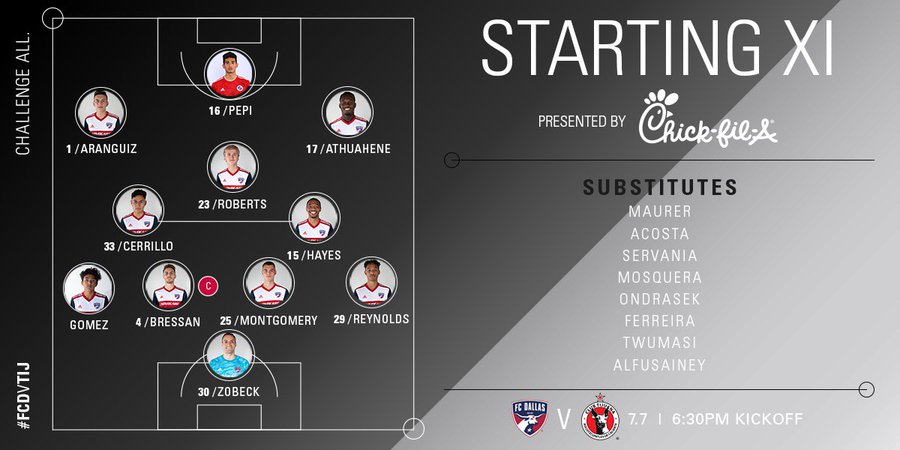


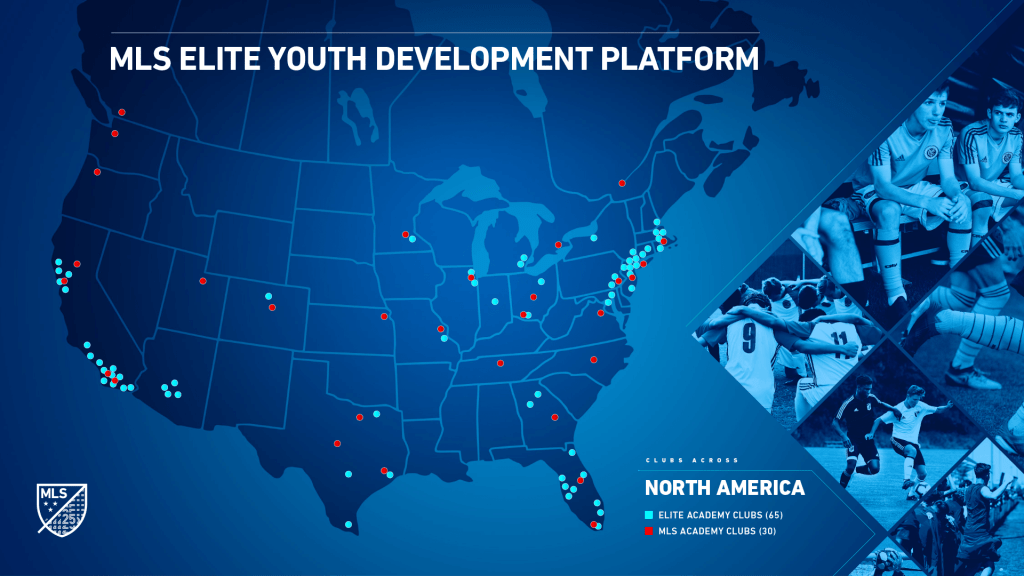

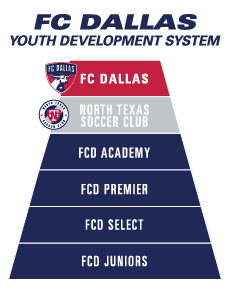


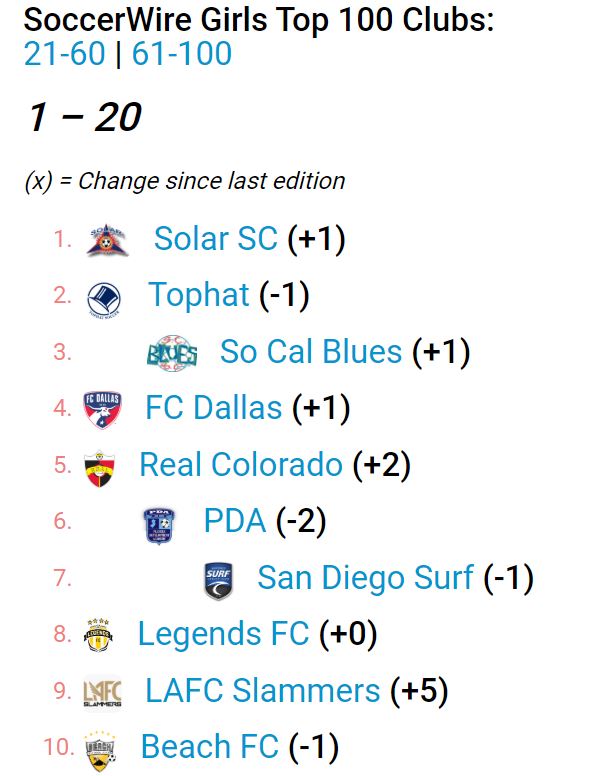
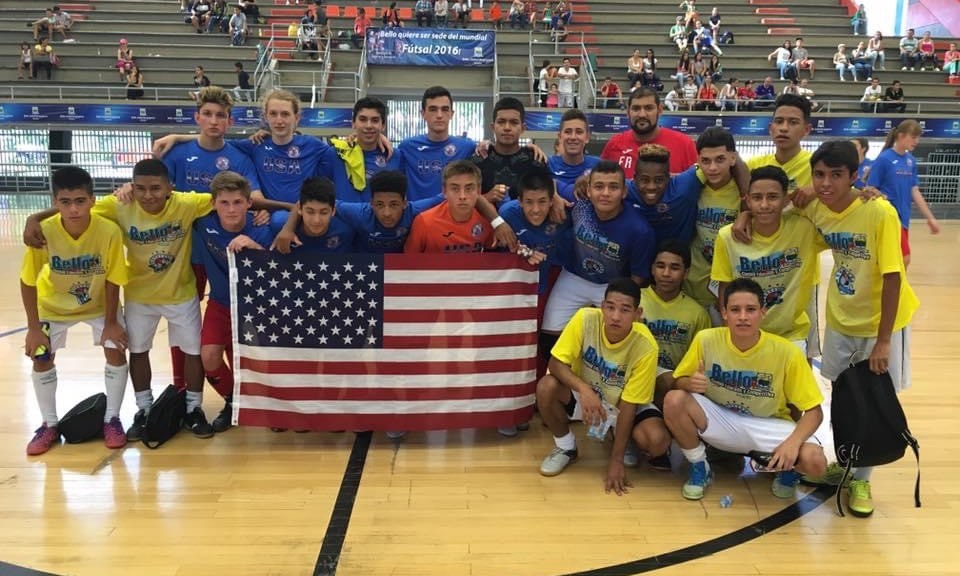
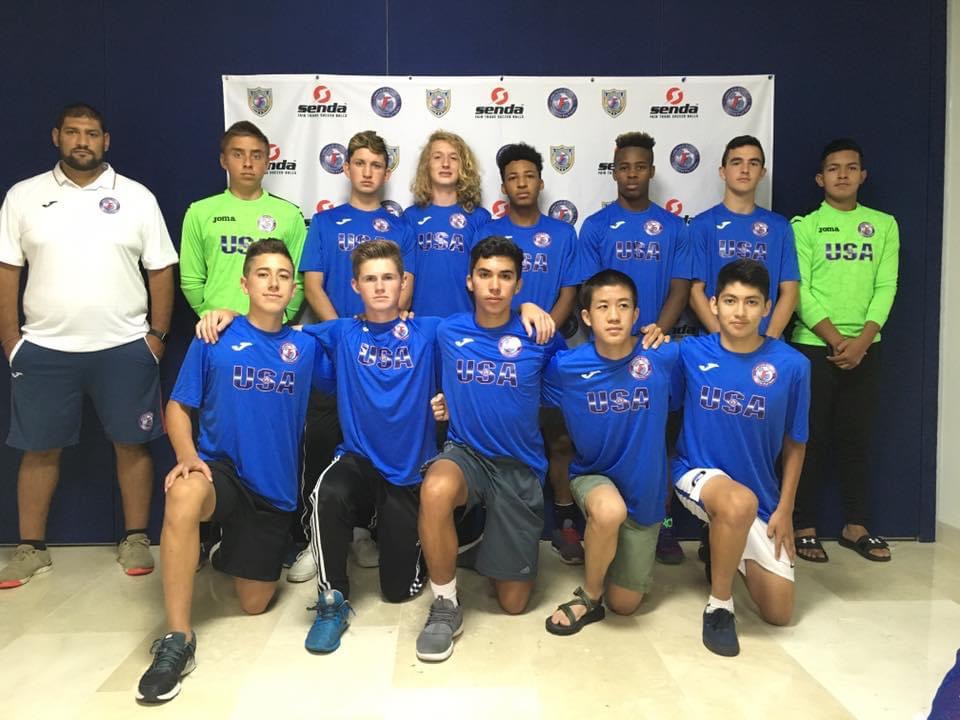
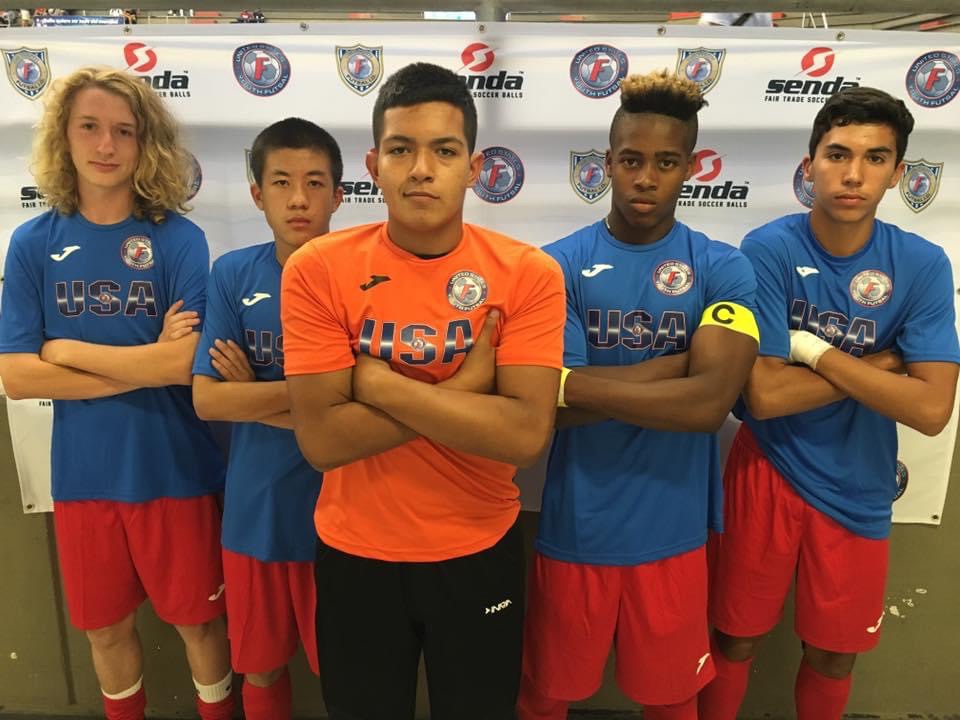

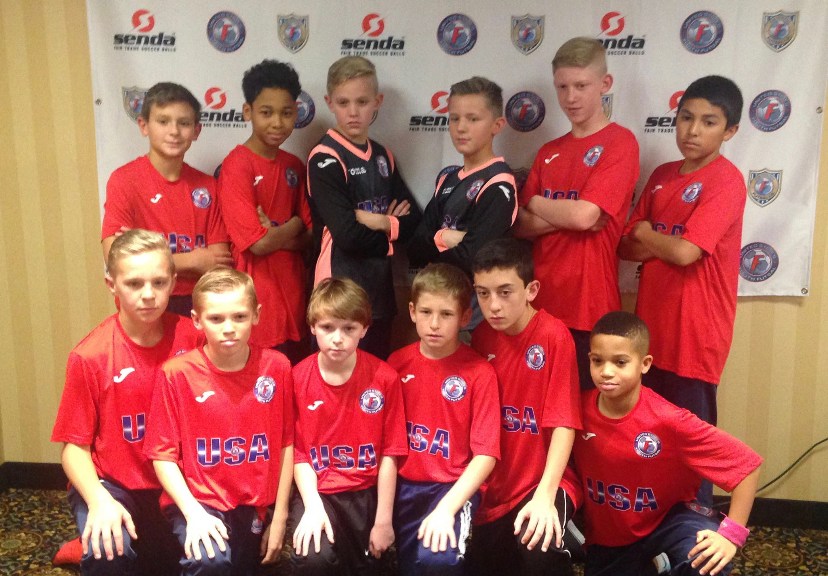


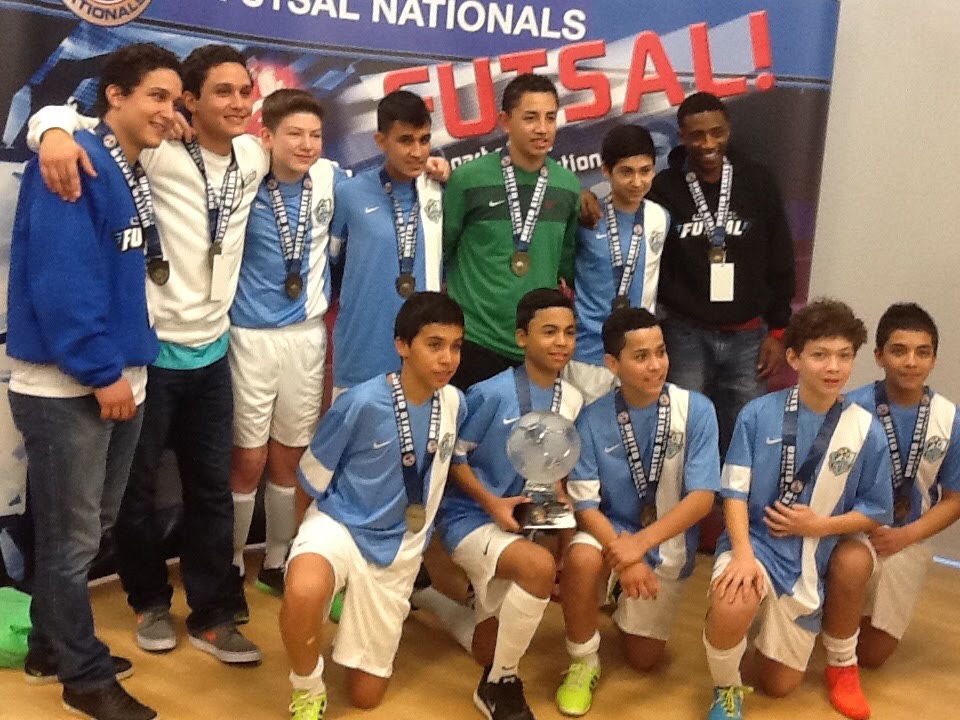
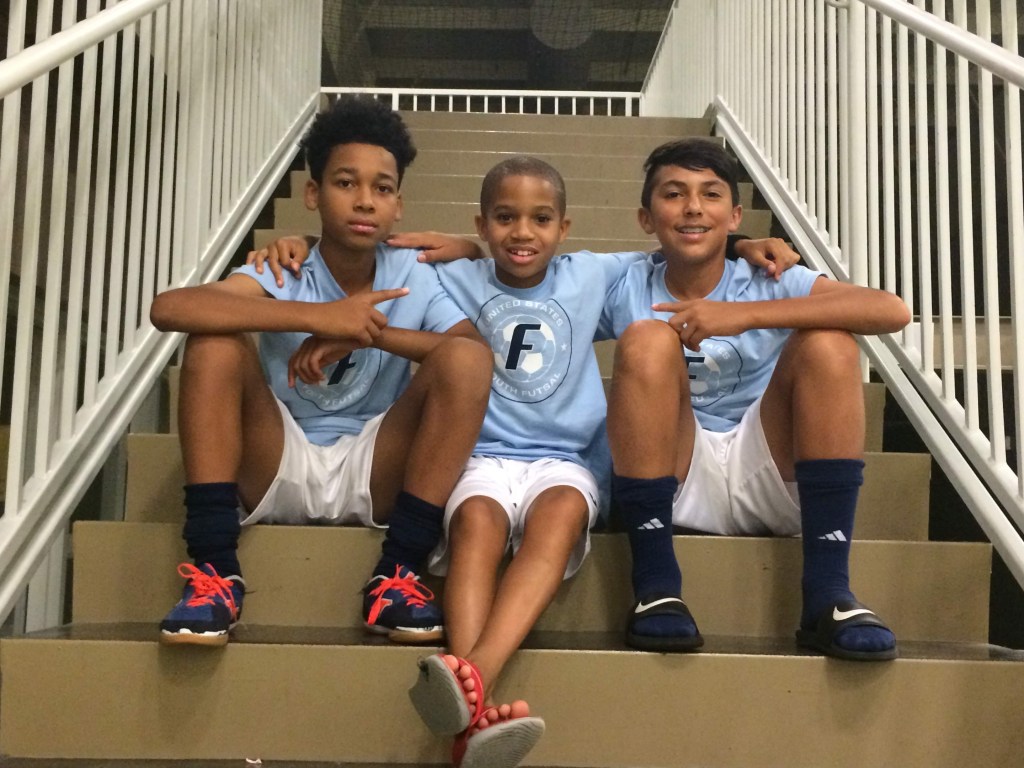


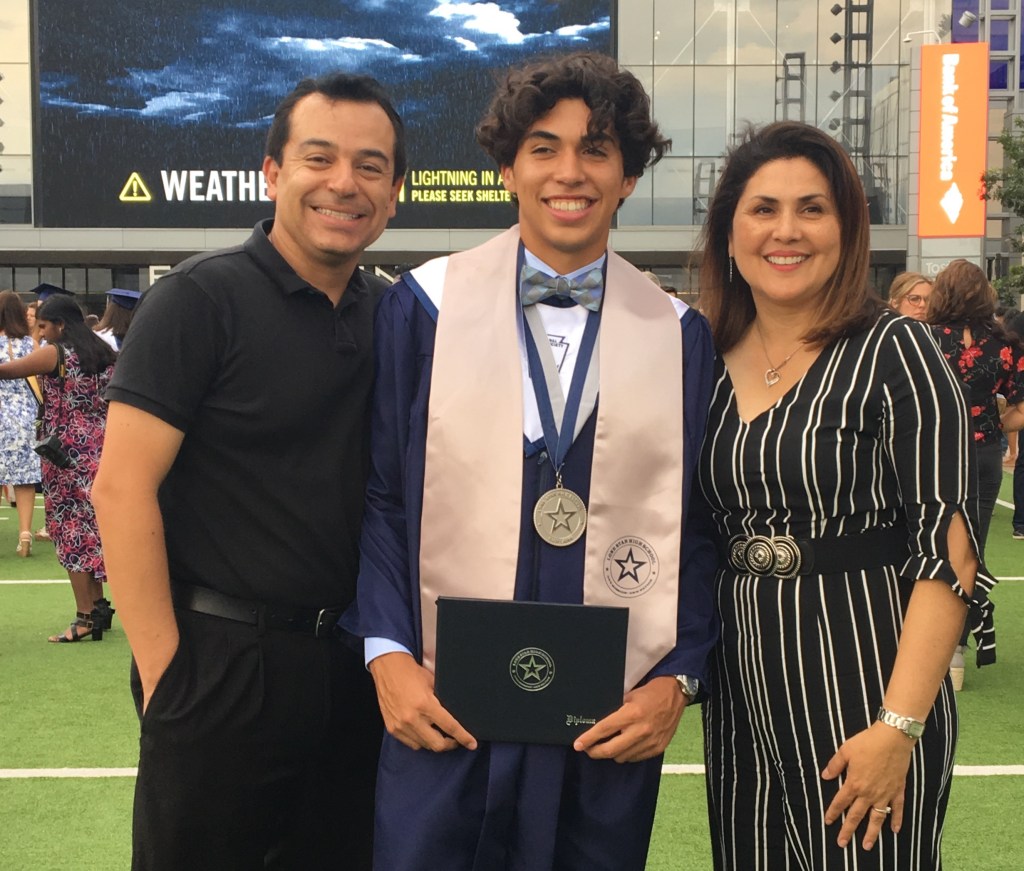


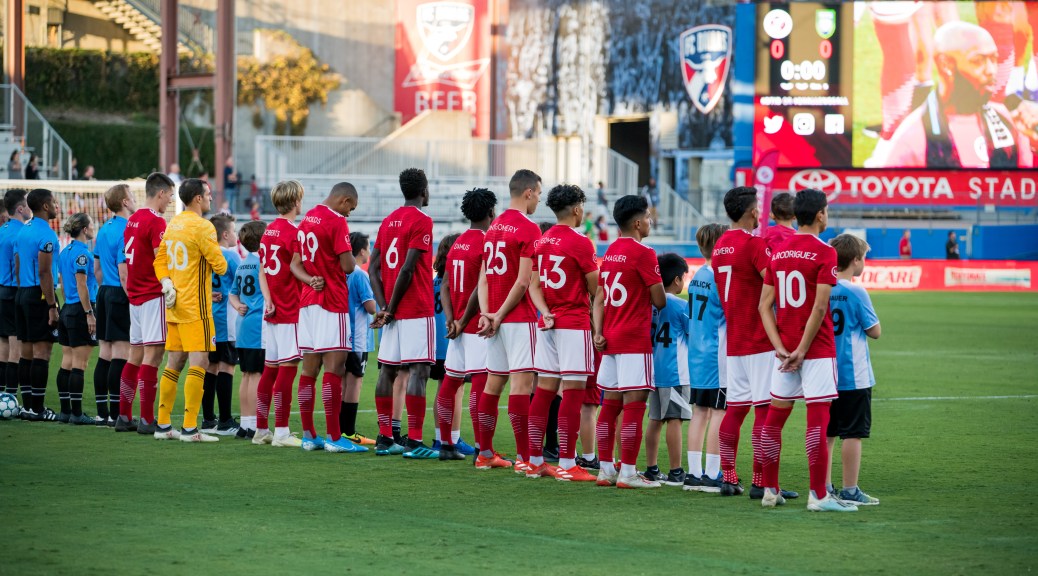

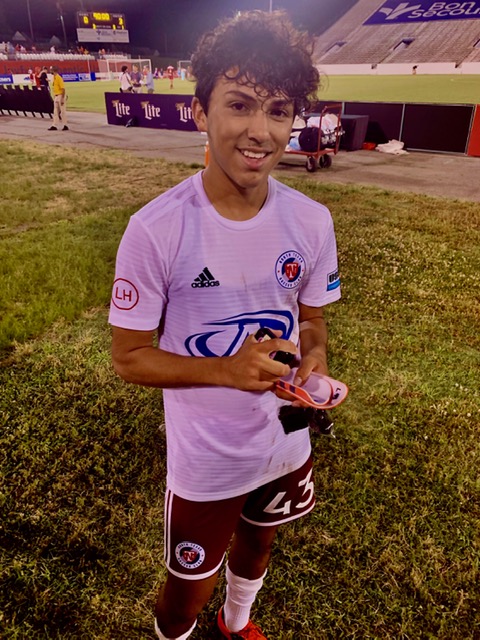


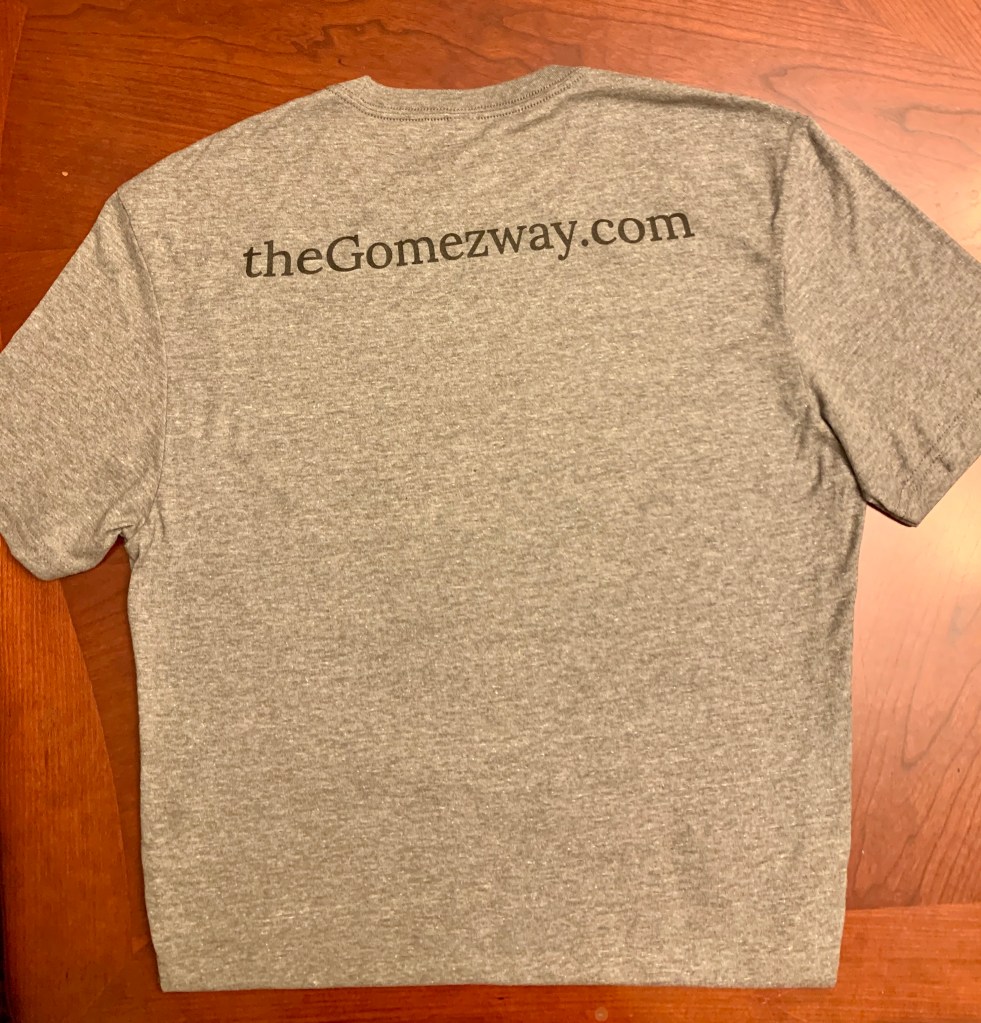

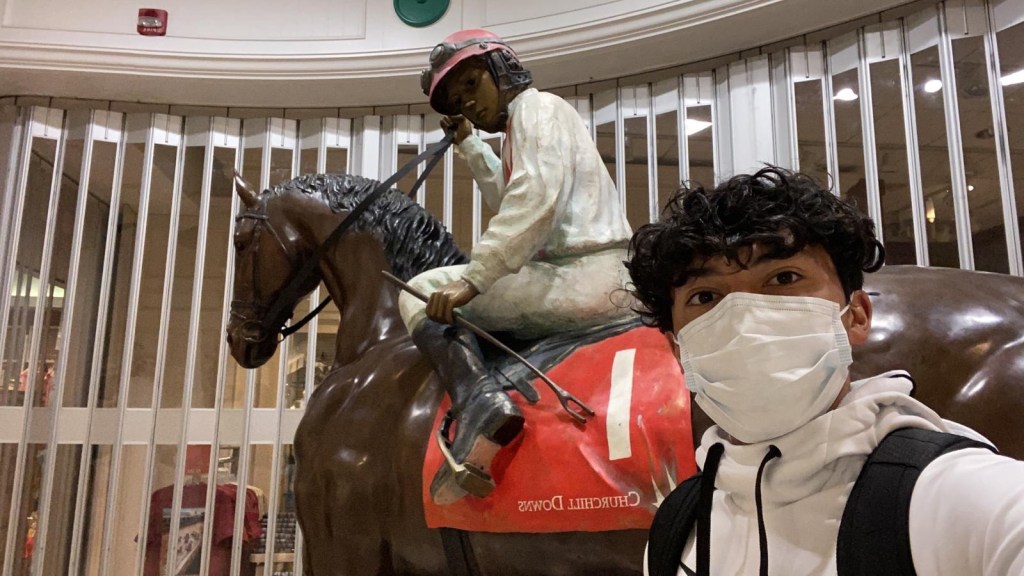


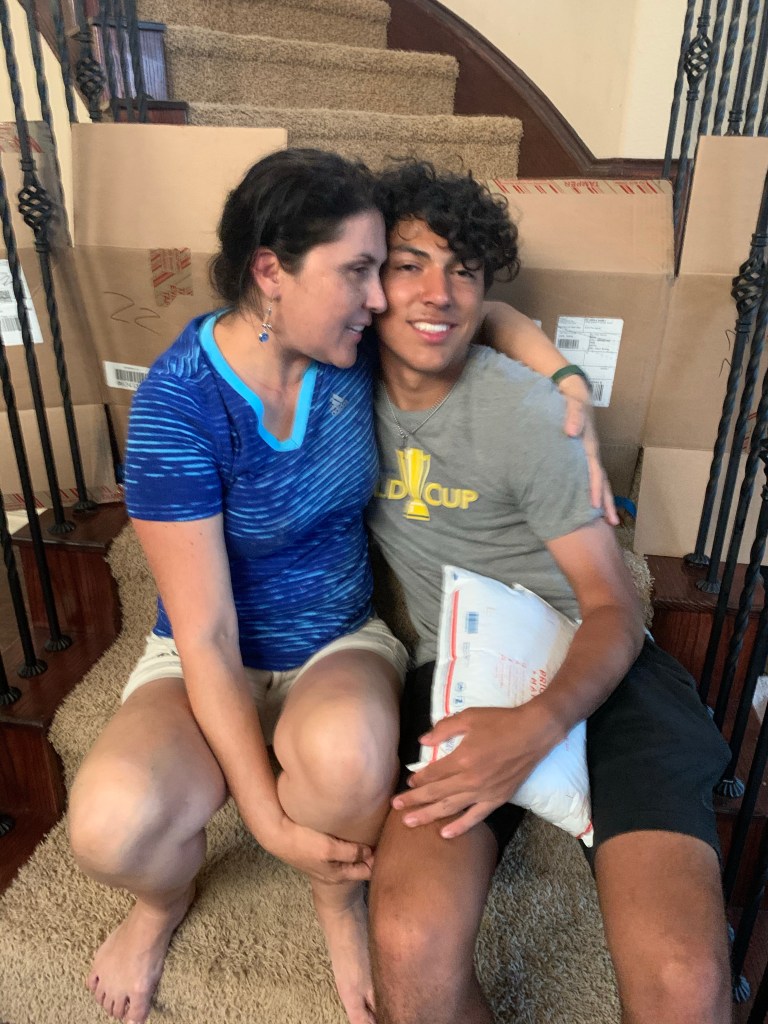

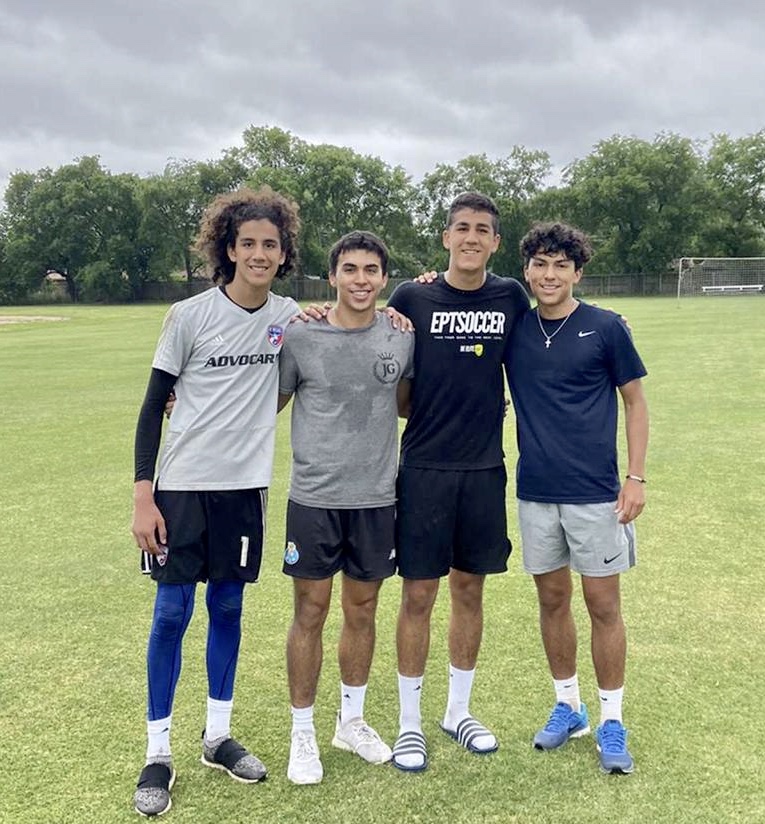






 #TheGomezway