Gratitude is a trait we have tried to instill in our children from an early age; they were blessed to have attended a Christian school where even when we “failed” at home, they were constantly reminded that among other life values, humility and gratitude are paramount in life.
As part of becoming professional players, they quickly realized that they were granted a special gift that impacts football fans. Often, they make it a point to show their appreciation when a situation warrants it. As parents, we proudly observe their growth off and on the field but also join them in thanking those who constantly support them especially those who are present in the good, the bad, and the ugly…
It is gratifying to see the boys interacting with kiddos…our children, were not too long ago *there*. We now understand that it’s impossible to ‘satisfy’ all fans requests but our boys strive to…it’s a task…
2022 left us quickly but not before we added a new member to our family. Now, 2023 is only a couple days away from becoming history; inexorably, we are “silently” leaping (2024 is a leap year) our way to the quarter of a century mark.
As we bid adieu to 2023, let’s recap some personal highlights for the Gómez family, remember some other events of national and global impact. As usual, we try to conclude this post on a positive note with our hopes and expectations for 2024. Enjoy…
January
Personal
USMNT
The year started really well ‘footballwise’ for what would eventually become the best year for the family in terms of national team presence for the boys. Jogo was called to his first US Men’s National Team (USMNT) January camp (and the first one post the Qatar 2022 World Cup). In one of the friendly games played as part of the camp, he managed to play the full 90 minutes against Serbia at ~80% health after having sustained an injury the week prior to camp with his club. We were fortunate that Real Sociedad (RS) released him for camp. This second experience with the USMNT was longer than the first one and we got to see him play once again in beautiful Los Angeles. More on that experience here.
High School “Soccer”/Club Football
Joana made her High School (HS) varsity soccer squad as a freshman and played every single minute of the HS season. That was not a feat in itself but at the end of the season, she received numerous accolades which summarized her successful season.
With club, her team started the year off by traveling to Las Vegas where it captured first place in the top division. The trip, in addition to the football, was very memorable for the family.
National
On January 3rd, then USMNT coach Gregg Berhalter posted the following tweet which quickly snowballed into a series of polarizing events between coach and players. In the months to follow, two interim coaches were utilized as USMNT coaches as Gregg’s future on the field was being evaluated to determine renewal of his contract as USSF coach.
The above tweet would eventually evolve into a series of revelations by Gio Reyna’s parents and Gregg himself. The days following statements by each party were some of the more controversial ones for the USSF which was caught in the middle of it all; however, a few months later, among even more controversy, the USSF reinstated/renewed Gregg as the new (and current) USMNT coach.
Global
On January 2nd, during the traditional Monday Night Football (MNF) game between the Buffalo Bills and the Cincinnati Bengals, safety player Damar Hamlin collapsed from cardiac arrest after immediately tackling an opponent. Cardiopulmonary Resuscitation (CPR) and Automatic External Defibrillator (AED) were quickly administered before taking him to a nearby hospital in critical condition. Nine days after the incident, he was discharged to rehabilitate from home and plans to return to football.
February
Personal
In February (late January really), Johan helped Nico Carrera finalize a move to his then Bundesliga.3 club: FSV Zwickau. During pre-season in August of 2022, Nico had been on trial at FSV Zwickau; unfortunately, a much needed loan from Holstein II did not materialize for Nico then. However, in an early January 2023 league game, a sudden and unfortunate season-ending injury to a starter FSV Zwickau Center Back (CB) resurrected the possibility of the loan. With Johan’s great relationship with American Coach Joe Enochs, the loan transaction with Holstein Kiel was finally pushed over the line. At last, “the compadres” were sharing the pitch again just like the FC Dallas days. Unfortunately, Nico’s debut coincided with the sacking of Joe Enochs as the team was in a fierce relegation battle.
On February 7th, Lebron James, at 38, broke Kareem Abdul-Jabbar’s NBA’ long standing scoring record of: 38,387 points. In a night when the Lakers were playing against the Oklahoma City Thunder, Lebron became the NBA’s all-time leading scorer with 10.9 seconds remaining in the 3rd quarter. The game stopped for over 10 minutes to recognize and celebrate such achievement. Given the popularity of basketball around the world, this event could be classified as global; however, the Super Bowl, normally in that category, and global mother nature events, will always supersede sports.
Global
Earthquake
On February 6th, one of the most devastating earthquakes of a 7.8 magnitude shook up the border between Turkey and Syria. This resulted in more than 35 thousand casualties, leaving millions without a home. Events like these put into perspective the miniscule importance of sports…perspective.
Super Bowl
On February 13th, the Kansas City Chiefs defeated the 1.5 point favorites Philadelphia Eagles by a score of 38-35 in Super bowl LVII (57th). Texas native Patrick Mahomes was the MVP of the game. The game was the most-watched program in American history with an average of 115.1 million viewers. The halftime show, featuring Rihanna, reached a high of 118.7 million viewers. As usual, the commercials stole “the show”.
March
Personal
US U20 MNT
Coach Mikey Varas had one last chance to evaluate the available talent pool for the upcoming U20 MNT WC while the team played against the likes of France, England, and Serbia. Selfishly, I not only had a chance to travel to beautiful Marbella, Spain but in the process, I also visited Morocco and France. It was a very fulfilling trip where lots of memories were captured in pictures and videos. Most importantly, I spent some quality time with Jogo and watched some amazing football.
FSV Zwickau
Johan had a productive month of March scoring in consecutive matches. Here is one of the goals he scored in March against Verl.
National
On March 24th, a tornado outbreak broke out south of the Mississippi Valley resulting in widespread heavy rainfall, severe thunderstorms, and significant tornadoes over a four-day period. The total number of tornadoes added up to 33 with 23 fatalities and damages in excess of $1.9 billion. Five states including Alabama, Georgia, Mississippi, Tennessee, and Texas were impacted by a series of tornadoes. Fortunately, our home did not sustain any damage.
Global
Three small to mid-size US banks suddenly became insolvent negatively impacting global bank stock prices. Silicon Valley Bank (SVB), Silvergate, and Signature bank failed for different reasons.
Over a period of just two days, the bank went from solvent to broke as depositors rushed to SVB to withdraw their funds, resulting in federal regulators closing the bank for good on March 10, 2023. SVB’s collapse marked the second largest bank failure in U.S. history after Washington Mutual’s in 2008.
April
Personal
Mom visited Jogo in San Sebastian and Mallorca for the first time this year. Jogo traveled with the first team several times but could not debut in La Liga. As mom returned home to Texas, Jogo made his way out to Argentina with the US team for the U20 WC where he would have a meaningful tournament.
National
March Madness
On April 3rd, the 2023 NCAA March Madness tournament came to an end. UConn defeated San Diego State by a score of 76 to 59 to claim the 2023 NCAA national title. This was the 5th championship for the Huskies men’s basketball program. As a side note, my running horns made it to the Elite Eight before collapsing against the University of Miami Hurricanes.
Global
On April 20, 2023, Elon Musk’s SpaceX performed the first flight of its Starship rocket from Boca Chica Texas (a few miles away from our hometown in Brownsville). The prototype vehicle became the most powerful rocket ever flown. On November 18, 2023, the second test flight was conducted successfully. We were in town for this one. It’s important to keep in mind that these test flights’ goal is to learn as much as possible from each one.
May
This month saw a roller coaster of events for the family. Jogo’s participation in the Argentina U20 WC was a bit offset by FSV Zwickau’s relegation from 3.Bundesliga and the end of Johan’s contract with the club.
Jogo played in every game of the WC given his versatility (and willingness) to play on both sides of the field. Despite the fact that he didn’t start every game, he contributed with a goal and two fouls which directly led to US goals. He scored this beauty of a screamer in Argentina’s U20 WC first game while I was in the stadium. Great feeling.
Johan bid farewell to the wonderful Zwickau fans with this beauty of a goal in his last home game. It was bittersweet and we have nothing but gratitude towards the strong fanbase of the East Germany club. We know we’ll be back in the future. “Einmal ein Schwan, immer ein Schwan“
ECNL
Joana’s team finished the 2022 – 2023 in first place. She grew a lot this past season. Her minutes and contributions were solid. We are very proud of the footballer she’s become.
National
On May 6th, almost a year after the school shooting at Robb Elementary in Uvalde, Texas, another mass shooting occurred at the premium outlets in Allen, Texas (a suburb north of Dallas). Nine people, including the perpetrator, were killed during the shooting while seven others were injured. The graphic video below is shared to commend the actions of the officer who not for one second hesitated to go above and beyond his “duties”.
Global
On May 20, Manchester City won their third straight premier league title when Arsenal lost 1-0 to Nottingham Forest. They received the trophy the next day and with it, they started a quest for their first treble: Premier League, FA Cup, and Champions League. As luck would have it, they would win up to five trophies in 2023.
June
The month that marked a jam-packed first half of year and the best was yet to come for the family.
Personal
On June 4th, the U20 WC reached its conclusion for Jogo and the USMNT U20 team. There’s a small chip on Jogo’s shoulder that will be there until the next opportunity with the national team as he didn’t get to play much of the last game against eventual U20 WC Champions: Uruguay. When he finally came into the game, the team had a 2 goal deficit which ended up being the final score (0-2). It was a great experience nonetheless with memories that we will all cherish forever.
National
On June 12th, in the fifth game of the NBA finals, the Denver Nuggets defeated the Miami Heat. The Western Conference Champions won their first ever NBA championship. As most would expect, Serbian center Nikola Jokic was named MVP of the finals.
Global
Football
On June 10th, Manchester City won its first Champions League final by defeating Inter Milan by a score of 1-0 with a second half goal by Rodri. With this victory in Istanbul, Turkey, the club started a dominant 2023 performance by amassing five trophies in 2023 (Premier League, FA Cup, UEFA Champions League, UEFA Super Cup, and FIFA Club World Cup). See December section for further details.
Tennis
On June 11th, the Serbian tennis legend, Novak Djokovik, in a closely contested match, won an all-time record 23rd Grand Slam single’s title by defeating Norway’s Casper Ruud in straight sets (7-6, 6-3, 7-5). Casper had reached the French Open final for the second consecutive year unfortunately losing both.
July
Personal
Jogo was invited to take part in the La Liga summer tour in México and the United States with Real Sociedad’s first team to play two friendlies against La Liga clubs. In August 2nd, Real Sociedad faced Atletico de Madrid at BVBA stadium where Jogo got to see his aunt and uncle who relentlessly show him their unwavering support. Three days days later, the second friendly was played against Real Betis in San Francisco.
Fun Fact: A few weeks earlier, Johan had faced Real Betis in Braunschweig, Germany in a friendly and would score against them the goal below. Football has a way to make “things happen”. Johan had a chance to meet Andrés Guardado just like Jogo did a few years earlier.
National
Gold Cup
On July 6th, México and Panama faced off in this year’s CONCACAF Gold Cup final in SoFi stadium in Inglewood, California. In a highly competitive match, México prevailed 1-0 with an 88th minute goal by Santiago Giménez. At last, México retook the throne from the United States who were the winners of the previous Gold Cup in 2021.
Global
Football
After months of speculation about his next career move. On July 16th, Lionel Messi’s announcement to join MLS Inter Miami’s was made official. The hype of this move was of unprecedented proportions globally even before the announcement was made official. I wrote a piece about his effect on MLS two months after his arrival here.
Tennis
On July 16th, 2003 Spanish born Carlitos Alcaraz defeated the four-time defending champion Serbian Novak Djokovic in a closely contested final, 1–6, 7–6, 6–1, 3–6, 6–4 to win the gentlemen’s singles tennis title. It was the Spaniard’s first Wimbledon title and second major singles title overall denying the champion from winning a 24th grand slam title for now…
August
Personal
On August 10th, Jogo received the excellent news that his request for a loan had been approved to 2nd division CD Mirandés. Four days later, he made his debut in a victory over Alcorcón 4-0. Just like in the U20 WC, he showed his versatility by playing his first game as a right winger.
National
On August 19th, the newly created Leagues Cup including all MLS and Liga MX clubs reached its championship game between two MLS teams. In a tightly contested game, Messi’s Inter Miami CF would prevail in penalty kicks (PKs) by a score of 10-9 over Nashville SC. The regulation score ended up 1-1 which forced PKs. It became the first trophy for Messi’s Inter Miami CF for what many expect to be many more to come. Lionel Messi was awarded the top scorer and the MVP of the tournament.
Global
On August 21st, the FIFA women’s world reached its climax. In a very competitive match dominated by England in the first half and Spain in the second half, the Spaniards saw their visually appealing footballing be crowned once again. Their tiki-taka, prevailed over a very physical English team by a score of 1-0. With this title, the Spaniards are the current U-17, U20, and Senior WC champions. Quite a feat that will be difficult to emulate.
Unfortunately, most of the attention would be drawn to this Spanish team during their post-match controversial celebration and all the events that gradually led to the resignation of the president of the Spanish Football Federation.
September
Personal
Mom went to visit Jogo to Miranda de Ebro. He needed some assistance moving and was adjusting quite well to the new club but the field opportunities had not been abundant due to his lack of pre-season work. Expert twitter fans back home were writing off his entire career but he soon proved us all wrong. He continues to work hard after an almost perfect month of October.
National
On September 10th, American youngster Coco Gauff was crowned queen of the US Open winning her first single’s major by defeating Aryna Sabalenka after having lost the first set 2-6. In the process, she earned $3 million.
The next day, Novak Djokovic won his record breaking 24th gentleman’s grand slam title in straight sets (6-3, 7-5, and 6-3) over Russian Daniil Medvedev.
Global
On September 24, Tigst Assefa won the 49th edition of the BMW Berlin women’s marathon and in the process, established a new world record at: 2:11:53. She beat the previous world record by over 2 minutes and 14 seconds.
On the male side, Eliud Kipchoge won the male open division for the fifth time. The video below was taken when Eliu won the 2018 marathon for the first time on September 16, 2018.
October
October was an excellent month for the family. Jogo had an almost perfect month playing full 90 minute games with CD Mirandés and contributing with some assists/hockey assists. On Johan’s side, he once again received the honor of representing the United States with the U23 USMNT pre-Olympic team.
Personal
Johan is called up to his first US U23 camp in Phoenix Arizona. He played against México and Japan scoring this goal but more importantly, he was able to see old (Chumchat) co-hosts and guests. It was a very memorable trip. We caught up with him there as well.
National
On October 1st, the Texas Rangers managed to lose to the Seattle Mariners in the last game of the regular season, relinquishing first place in the west division (and a playoff bye) to state archrivals: the Houston Astros. As faith would have it, the Astros had won a battle but not the war.
In what some would consider an anomaly among anomalies, the next four weeks would see the Texas Rangers win every single road game of the playoffs. In the process, they not only eliminated the Houston Astros in the American League (AL) Championship Series but on November 1st, defeated the the Diamond Backs winning their first MLB World Series (4-1). After reaching and losing the World Series in consecutive years ( 2010 and 2011), the Texas Rangers at last, won their first ever World Series in Arizona.
Global
On October 28th, the world received the terrible and unexpected news that Matthew Perry, who was best know for playing Chandler Bing on the smash hit comedy “Friends” had died at the age of 54 years.
November
November was a good football month for Johan…despite the fact that he had a very dangerous head injury during a late November football match that required several stitches…
Personal
On November 11th, Johan scored his first official goal in Bundesliga 2. With it, his team won an important game in their relegation battle. We hope Johan and club keep up the good form in 2024.
National
During the November FIFA window, Johan attended his second U23 camp in Spain in preparation for the Paris Olympics in the summer of 2024. As a family, we had hoped that the boys could play together with the national team but CD Mirandés denied Jogo’s release.
On Sunday, November 19th, Johan and teammates managed to go see Jogo play against CD Eldense in a stadium near where U23 USMNT camp was being held. It was a very dramatic game that ended up in a tie (2-2) but the most important part of that evening was that the boys got to see each other.
We are hoping that Jogo continues in an upward trajectory in La Liga 2. That way, the U23 USMNT invitations will continue to be earned and hopefully extended. We’ll keep our fingers crossed that CD Mirandés release Jogo next time and who knows? Maybe, the boys will play together at some point.
Global
On November 28th, Henry Kissinger a German-born American diplomat who shaped U.S. foreign policy in the second half of the 20th century and won a Nobel Prize for brokering an end to the Vietnam War died at age 100. He served as the US secretary of state and national security advisor in the presidential administrations of Richard Nixon and Gerald Ford between 1969 and 1977.
December
Personal
Johan scored his second official goal in Bundesliga 2. With it, his Eintracht Braunschweig club finished the first half of the season with two important consecutive victories and continued in a fierce relegation battle. The break should help them recover some injured/suspended players, regroup, and return to action in January hungrier than before.
In an extra long MLS season that started back in February (due to the month- long Leagues Cup tournament), on December 9th, the Columbus Crew defeated LAFC at home by a score of 2-1.
Global
On Friday, December 22nd, Manchester City, won the 2023 FIFA Club world Cup defeating Marcelo’s Brazilian Fluminese squad by a score of 4-0. In its last version showcasing seven clubs (winner of each confederation plus the winner of the host country local league), a UEFA club was crowned for the 16th time out of 20 editions so far. The remaining 4 wins of this tournament have been earned by Brazilian clubs.
Personally, the most impressive feat of this event was that Argentinean National Team Member, Julián Álvarez, at a tender age of 23 years, has won every possible important trophy there’s to be won. This includes the FIFA Men’s World Cup won in December 2022.
Next year, we will expand our blog coverage to include more content about Joana. She’s beginning to take the sport to a different level. In fact, in a couple of weeks, she will participate in her first showcase tournament of the year. She is coming off a semi-severe injury that sidelined her for two months but is now fully recovered. We have been working diligently in preparation for the continuation of her seasons.
As for the boys, they will continue to learn about European football professionalism. They have a great foundation and continue to earn valuable minutes. However, just like Joana, their preventive care habits should be maintained to help them be more resilient to the demands of their respective leagues. We hope they continue to not only accumulate impactful minutes and perform well in order to partake in the camps leading up to summer Olympics.
Otherwise, they will be welcomed back home where they will inevitably continue to play the beautiful game but in a different capacity. See, this year, they started the “Jogos and friends pickup games” anytime they are in town where they not only get to play the beautiful game with professional/college footballers in a friendly manner but also reminisce about childhood memories or catch up with football friends. They have had three great instances.
On a more personal note, next year I will prioritize family time and own health. Unlike 2023, traveling will take a secondary role. As time allows, officiating football matches at a higher level and participating in longer distance running competitions will also be part of my goals. At this point, our only hope is that 2024 can keep up with our plans…thanks for making it this far and hope you have enjoyed it. Until next time. Happy New Year!!! #theGomezway
BTW, if you wish to keep up with the latest blog posts, be sure to subscribe for notifications on the left hand pane of the main blog page. You’ll probably get a couple of email notifications per month about new posts. You won’t regret it.
In the summer of 2021, I wrote an informative and comprehensive post titled: “College soccer explained for players and parents”. A little over two years have passed since its publication and recent events called for its review; I normally do not go back to amend my previous posts but the usefulness generated with it merited it. So, what events prompted me to re-read and update the post?
Well, it is that time of the year when college soccer begins to reach its climax and honestly, I have been watching a lot of it unfold since a few of our soccer friends are/were in it. On the D1 men’s side, the initial 48-school tournament is now down to the quarterfinals (aka Elite 8) while the D1 women’s bracket is now down to the final four. Not surprisingly, the NCAA D1 college cup will be played in Lynn Family Stadium in Louisville, Kentucky (also known as Lou City’s cathedral). In a way, we go full-circle and to commemorate it, we may make our way up to nostalgic Louisville to visit friends and watch a few games next week. Anyway, that current hype is what prompted me to revise my post in the first place…
With the College Cup coming to Lynn Family Stadium on Dec. 8 and 11, you never know. A future LouCity star could be in action!
So, without further ado, here are the two adjustments to my summer 2021 post.
Overtime changes
In the original post, I highlighted that regular season matches could not end in a tie. That rule changed the following season (2022) and now regular season matches CAN end in a tie after the 90 minutes of regulation. To determine a game winner in regular season games, no overtime is needed any more. However, as one would expect, if a winner is needed (ex. conference games, tournament games) overtime (OT) and penalty kicks (if the tie persists) will continue to be utilized. The reasoning behind the elimination of OT periods was to shorten the playing minutes that most college programs already undergo in a compact (August – November) season while equaling the playing time among all D1 soccer programs.
As explained in this NCAA article, another rule change that was introduced last season, which aligned with the elimination of the OT periods, was the abolition of the golden goal in OT periods. Currently, when OT periods are needed, two 10-minute OT halves must always be played in their entirety. This measure is supposed to improve the quality of soccer played by teams who in the past hesitated to play offensively fearing match ending counterattacks.
Name, Image, and Likeness (NIL)
Also, in my post from September 2021, I recommended prospective student-athletes not sign with an agent or receive any sort of financial remuneration. The idea was to avoid potential complications with the then-existent NCAA rule that prevented current (and prospective) student-athletes from playing or even being recruited if a financial advantage was proven to have occurred favoring the student-athlete (or the family).
See, in 1905, the NCAA was founded with amateurism as one of its core values. In other words, student-athletes could not get remunerated in any form while playing at the college level…until the summer of 2021. However, a lot changed in July 2021 in what continues to be a controversial and ambiguous NCAA rule change.
In June 2021, the supreme court ruled unanimously that the NCAA could not limit education-related payments to student-athletes (since non-athletes were making boat loads of money mostly online). Two core NCAA principles remained intact: No pay-for-play, and no quid pro quo. In summary, athletes are not supposed to receive compensation tied to performance, and recruits aren’t supposed to sign deals contingent on going to a certain school. The latter is a really nebulous topic as presented in this Athletic publication. However, NIL signings sky-rocketed and so did professional agent signings after the supreme ruling of NCAA vs Alton. Student-athletes are now able to receive money from monetized social media accounts, signing autographs, teaching camps or lessons and participating in advertising campaigns, among other forms of NIL usage. The ramifications of this change continue to have a domino effect and we haven’t seen the end of this rule change…
If you read through my original post, you will find that the “Program Reputation” section mentioned a soccer family friend whose son had committed to play D1 soccer for Georgetown. Ironically, that same friend called me last week to pick my brain about his son’s potential paths to football professionalism post college graduation. Unfortunately, Georgetown is no longer in the NCAA tournament, so we chatted about options to keep the dream alive based on the grim outlook his agent painted. In any case, that convo also contributed to the amendments of the original post.
I hope you have enjoyed reading the original post for the first time or re-reading it with its amendments. As always, reach out if you need any assistance, advice, or suggestions or if you have topics you’d like to read about. #theGomezway
Last month, FIFA announced that the 2030 FIFA Men’s World Cup (WC), officially denominated as the centennial WC, will once again be jointly hosted by more than two countries. For the 24th edition of the quadrennial event, FIFA selected host nations which are scattered across multiple continents (3) and about 6000 miles apart. In a nutshell, the games will be played as follows:
Inaugural games (3) in Uruguay and one group game each in Argentina, and Paraguay
Rest of the games (101): Spain, Portugal, and Morocco
Below, we analyze, and hypothesize, as to the reasoning of such decision by FIFA.
Host nation requirements
FIFA is comprised of six confederations: Africa (AFO), Asia (AFC), Europe (UEFA), North America (CONCACAF), South America (CONMEBOL), and Oceania (OFO) whose member nations can submit bids to host a WC. FIFA has a list of requirements that a potential host nation need to have. Below is just a summary.
Infrastructure:
Unfortunately, only Argentina currently possesses one or two stadiums with the below requirements that FIFA could potentially approve. The three host countries do have a few stadiums that could be renovated by 2030 but that would cost money these nations do not have. Fortunately, they have over six years to attempt to be prepared and a governing body -FIFA- more than willing to bend their own requirements in exchange of some re-election votes.
Centerario Stadium (Montevideo, Uruguay)
Have at least 14 all-seater stadiums
Each of the 14 all-seater stadiums must have a capacity of 40,000 seats
7 of the 14 stadiums must pre-exist prior to the bid submission
The opening and final match must take place in a 80,000-seat stadium
The semi-finals matches must take place in a 60,000-seat stadium
Have at least a pool of 72 suitable training sites for team base camps
Have four suitable venue-specific training site options per stadium
Have two suitable referee base camp training site options
In addition to the infrastructure requirements above, the FIFA council also enforces loosely documented requirements regarding broadcasting sites, competition-related event sites, as well as accommodation, requirements for sustainability, environmental protections, human rights, governmental support, and organizational model to be used. FIFA is used to turn a blind-eye on their documented requirements. Enforcing the host nation requirements resembles football refereeing a lot. It’s subject to interpretation…
FIFA’s confederation rotation policy
Along with the above requirements, FIFA has a policy of excluding from bid submission contention the confederation(s) where the most recent WC took place. At the time the selection of the 2030 WC was announced in October 2023, Qatar had hosted the 2022 WC; therefore, AFC was excluded. Also, since the 2026 WC was already scheduled to take place in Canada, Mexico and the United States, CONCACAF would also be excluded from bid submission contention. Therefore, the following confederations remained as viable candidates for the 2030 WC: AFO, UEFA, CONMEBOL, and OFO. It’s noteworthy that FIFA’s rotation policy has “somehow” historically excluded AFO (except for South Africa in 2010) so it was now time to pay favors to Africa. More specifically, Morocco had bid for a WC many times so it was long overdue.
Many speculate that with FIFA’s rotation system and the 2030 selection concluded, CONCACAF (which will host the 2026 WC), CONMEBOL, UEFA, and CAF (confederations due to host the 2030 WC), would be unable to bid for the 2034 WC, leaving the AFC and OFC as the sole candidates. This has led to accusations that FIFA selected the hosts only to ensure that Saudi Arabia, an AFC member with major human rights controversies (like Qatar in 2022) would have their bid uncontested. Since FIFA wants to make the 2034 decision in 2024, it would leave little time for other eligible members OFO (Australia and New Zealand) or China (AFC) to attempt to prepare a strong bid to co-host the 2034 WC along with Saudi Arabia.
Global reach
FIFA members will be the first ones to justify that awarding the 2030 WC to multiple nations across different continents will enhance the global appeal and reach of the tournament. Nothing can be further from the truth as the “beautiful game” is by far, the most popular and viewed sports event in the world. It really does not need any additional outreach to garner more appeal. In fact, one could argue that awarding the tournament to countries that lack the infrastructure to host the tournament is financially detrimental to the growth of the game. See attendance #’s in the “new” continents: Asia and Africa (lowest of the last 10 occurrences). South Africa is still recovering from the deep investment in WC infrastructure from 2010.
World Cup
Total Attendance
Attendance/game
2018 – Russia
3,031,768
47,371
2014 – Brazil
3,441,450
53,772
2010 – South Africa
3,167,984
49,499
2006 – Germany
3,367,000
52,609
2002 – Japan/ S. Korea
2,724,604
42,571
1998 – France
2,859,234
44,676
1994 – USA
3,568,567
68,626
Attendance per WC. Note: In 1998, the # of countries participating increased to 32
Political reasons
Like any of his predecessors whose career continuity depends on re-election, FIFA President Gianni Infantino is known to be a good populist diplomatic. Nothing can guarantee more votes from different continents than to spread the joy of hosting WC games among three unqualified countries: Argentina, Paraguay, and Uruguay. These three countries were allegedly selected as co-hosts nations to commemorate the 100th anniversary of the original WC in 1930 that took place in Uruguay.
Uruguay
The reason for Uruguay’s inclusion can be somewhat justified as the nation which hosted (and won) the first WC in 1930. Uruguay has qualified to 15 out a total 22 WC. It’s a regular attendee by its own merits. It has also won the WC twice in 1930 and 1950.
Argentina
Argentina is the current men’s WC champion whose national team rosters probably the best footballer in history. It’s hard to exclude them especially since Argentina is a neighbor to Uruguay. In May 2023, FIFA President Gianni Infantino started hinting at a possible Argentinean favoritism when, for political reasons, FIFA stripped Indonesia the opportunity to host the U20 men’s WC and suddenly granted it to Argentina -whose team had failed to qualify in CONMEBOL. To magnify that perceived favoritism, many argued that Messi didn’t deserve the recently awarded 8th Ballon Do’r 2023 but was secretly favored in the votes due to winning the 2022 WC. Argentina has qualified to 19 WCs out a possible 22. It has won the WC three times in 1978, 1986, and 2022.
Paraguay
The original CONMEBOL bid to host the 2030 WC included Uruguay, Argentina, Paraguay and Chile. The only reason I can reason for the inclusion of Paraguay is to honor the original bid but if that were the reason, why exclude Chile? Other than that, I am unable to justify Paraguay’s inclusion; this country wouldn’t be able to host a WC on its own given its infrastructure so other than neighboring Uruguay and Argentina, this seems as a quid pro quo reason. Paraguay has qualified to 9 WCs out a possible 22 and has never won a WC. Don’t forget that host nations get an automatic invitation to the WC, this means that not only Argentina, but also Uruguay and Paraguay, are automagically qualified to the 2030 WC (another FIFA gift).
Economic reasons
Out of the three South American nations, no economy is hurting as much as the Argentinean. Read my post about my recent trip to Argentina. With the football infrastructure Argentina currently has, a new president, Javier Millei taking office in a few days and six and a half years to prepare, hopefully the country can benefit from an influx of tourists and the economy can recover (once and for all) from the recent lows the nation has experienced in the past ten years.
Be it what it may, we in the United States, will have an opportunity to travel a shorter distance to gelid South American countries during their winter to hopefully witness some familiar football faces who will start to shine in 2026 and may be consolidated by the 2030 WC. Until next time #theGomezway
I still remember that Saturday morning, August 31st, 2019 when Johan as a recently-turned 18 year old, was announced by FC Porto as their new youth international signing. Our family was at the nationally acclaimed youth tournament Plano Labor Day (north of Dallas) with Joana and the phone wouldn’t stop ringing. We received congratulatory messages from folks whom we hadn’t talked to in years. Some, casually texted to congratulate me personally (as if it were my achievement), while others casually requested an FC Porto jersey. Eventually, I think we fulfilled every single one of those jersey requests but I digressed…it was at that moment that it truly hit me, Johan (and eventually Jogo) was becoming a public’ish figure.
Johan signs with FC Porto 08.31.19
Just like any other occupation, the career of any professional footballer has its ups and downs; however, being a public figure is a tad different. As an example, it never ceases to amaze us how during difficult times (ex. injuries, lack of playing time, relegation, COVID, coaching changes, etc.), the same “friends/fans” who were extremely supportive in great times, go completely missing during tough times.
Among Johan’s long list of footballing achievements is to have played the Portuguese derby Porto B (1) vs Benfica B (1)
We understand that the popularity roller-coaster comes with the life of a footballer which, these days, is magnified by social media. But, from our family’s perspective, it’s probably prudent to share that any type of positive support is (always) more appreciated and welcomed especially during challenging times. I often tell the kids that rough times build character and it is also a time when true friendships are built and strengthened.
Recently, Jogo wasn’t playing much in the first few games of the 2023-2024 La Liga 2 season with his new club. It was understandable, at least for his family, as his loan was finalized late in the transfer window and he wasn’t present for pre-season with his new club. In any case, we hadn’t heard from many fans in a while. But in the last five games, he created an own goal, had two assists (see one below), and then two hockey assists and suddenly, he’s “popular” again.
In conjunction with Jogo’s recent contributions in La Liga 2, US Soccer announced that Johan was called for the US U23 MNT camp in preparation for the 2024 Paris Olympics. Suddenly, the calls pertaining to Johan once again, resumed to our family.
23 players are headed to Phoenix for the first U.S. Olympic Men's Soccer Team training camp as prep kicks off for next summer! The U.S. will face Mexico on Oct. 11 and Japan on Oct. 17.
This time, it wasn’t only the calls that resumed; our boys youth club Solar, for the first time ever, had an Instagram post dedicated to Johan (and our good childhood friend JT). Honestly, we had never seen his former club recognize either of our boys but hey, kudos of any form are always welcome, especially if it’s convenient for the club as well.
The Olympic camp went well (writing a post on it) and Johan even scored the first goal (below) against a superior Japanese team. Once again, the calls, messages, and tweets were abundant; even the convenient #DTID patreon tweets returned. Please don’t exhaust them all guys, we will need some of those in upcoming tough times.
As a favor to me, direct future congratulatory calls/texts to the boys. In Johan’s case, he’s the one who has fought for these opportunities the most, who went to Europe 4.5 years ago, who likely would have played in the Indonesia 2021 U20 WC until COVID chose to be a life protagonist and has opened doors for his brother and sister. Reach out to him, congratulate him; I am sure he would love to hear from you. Either way, please know that our family TRULY appreciates your support at ALL times but it’s inevitably most needed when footballing life gets tough 6000 miles away from home.
Johan Gomez: U16 BNT: U16s (3) vs Sacramento Republic (1) 09.08.16 (Sacramento, CA)
Yesterday, the celebrity world reminded us that public figures are humans and that they sometimes need help too. Mental health is important, don’t wait to reach out to other footballers (American or not) who may be going through difficult times (ex. Tyler Adams, Daryl Dyke, Josh Sargent, etc.). Be present, it can be a difference maker. Until next time #theGomezway #mentalhealth
There’s no denying that Messi’s arrival to MLS in August has had an impact of unprecedented proportions. It not unusual for some current (early 2000s: ‘David Beckham effect’ on MLS) or retired athletes (Now: ‘Deion Sanders effect’ on NCAA football) to have an effect in their sports; however, in Messi’s case, multiple aspects of MLS have been deeply and permanently impacted by the now well-known “Messi effect”. Below is a brief summary of its impact so far:
Joana outside “La Bombonera” stadium in Buenos Aires
Increased global attention: Lionel Messi is one of the greatest footballers of all time and already had a massive global following. His arrival in MLS attracted substantial attention from not only American fans, media, and sponsors but worldwide too. MLS is benefitting from increased exposure, TV ratings, merchandise sales, and more international viewership. Since his arrival, Messi helped Inter Miami win its first trophy just a few weeks after joining the team. In his first 11 games with Inter Miami, the team won 10 and tied 1. In those games, Messi scored 11 goals and recorded 8 assists. With those numbers, it’s inevitable to not garner global attention.
Boost in attendance: Messi’s presence in MLS stadiums has increased attendance numbers. Every stadium where Messi has played has sold out. Fans (casual and hard-core) are eager to see one of the world’s best players in action. His participation in games has resulted in increased ticket sales (527% increase in prices) and higher game-day revenues.
Television (Apple tv) ratings and subscriptions: Inter Miami matches have experienced an exponential boost in television ratings. MLS Season Pass, which is Apple’s streaming package that broadcasts soccer matches, experienced a 1690% increase in sign-ups the day Messi first played for his new club. Broadcasters are excited to showcase Messi’s skills (in multiple languages) and MLS’ TV deals are becoming more lucrative abroad. Higher ratings have inevitably attracted more advertisers and sponsors.
Enhanced brand value: Messi’s arrival to the league has elevated its brand value and prestige. It’s now very common to see celebrities in attendance whenever Messi plays. He has not done it alone though, former Barcelona teammates Sergio Busquets and Jordi Alba joined Inter Miami which only continued to elevate the club’s AND the league’s value. Inter Miami’s worth prior to Messi’s arrival was $575 million. As of September 15th, that value is now near $1 billion and estimated to be in the range of $1.3 to $1.5 billion in 2024.
Financial impact: While the signing of Messi required a significant financial investment -he earns an estimated $50 – $60 million annually-, his signing has led to an exponential overall revenue for the league. ESPN reported that in the first 24 hours of Messi jersey sales, it was the best 24 hours of any player’s changing teams across all sports. Messi’s Inter Miami jerseys were conveniently out of stock until a couple of days ago, they are currently priced at $180 each. Sponsorship deals, merchandise sales, and international interest have generated additional income enabling MLS to potentially reinvest in infrastructure, youth development, and player salaries making the league even more attractive and financially competitive with top continental leagues such as Liga MX and Campeonato Brasileiro.
Player development and competition: Messi’s presence serves as a tremendous opportunity for young MLS players. Training and competing alongside one of the best players in the world has elevated the level of play of those around him (ex. Campana, Cremaschi, Allen, etc.). Elevating the competitive level of his teammates and opponents can gradually contribute to the overall development of domestic talent; thus improving the leagues’ competitiveness and who knows, maybe the US national team pool. Prior to Messi’s arrival, Inter Miami had only won 10/28 games, drawn 3 and lost 15. They were in last place and now, they are fighting for a playoff spot with a few games remaining in the season.
Unfortunately, not all the Messi effect’s and influence has had a positive effect on fans. See, I was refereeing this past weekend when out of the corner of my eye, I spot a soccer parent walking down the experts’ sideline trying to get his son’s attention while the match is going on. Once, he succeeded, he instructs his son, who at the time was playing as a forward, to forget about playing defense and play like Messi. We, other parents and myself, were all puzzled when the following emanated from his mouth: “Don’t defend anymore, just stay up and wait for the ball to come to you; only run when the ball is 5 feet away from you; that’s how Messi plays and he is successful at it”. The kid incredulous heeded his father’s instructions the remaining of the match.
Needless to say, his son’s team ended up losing the game badly as they practically played down a player and the son never touched the ball again in the match. Moral of the story, be careful instructing your children with stuff you see on TV without the proper knowledge, context and background. Sometimes, in an effort to help our kids, we prevent them from progressing. This supportive father, imparted some useful wisdom onto his son that ended up serving a completely unintended effect on his son (and his team) in part thanks to the “Messi effect”.
Texas soccer fans wearing Messi jerseys
Keep in mind that there’s only one Messi, and as simple as the game is, his greatness stems from making the simple game look even simpler. The “Messi effect” will gradually fade and we will be left with his legacy. For now, enjoy him while you can and if you are planning to watch him live, remember to not pay the exuberant ticket prices unless you are certain he will be playing. See below what some fans played for the Orlando vs Miami game last Sunday and Messi, Jordi, and Busquets did not play.
Part of the reason the ex-Barcelona trio did not play against Orlando was strategic. They need to rest for their Lamar Hunt US Open Cup championship match tomorrow night. That game, prior to Messi’s MLS arrival, would have taken place with little fanfare. Tomorrow, all the spotlights will be on Inter Miami, especially if Messi plays.
The opponent for that game will be Houston Dynamo and if Inter Miami is victorious, it could be Messi’s second trophy in the last 8 weeks. Stay tuned as he, and teammates, continue to shape up the “Messi effect” on MLS. Until next time, #theGomezway
Cryo and compression are two popular therapies used in sports recovery. Our family uses both; however, given its portability, we have used compression therapy more frequently. We own two sets of Hyperice Normatec leg sleeves in Germany and Spain respectively. At home, we use Cryonation where both therapies are readily available for the family. While both methods have advantages beyond sports recovery, let’s compare and contrast them with respect to football players specifically.
Joana and myself doing a 20 minute session of leg compression at CryoNation
Compression therapy
Compression therapy is a common treatment to help improve blood flow in your lower legs. There are three types of compression therapy: compression stockings, bandages and wraps, and inflatable devices. Below, we will address some of the benefits of inflatable devices (leg sleeves) as those are the ones most commonly used by athletes.
Enhanced Circulation: Leg air compression devices use sequential pressure to promote blood flow and lymphatic drainage. This can help remove metabolic waste products such as lactic acid and reduce inflammation, facilitating faster recovery and reducing muscle soreness.
Reduced Muscle Fatigue: Compression helps reduce muscle vibration during physical activity, leading to decreased muscle fatigue. By stabilizing the muscles and reducing microtrauma, leg air compression can help football players maintain their performance levels for longer periods.
Quicker Recovery: The improved circulation and lymphatic drainage provided by leg air compression can accelerate the recovery process by delivering oxygen and nutrients to the muscles while removing metabolic waste. This can help football players recover from intense training sessions and matches more rapidly.
Injury Prevention: Compression garments provide a supportive effect, helping to stabilize muscles and joints. This can reduce the risk of muscle strains, sprains, and other injuries during football activities. By applying consistent pressure, leg air compression can also help prevent swelling and edema.
Travel Aid: Football players often experience long journeys for matches or tournaments (college soccer players), which can lead to swelling and discomfort in the legs. Leg air compression can improve circulation and alleviate these symptoms, making it a useful tool for travel recovery.
Cryotherapy
Cryotherapy, which involves exposing the body to extremely cold temperatures for a short duration, has gained popularity in various sports, including football. While individual experiences and opinions may vary, here are some potential benefits of cryotherapy for football players:
Jogo doing at full body Cryotherapy session
Enhanced Recovery: Cryotherapy may help accelerate the recovery process by reducing inflammation and muscle soreness. Exposure to cold temperatures can constrict blood vessels, which can help reduce swelling and promote faster healing after intense training sessions or matches.
Pain Relief: Cold therapy can act as a natural painkiller by numbing nerve endings and reducing pain sensitivity. Football players often experience muscle strains, joint soreness, and general fatigue, and cryotherapy may help alleviate these discomforts.
Improved Performance: Cryotherapy may enhance performance by increasing alertness and reducing fatigue. The sudden exposure to extreme cold stimulates the release of endorphins, which can boost mood, energy levels, and mental focus. This may be particularly beneficial before important matches or during periods of intense training.
Decreased Muscle Damage: Intense physical activity like football can cause microtrauma to muscles. Cryotherapy may help limit the extent of muscle damage by reducing metabolic activity and slowing down cell death. This could potentially lead to faster muscle repair and less severe muscle soreness.
Psychological Benefits: Cryotherapy sessions often involve brief exposure to extremely cold temperatures, which can be mentally challenging. Soccer players who incorporate cryotherapy into their routines may develop mental resilience, discipline, and a sense of accomplishment, which can be beneficial for their overall performance.
It’s important to note that while cryotherapy has potential benefits, scientific evidence supporting its effectiveness in football players is limited. Individual responses to cryotherapy may vary, and it’s always recommended to consult with a qualified healthcare professional before implementing any new treatment or therapy.
Cryotherapy vs Compression therapy
Convenience: Leg air compression devices are portable and can be used anytime, anywhere, whereas cryotherapy normally requires access to specialized equipment or facilities. This makes leg air compression more accessible and convenient for football players. However, there are now companies like TIDL which have introduced portable cryo products like the ones pictured below.
Cost: Leg air compression devices are generally more affordable than cryotherapy sessions, especially considering long-term use. Cryotherapy often involves per-session costs, making it a more expensive option. At the writing of this document, a pair of Hyperice Normatec leg sleeves costs around $700-$900 and a single session of cryo therapy costs around $15-$35 each.
Targeted Recovery: Leg air compression provides localized compression to the legs, targeting specific muscle groups. In contrast, cryotherapy involves whole-body exposure to cold temperatures. Depending on the specific needs of a football player, one method may be more suitable than the other.
Pain Relief: Cryotherapy is known for its analgesic (pain-relieving) effects, which can be beneficial for acute injuries or intense soreness. While leg air compression may alleviate muscle soreness, it may not have the same immediate pain-relieving properties as cryotherapy. Those old-timers who have been watching football for decades will remember the old times when club trainers would come onto the field to assist an injured player, they would apply a form of high-pressure, cold spray to the injured area. Suddenly, the footballer would be back on his feet as the pain was numbed momentarily allowing the footballer to proceed the match.
Personal Preference: Some athletes may have a preference for one method over the other based on personal experiences and comfort. It’s important to consider individual preferences when choosing between leg air compression and cryotherapy.
Ultimately, both leg air compression and cryotherapy have their merits. Leg air compression is particularly advantageous for improving circulation, reducing muscle fatigue, and aiding in recovery, while cryotherapy may be more suitable for pain relief and acute injury management. Football players can choose the method that aligns with their specific needs, preferences, and resources.
We hope you have enjoyed this post. As usual for more information, please reach out. Don’t forget to give us a follow on Instagram, Twitter, YouTube and Facebook. #theGomezway
2023 marks my 19th consecutive year as a certified US Soccer Federation (USSF) referee. It has been a progressive journey; I have had the pleasure of officiating anywhere from outdoor U4-U19 recreational games, competitive 3 vs 3’s, competitive club leagues/tournaments, public high school, Development Academy, to men’s college matches and indoor competitive. Disclaimer: I have never officiated a futsal match.
As I wind down on my involvement on what appears to be my last year, I can say that most of my officiating years have served the following purposes: 1. Develop a greater respect, appreciation and empathy for the refereeing profession 2. Understand yet another facet of the beautiful game. 3. Share acquired knowledge (through organic playing, refereeing, coaching and parenting education) via mentorship of young referees (ages 13-17), players (fans and coaches included) and last but not least 4. Fitness/exercising.
I officially started refereeing during my college years; I only refereed one indoor season as it was very seasonal and realistically, engineering consumed most of my college time. After graduation, I took a 6 year break before I rejoined the ranks and became one of the 100K+ registered soccer referees. However, I quickly understood that moving up the referee pathway (below) was going to take time which I didn’t have much of due to my other academic and corporate endeavors. Unfortunately for the sport in this country, soccer officiating is a profession that very few pursue as a career for many reasons; some of which we will try to root-cause below.
Income
It is important to understand that the best part of officiating is flexibility. Soccer referees are independent contractors; as such, the duration of their work is short, and they normally have the freedom to officiate at times, places and fees of their own choosing. That said, most young referees pursue soccer officiating to generate a stream of income with flexible hours starting as early as 13 years of age. Another advantage is that referees can earn up to $600 (tax-free) in a calendar year without having to report it to the IRS. The below recreational (rec.) referee pay scale (albeit from 2020) can be very attractive to a young referee.
Thomas Moran: Update the referee pay scale in the KSA website
Let’s be honest, pay scales like the one above won’t be sending any adult referees into immediate retirement either. Caveat: Recreational refereeing pay scale is at the bottom of any pay scale. As such, adult soccer referees normally do not enter the profession hoping it become the single source of income. Even for college level soccer referees, the hourly wage (once travel is factored in) is nothing to write home about. In the majority of the cases, adult referees enter the profession by being forced to be around the sport in some capacity: coaching youth, volunteering, having a child playing in the local rec. soccer association or just wanting the best seat in the house while earning some (albeit little) cash. Some use it as a hobby and in some rare cases like mine, we end up pursuing it as a permanent way to give back to the beautiful game. There is however, an in-between temporary category of soccer officials where “hobby meets income source” and that normally belongs to referees whose English is a second language. They tend to pursue the profession wholeheartedly at the beginning of their arrival to the United States but that dedication only lasts until some higher income source comes along.
A few years back, there was a small perk for referees; at the conclusion of the assigned games, a cash payment was rendered at the fields. There’s just something satisfactory about being paid immediately after a service is rendered. However, times have changed with technology. Most soccer associations have now adopted an automated payment system where referees no longer get paid cash at the fields. Instead, they have to wait up to three days to be electronically compensated for their services. Unfortunately, there are adult referees whose personal finances depend heavily on the revenue they generate refereeing over the weekend and having to wait to be paid is just another entry barrier to the profession or its progression. One time, at my local association, it took about 6 weeks for three games refereed to be deposited into my bank account due to a “glitch” in the system.
Those situations described above lead us to conclude that the best hope to have future competent referees resides in the youngsters (ages 22 – 30) whose college soccer playing days are over, still have a desire to be involved in the game, progress through the referee ranks, are financially stable and despite the constant criticism, choose to pursue the career.
Criticism
Mid adult Hispanic soccer coach yells at mid adult Caucasian referee and points at him over a bad call. The players in green jerseys and blue jerseys are watching and listening in the background.
Unfortunately, the brave and ambitious young referees who consider advancing in the profession face the constant criticism from the experts (ex. coaches and fans) which ultimately proves too much to endure at such low wages. The below statement comes from the yearly Grassroots training that all referees must undergo during recertification.
Officiating public high school soccer is more attractive financially due higher wages and a travel per diem. In theory, fans are more knowledgeable about the game since they have been around it longer but the sad reality is that high school soccer is the twitter of soccer; anonymous spectators hiding behind crowds (screen) easily become coaches and experts of the game. The constant disrespect towards the refereeing crew is even normalized by other adults at the stadiums as “teenage behavior”. Spectators from all walks of life become loud critics of the officiating crew showing constant dissent. It’s common to listen to criticism from students, family members, etc. whose background may not even include ever setting foot on a soccer field (other than to kick a field goal). Statistically, constant criticism is the main contributor for younger (more experienced) referees to trump their progression in their careers.
To play devil’s advocate, not all the blame can be placed on “know-it-all” spectators though. Many soccer referees may not possess the adequate soccer background/instinct to maintain the flow of the game or even establish credibility in a game. When it comes down to it, it’s a chicken and egg dilemma. How can more potential referees be recruited if the few brave ones face the constant criticism of the experts? Therefore, anybody (and I mean anybody) willing to undergo a few hours of training is often recruited (family members/friends) by assignors (ex. KSA) and thrown to the fire without the proper preparation. Unfortunately, the lack of playing/watching experience for a referee is immediately evident and the fans pick up on it and magnify its impact on the game. This aspect is exacerbated at the professional level as ex-professional referees are normally hired by tv networks to critique their former colleagues’ performances.
Referee retaliating to player in LigaMX game
Playing/watching experience
The low retention rate of referees unfortunately leads to the desperate recruiting of unqualified individuals. Most referees I officiate with did not grow up playing, coaching or even watching the beautiful game. In fact, here in Texas where American football “is life”, on a typical Saturday fall morning at the referee tent, most referees often converse about American college football games in between soccer games while simultaneous football derbies (ex. Real Madrid vs Barcelona, Inter vs AC Milan, Man City vs ManU) are being played. Soccer has a long way to go to be mainstream in the American culture to reach the popularity levels of other American sports. As a result, most soccer referees are more knowledgeable about other sports, but become soccer referees for a spectrum of reasons, but none really for career advancement or even the love for the game.
The flip side sometimes is that not having played or watched the game growing up, could be an advantage as these inexperienced referees only view the game in a binary way. They then become more purists applying the laws of the game per the textbook. In my opinion, referees who played the game have a more intuitive feeling and appreciation for the game and as a result, allow a greater fluidity of the game. Unfortunately, most referees who did not grow up playing or watching the game do not pursue the profession at a higher level as they do not feel properly equipped (protected) with the tools to succeed.
Another reason that deters individuals from pursuing officiating as a career is the growing recertification requirements. Associations do not make it simpler to desire any serious involvement in it. Furthermore, it’s a profession pretty much monopolized by the referee assignors. In my local soccer associations, if you are good friends with the assignor, he/she will assign you competitive (or your desired) games; otherwise, referees may be doomed. I get it, assignors need reliable referees and in some cases need to prioritize repaying favors to referees who were promised games during recruitment.
Annual certification
US Soccer requires each referee to undergo an annual recertification process. The online education consists of seven modules with an approximate total duration of about 5 hours if taken back to back. However, realistically speaking, nobody takes all this training in one sit-down, therefore, for a working adult, the training could easily take 3-4 days.
Welcome
Intro to Safety
Safesport
Laws of the Game Changes Review
Reference Cards
Grassroots Referee Refresher Assignment
Online Test
Appropriate training needs to be taken (and test passed) corresponding to the current referee level desired at the end of the calendar year. The most basic recertification level is called the “Grassroots Referee License Fee”.
Cost
There is an initial equipment cost to become a referee. Between uniforms, a reliable watch, whistle, flags, etc. a beginner young referee could easily spend $200 to get started. This startup cost is very steep for a young teenager who is trying to make some quick cash. If in addition to that, the youngster has to put up with constant criticism from the experts, it can easily be justified why so many quit within the first two years.
Registration:
There’s a cost associated with the recertification of each officiating grade in the previous section (and a late fee if registered after mid December). The lowest recertification cost is for the Grassroots Level. That annual cost is about $60
Equipment:
Official Sports International (OSI) has a USSF approved monopoly on referee gear. US Soccer has allowed this throughout several decades. As a result, OSI has a huge market share of the referee equipment market domestically. Their merchandise is constantly being pushed/advertised by USSF. The gear is not inexpensive. For example, a short sleeve yellow pro referee shirt is about $50 (the economy version is about $30). You then add socks, shorts, tennis shoes, whistle, flags, cards, etc. and the startup costs for a young referee can easily add up to $200 – $300 in between different color referee shirts (short sleeve vs long sleeve). All that is “conveniently” provided by OSI.
Background Check
In the North Texas Association, anybody 18 years of age or older is subjected to a mandatory annual background check. Successfully completion is a requirement for eligibility to either recertify or become a referee for the first time.
The background check does not take any training time; instead, it requires the submission of some personal information so that the State Soccer Association uses that information to process the background check. If the background check is passed; the training required for recertification can begin.
Safety Certification Courses
Introduction to Safe and Healthy Playing Environments
US Soccer requires a yearly certification of the “Introduction to Safe and Healthy Playing Environments” online module with an approximate duration of 45 minutes. The training is available for coaches, referees, and staff over the age of 18 to ensure adults give some consideration to having an Emergency Action Plan (EAP). The EAP would be triggered in the unfortunate event of a medical emergency. Specific scenarios like concussions, cardiac arrests, heat strokes, and more are covered. Similarly, action items such as CPR, AED, calling 911 are described in detail.
Although the training is a great tool to have (not only for football related emergencies), it does place a good deal of responsibility on adults who may be in an emergency situation. That said, the yearly requirement, which doesn’t change from year to year, is a deterrent for some referees (especially the young ones) to recertify.
Safesport Training
In addition to the “Introduction to Safe and Healthy Playing Environments” training above, US Soccer also requires individuals 18 years of age and older to be “Safesport Trained”. The course contains information about fostering a safe and positive environment for athletes while preventing the different types of abuses/misconducts.
Fitness test
For the very few interested in advancing their officiating careers through the different refereeing grades, annual fitness tests must be paid for and passed in order to prove physical fitness proficiency. There’s an additional cost to undergo that physical assessment during the annual certification periods. Aspiring referees must undergo the fitness assessment on a Saturday morning and preparation is key. Otherwise, it could turn out to be a harsh reality check for those older/heavier set referees. Let’s be honest, it’s no ninja warrior type of course but it’s no cake walk either. Fitness proficiency helps referees’ credibility as they are trying to keep up with 18/19 year old players. Few individuals want to stay fit to advance their officiating careers though.
Assessments
For those interested in advancing in their careers, there are annual referee assessments (at a cost of course) to make it to the next level. These are yearly assessments that referees must undergo in order to re-certify at their current (or higher) level. Honestly, it really helps to “know” the assessor as some referees, given their mobility on the field, knowledge of the game, etc. have no business passing their corresponding assessments.
Different laws of the game
One of the main complains that you will hear from soccer referees is that IFAB annually approves revisions to the laws of the game (ex. definition of a handball). FIFA then, in an effort to make the game more attractive and easier to understand, approve those changes. As the revisions are cascaded down to each countries’ football associations, they complicate the learning of the laws of the game which few referees care to keep up with. As a result, constant education is key to the success of the soccer referee but many fail due to the inconsistent application of the law changes from their peers. To exacerbate the inconsistent application of the laws of the game, the laws of the game also change based on age group, and competition type. Law changes are the only constant in refereeing.
Recreational
The entry level for young soccer referees is recreational youth soccer. Starting with the little ones (U4, U5), it’s by far the easiest level to officiate where innocent referee mistakes can be made and they won’t impact the outcome of a match. Unfortunately, more often than not, you find the parent (not coach) who wants fouls be called because their son was tripped “on purpose” by a 4-year old when their team was already winning by 10 goals.
As older age group games are officiated, the main challenges in recreational soccer become learning the different rules (ex. no heading of the ball, build-out line) AND trying to position yourself correctly on the field. A wide spectrum of playing experience often cause random and unexpected ball touches/bounces which are just unpredictable for the unprepared referee when seeking best positioning. It takes a lot of experience and focus to position (not so much to officiate) these types of games as the player and ball movement is not very predictive. I have always found that more competitive games are easier and more fun to referee; however, with greater fun comes more responsibility and required knowledge and certifications.
High School
High school certification has its own annual costs, assessments, and of course rules (outside of USSF) which in Texas are dictated by the University Interscholastic League (UIL). The rules are very similar to college level NCAA rules. Everything that you can imagine that shouldn’t be changed with regular FIFA football laws of the game is changed in high school soccer. For example, officiating with one, two or the regular three referees is allowed, stopping the clock is permitted and frequently used by the referees, different card colors are allowed, in case of a tie at the end of regulation, overtime is an option, etc. Those are only a small sample of rules that are different that most referees must stay current on to establish credibility.
The annual revisions in high school soccer rules (and FIFA too) justify the recertification process but it’s a deterrent. Simultaneously refereeing club soccer and high school soccer can be confusing for referees as their seasons overlap. This potential confusion could make a referee look like a novice if rules switching is not applied properly. The annual revision of rules (the system itself) makes it very challenging for referees to learn all the different sets of rules of each competition level.
College
Similar to high school, college NCAA soccer rules are very different than regular FIFA soccer’s. At least the referee remuneration for officiating any level of college soccer is generous but nothing to write home about. However, that doesn’t justify the different rules. I wrote the above post about that topic a few months ago so I will not rehash that discussion.
Club
Officiating club is a level above recreational. The laws of the game are similar; however, the environment is more competitive and the fans are more involved. The american “pay to play” model puts additional pressure on parents and players to win at all costs so typically, club players, even at young ages, push the envelope on the application on the laws of the game. Despite that challenge, competitive club is my favorite level to officiate.
Reputation/Prestige
Let’s be honest, soccer is not the most prestigious sport in the United States; that, combined with being a profession that is frequently scrutinized by the “experts” due to the constant (no time outs) decision making need, do not make it very appealing for pursuit. As a result, the United States has very few competent referees that represent the country at the highest level. Hats off to the trailblazers who paved the way for others to follow despite the many challenges cited above.
The future
As somber as the preceding paragraphs may have sounded, the future of US soccer is bright. As the women’s game becomes more popular in the United States and the world, the need for women referees will organically grow in parallel. Qatar marked the first time a men’s finals world cup game was refereed by 38-year old, French native, Stephanie Frappart. The December 1st, 2022 Costa Rica vs Germany match also marked the first time an all-women crew refereed a men’s world cup game. Stephanie, had already engraved her name in the soccer history books by being the first female to have refereed a male’s UEFA Champions League and Ligue 1 games respectively.
US Soccer is gradually growing and has established a well-structured referee program with mentorship programs, quarterly newsletters, continuous education, and other tools to better equip aspiring referees. I am confident that with the right support, the US will see a greater amount and more competent referees not only at the MLS level but also at the world stage level. Will this effort keep up with the rest of the world? We shall see…
My future
The sport has given our family so much that it would be unfair to not give back in some capacity. In full disclosure, I have selfishly used refereeing as a tool to grow my leadership skills in my other life endeavors. It does require a lot of patience, and more importantly thick skin thereby building strong character. Unfortunately, the perks are quickly offset by its challenges making it a tough profession to progress in for a great majority.
Personally, I have found these 19 years so fulfilling as they have provided me a different understanding of the game. As a result, both Johan and Jogo pursued refereeing for many years which proved to be not only a great way to make decent money but doing so in a field they were passionate about. Unfortunately, at some point it became difficult to referee along with their academic and dynamic soccer schedules.
In my current home association, we have an excellent core of experienced referees who have established a young referee mentorship program. Maybe my next phase is to become a full-time mentor. Unfortunately, the current shortage of referees, encourages recently-recruited referees to behave and officiate like experienced professionals soon after recruitment by assuming assignments that are above their experience level . The higher expectations placed on young referees is yet another reason, that soccer associations have such high referee turnover. Just like the sport itself, refereeing requires muscle memory to become competent. High expectations from the fans linked to high expectations from the Assignor/Director of Referees forced upon newly recruited referees/assignors are common deterrents. As a result, most teenage referees normally find alternative sources of income through high school and young adults are very unlikely to start their refereeing careers especially after they have finished a college degree and are entering the more rewarding “corporate world”.
As I wrap up this post, our high school aged daughter is expressing a strong interest in becoming a recreational soccer referee. Who knows? I may stick around for at least one more year (20?) to help her decide whether refereeing is for her or not. BTW, if you know anybody interested in refereeing, visit this page. Until next time…#theGomezway
Yesterday marked three weeks since Jogo played his second USMNT game and his first 90. We are grateful for the opportunity; it was truly a blessing and an honor. That moment will occupy a very special place in our hearts as a family (and definitely for young Jogo). Documenting moments like these often helps relive them in the future when details become blurry..it also could be informational and motivational for others.
Last April, when Jogo made his debut with the Mexican Senior National Team, we wrote about his travel journey (in Spanish) from San Sebastián to Orlando, Florida. This publication has less detail about the family and more about Jogo. In it, we try to feature the continental commute to and from the USMNT camp headquarters out in California.
Note: In the following paragraphs, we hope to provide some behind the scenes transparency (mostly the arrival and departure journey for Jogo) without revealing potential sensitive information about the federation, their protocols or other players. On the other hand, it’s inevitable to neglect sharing details about the short amount of time that most players have together before they are expected to perform at a high level. Maybe it will set expectations for fans, friends and family members, and future USMNT players. None of that should be secret anyway. Here is a summary of how things transpired for Jogo…
League game prior to trip
While most January USMNT players had arrived to camp on Friday January 20th, Real Sociedad (RS) requested Jogo to stay in Spain for a Sunday, January 22nd, noon game despite the fact that he was not partaking in the game. Why you may ask? Two main reasons. The first is that he had sustained an injury/knock during the previous week’s derby against Amorabieta and he needed to rest in preparation for camp. The RS doctors wanted to monitor his progress for as long as possible while in Spain. The Amorabieta game, where he sustained the injury, was a rollercoaster of emotions.
Check out the highlights below; Jogo scored a goal and almost had two assists. However, shortly after his goal got called back, he sustained a non-contact re-injury due to the field conditions forcing him to sub out at halftime.
Amorabieta vs Sanse Highlights. Jogo’s goal and near assist
Despite the fact that Jogo would not play against Intercity on Sunday, the club informed the US federation that he would arrive Monday, January 23rd, morning (Match Day – 2 days) to camp in LA. The second reason for needing his presence for the Sunday league game was to fulfill one critical task the club delegated to Jogo. See, up to that point, he had accumulated four yellow cards in the season and a fifth yellow card would make him miss the next game. His mission, -which he was “strongly advised to accept“- was to earn a fifth yellow card from the bench in order to miss the next game that he was going to miss anyway due to USMNT camp.
Therefore, Jogo dressed up that game against InterCity with the sole purpose of earning a fifth yellow card to miss the next game against Rafa Márquez’s (and now Julian Araujo’s) Barcelona B. At halftime, Jogo figured out a clever way to earn a yellow card and voilá, he had accumulated his fifth yellow card of the season and now, he would serve his suspension game during USMNT camp.
San Sebastián to Los Angeles trip
At the conclusion of the Intercity game (around 2 PM San Sebastián’s time) where he *proudly* earned his fifth yellow card, Jogo showered -sweated his rear off earning that yellow- and within minutes he was transported along with his luggage from the RS’s facilities to Bilbao’s airport.
San Sebastián to Bilbao
The drive from San Sebastián to Bilbao is about an hour and on a late Sunday afternoon, there was hardly any traffic. Jogo reached the airport around 4 PM (One hour total trip time so far, Six hours since he left home).
Bilbao to Amsterdam
He showed his passport without any complications (more on this later), checked in his luggage, and off he went for his three leg, 27 hour journey to USMNT camp in Los Angeles. He was boarding a small plane around 4:30 PM for a 5:20 PM flight that would take him to Amsterdam. He then arrived in Amsterdam around 7:35 PM (Four and a half hours total trip time so far).
Amsterdam to Mexico City
In Amsterdam, he had a two hour layover. Around 9:44 PM, he was onboard the plane that would take him to Mexico City.
He arrived to Mexico City at 4 AM CT (11 AM San Sebastián’s time) on Monday morning. There, he met mom and his uncle to receive some important documentation. (20 hours total trip time, 25 hours total trip time since he left home).
Mexico City to Los Angeles
After the necessary family pictures, Jogo had a three hour layover before he embarked on the last leg of his trip to LA. Prior to that, he had a very nice Mexican meal at the airport accompanied by mom. After a 5 hour flight, he finally arrived to LA at 10 AM PST. (28 hours total trip time)
First training session (MD#1 -2: Monday)
Jogo was picked up at 10:30 AM PST and transported to the training facility. He arrived, dressed up, performed activation with the group for 30 minutes and then had a light 45 minute session separate from the team. His integration with team members took place after training. Kellyn, as usual, welcomed him with open arms. Similarly, Zendejas, talked to him about the previous time they trained together (Mexican National Team camp). The convo turned very funny and the DTID connection prevailed with them as well as Jesus and Paul.
Second training session (MD#1 -1: Tuesday)
The second training session was a short one too by design since it was “Match Day -1”. Jogo was extremely jet-lagged but integrated well and was very happy to meet up with his U20 teammates again.
Games
He learned that he would be playing (and starting) against Serbia on match day. We could tell it was unexpected and he was anxious. Honestly, what exacerbated the situation is that we all thought he wouldn’t play Wednesday and as a result his family wasn’t going to be around for the game. See, I assumed he wouldn’t be seeing any minutes against Serbia due to his recent arrival but that was not the case. I believe that part of the reason for playing the Serbia roster is because some of those players were in-season and Serbia, in theory, was a lower ranked opponent so it made sense.
US vs Serbia (Wednesday)
We would like to assume that most readers of this post watched the game so there’s not much to add. The game had its moments but at least initially, it was obvious that most players had not played together ever (or for a long time) and the lack of chemistry showed at times. Jogo himself grew into the game and went the full 90. Honestly, at one point, it seemed like Serbia would end up losing by a few goals but that’s why the game is played.
US vs Colombia (Saturday)
We learned that RS suggested USMNT staff to have Jogo sit this one out which was an easy decision due to rotations. RS was not expecting to see Jogo play in the first game and much less go the distance against Serbia. Easy decision, everybody’s happy.
Family
We had booked tickets already for Saturday’s game so we took this opportunity to go watch a game full of passionate Colombian fans knowing that Jogo wouldn’t be participating. At the game, we met up a lot of people whom we had not seen in a long time. It was also good to return to the same stadium where Jogo had made his USMNT debut against Bosnia-Herzegovina 13 months earlier. The game itself was very winnable with both sides having opportunities with US probably having more and clearer chances. In the end, the draw was probably a fair outcome and the atmosphere was very good. At the end of the match, we were able to snap some pictures with Jogo and some of his teammates.
Trip back to Spain
Jogo left the hotel on Sunday along with Paxten and the FC Dallas players (Jesus, Paxton, and Paul). They all ended up traveling together to Europe (Frankfurt) and then to Spain (minus Paxten). FC Dallas was doing pre-season in beautiful Marbella, Spain.
Jogo and Paxten Aaronson sat together on their trip to Frankfurt
The return trip was a bit shorter due to the two leg trip (and of course the rotation of the earth). Jogo and the crew departed LA on Sunday at around 3:30 PM PST, arrived to Frankfurt around 10:30 AM Monday morning (12 hours approx.) local time. Ultimately he reached RS’s training grounds (to pick up his car) at 7:30 PM (21 hours total). He was home by 8 PM with enough time to get ready for an early training session on Tuesday.
Health
At the writing of this publication, his knock has improved slightly. He still has inflammation but is able to play consistently on it. Doctors say that inflammation will eventually go away. At this point, I think he’s about 85% – 90% back. We’ll keep sending him good vibes for a full recovery. Thanks to those who have reached out to check up on him. Below is a clip of a highlight from last week’s game (after he returned from camp). You can find these videos in our YouTube platform or Instagram.
Next
What is next for Jogo is his club obligations. We are hoping he stays healthy and continues playing consistent good minutes in order to be considered for future National Team activities. For now, onto the next practice. #theGomezway
Well, 2022 is now history so it’s time to recap the last 365 days…2022 started with the Omicron variant spreading rapidly worldwide; fortunately, a higher global vaccination rate helped combat its widespread. As a result, the death toll decreased dramatically from its predecessor the Delta variant. Optimism was rampant but measured.
Just like 2021; last year was a very tumultuous year from various view points: political, economic, socio-cultural, and technological to name a few; there is always the silver lining and we are grateful for the many lessons learned. Our family was blessed in many ways but not without overcoming some anomalies. Celebrating success is a must. Reminiscing about last year’s events is a reminder to seize the day (carpe diem).
January
Personal
Claudia and Joana accompanied Jogo a few days to San Sebastian, Spain for his permanent move. His football registration with La Liga was delayed significantly but al last, he was allowed to play. He made his debut with Sanse in a friendly a few days later.
National
On January 15th, a few miles from where we live, a 44 year-old British gunman Malik Faisal Akram, took 4 people hostage in a synagogue in Colleyville, Texas. Rabii Charlie Cytron-Walker, a regular teacher at Fort Worth Christian School (where Joana goes to school), was one of the four hostages. The Rabii threw a chair at the gunman and the other two hostages escaped. At the end of the ordeal, all the hostages ended up safe and the gunman dead.
SWAT team members deploy near the Congregation Beth Israel Synagogue in Colleyville, Texas
Global
On January 6th, Novak Djokovik was denied entry to Australia by the government after having acquired a vaccination exemption. The denial was supposed to cause him his participation in the Australian Open. In a turn of events, on January 10th, a judge reversed the order allowing him to enter Australia and participate; however, in a logical application of Australian vaccination laws, Djokovik ultimately not only was prevented from participating in the Australian Open but also deported from Australia.
On January 30th, against all odds (see my post from 2021), Rafa Nadal became the first man to win 21 Grand Slam titles by overcoming a two set deficit against Russian Medvedev in an epic 2022 Australian Open final.
February
Personal
On February 14th, Jogo decided to give us the best Valentine’s present ever…his debut in Europe in La Liga 2 against Ponferradina. In a hard-fought game that was lost in the last second, Jogo draws the PK that leveled the score 1-1. Boy did I love that maroon uniform. We now have a few of those jerseys if you are interested, reach out.
National
Normally under the global category but given February’s global events, this will remain in the National category. On February 13th, the LA Rams defeated the Cincinnati Bengals by a score of 23-20 in Super bowl LVI (56th). Tampa Bay native and Highland Park HS attendee Matthew Stafford, won his first super bowl with the help of 42 year old, Andrew Whitworth. This is the second time that a super bowl (2021 was the first one) team plays in their home stadium.
To me, the best part of the game was the halftime show featuring Dr. Dre, Snoop Dogg, Kendrick Lamar, Mary J. Blige, 50 Cent, and Eminem. If not the best, it’s top 3 performance in all the years I have been watching the game.
Dr. Dre at the Super Bowl XLV
Global
On February 24th, Russia launches an invasion on Ukraine. and everything else that followed had a tremendous global social, political and economic impact. More importantly, it is very hard to put into words the number of lives that were lost. As of the writing of this post, the war continues…
March
Personal
Spain Trip
Two notable events took place in March. First, while I was visiting Jogo, he started training with the first team and even made the trip to Mallorca where he met up with fellow American Matthew Hoppe. Although he didn’t get to play, his inclusion to the first team was noteworthy. To his dismay, he was assigned #39 (not #42).
Germany trip
Mom made it out to Germany (by herself) to visit Johan for the first time. She spent about a month with the oldest sibling while Joana and myself managed to survive back home. All good. During that time, she found time to visit Jogo in Spain as well.
National
On March 10th, the MLB stopped its strike no longer jeopardizing the 2022 season. All the games were played; however, the start of the season was delayed by one week. The Houston Astros would go on to win the world series once again.
Global
On March 5th, in an embarrassing display of the most violent emotions that football can elicit, Mexican fans drew attention to the Liga Mx game between Queretaro and Atlas. In the 62nd minute of the game, the referee decided to stop the game due to a continuous engagement between fans of both clubs. The violent exchange would go on for hours in what some would define as the worst day of Mexican football history. Beware, the below video shows very graphic actions that took place on the pitch. Outside of the pitch violence escalated to unprecedented levels.
On April 4th, the NCAA March Madness tournament came to an end. Like in 2021, a big XII team came on top. The top ranked Kansas Jayhawks rallied from a 15-point deficit to defeat the 8th-seeded North Carolina Tar Heels 72–69 in the national championship game. This was the 4th championship for the Kansas Jayhawks men’s basketball team.
2022 NCAA March Madness championship game
Global
On April 30th, in a home game Real Madrid won a record 35th La Liga title, following a 4–0 victory over Espanyol. Coach Carlo Ancelotti became the first coach to win titles in all of Europe’s top five leagues. Real Madrid would go on to also win its 14th Champions League in the same season.
Real Madrid wins a league record 35th title
May
May was an emotional roller coaster for our family. There were some great events that took place and other lessons that we learned the hard way…
Personal
Sanse
On one hand, Sanse was relegated to the 3rd division and unfortunately Jogo was unable to help the team since he was nursing an injury for several weeks. Bragging aside, his team had a very solid numbers every time he started and/or played. That definitely didn’t go unnoticed by the staff.
Zwickau
On the bright side of things, Johan came home after his first successful season in Germany. Being the second youngest on the team, he finished the season as the team’s second leading goal scorer despite playing out of position half of the time. In his last game of the season, he assisted twice to finish the season strongly.
Johan Gomez: Soccer 3.Liga: Saarbrucken (1) vs FSV Zwickau (1) 05.07.22 (Saarbrucken, Germany)
Johan Gomez: Soccer 3.Liga: FSV Zwickau (7) vs Wurzburger (0) 05.14.22 (Zwickau, Germany)
PhD
On a more academic note, after many years of sacrifices, my sister received her PhD in Spanish Linguistics from the University of Houston. Claudia and myself accompanied her in this special day. We could not be any prouder and happier for her academic achievement.
National/Global
Continuing with a unfortunate tradition of school gun violence, on May 24, in Uvalde Texas (a small town west of San Antonio, Texas), teenager Salvador Ramos opened fire killing nineteen elementary students and two teachers. The former student of Robb Elementary also wounded seventeen others making the mass shooting the deadliest in Texas history.
June
Academic accolades are always celebrated in our family especially in Jogo’s situation. After receiving a Christian education for over 10 years, we came to terms with having him finish his last three years of high school online when he moved to Louisville. It was a blessing in disguise as the pandemic hit shortly after forcing everyone to adapt to the virtual classroom which Jogo had already started three months prior. He finished his HS years while living in Spain making it challenging to attend live sessions while seven hours ahead. He somehow made it work.
Personal
In June, Jogo finished his high school years with honors and due to this event and the injury he sustained in Spain in May, he could not attend the CONCACAF U20 Qualifying that took place in Honduras. The US team ultimately won the championship game defeating Costa Rica by a score of 3-1. Meanwhile, in a surprising turn of events at this level, Mexico was unable to advance to the semifinals missing out on the 2023 U20 WC and the 2024 Olympics.
National
On June 16th, in the sixth game of the NBA finals, the Golden State Warriors defeated the Boston Celtics. The Western Conference Champions won their fourth championship (7th overall) in the last eight years. As most would expect, Steph Curry was named MVP of the finals. He was, once again, unstoppable.
Global
2021 had marked what some of us had considered the end of Rafael Nadal era in major tennis tournaments. He had lost at the 2021 French Open for the first time. Then, in January 2021 (see above), he won the Australian open becoming the winningest Gran Slam male tennis player ever (21 major titles).
Then on June 5th, at 36 years of age, Nadal with his chronic aching body, yet again, managed to win the French Open for a record 14th time. In a dominant performance in three sets (6-3, 6-3, and 6-0), he defeated Norway’s Casper Ruud to solidify his “King of Clay” status. In doing so, he reached his 22nd major titles separating himself from Roger Federer and Novak Djokovic who were currently at 20 major titles.
July
Personal
Jogo played several pre-season games with Real Sociedad first team. On July 16 he played at Real Arena against Toulousse (where he played against former USL colleague: ), a week later on July 23rd (as a birthday 21st gift to his brother), he played in Germany against Joe Scally’s Mönchengladbach and had a direct impact on the only Txuri Urdi goal of the game.
National
Can’t remember what happened here of national relevance…
Global
On July 10th, 35 year old Serbian Novak Djokovic won his 7th Wimbledon title and 21st grand slam overall. He continues to be one short of 36 year old Rafael Nadal’s overall grand slam record. 2023 should likely see the end of one of their careers unfortunately.
August
Personal
Real Sociedad
Jogo continued part-taking in playing pre-season games with RS first team. On August 5th, they played against Athletic Bilbao and he was fortunate enough to mark Iñaki Williams (Ghana’s National Team forward) and Qatar WC participant.
Jogo defending Spain National Team Member Iñaki Williams
Joana
Joana, our daughter started her freshman year of high school…and with that other events are currently taking place (ex. driving permit, etc.). Embrace yourselves folks. On the bright side, we are now closer to retirement 🙂
National
For the life of me, I cannot think of a event of national relevance. I’m aging…
Global
England’s Women’s Football team (aka Lionesses) won the Euro’s in a convincing fashion by defeating Spain (2-1), Sweden (4-0), and Germany (2-1) in the quarters, semis, and finals respectively. They had the support of the home fans and set the bar high for the men’s team.
Also on August 10, Champions League champion Real Madrid defeated Eintracht Frankfurt by a score of 2-0 to win the UEFA Super Cup adding another title to their trophy case.
September
Personal
Jogo is added to Real Sociedad’s A roster for the upcoming UEFA Europe league competition. He was part of several rosters but did not see any playing time…baby steps and we need to continue improving.
More importantly, in September 1st (Jogo’s birthday), Jogo’s twin cousin was born. Lucca Maldonado was born and yet as of the writing of this post, Jogo has not met him yet…
National
September was a memorable month for the world of tennis. On September 2nd, Serena Williams played her last official career match at the US Open. She lost to Ajla Tomljanović in 3 sets. Tomljanović after the match said, “I’m feeling really sorry, just because I love Serena just as much as you guys do”
Global
Tennis
Three days later and despite having a great start in the US Open, Rafa Nadal was ousted, on September 5th, in the 4th round by American Frances Tiafoe in 4 sets . His 23rd major title will have to wait.
10 days later, on September 15th, Roger Federer unexpectedly announced his retirement after having dropped out of the top 50 ranking for the first time in his career.
Notable deaths
On September 8th, Queen Elizabeth II dies at 96 years old. She was fortunate enough to have live through all World Cups (at the writing of this); however, she will have missed the Qatar WC when this post is finally published.
October
Personal
Jogo traveled with Real Sociedad to a few league games (October 19th -Mallorca, October 22nd -Valladolid) and UEFA games (October 27th -Omonia) but his debut was put on hold. The carrot continues to be flashed off and on…and our work needs to continue.
National/Global
On October 2nd, Sergio Pérez won the Singapore Grand Prix. He was starting to position himself second (just behind his Red Bull teammate Max Verstappen) in the 2022 Drivers Standings. In the following race, in Japan, Max ended up winning the 2022 Formula 1 World Championship and in the US Grand Prix in Austin, Texas, the Red Bull team won it. Pérez finished the season with 305 points, with 2 wins, 1 pole position, 11 podiums and 3 fastest laps, his best season in Formula 1 yet.
Global
On October 21, French footballer Karim Benzema received 89 out of 93 possible votes and finally won the Ballon d’Or for the first time in his career. He played an instrumental role in helping Real Madrid win the 2021-2022 La Liga, the 2021-2022 UEFA Champions League and the 2020-2021 UEFA Nations League with France.
November
Personal
On November 6th, Johan scored his third brace since he joined FSV Zwickau. The first goal came via a PK and the second goal is below. FSV Zwickau went on to defeat Joe Enoch’s former club Osnabruck at home by a score of 4-3.
National
On November 5th, the Houston Astros won the MLB World Series over the Philadelphia Phillies in a best of seven series. The American League Champions (Astros) defeated the National League Phillies in six games. The 118th series was notable for having the first World Series no-hitter since the 1956 World Series perfect game. Astro’s pitchers Cristian Javier, Bryan Abreu, Rafael Montero, and Ryan Pressly achieved a combined no-hitter in game-4. It was only the third no-hitter in MLB history. Personally, we were happy to see hall of famer, ex-Dodger outfielder Dusty Baker win his first World Series at 73 years of age.
On the same day, LAFC won the MLS Cup over the Philadelphia Union in an unforgettable and very dramatic come from behind game for LAFC. The championship game lived up to the hype and went to kicks from the spot thanks to a last minute 2nd overtime goal by Wales star Gareth Bale. LAFC would prevail in PKs before their home crowd. November 5th will go down in history as one of the worse days in Philadelphia’s sports history.
Global
On November 20, the FIFA Qatar World Cup was inaugurated. In its 22nd edition and played for the first time in the November-December timeframe, the host nation played Ecuador to a 0-2 scoreline. Qatar, became the first nation to lose their inaugural match. In fact, they lost all three matches to Ecuador, Senegal, and Netherlands.
December
From a football perspective, December was a very exciting month for fans; most of the knockout WC games with record-breaking goals scored, took place in the first two weeks. Similarly, many other records were established in this WC. For example, the Qatar WC marked the first time an all-women referee crew officiated a WC game. There were many other records broken which made the games very memorable.
Personal
Both boys came home to spend Christmas with us for the second consecutive year. Even though, it was a short-lived visit, it was a blessing to have them with us. They headed back to their respective clubs for New Years and we hope they have very healthy and successful 2023 years respectively.
…oh and btw, Johan scored this beauty in a friendly.
National
On December 3rd, Netherlands eliminated the USMNT from the Qatar World Cup by a score of 3-1. Some US fans thought Louis Van Gaal gave Gregg a tactical masterclass and the game got out of hand early. Despite the loss, the USMNT was the best CONCACAF team in the tournament and left a good impression that accompanied with a lot of work, could turn into something special when the 2026 WC is hosted in Canada, Mexico, and the US.
Mexico continued its football decadence at the different national team levels: U20, U23, WNT, MNT, etc. The silver lining will be that Mexico beat the only team who defeated Argentina and only lost to the eventual World Cup Champion.
Global
World Cup
On December 17th, in one of the most dramatic FIFA WC finals, Argentina prevailed over France in a PK shoot-out and won its third (1978, 1986, and 2022) WC title. Messi, likely playing his last WC, was finally able to not only capture the MVP accolade but also the only trophy that had eluded him in his career.
Notable deaths
Unfortunately, December, like last year’s when ex-NFL Hall of Fame coach John Madden passed away, once again brought us some notable deaths at the global stage:
Pele – December 29th
Pope Benedict XVI – December 31st
2023
Personal
This year will be a year where I will personally focus a lot on my well-being. Tough decisions will be made but an overall focus shift will be made. On the children’s side, I am looking forward to how their football journeys continue to develop. We, as parents, are more interested in seeing how they continue to develop as good members of society and the legacy they leave behind.
2023 promises to be a year of new faces emerging as Nadal and Djokovic relinquish their long-time dominance of the sport. I am particularly interested in seeing whether Novak Djokovic can win a record-tying 22nd grand slam.
If you made it this far, congrats. Be sure to follow us in Instagram and Twitter where we are more active.



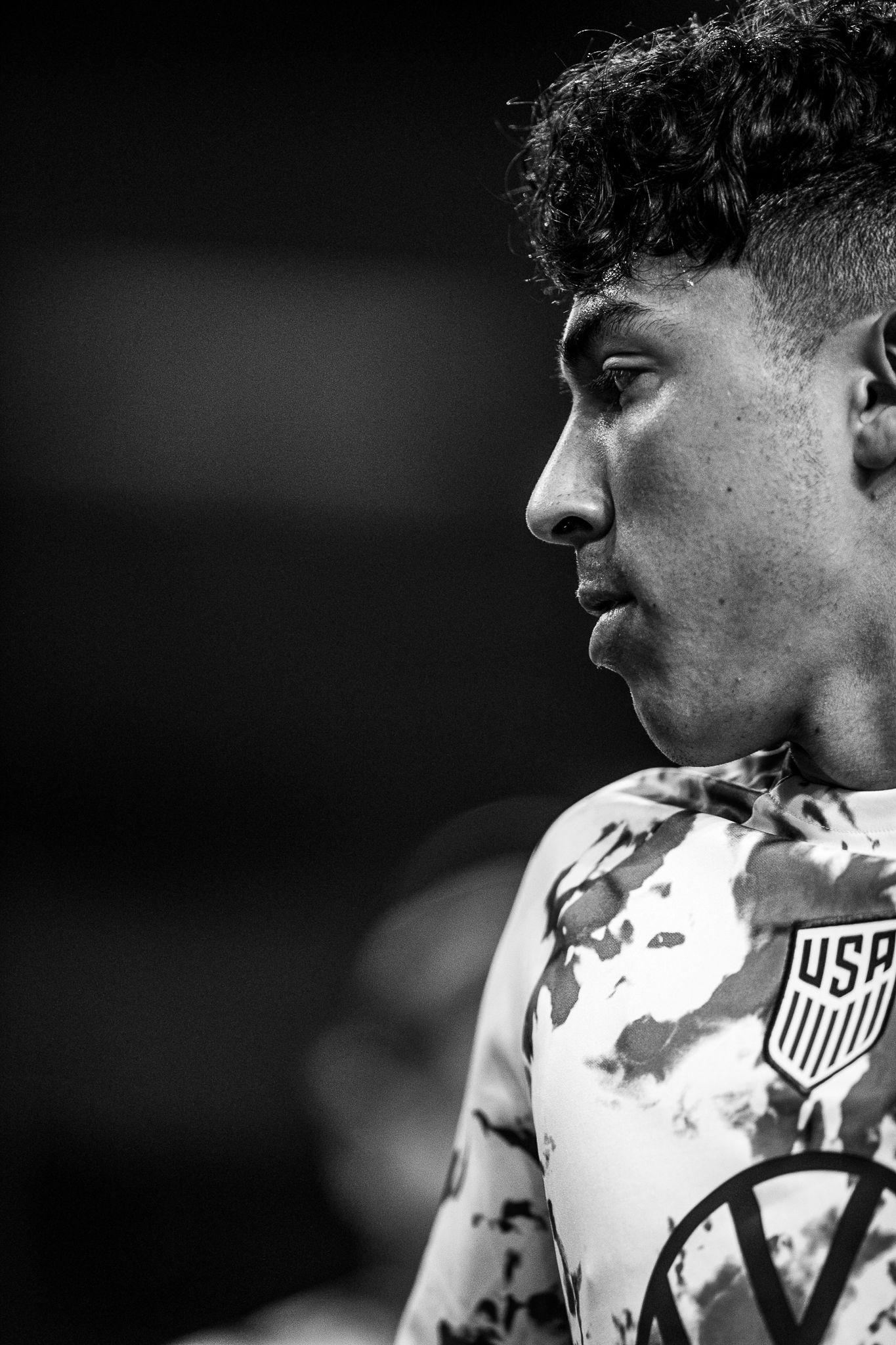

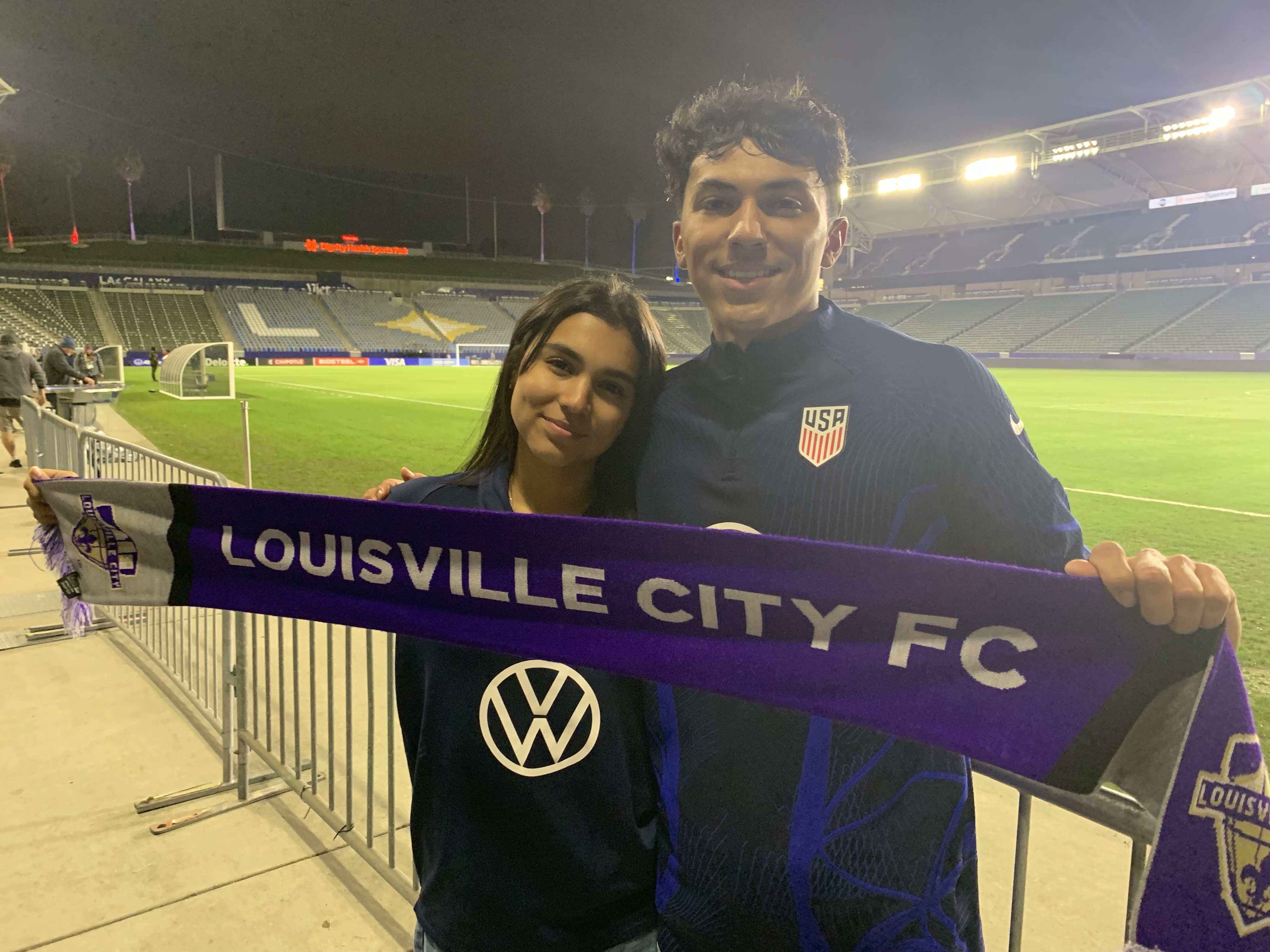


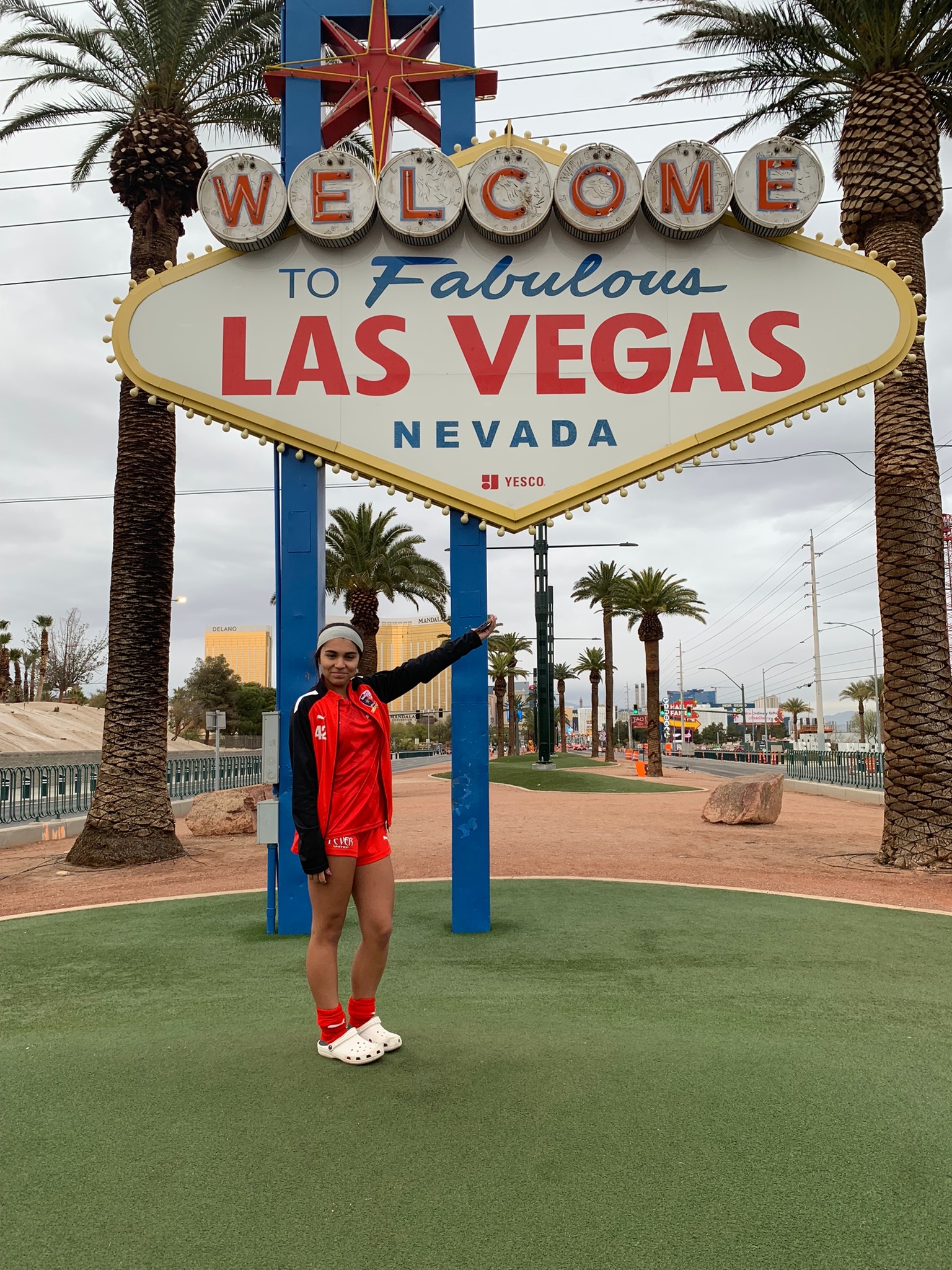
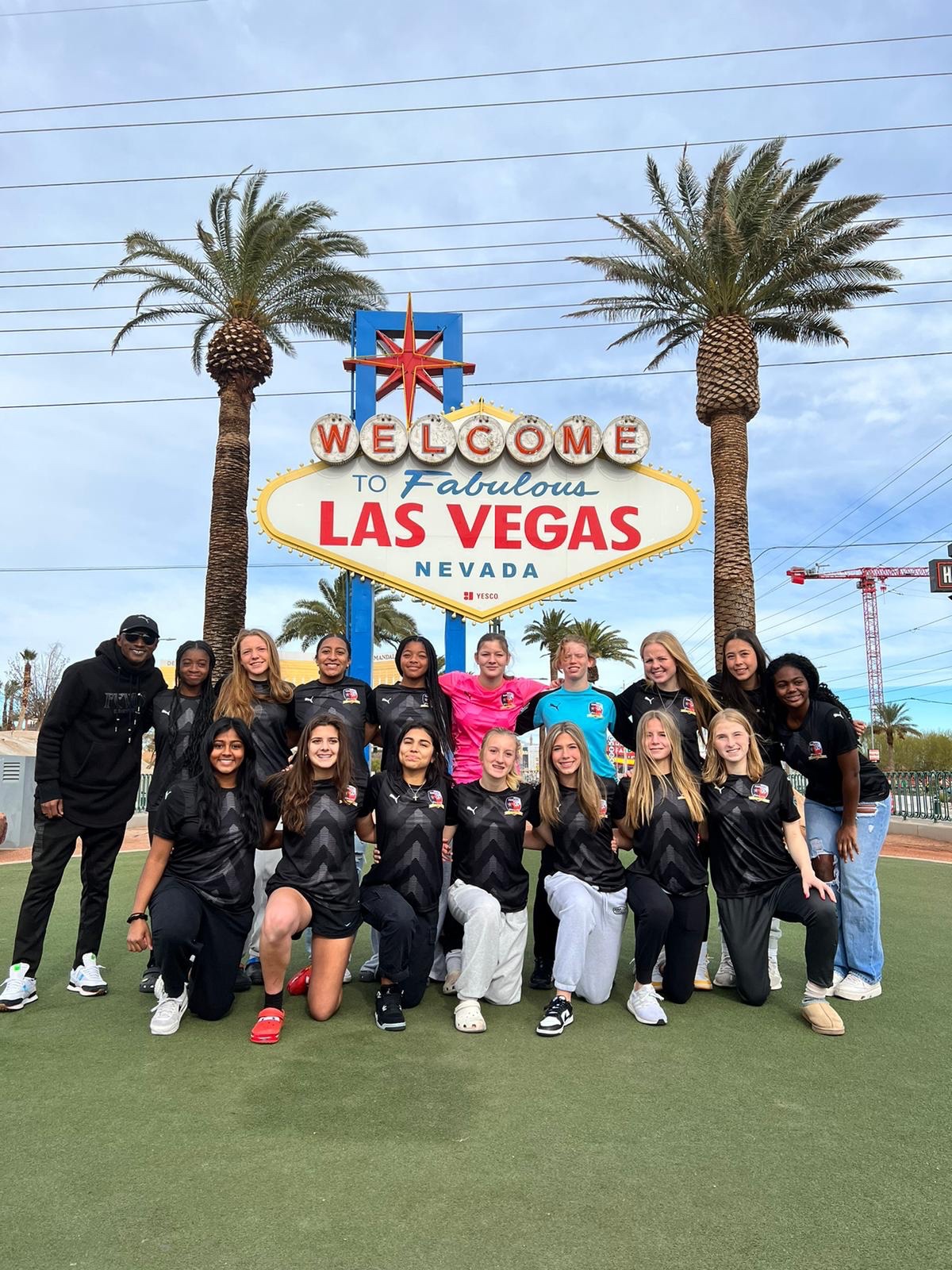
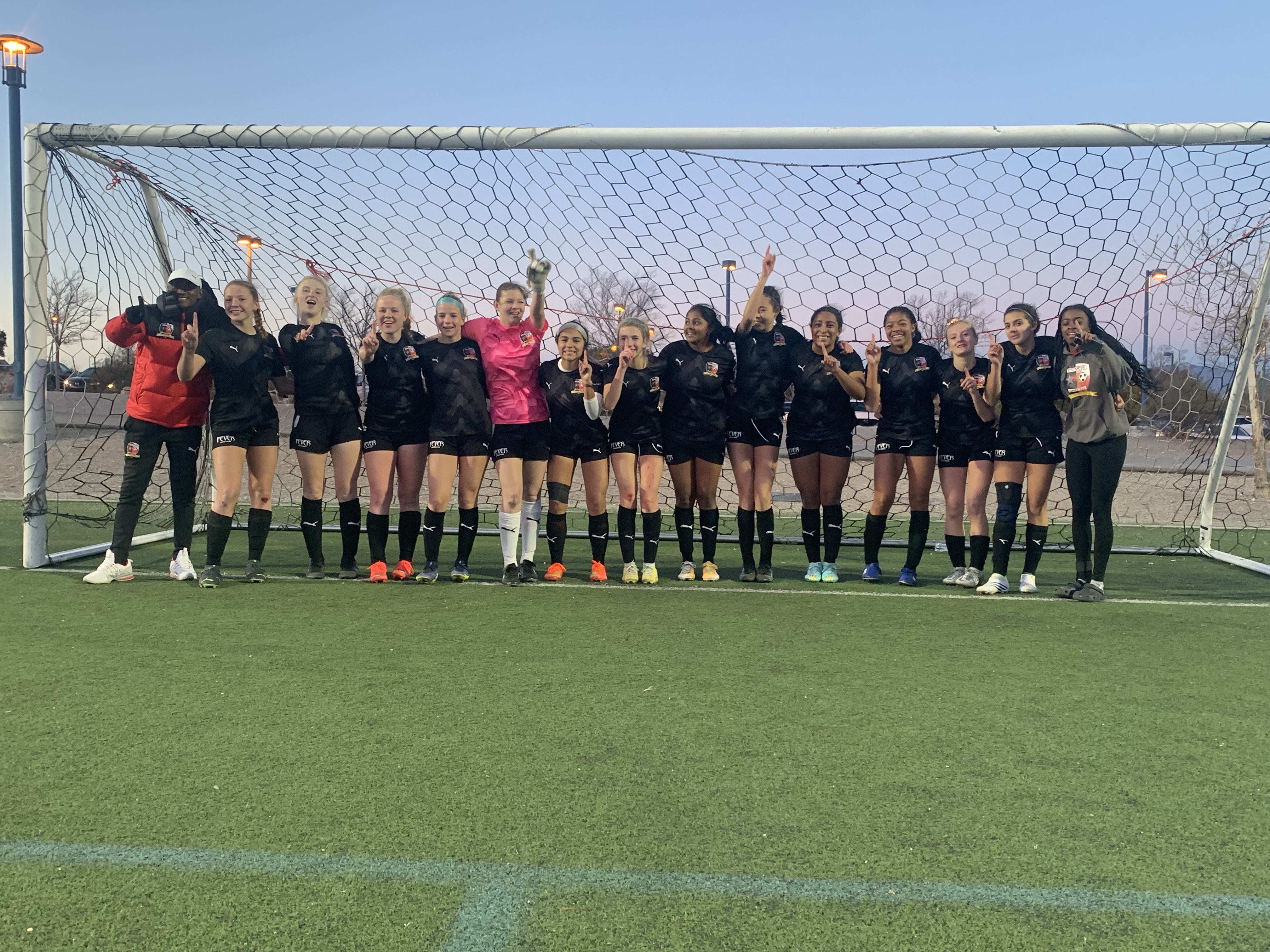
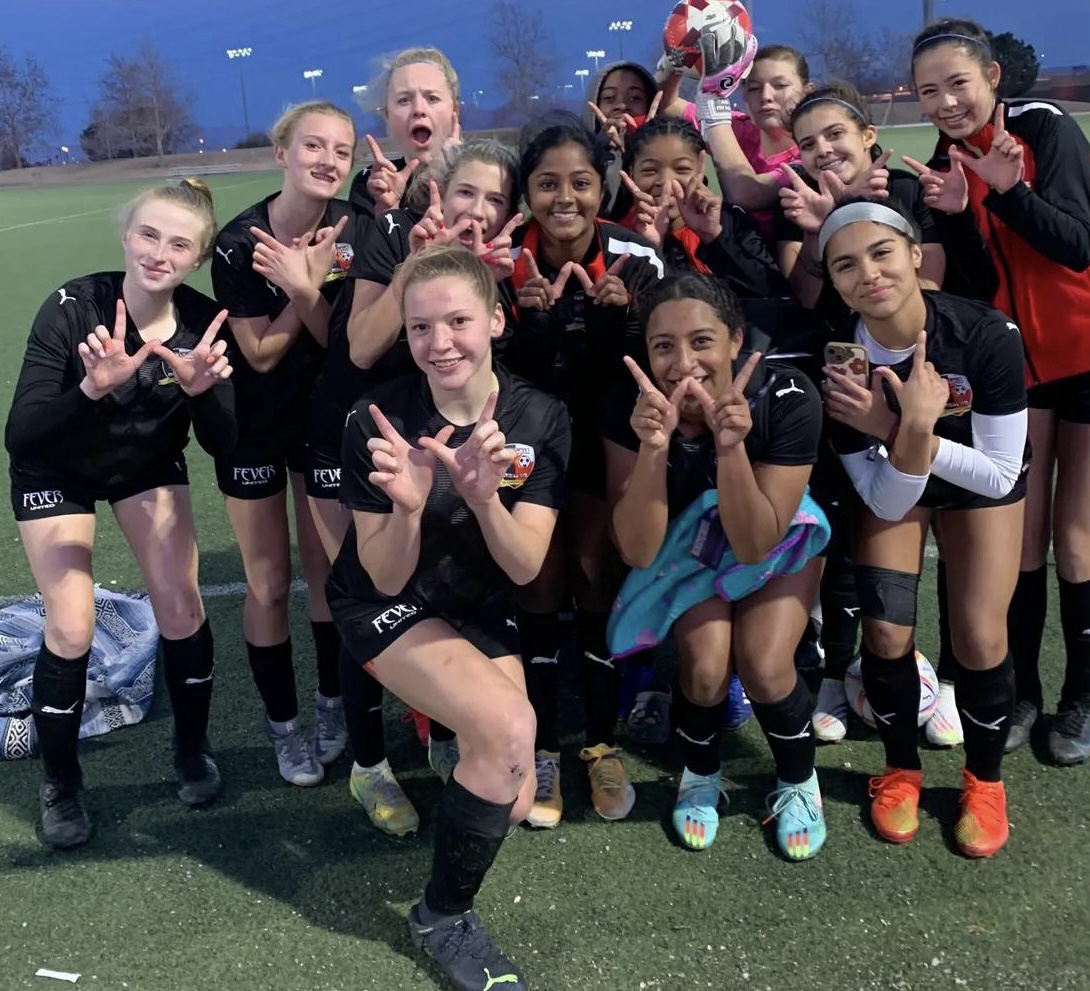
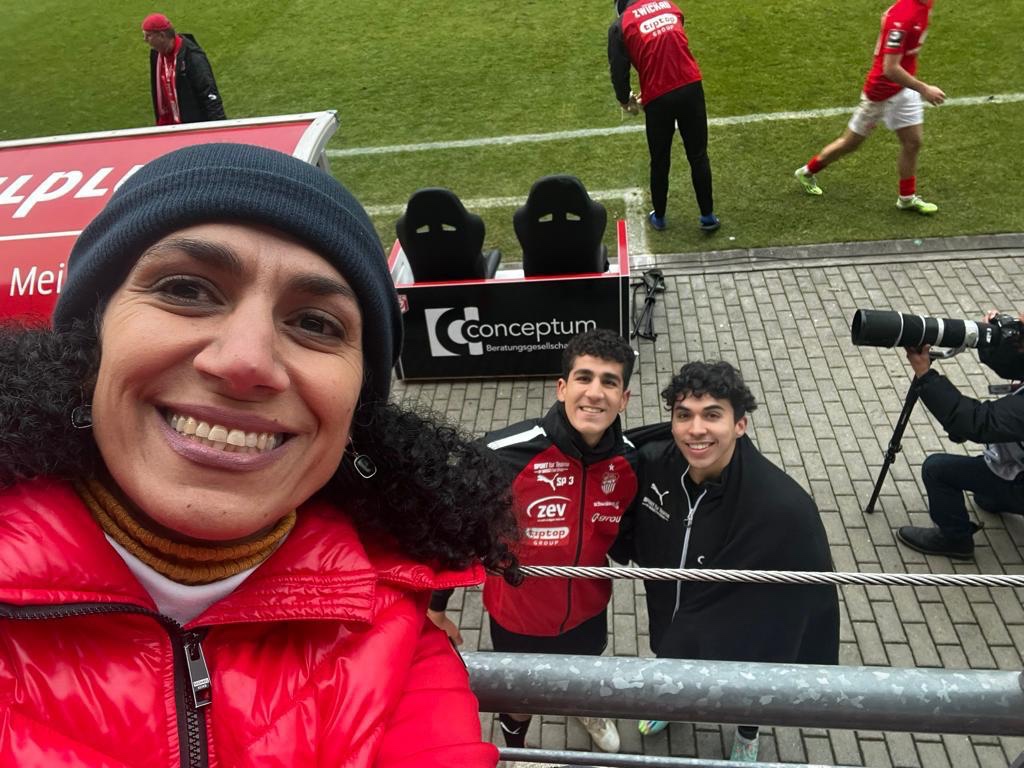


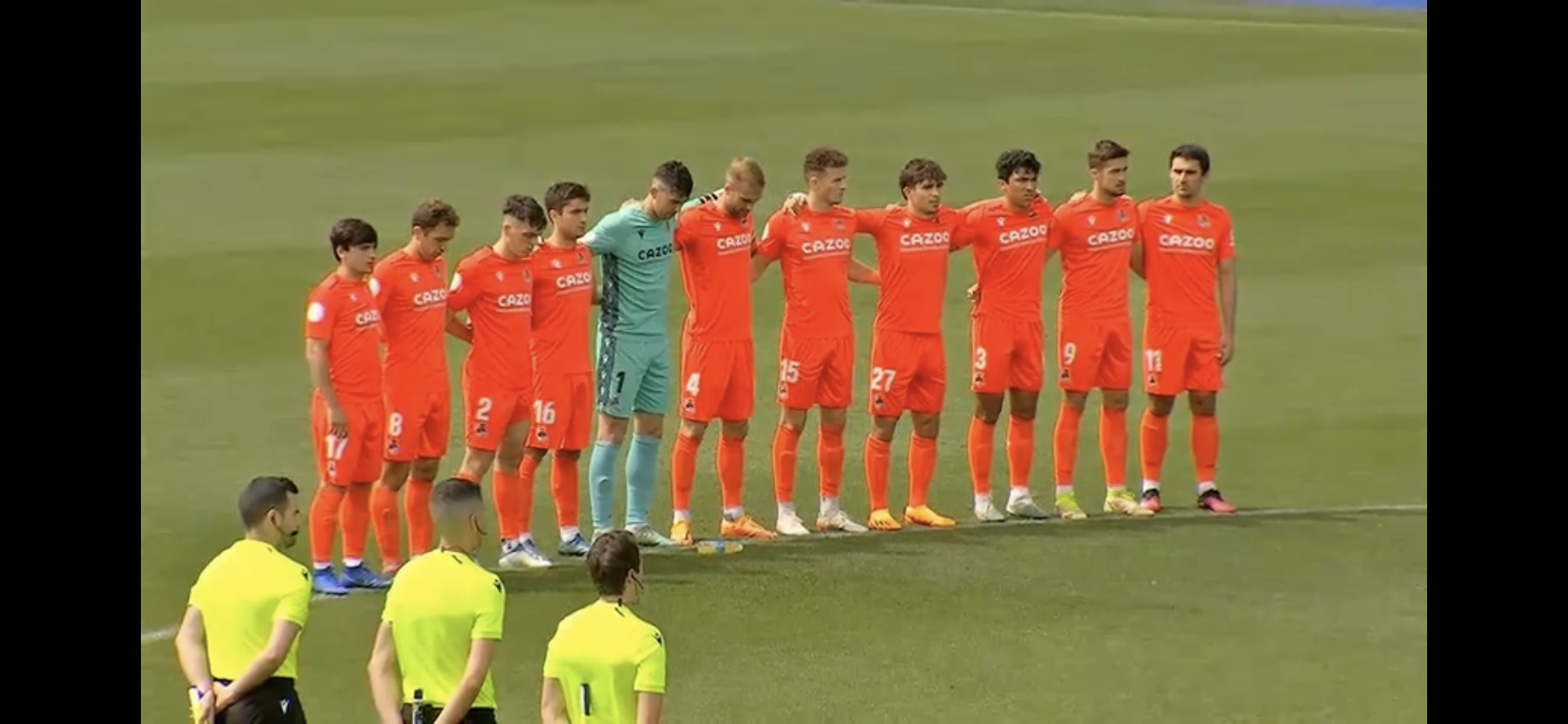


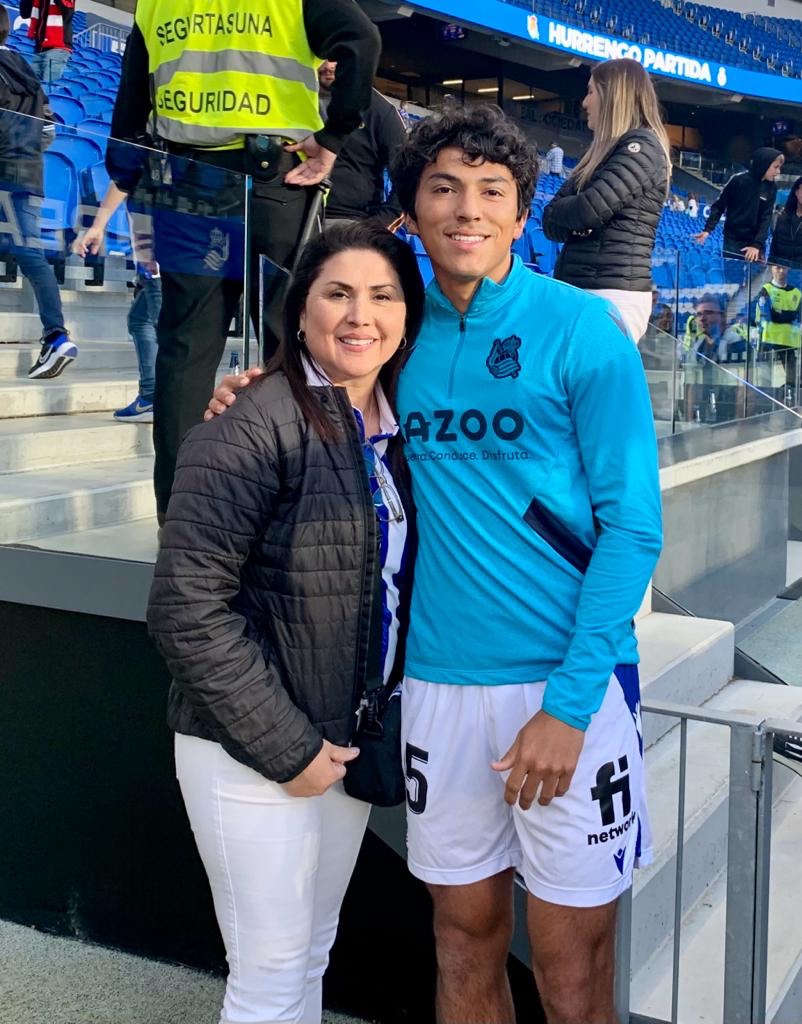



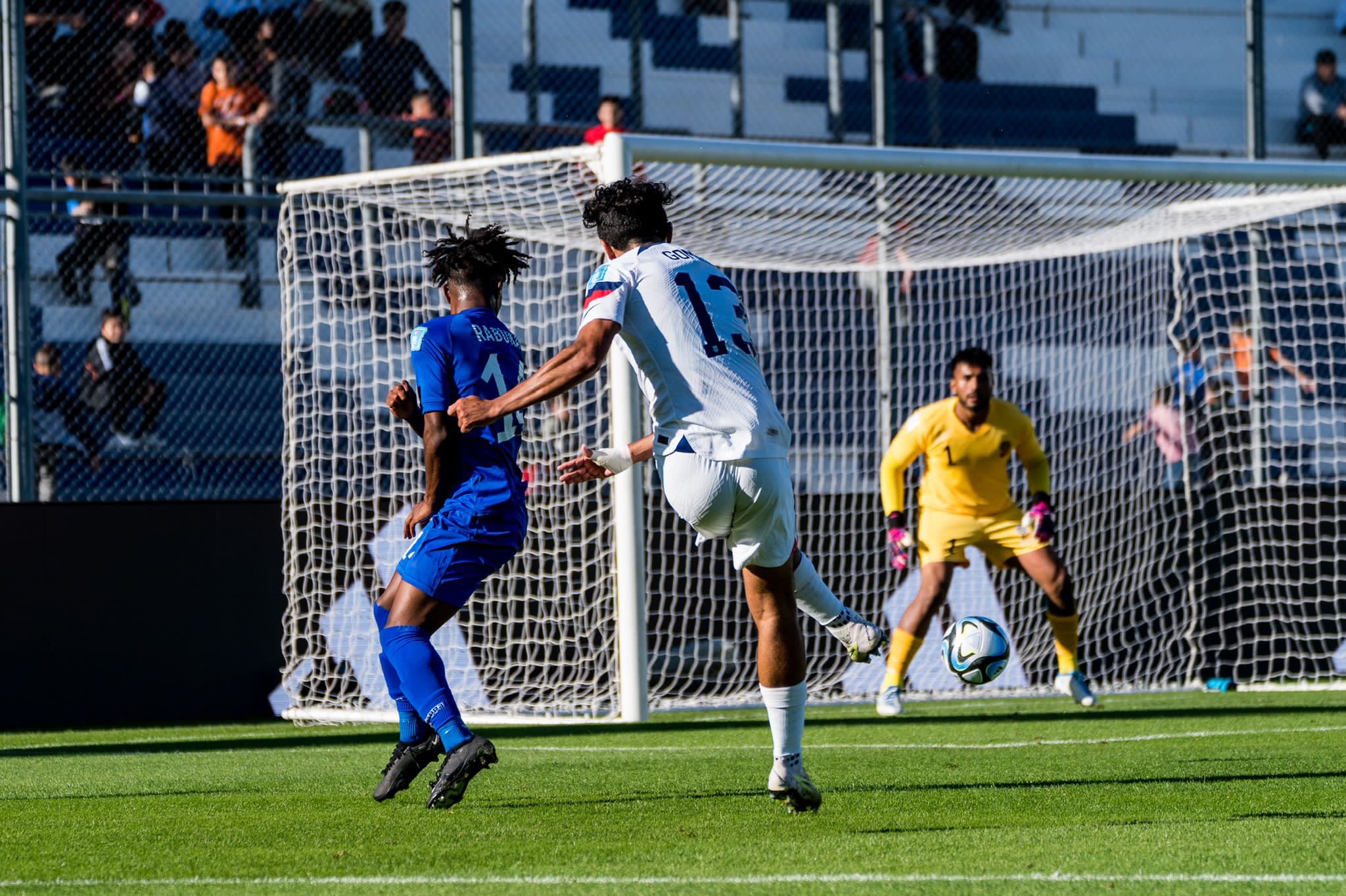


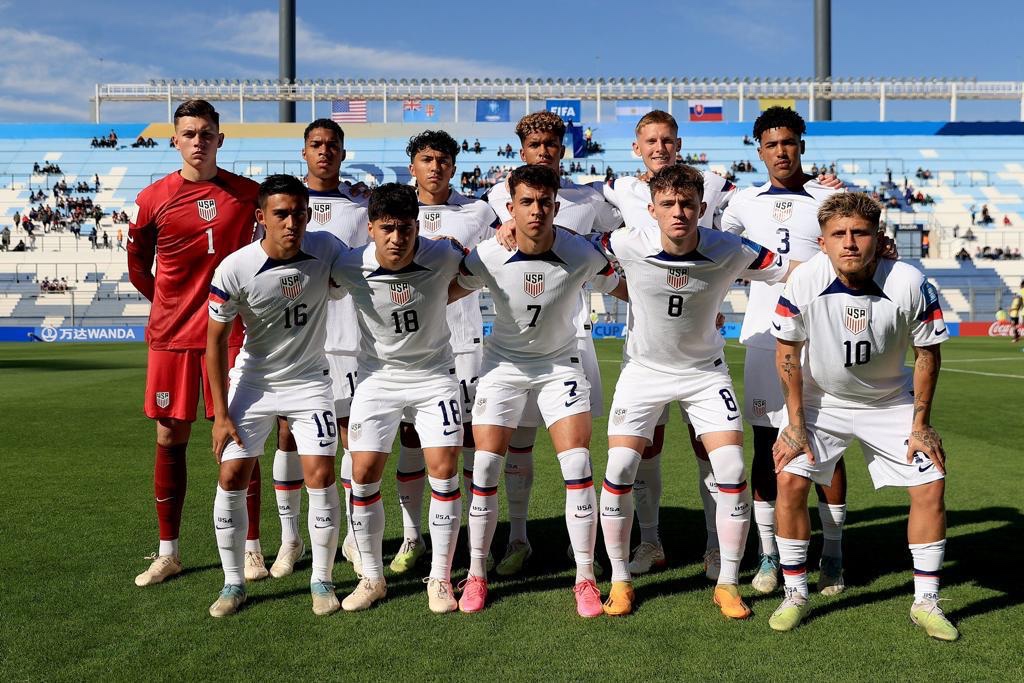


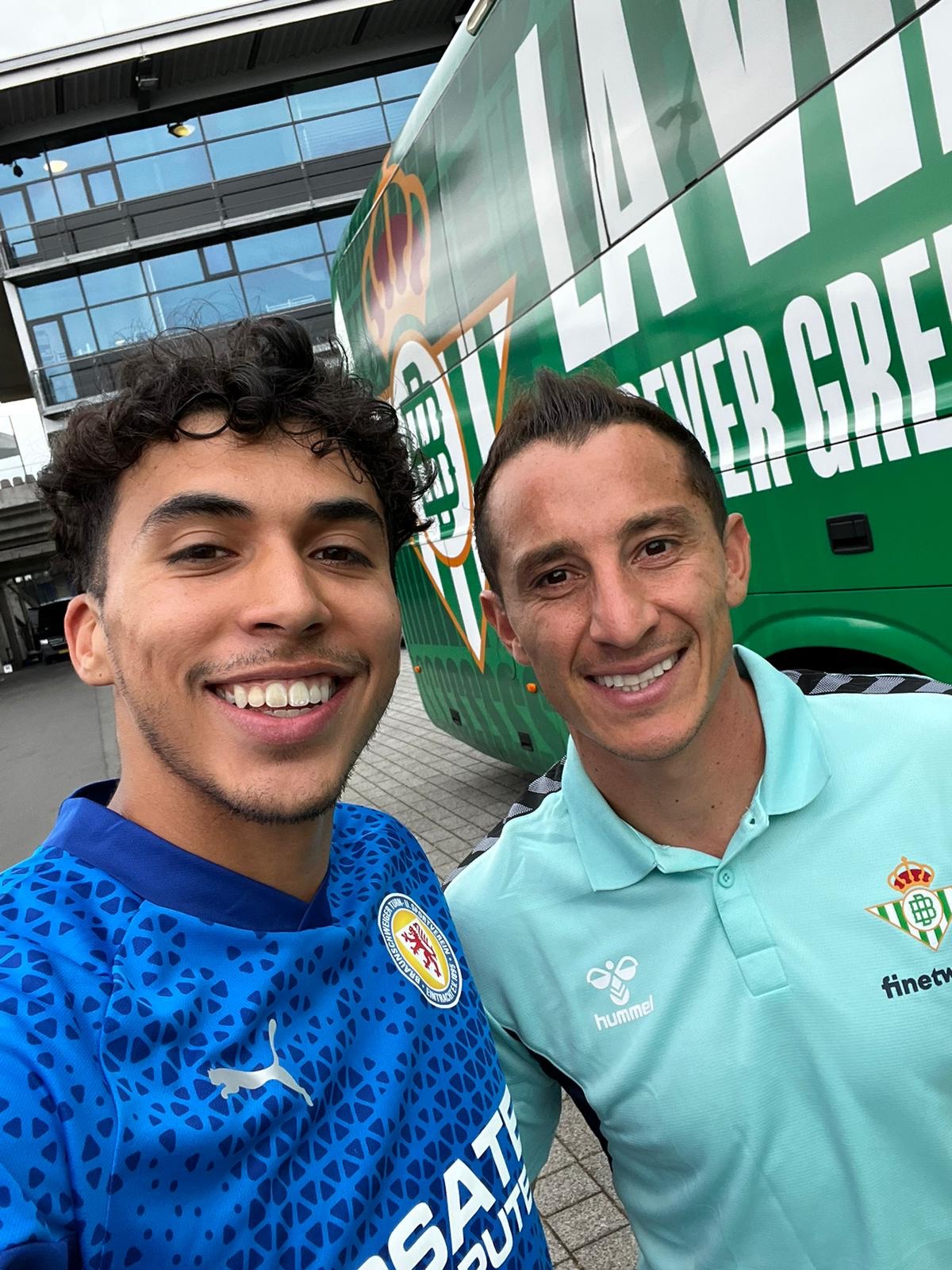
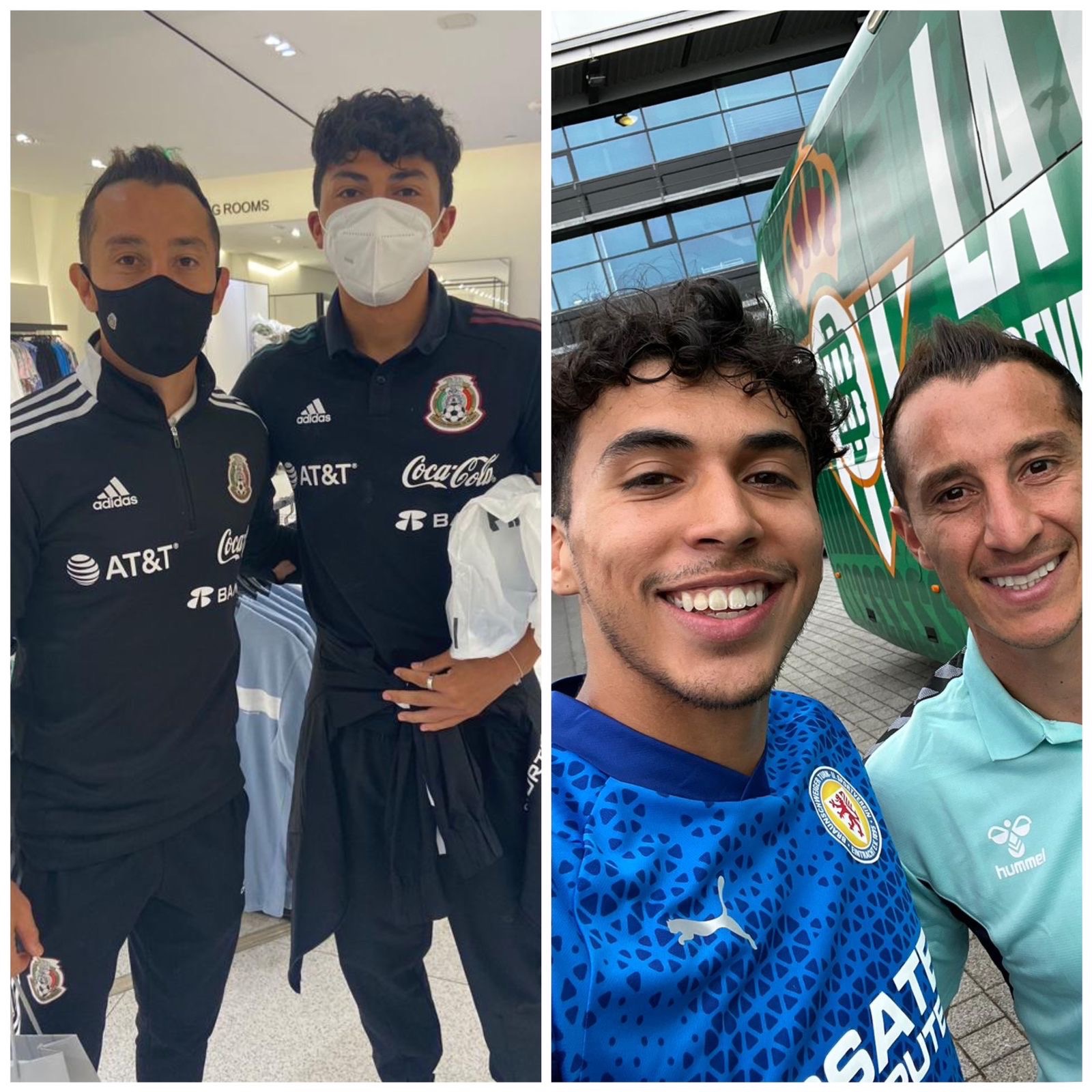
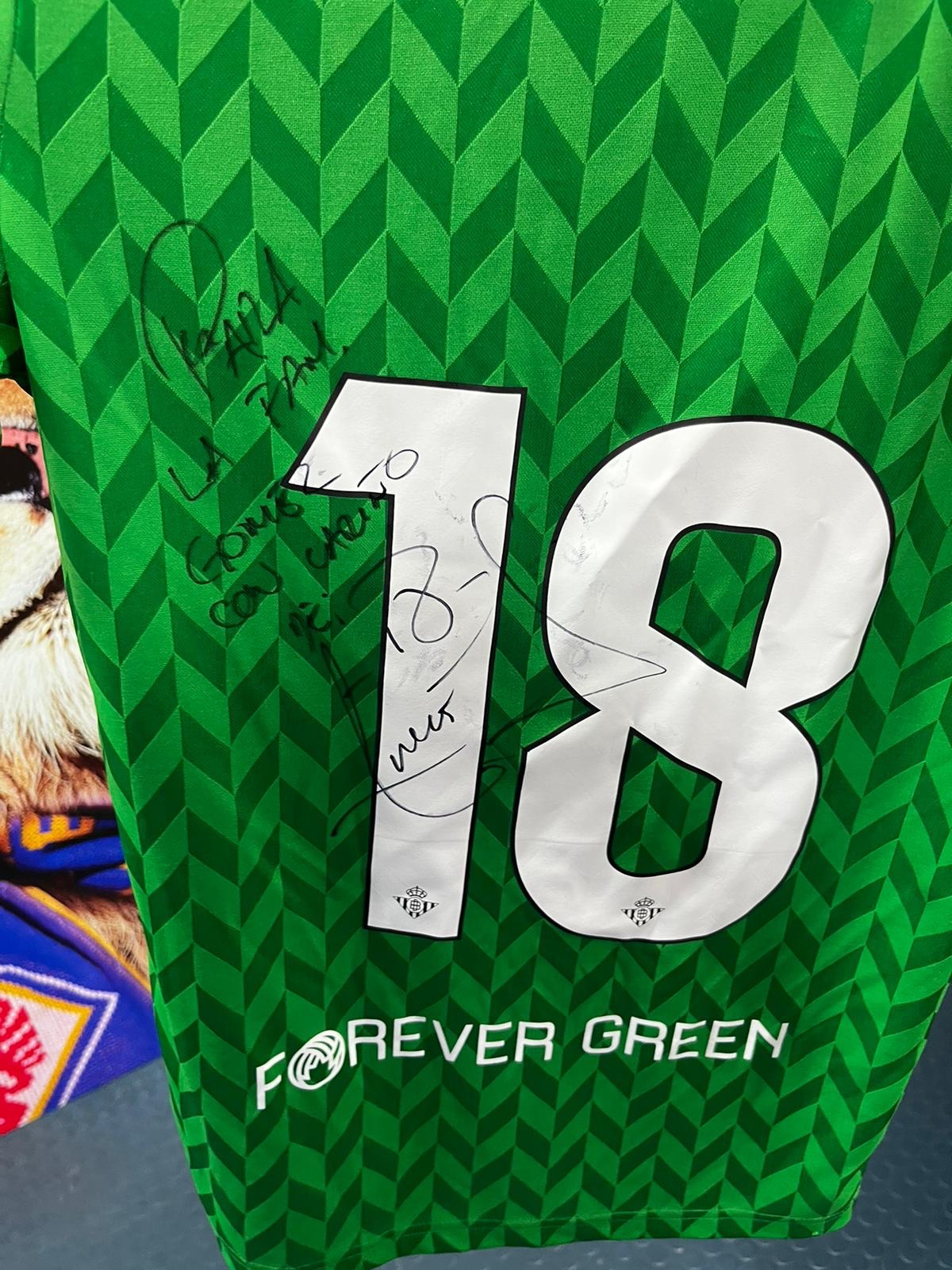
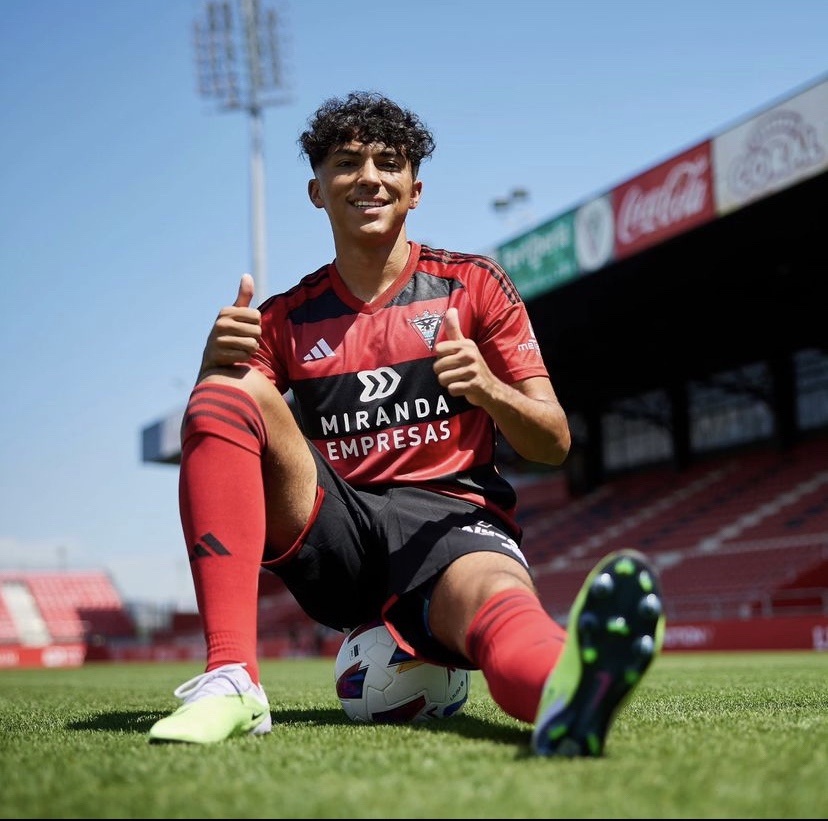

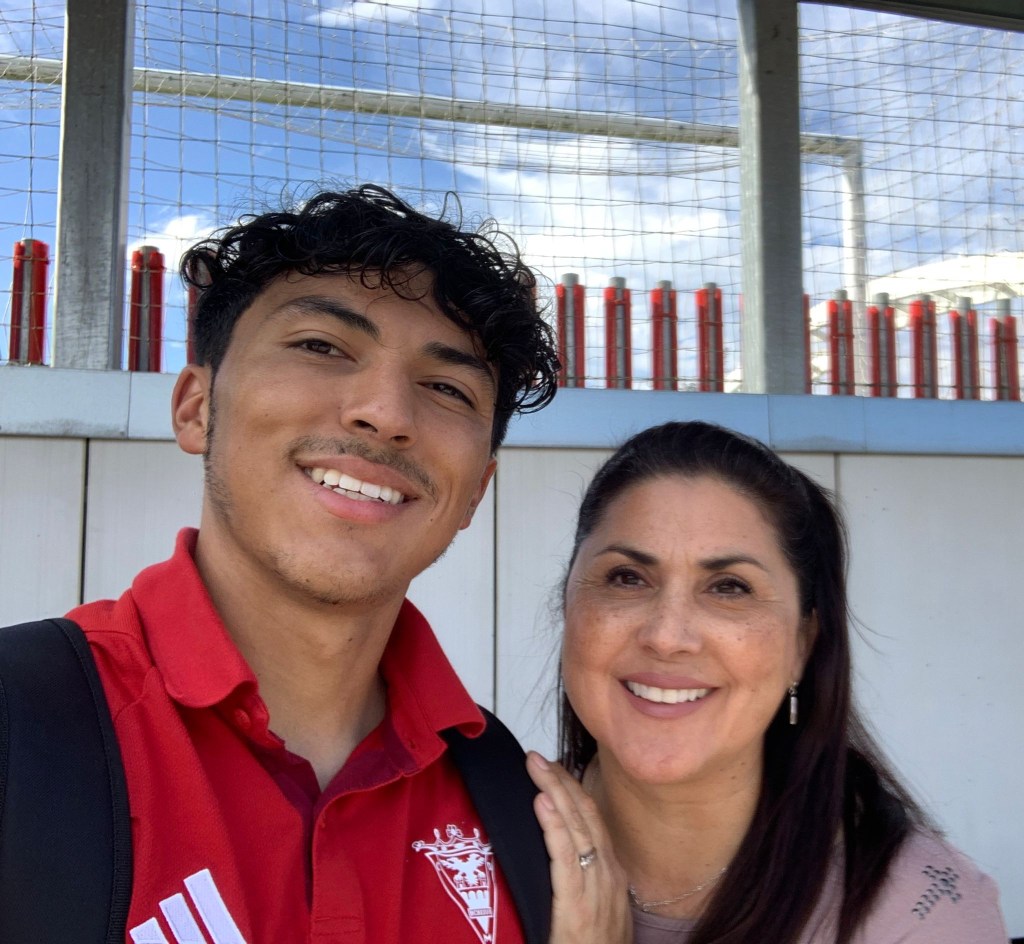
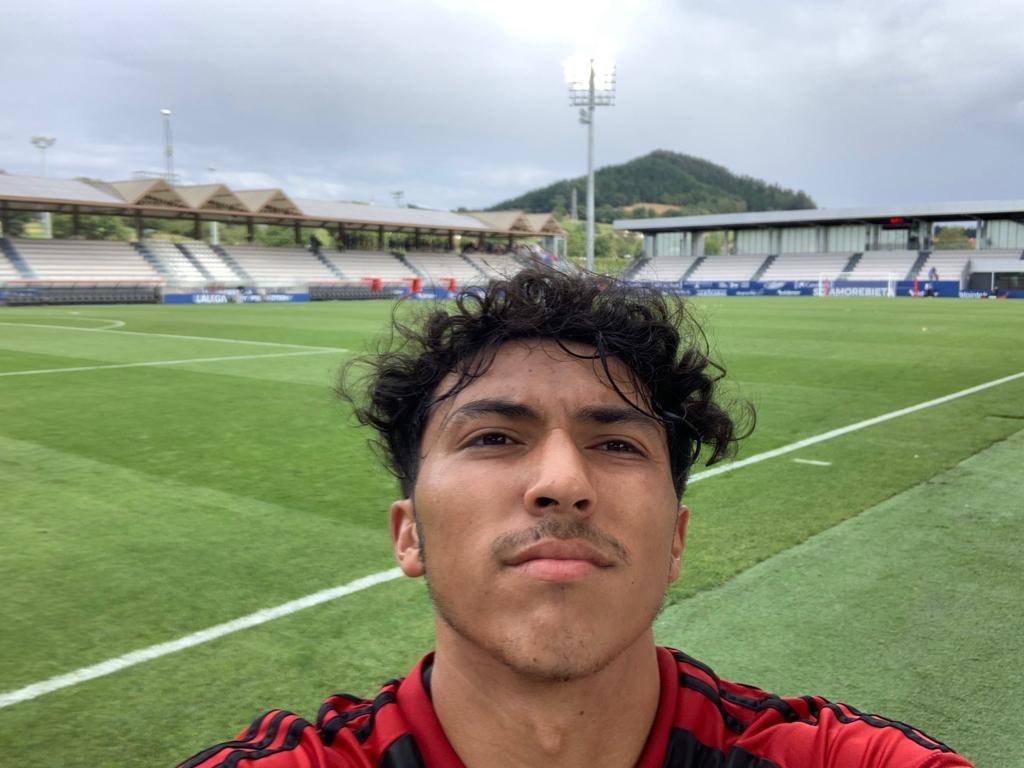


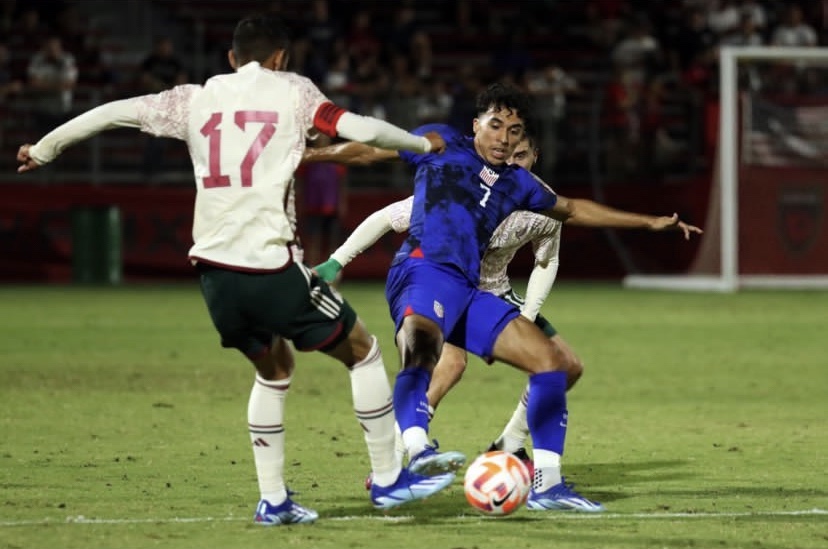
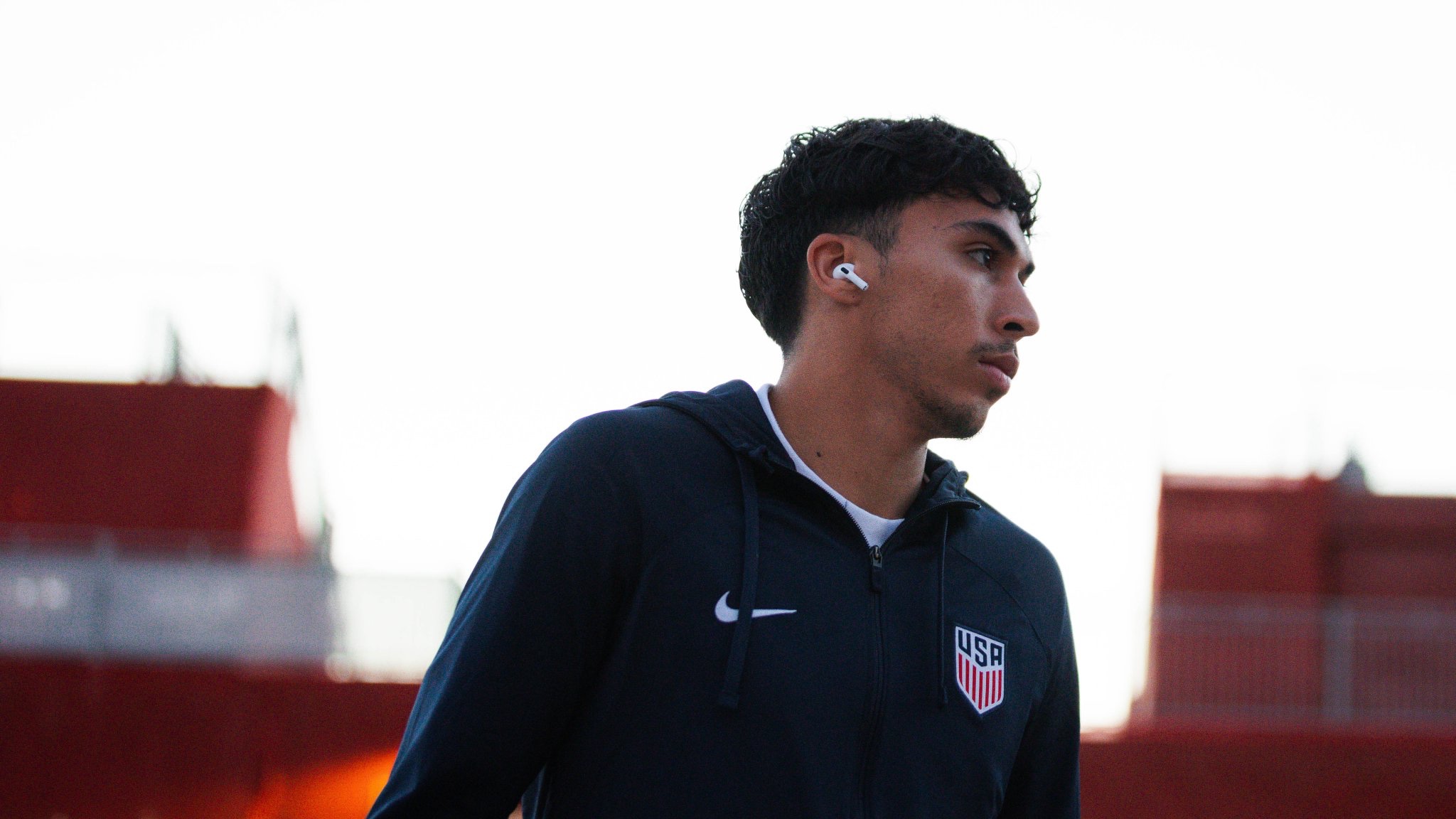
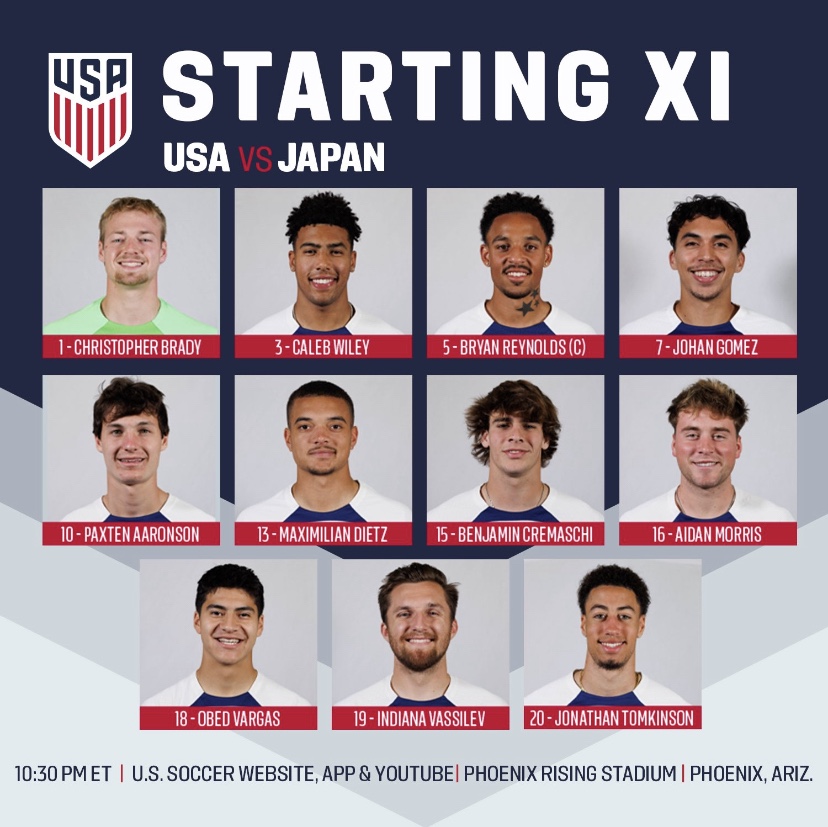
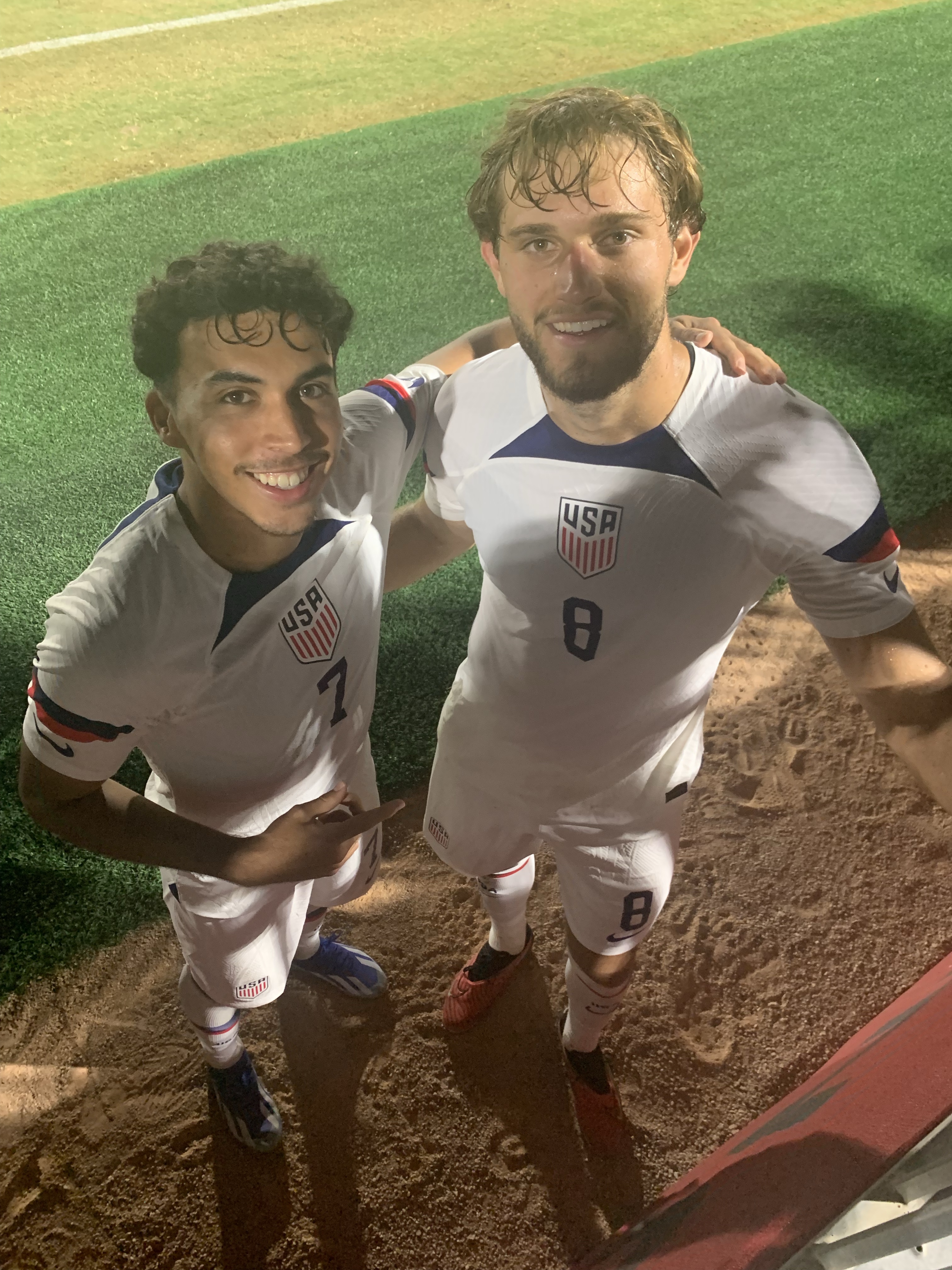

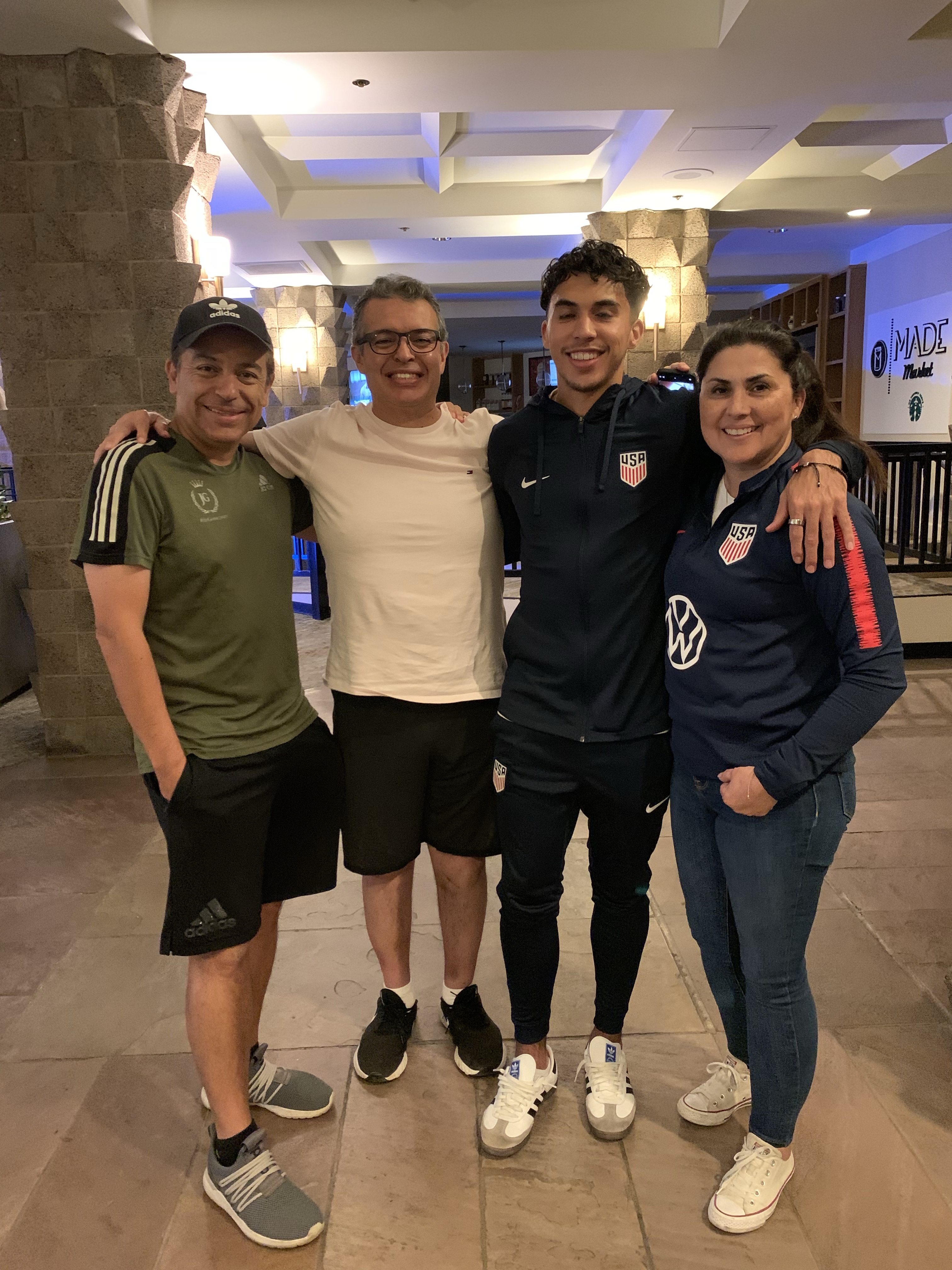
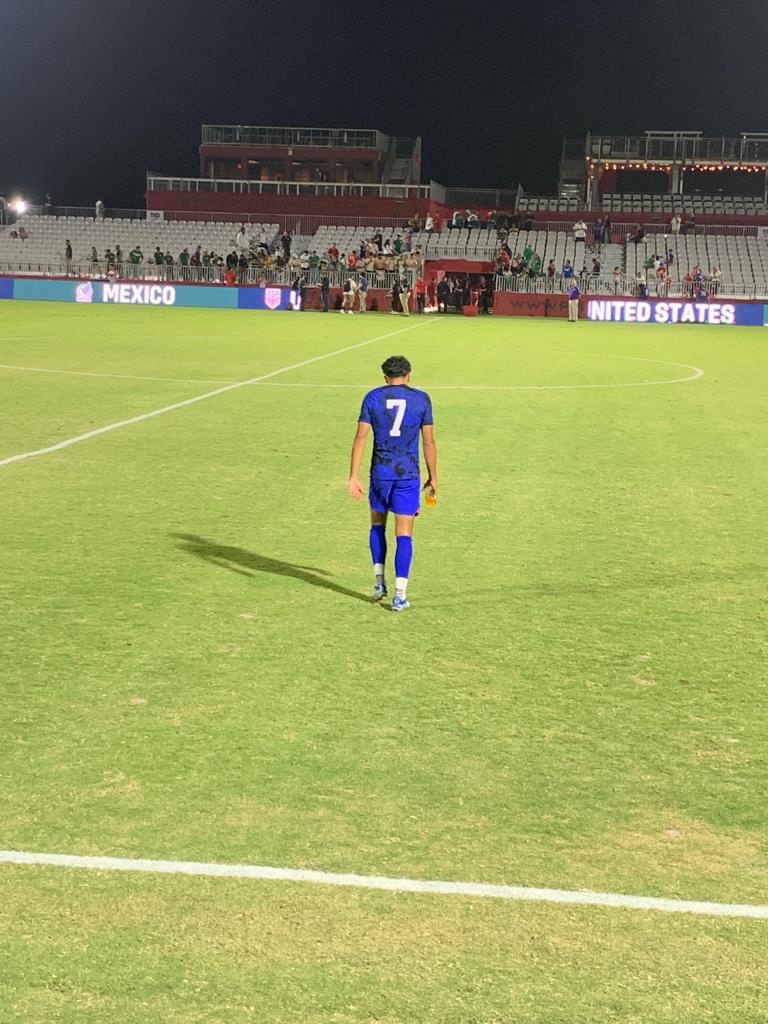
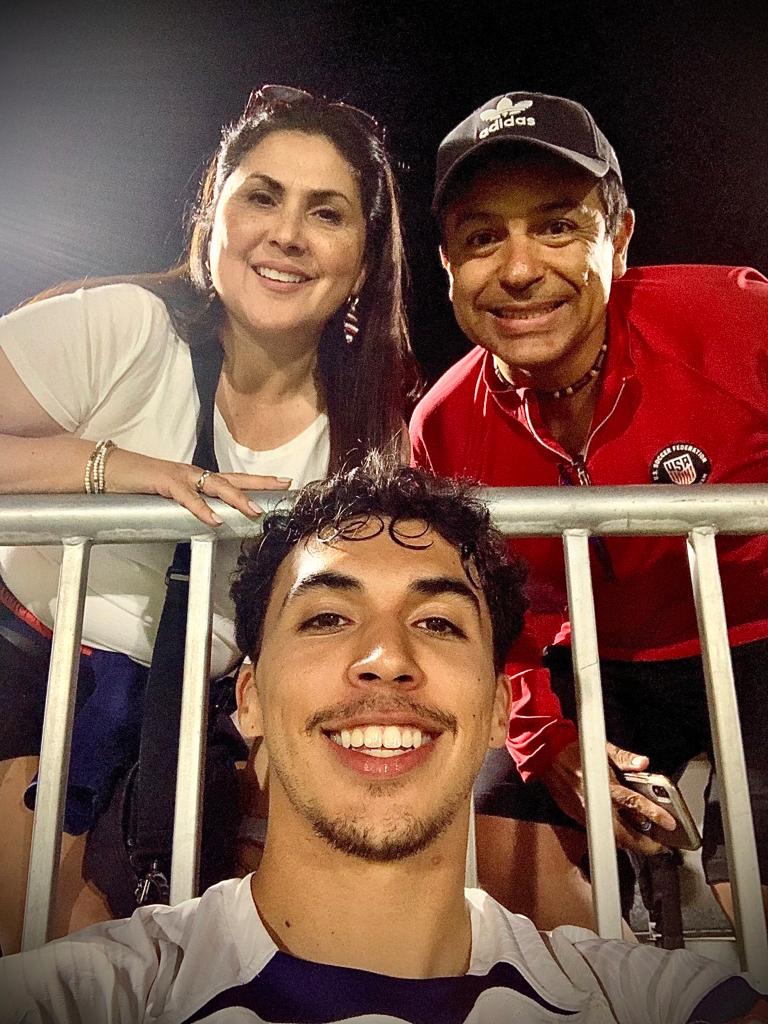
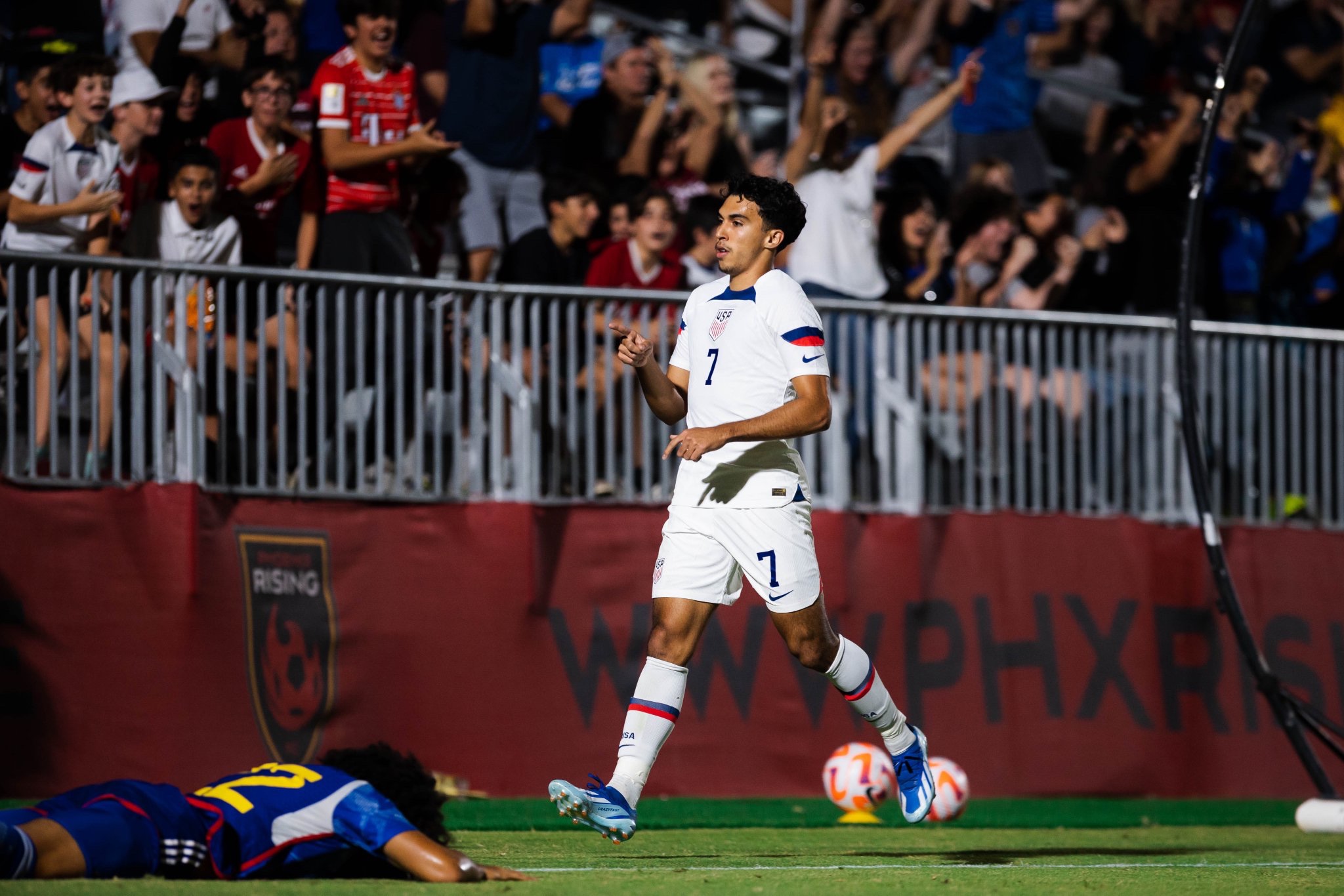


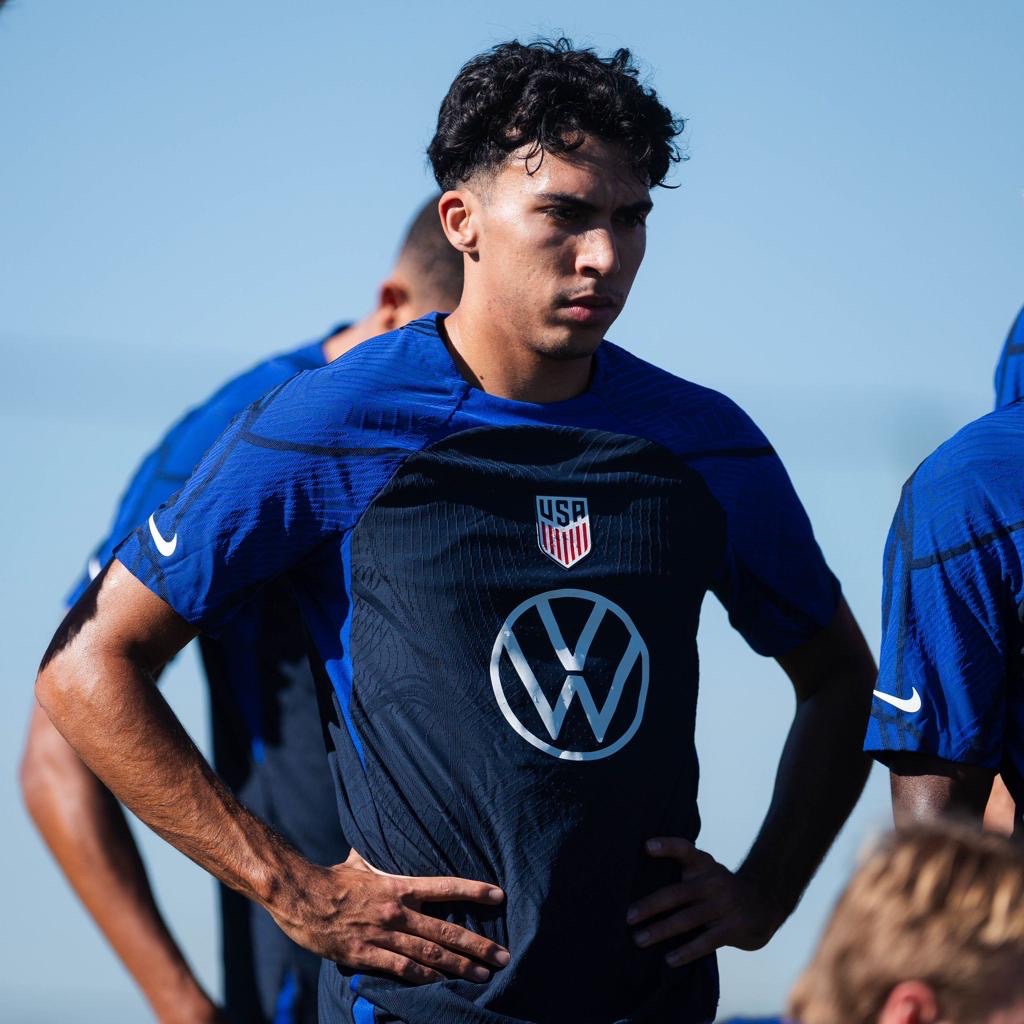

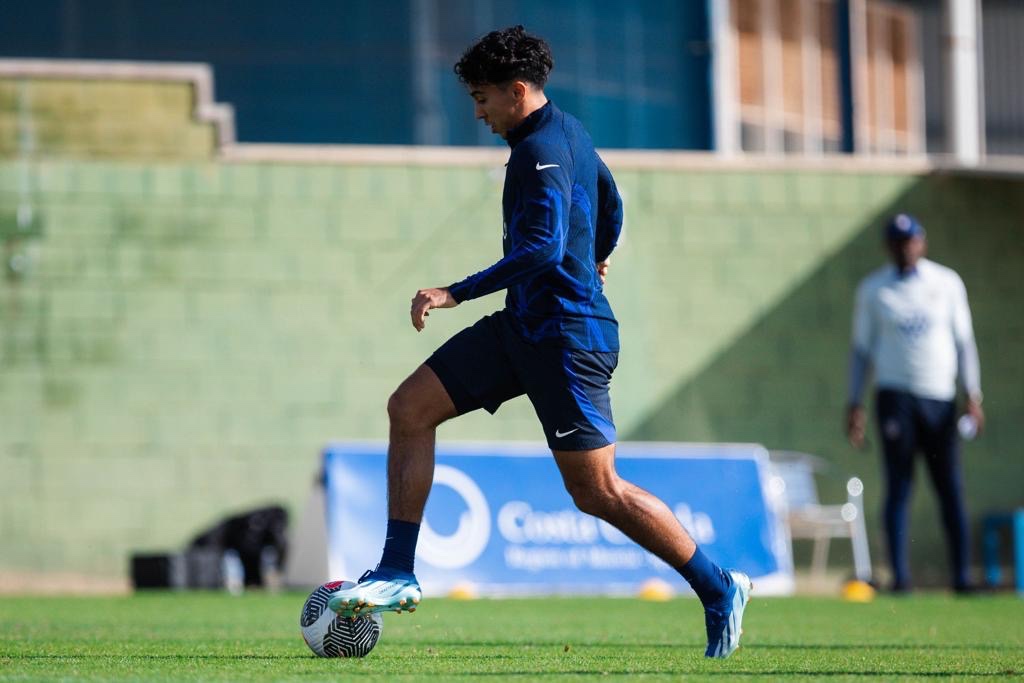


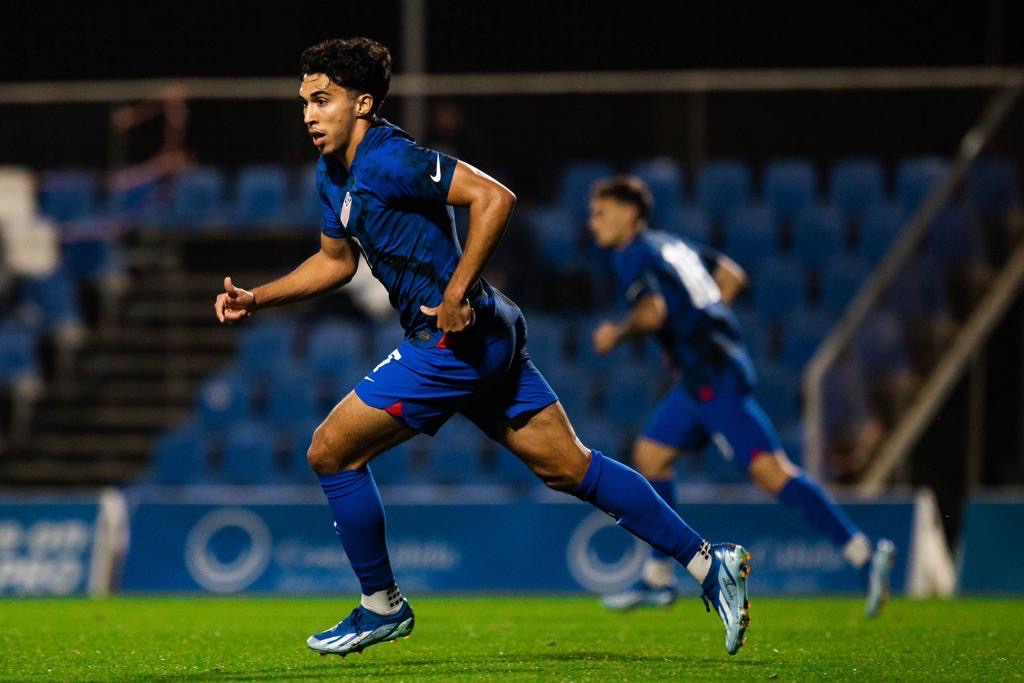
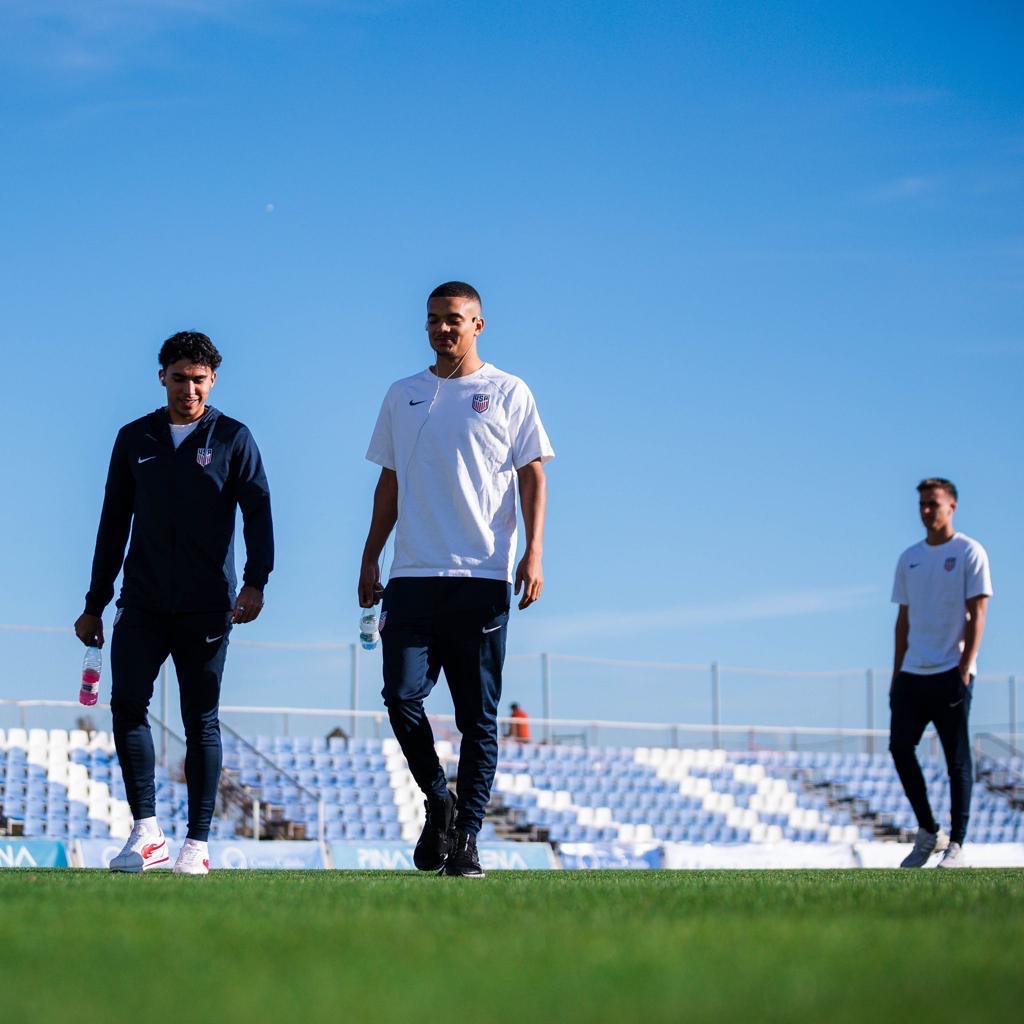



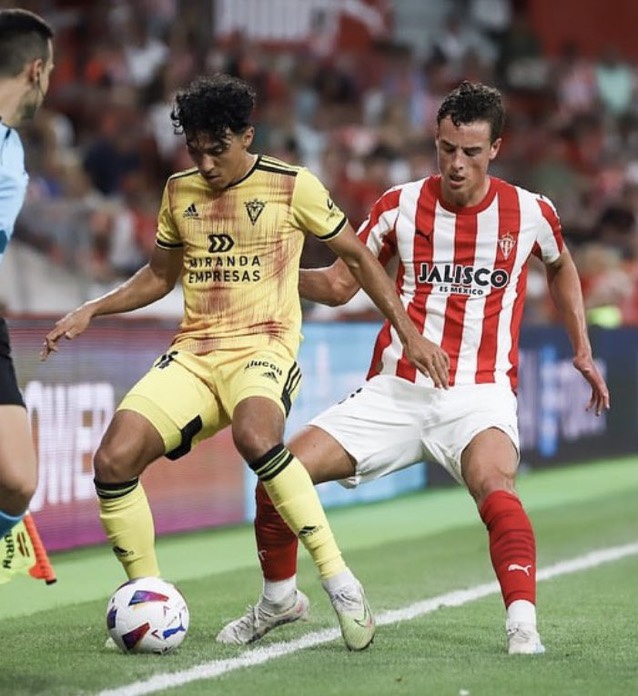
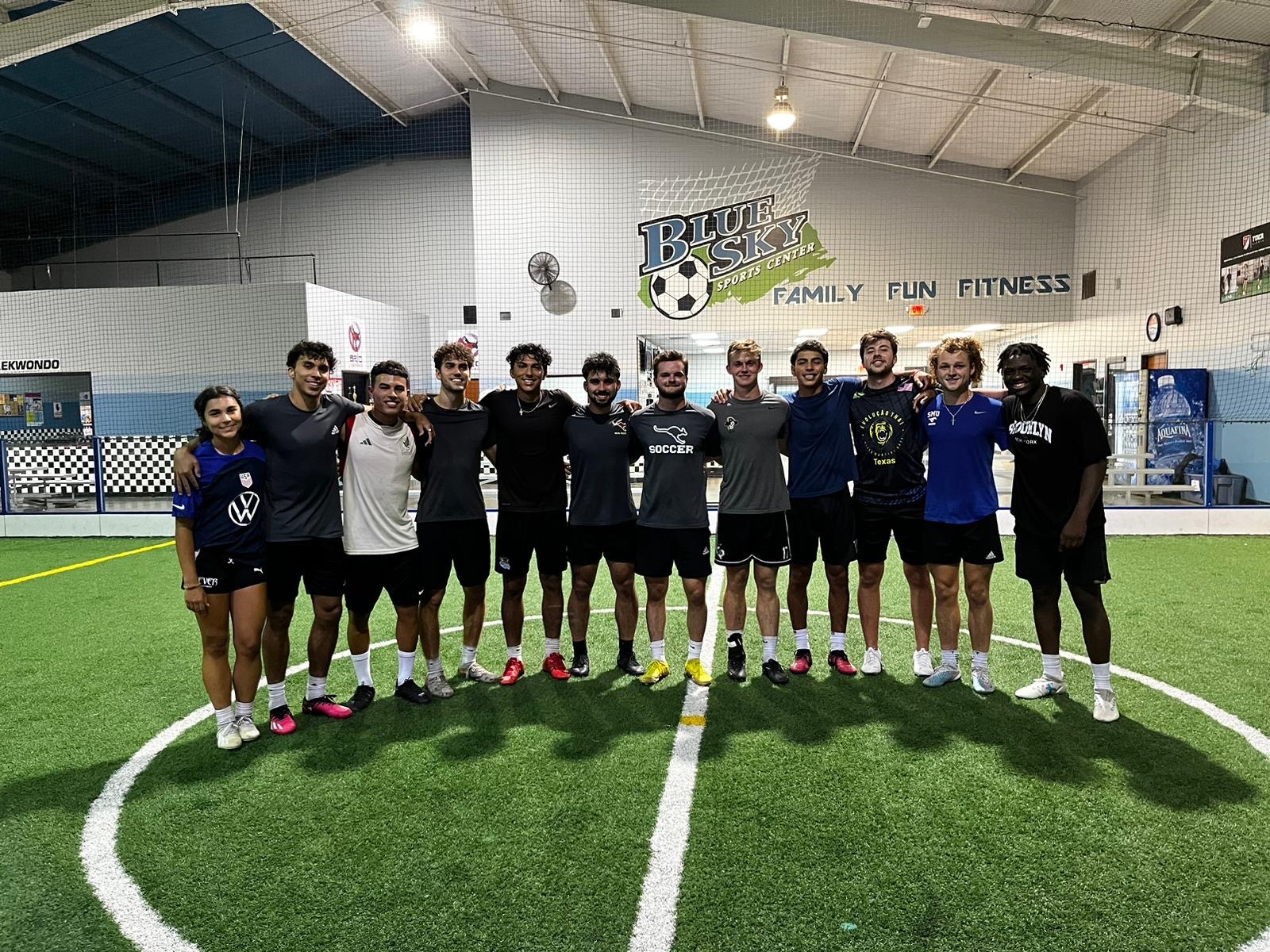
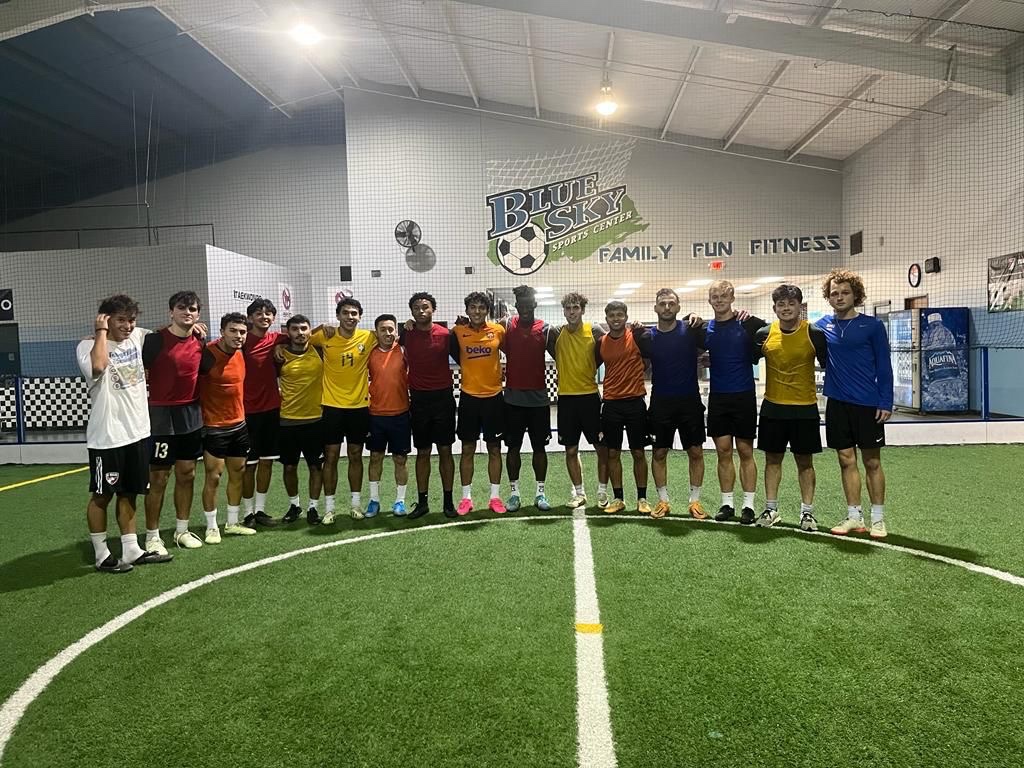





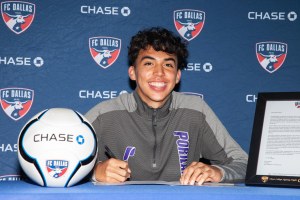
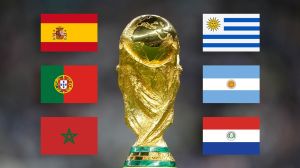


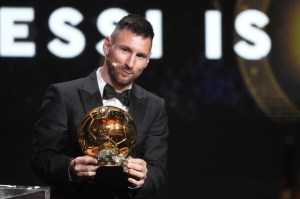




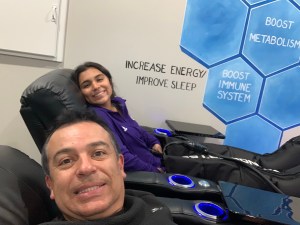


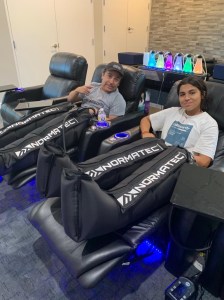
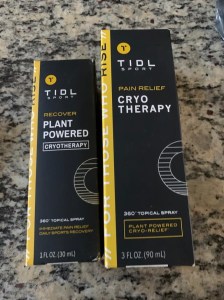

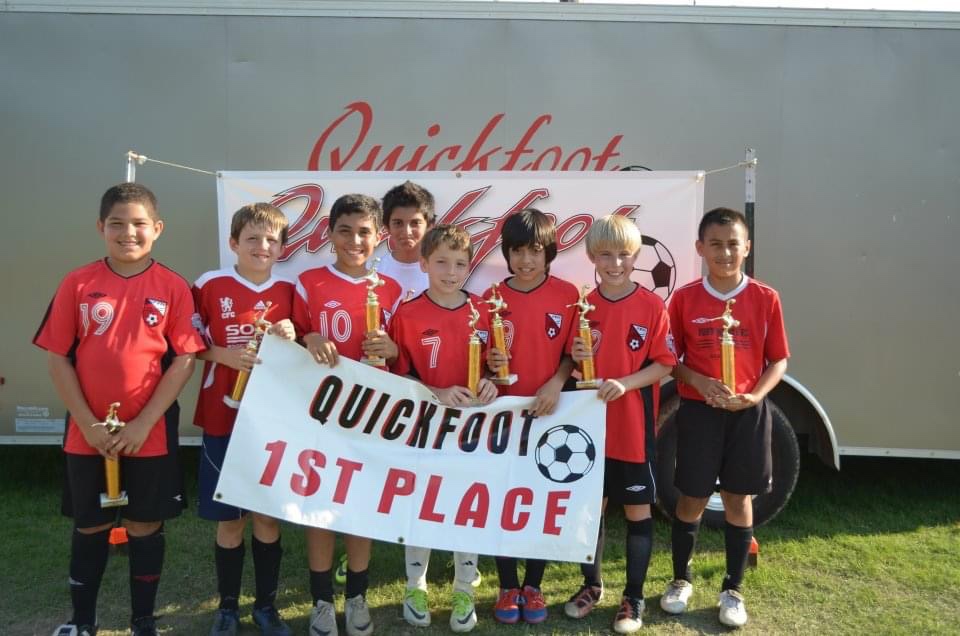

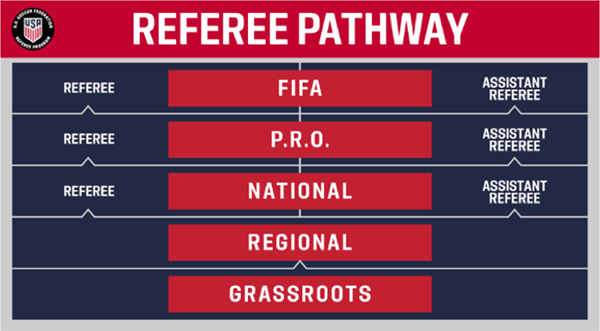
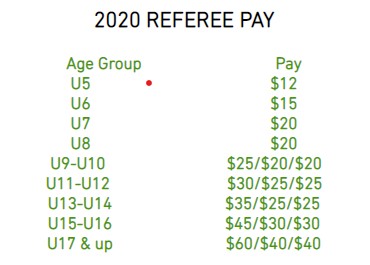


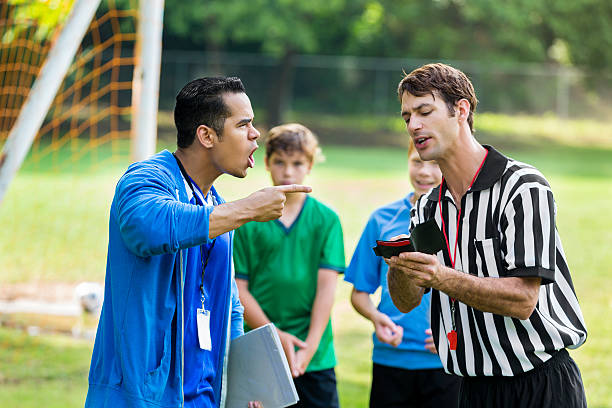
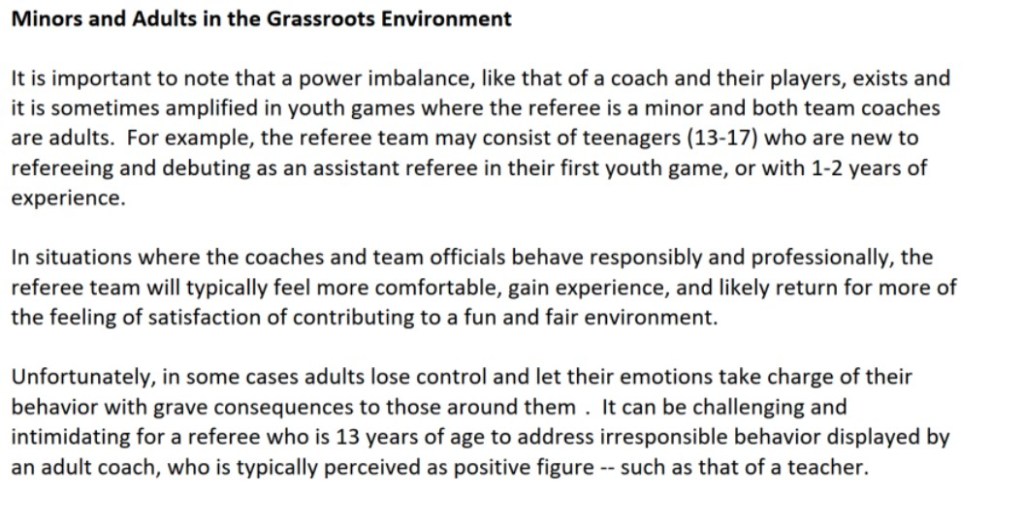


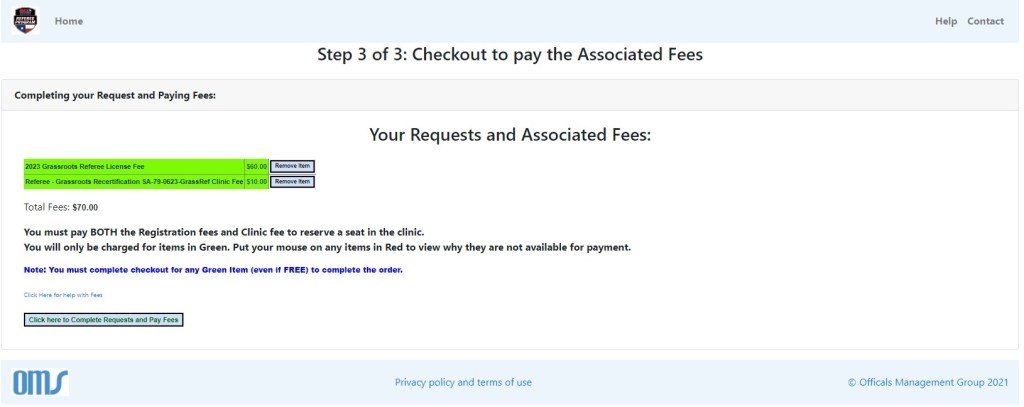


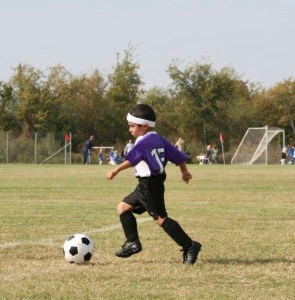
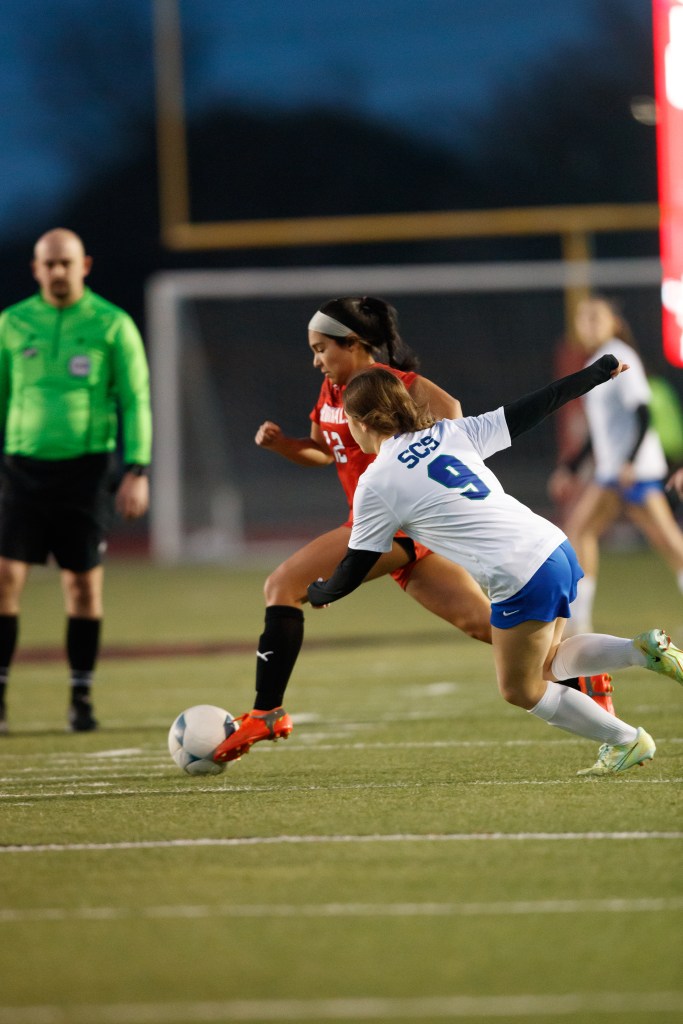


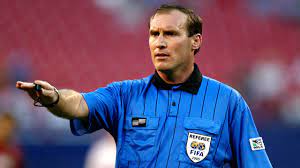
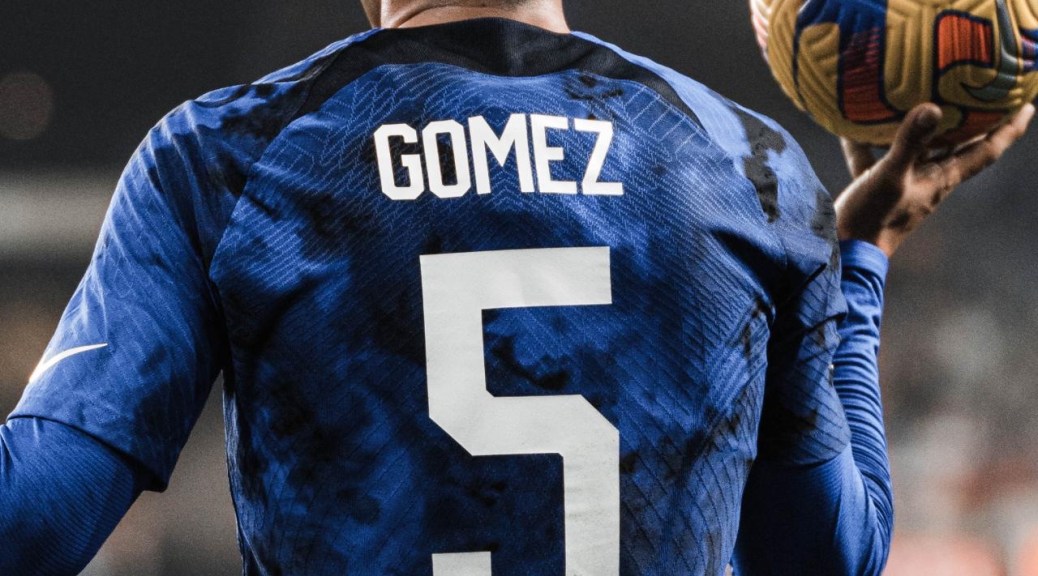


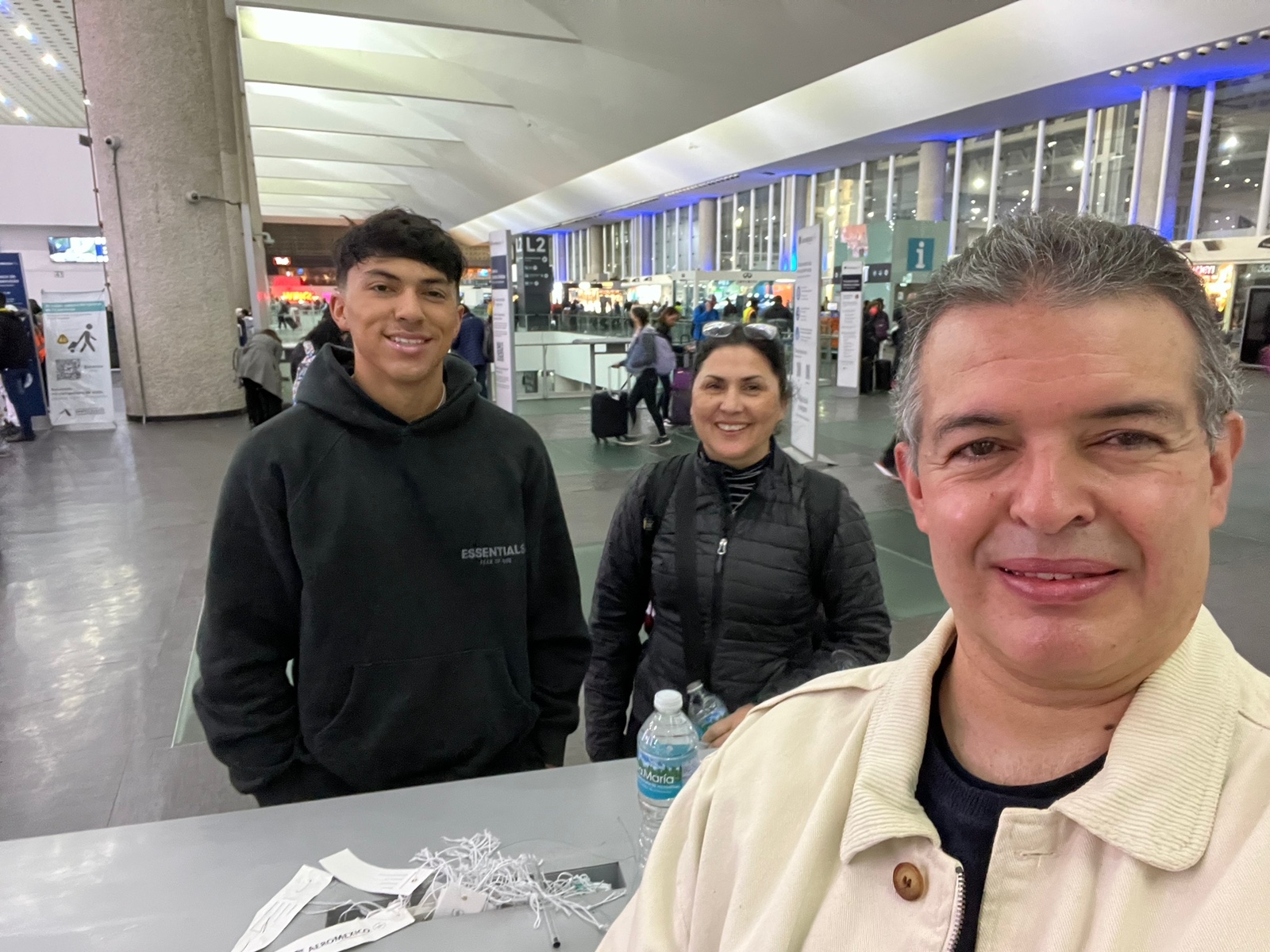
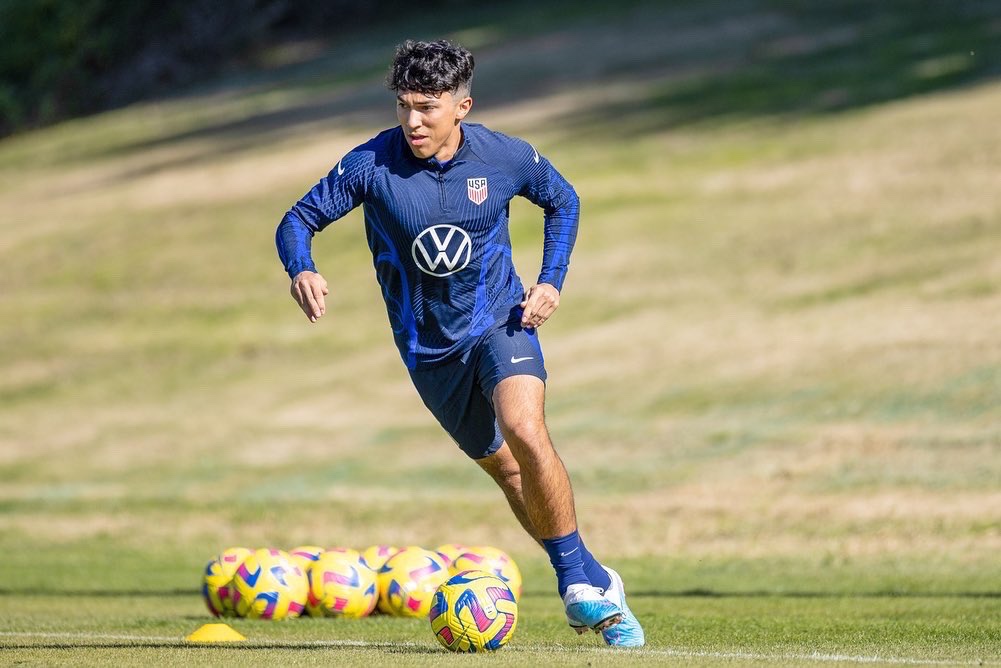


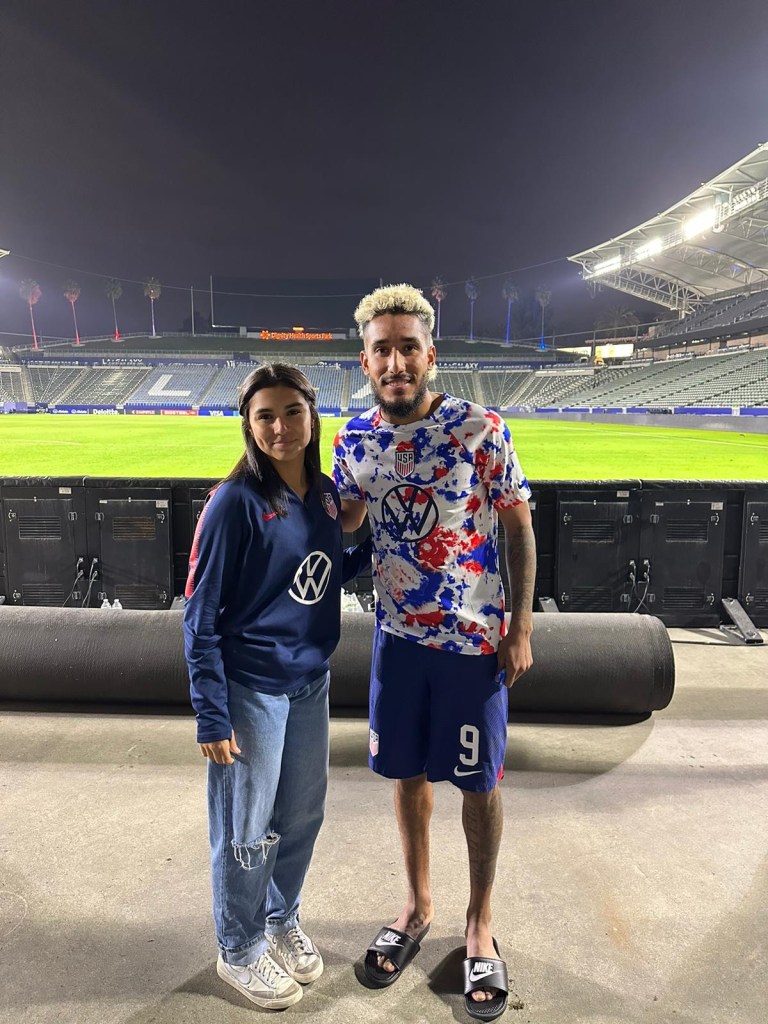
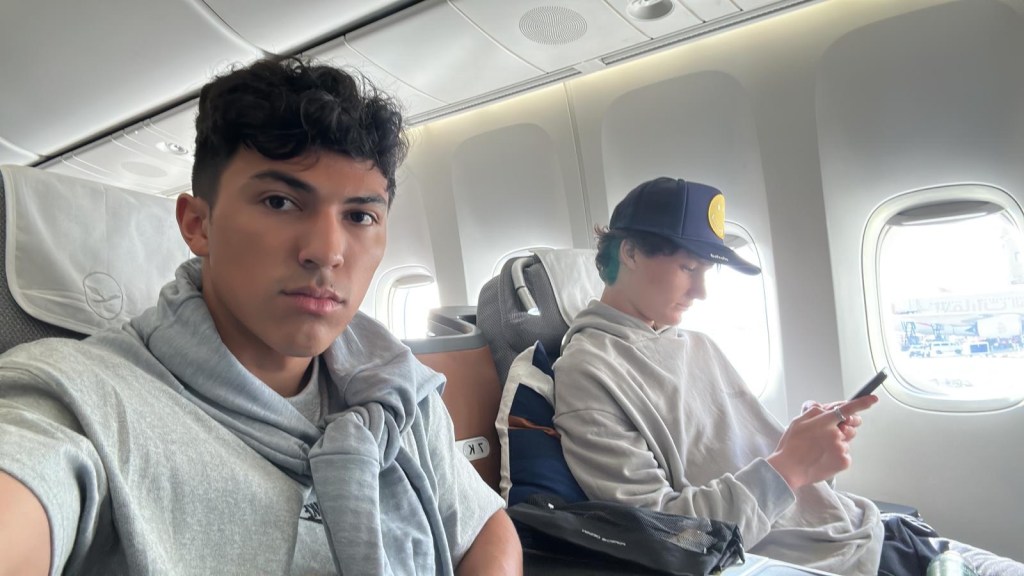
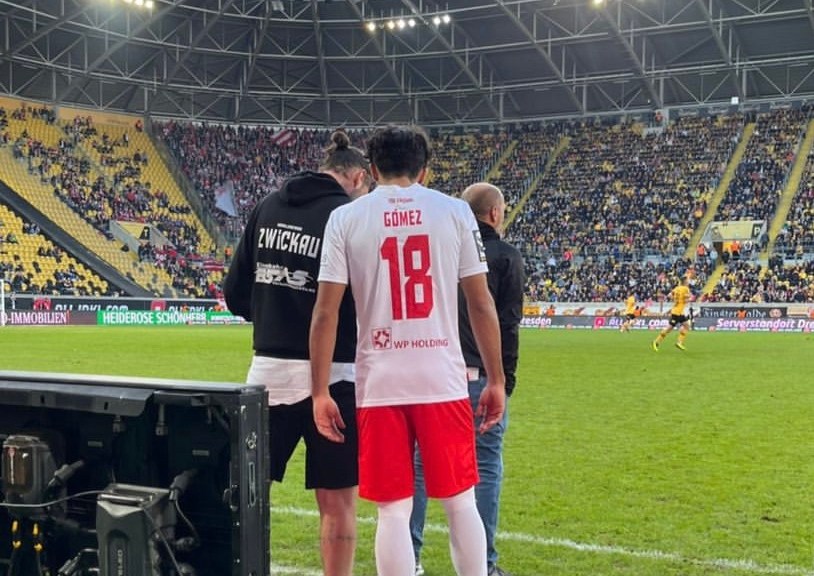
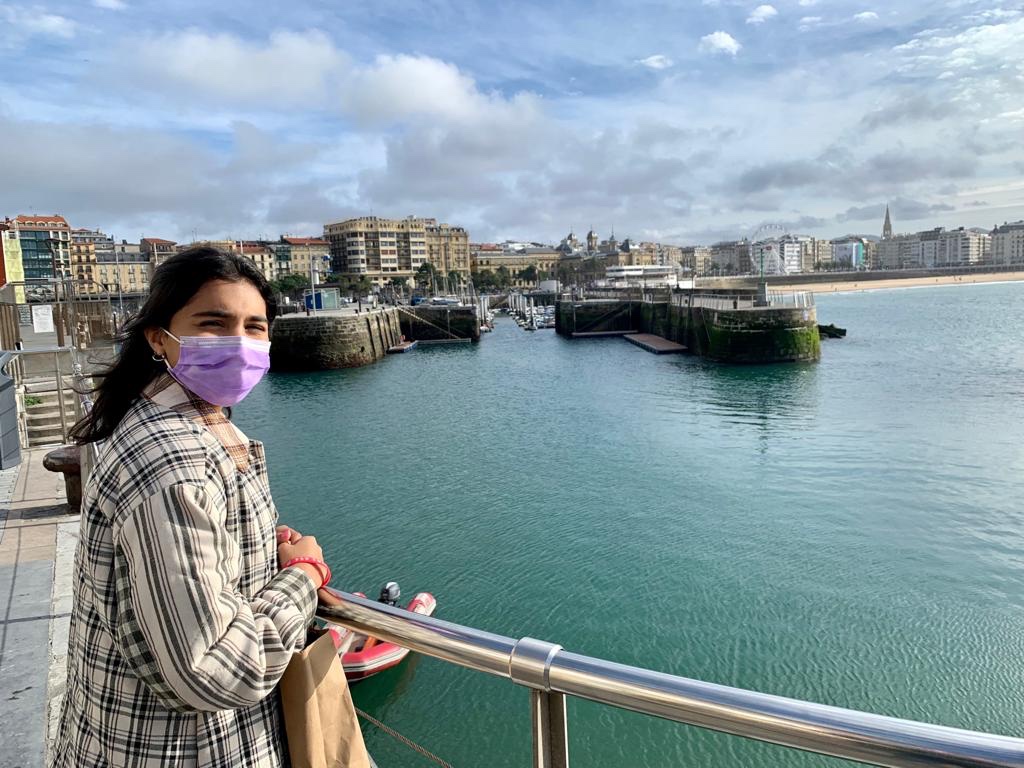
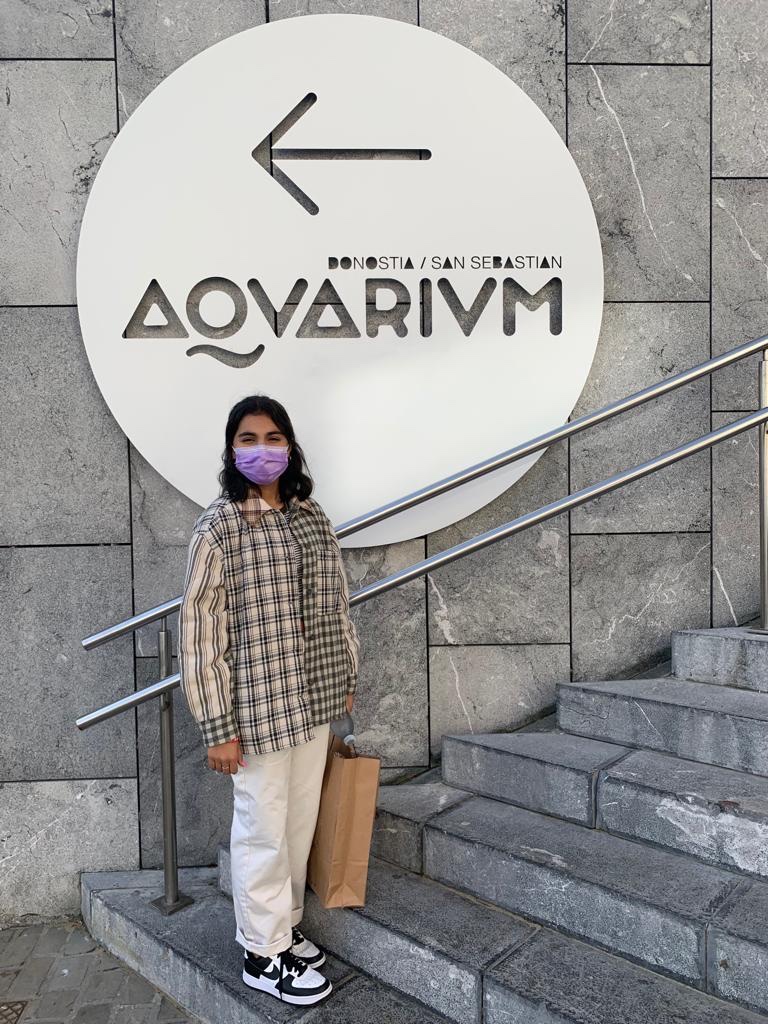
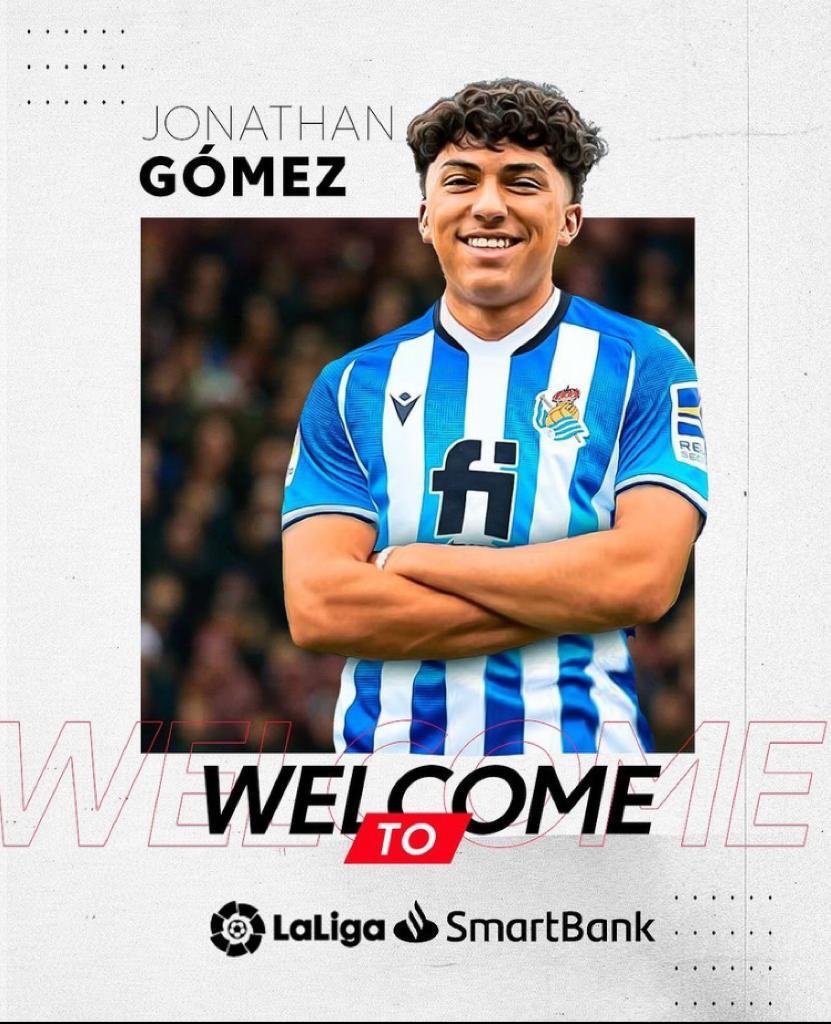
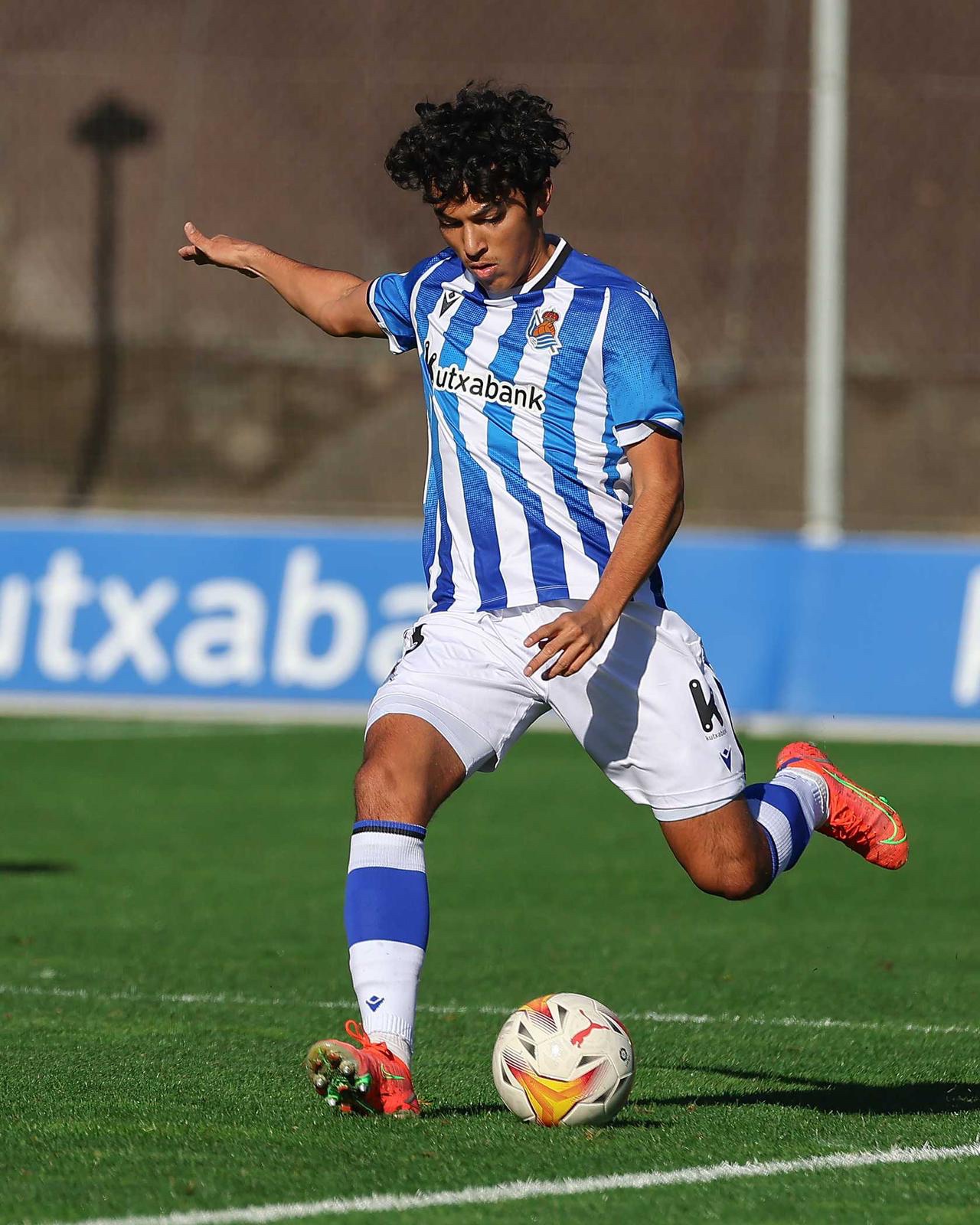


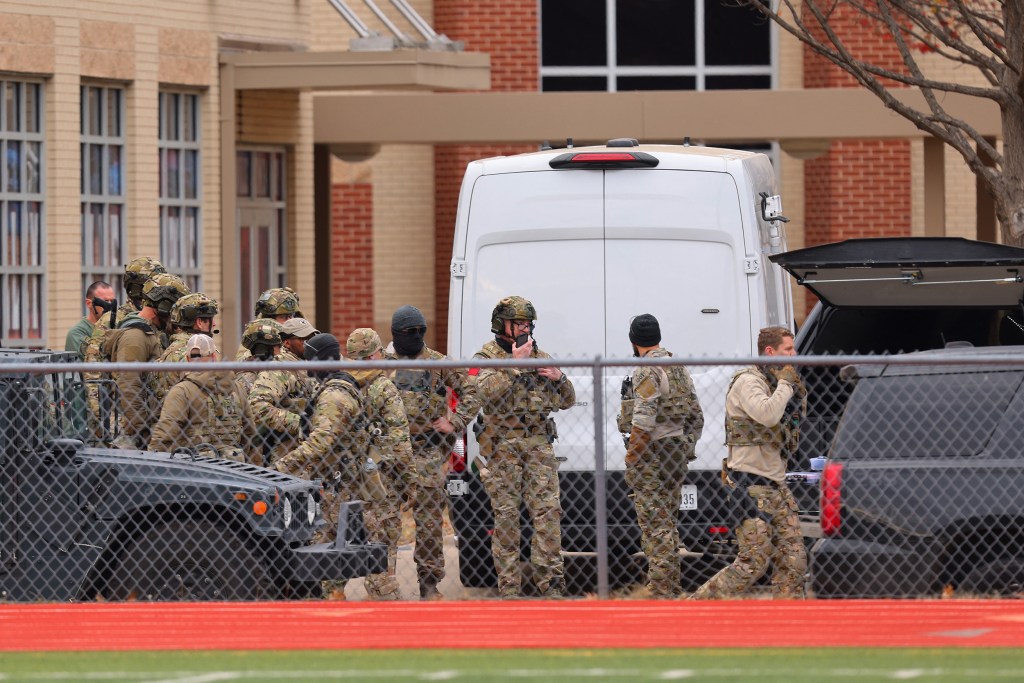

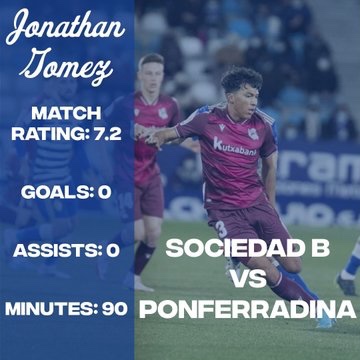
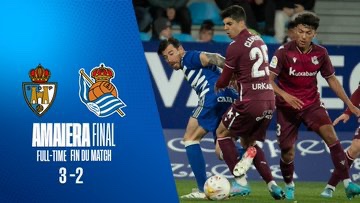
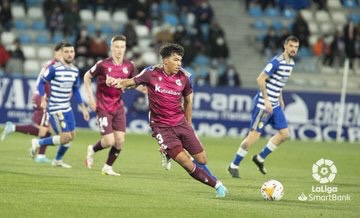

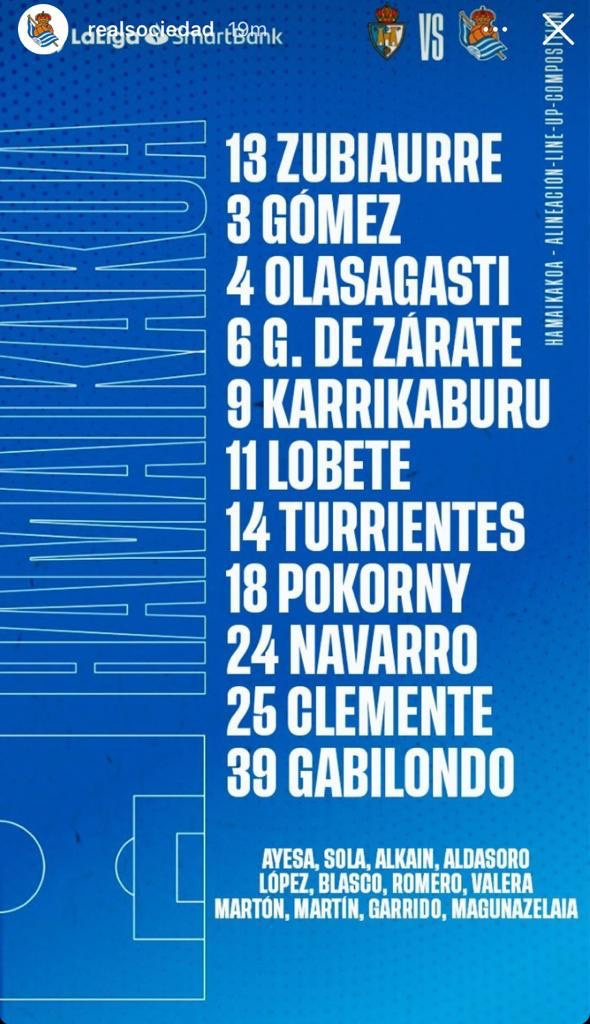


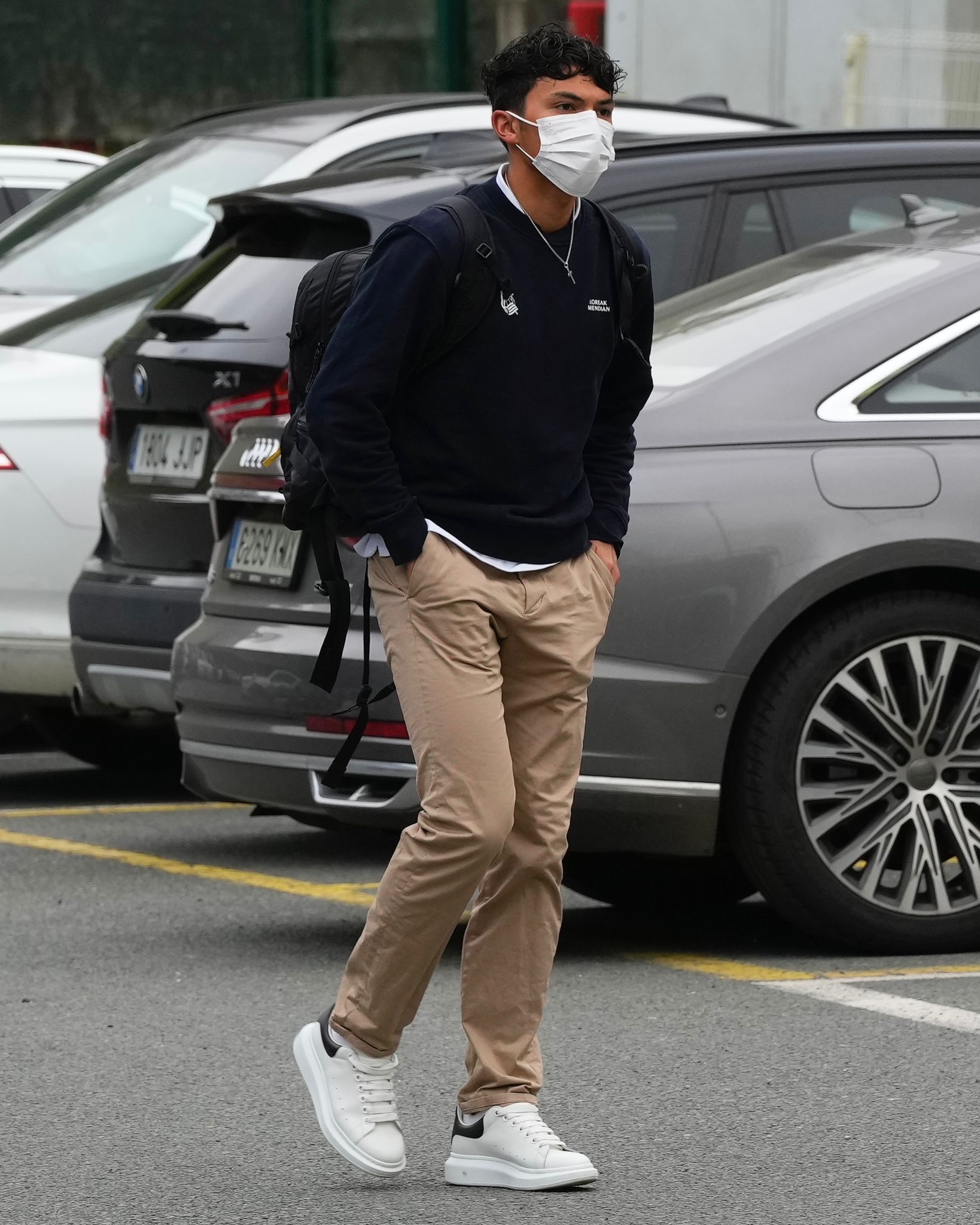
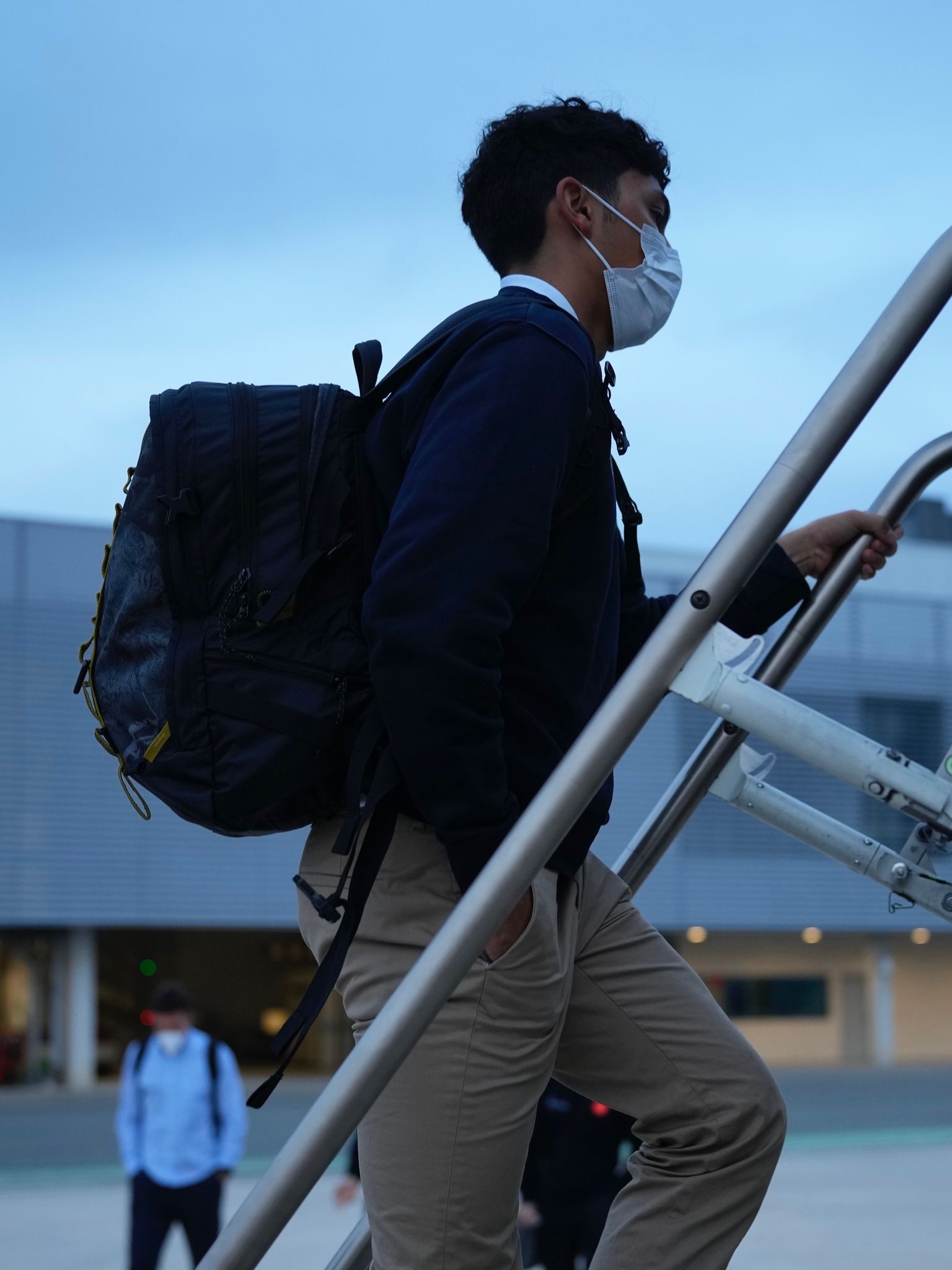
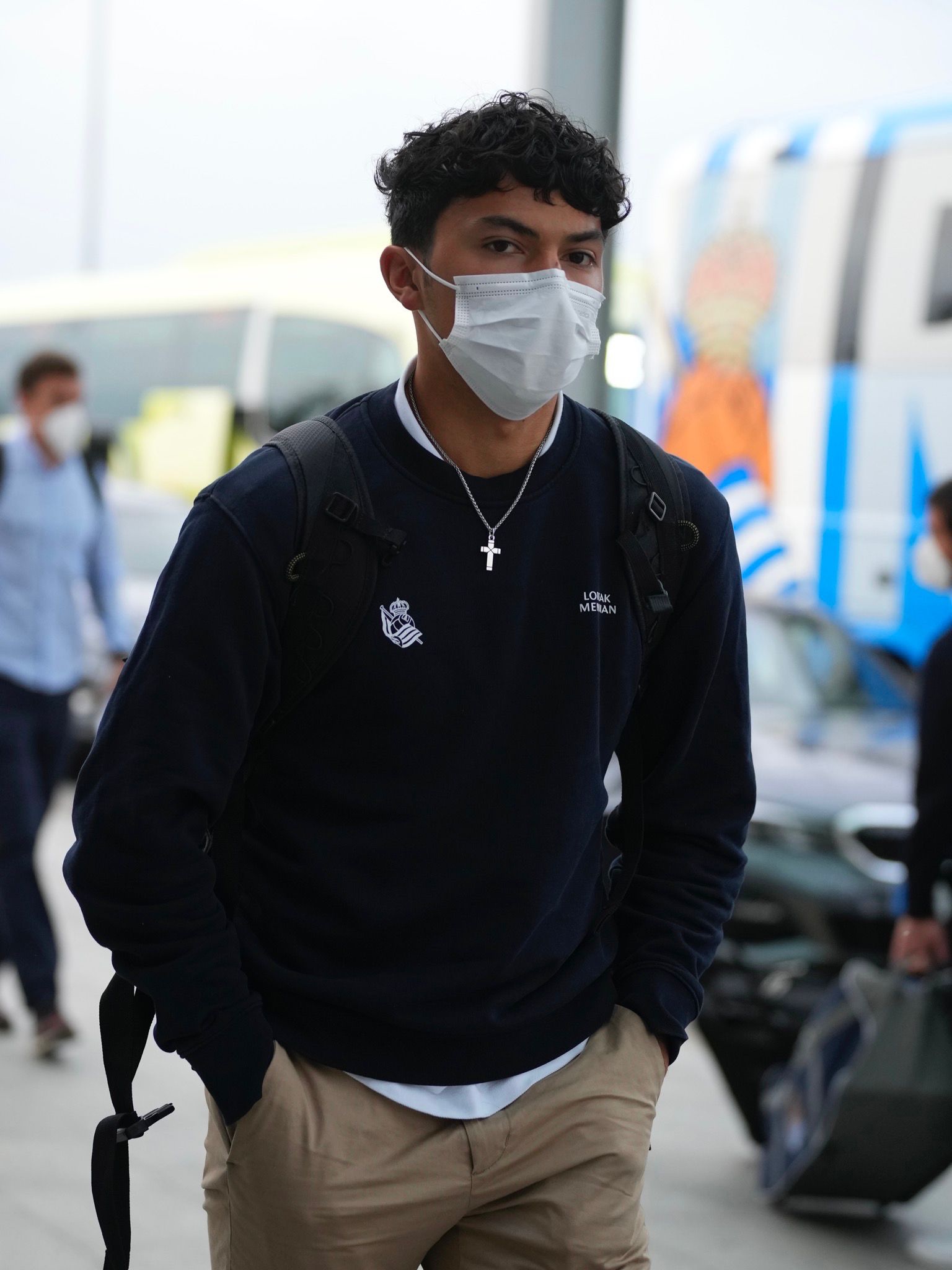


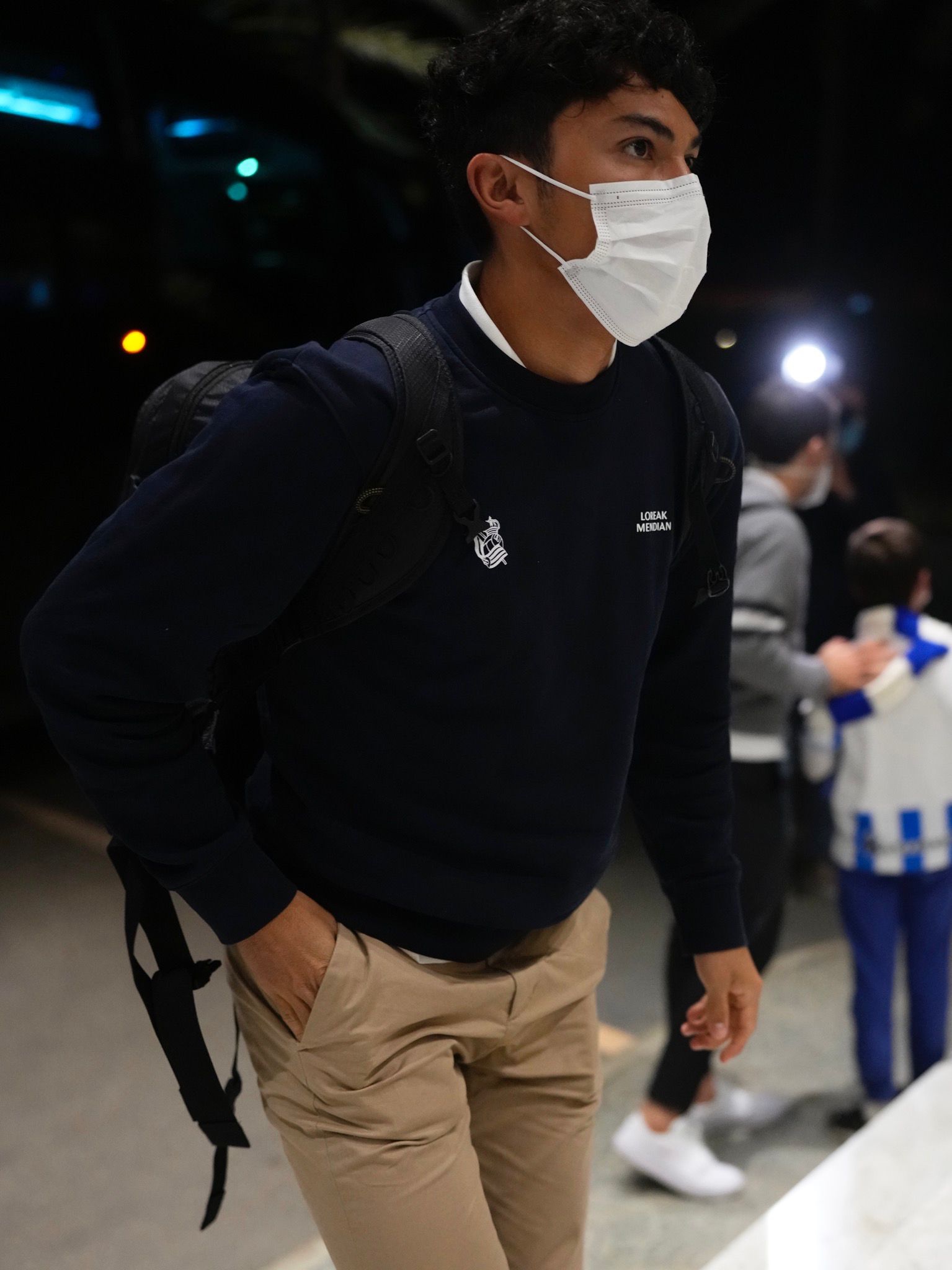
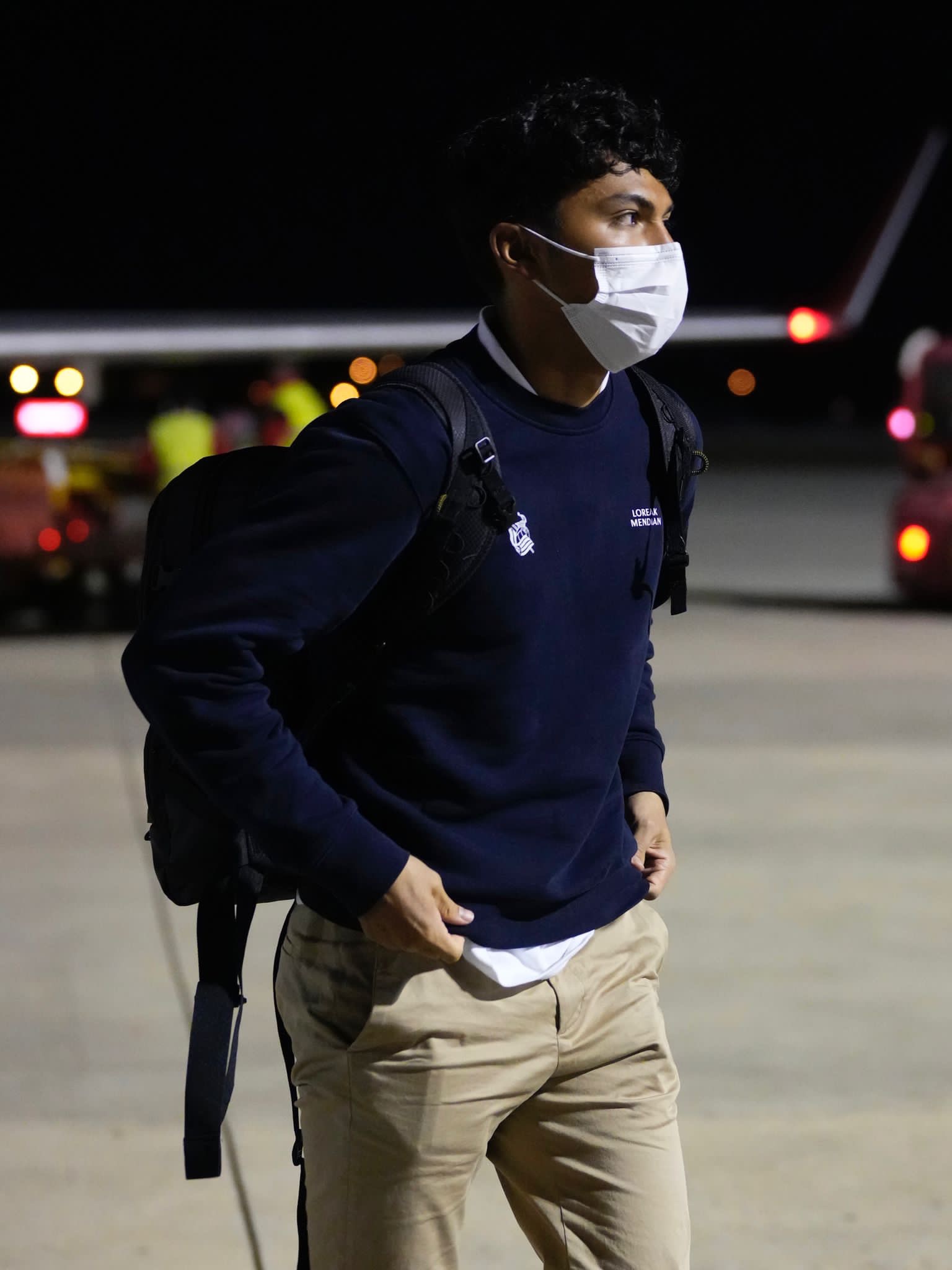

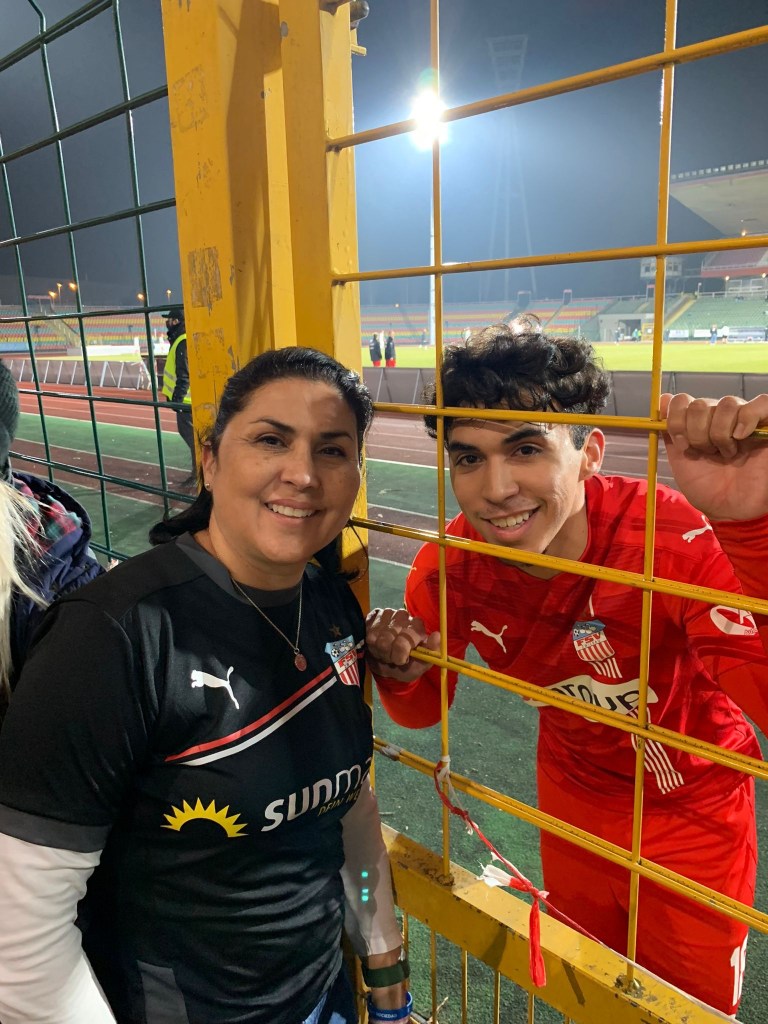
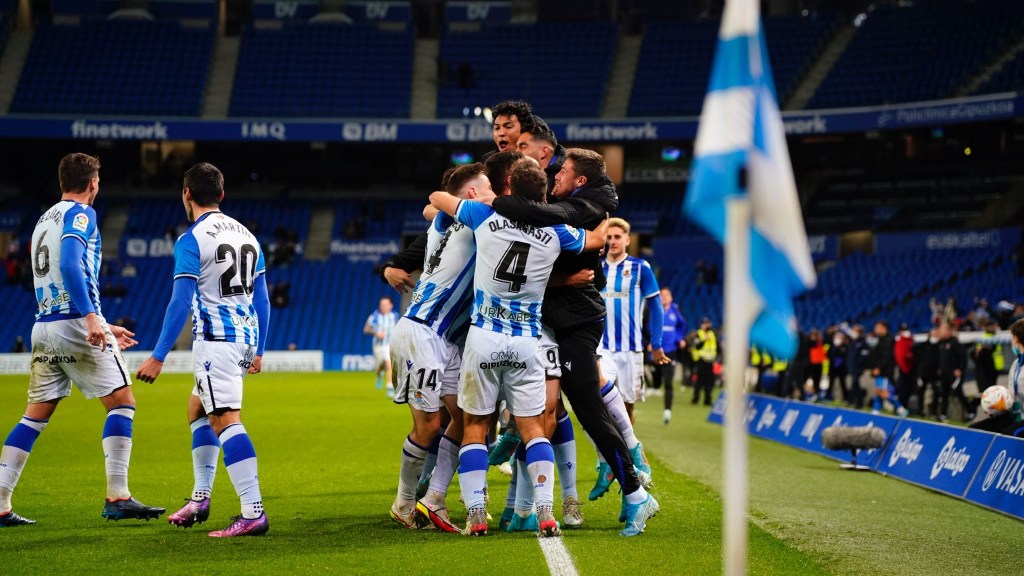
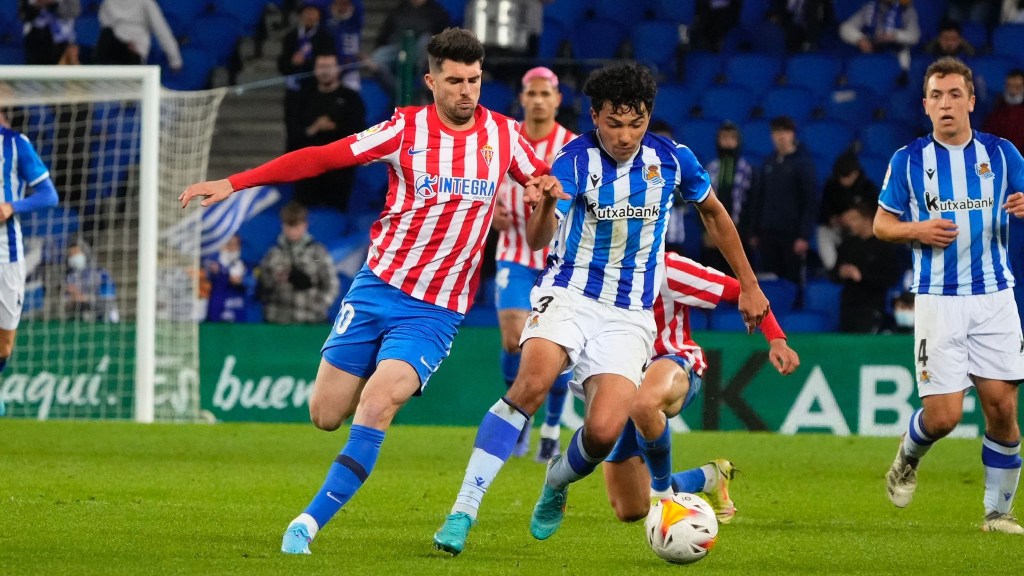
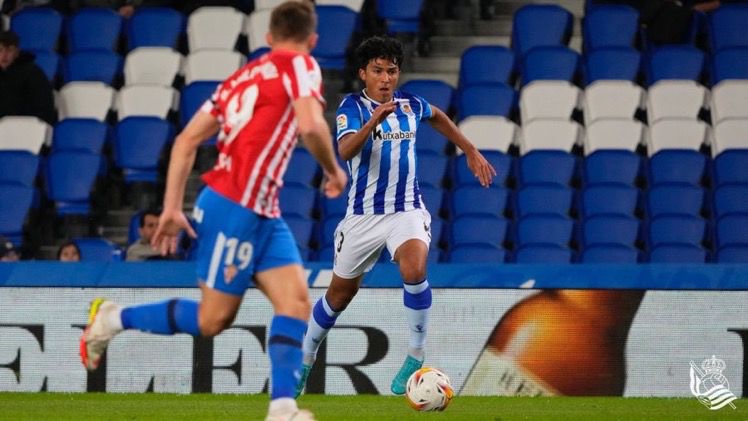
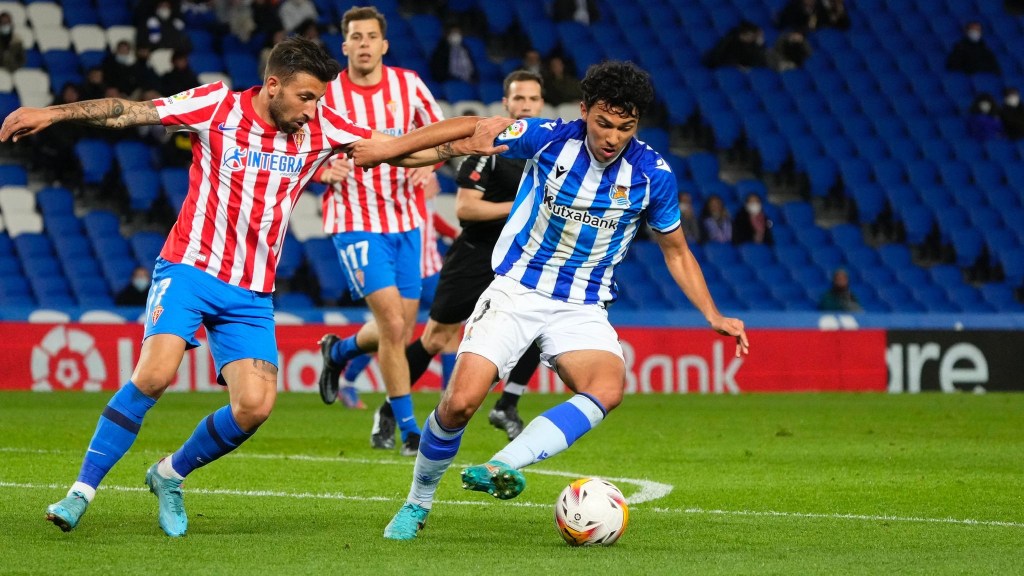
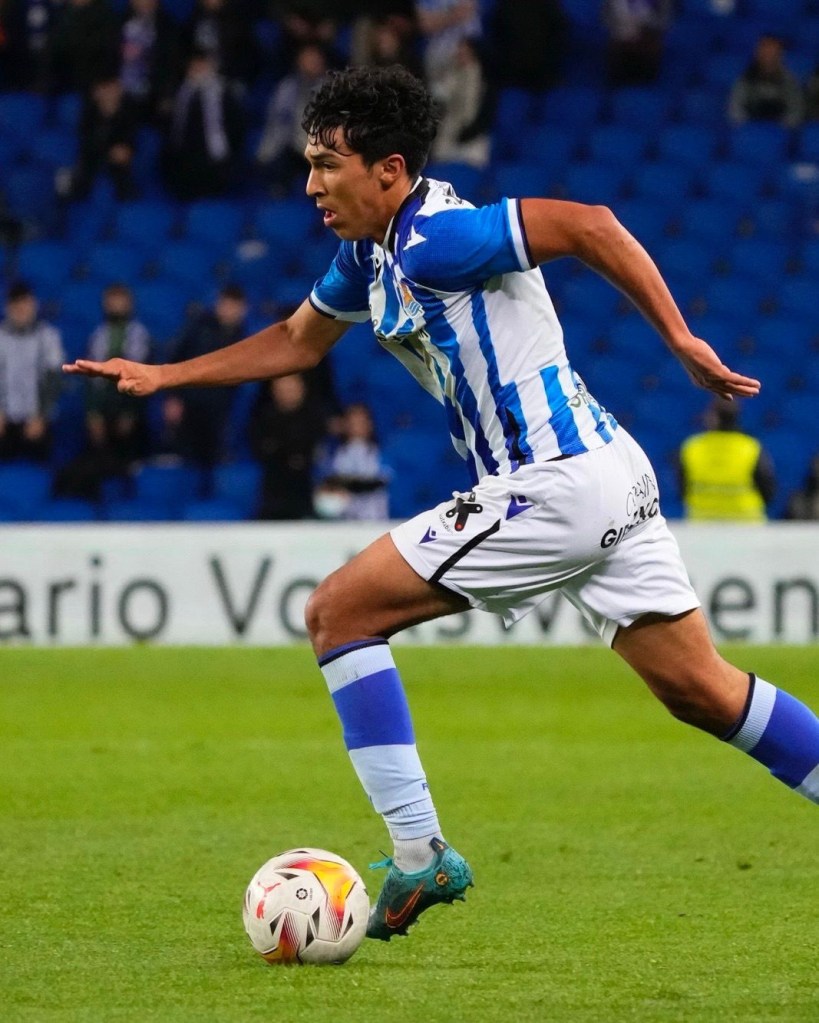
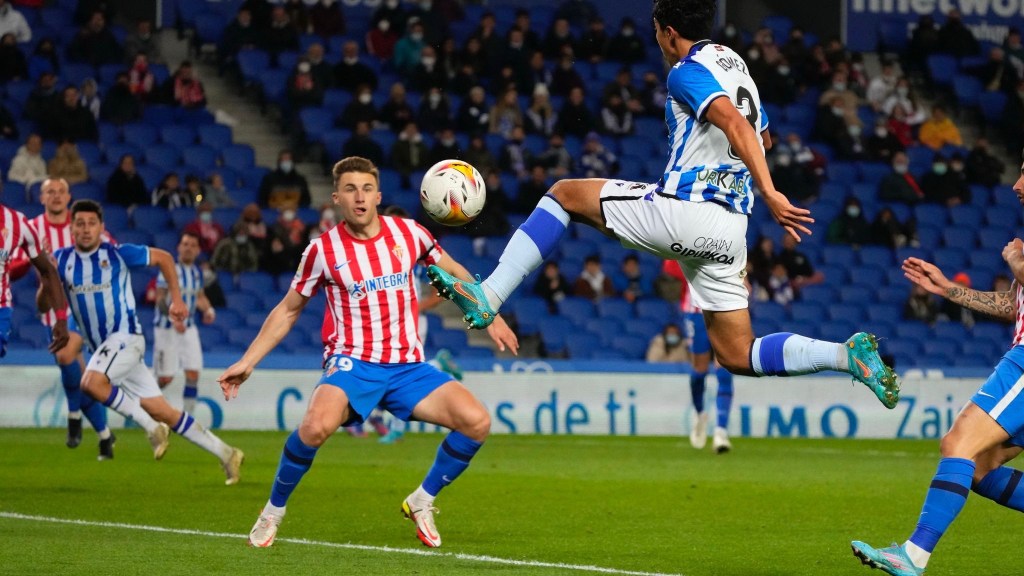


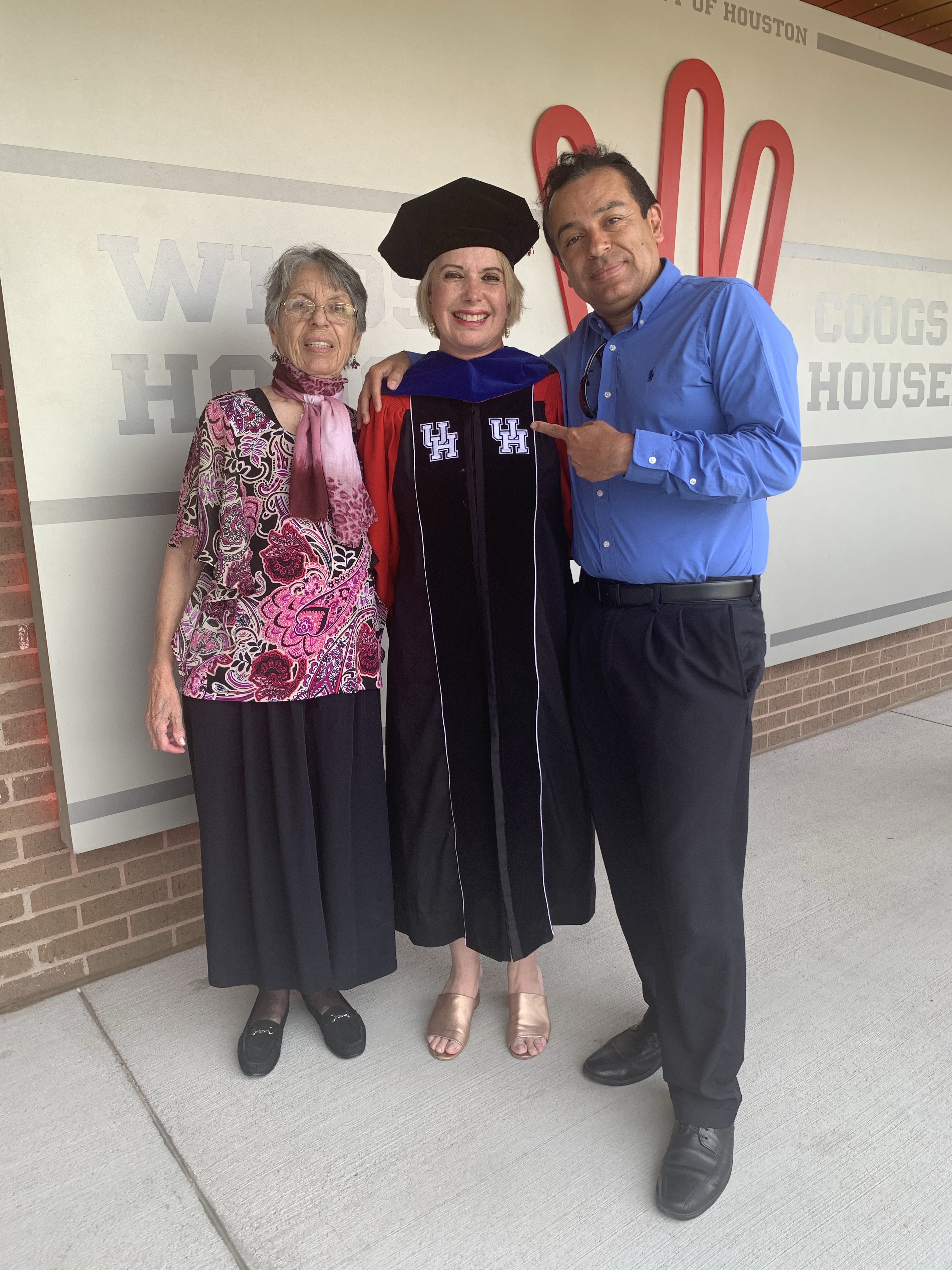


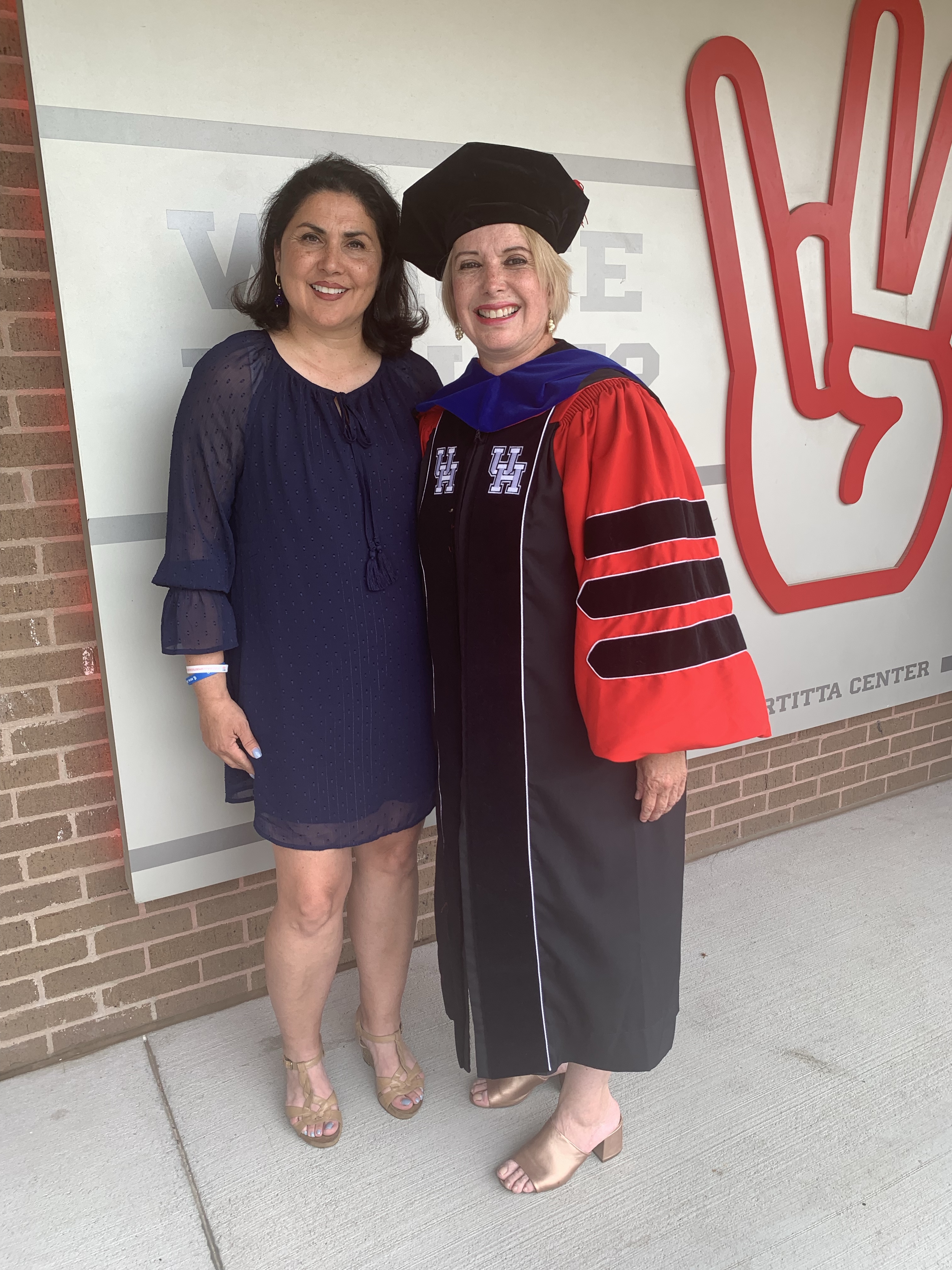
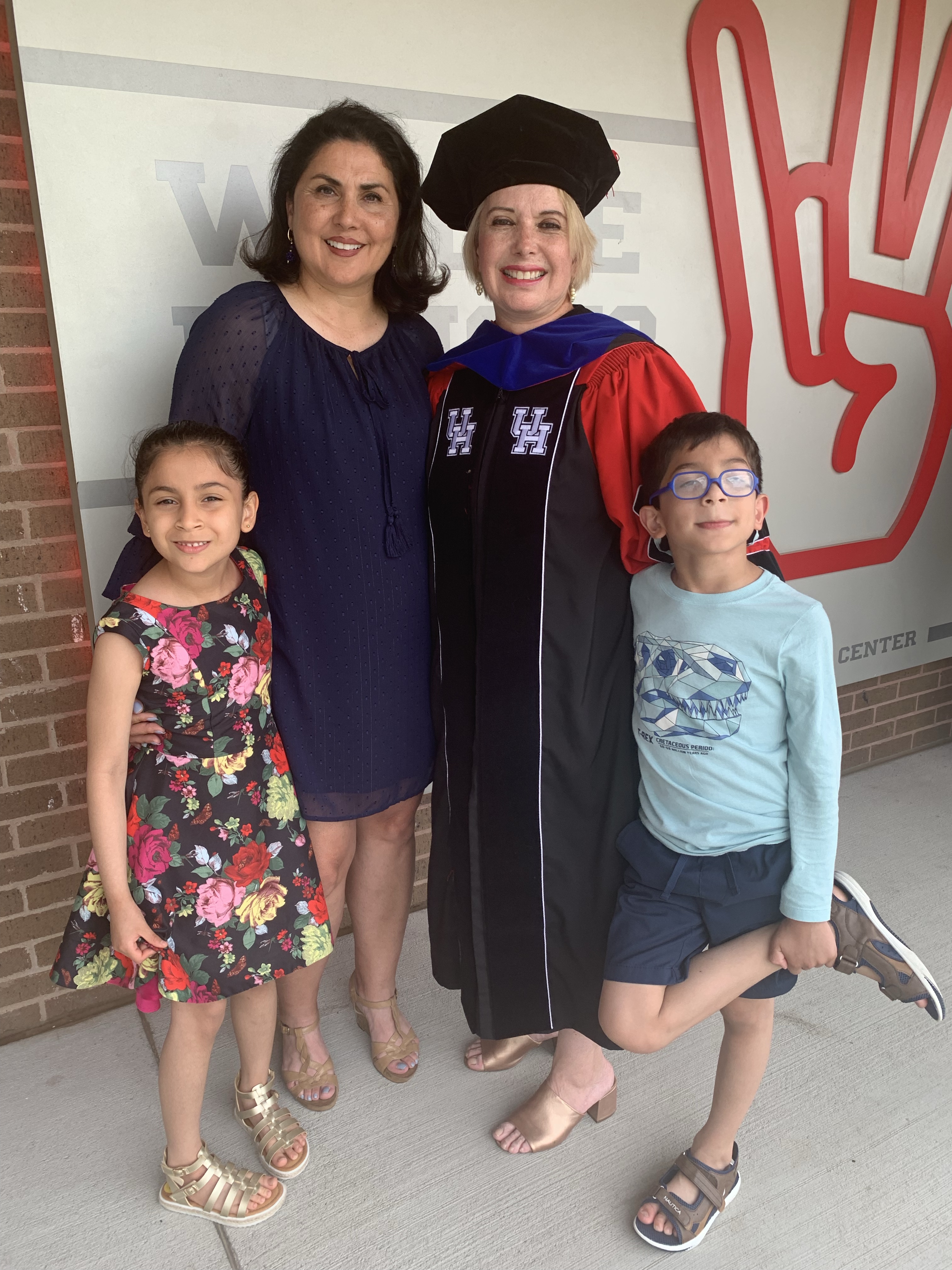


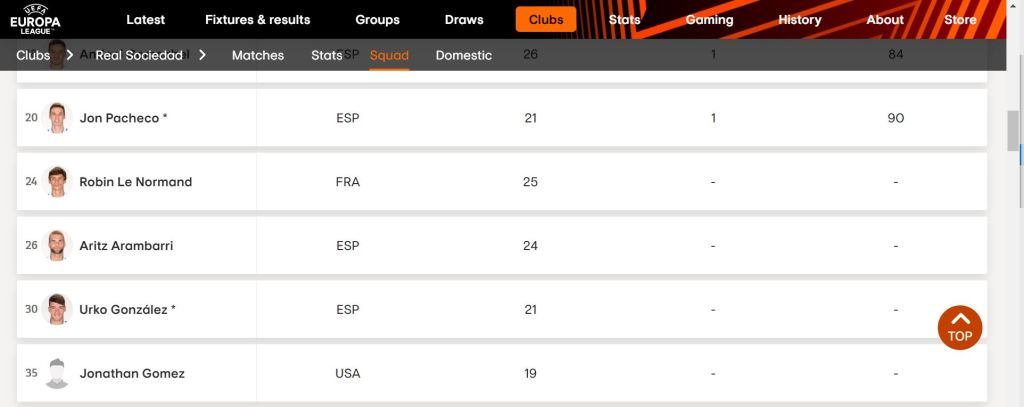
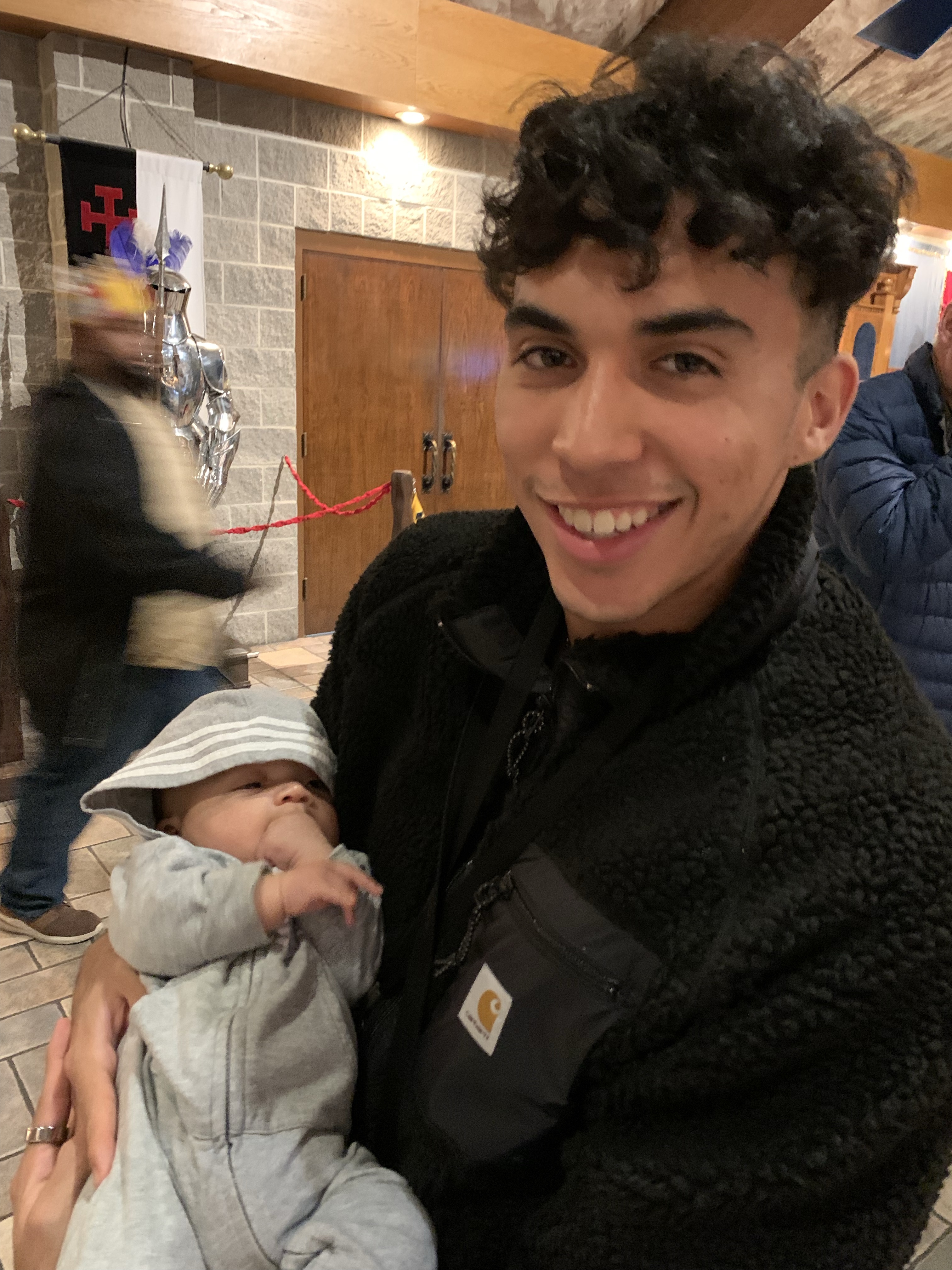



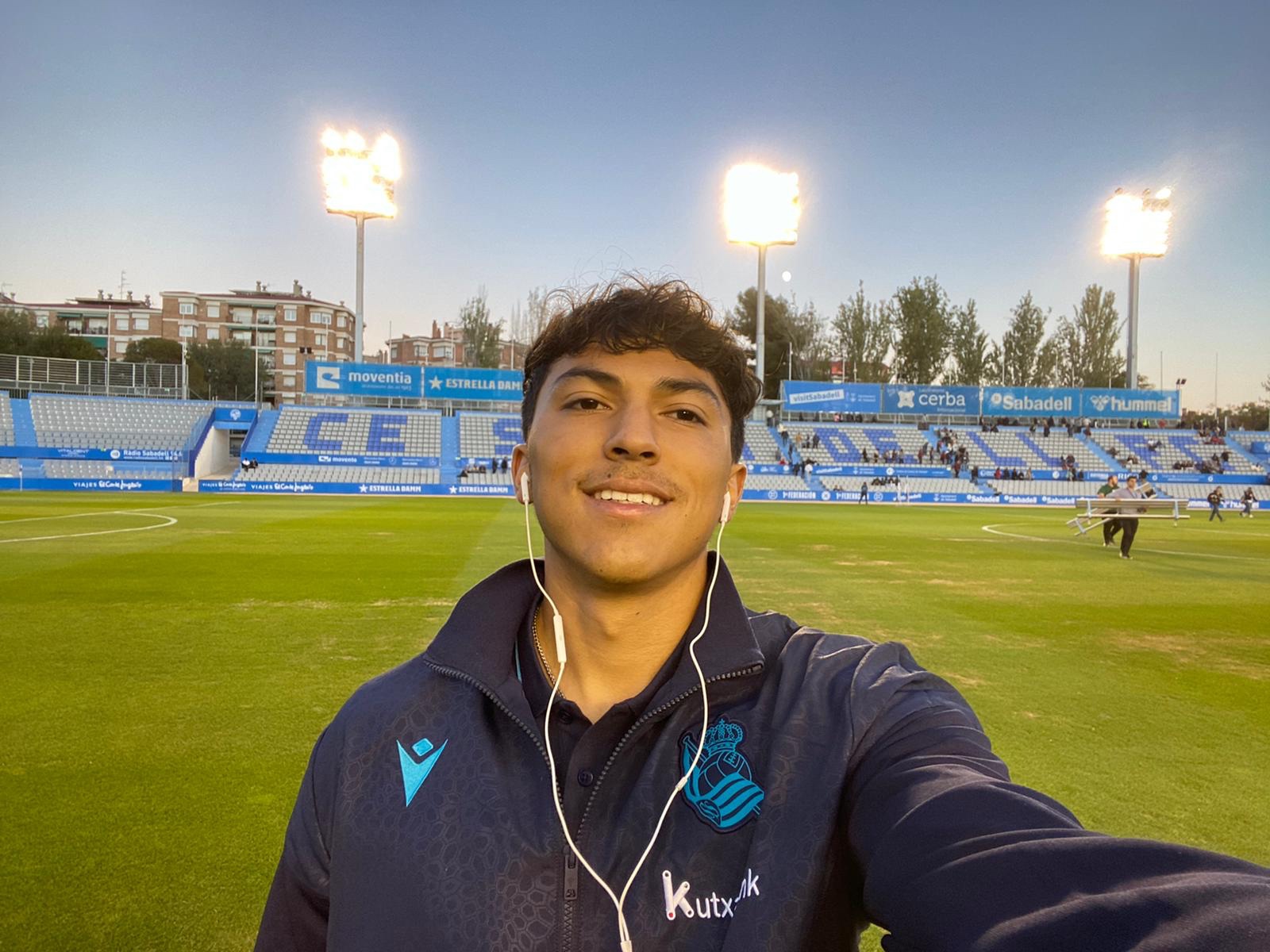
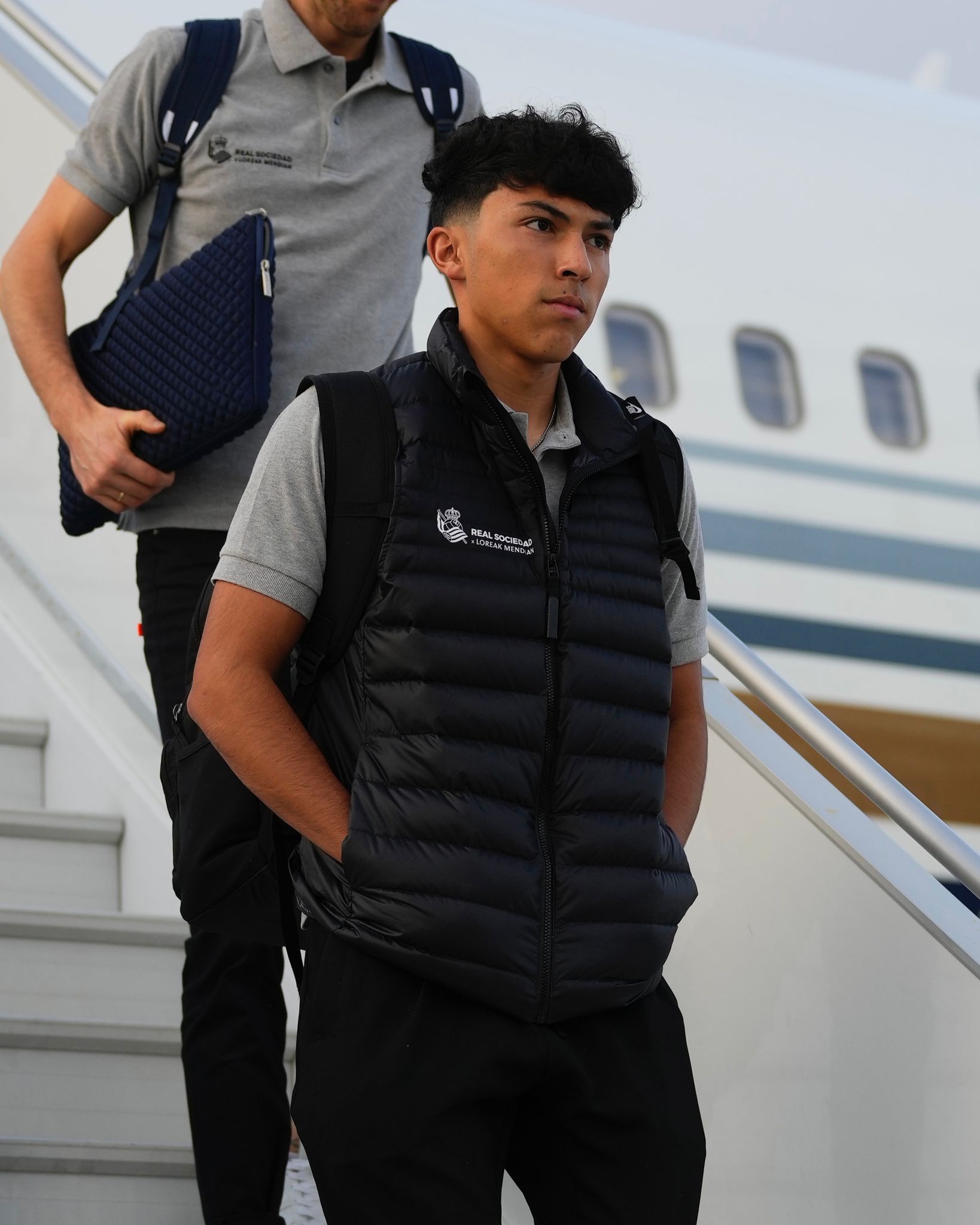

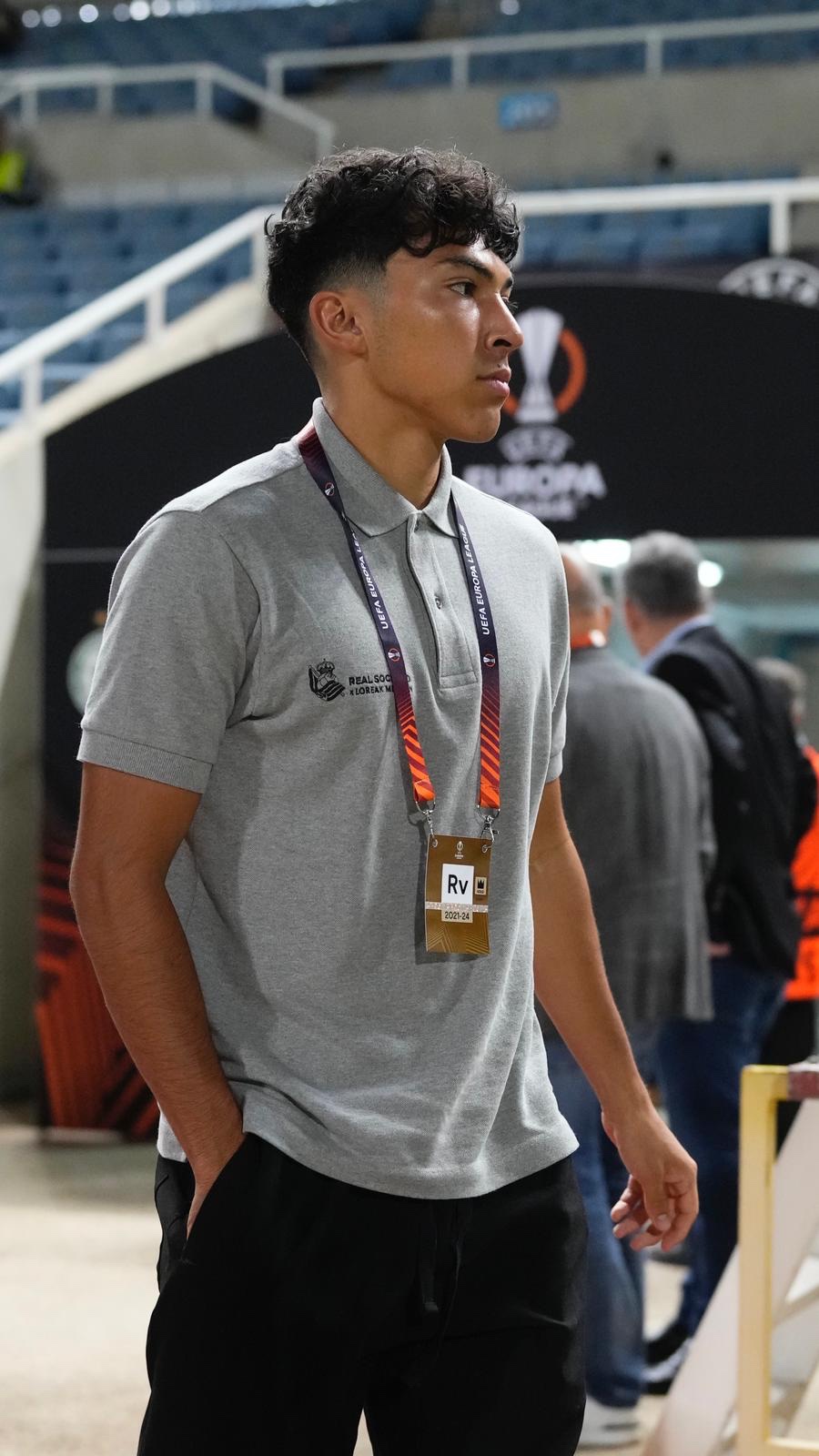

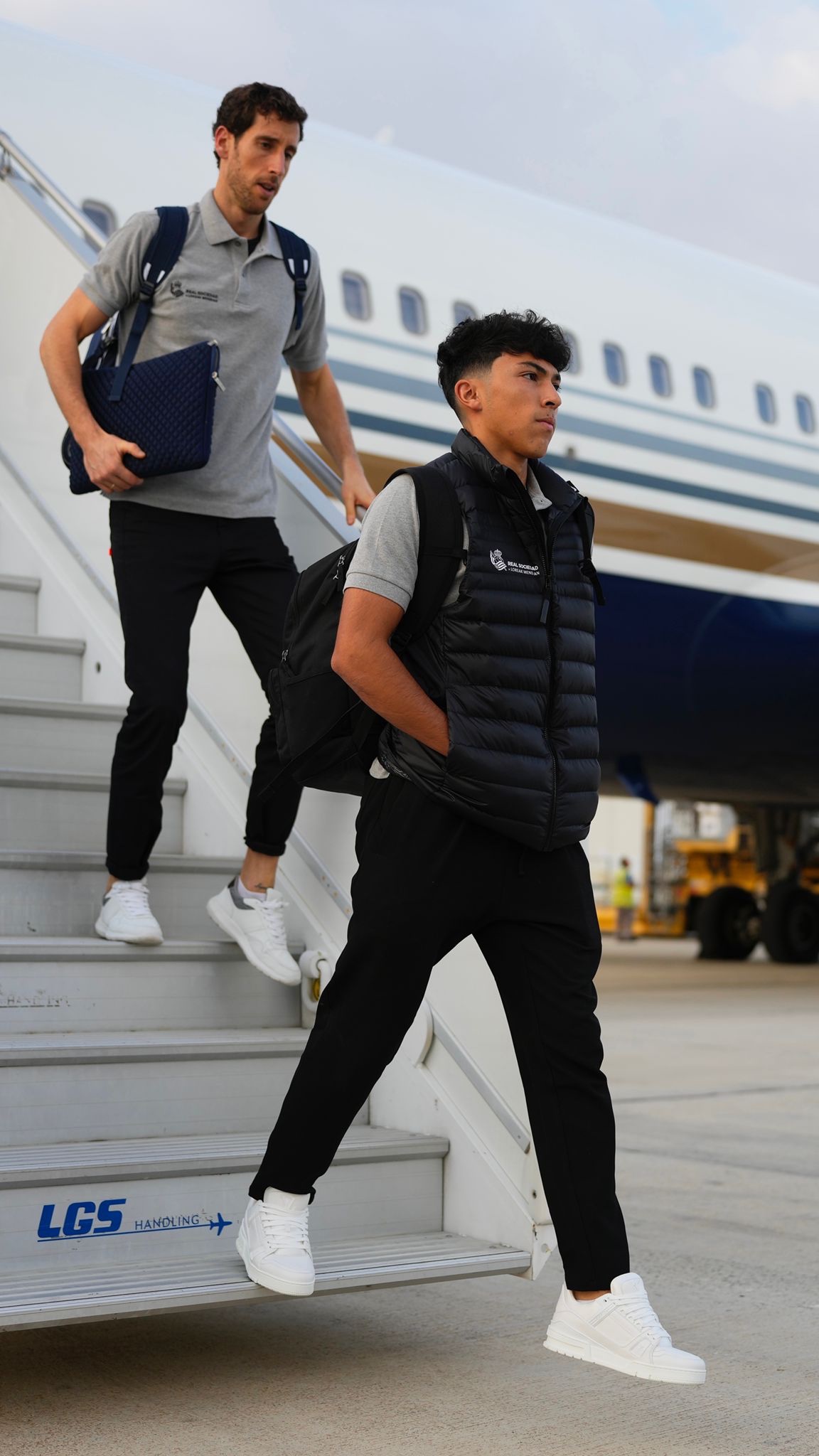


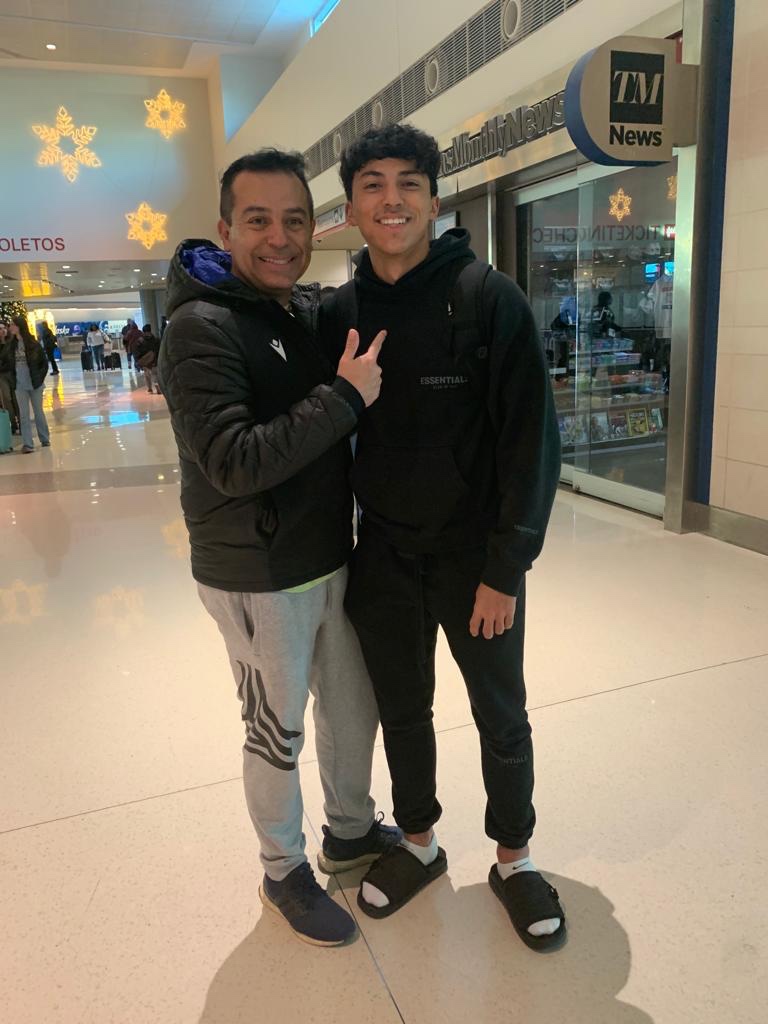
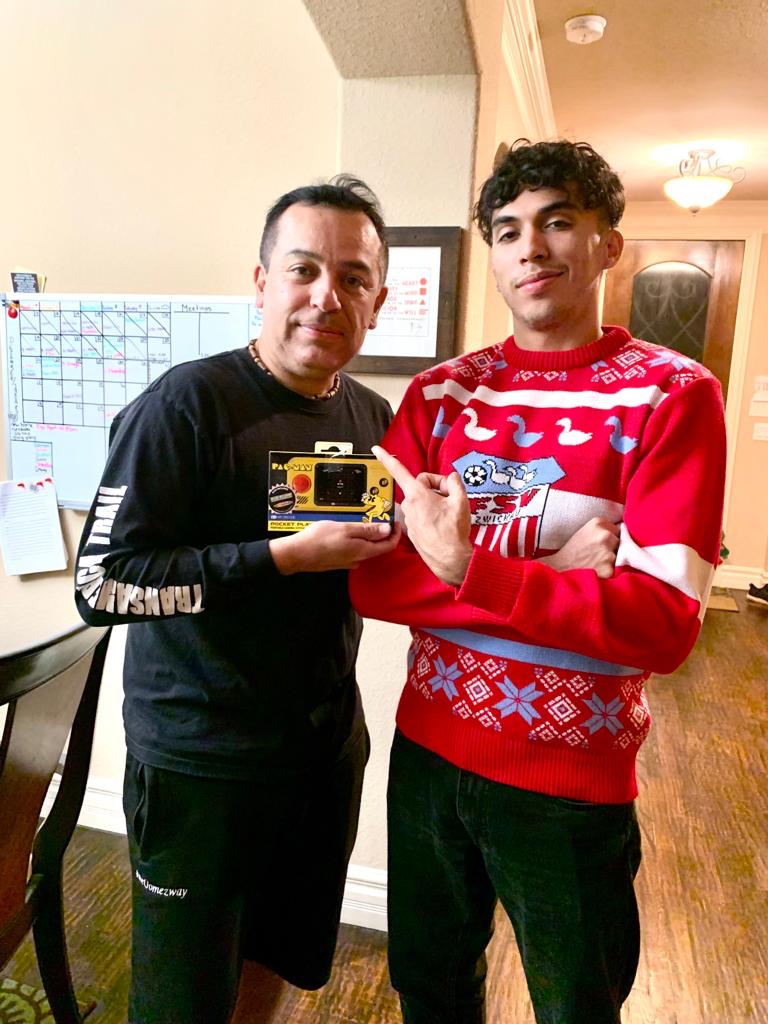

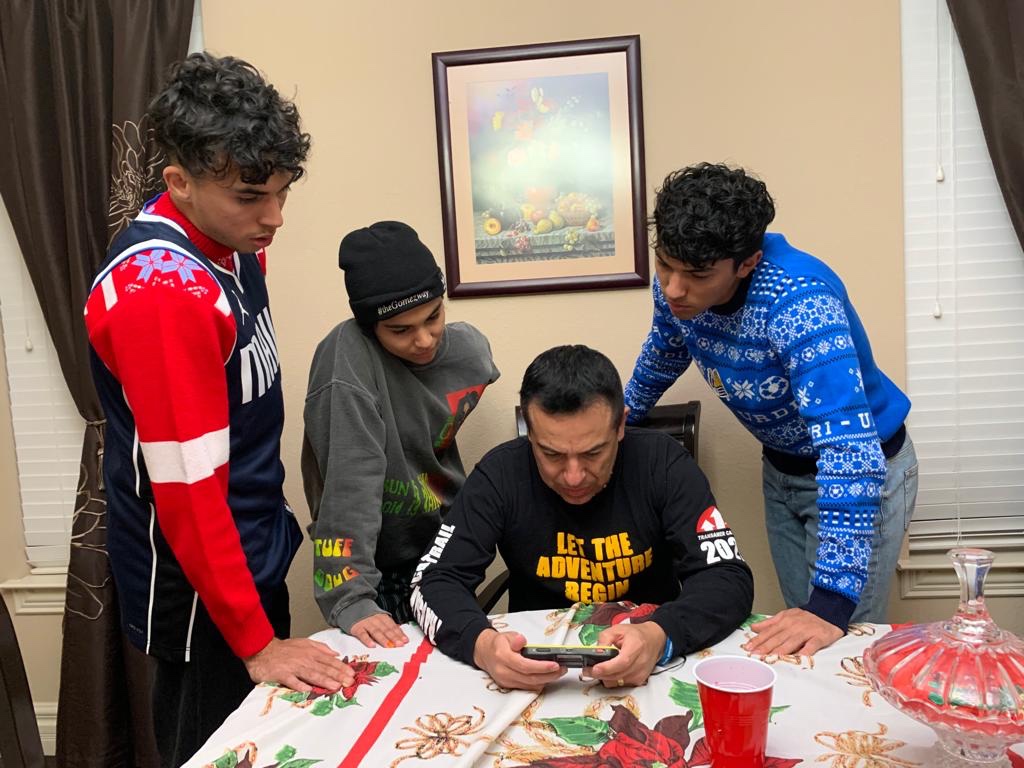
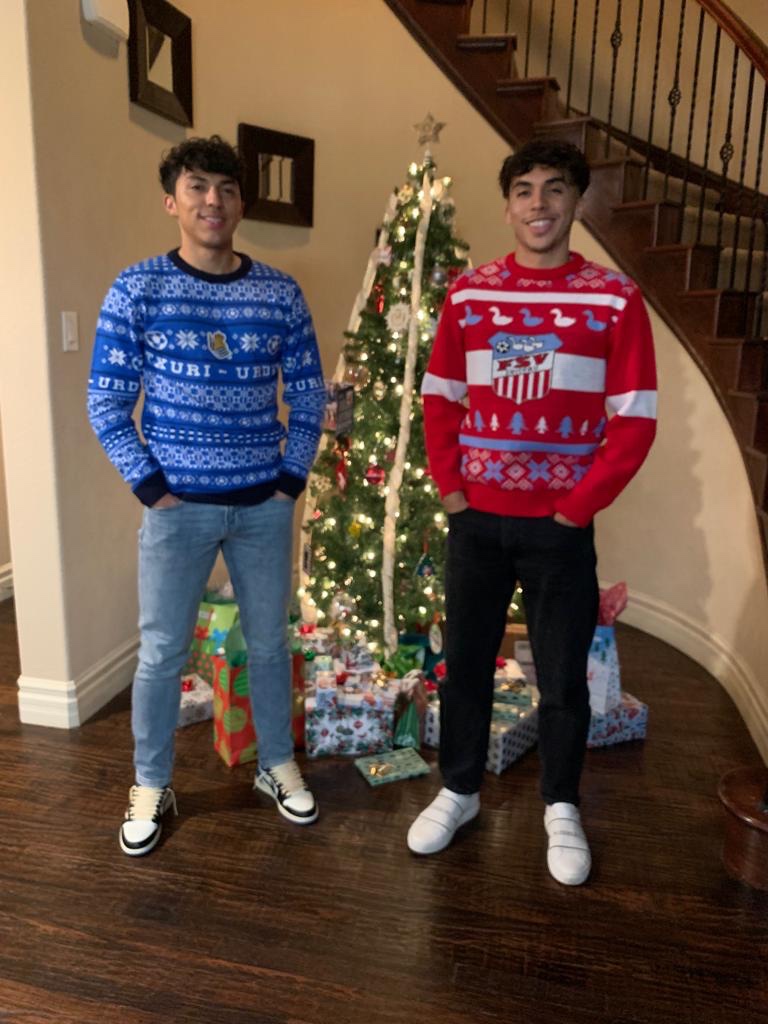

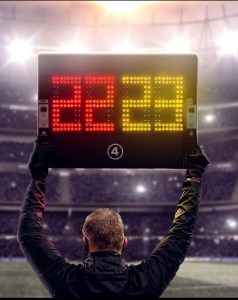
 #TheGomezway