
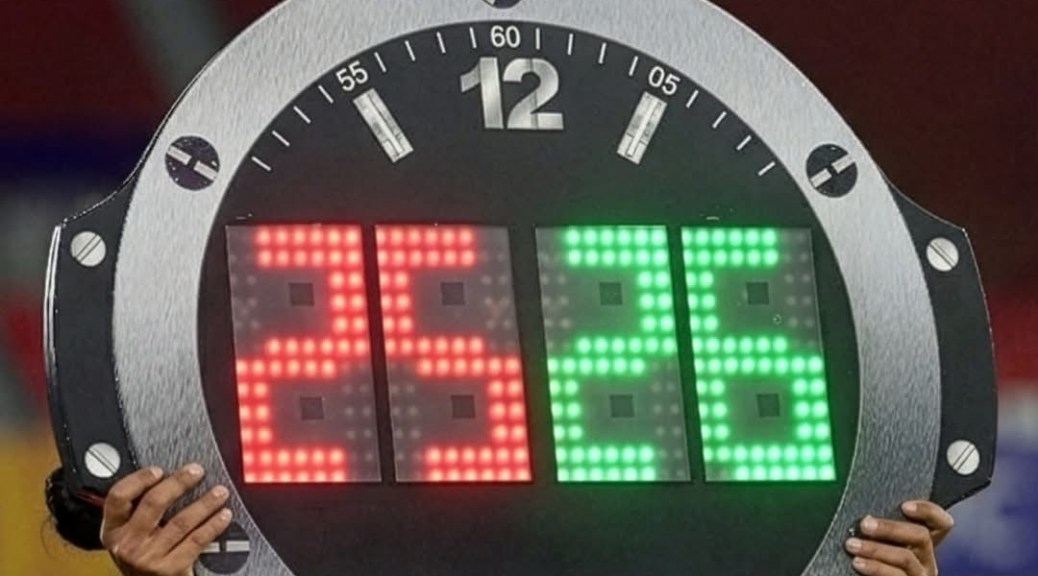
Stepping into 2025, we knew it would be a slower year for global sports as a non-Olympics and non-FIFA World Cup (Men’s or Women’s) year so the summary below contains a lot of other sports. On the personal front, the year also started out slower for the Gómez’s with Joana still recovering from her ACL surgery and just like 2024, I continued the emphasis on my own health (knowing that a couple of surgeries were on deck) rather than traveling the world.
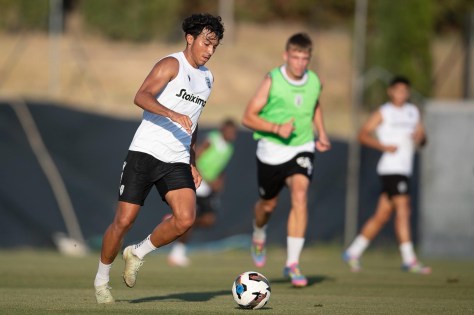
On the pitch, Jogo’s new club (PAOK FC) was near the top of the table with plenty of playing opportunities in UEFA Europa League but Jogo was unable to help (see July). On the other hand, Johan’s current club, near the bottom of the table, also offered him plenty of playing time (albeit at new positions for him). “Football provides, football takes away.”
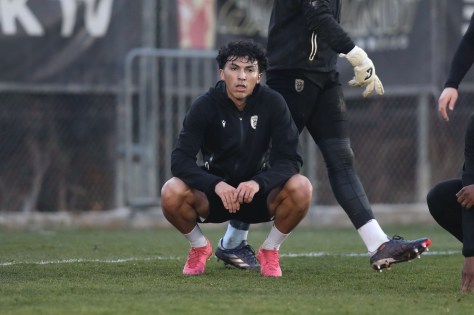
2025 also brought deep sadness to our lives as we lost a family member (August). On the other hand, Johan’s family extended significantly (May). Meanwhile, we continued progressing in other legal (July & November) and business endeavors (September) thanks/due to our football related lives.

January
Personal
The year did not start well for Jogo as playing opportunities were scarce in the UEFA Europa League due to injuries and “paperwork”; unfortunately, PAOK FC did not entertain the idea of a loan in January so we were stuck in a less than ideal environment, but made the most out of it. Jogo continued to pursue his college education and made great progress towards his post playing years.
National
California Wildfires
From January 7 to 31, 2025, a series of 14 destructive wildfires affected the Los Angeles metropolitan area and San Diego County in California, United States. The fires were exacerbated by drought conditions, low humidity, a buildup of vegetation from the previous winter, and hurricane-force Santa Ana winds, which in some places reached 100 miles per hour (160 km/h; 45 m/s). The wildfires killed at least 30 people, forced more than 200,000 to evacuate, destroyed more than 18,000 homes and structures, and burned over 57,000 acres (23,000 ha; 89 sq mi) of land in total.
Social Media
On January 18th, the Chinese-owned social media platform TikTok was banned for users in the United States due to data privacy concerns. However, less than 24 hours later, the platform access was reinstated.
NCAA
On January 20th, the Ohio State Buckeyes (who had in turn defeated my longhorns in the semifinal game) defeated Notre Dame by a score of 34-23 in the 2025 College Football Playoff National Championship game at Mercedes Benz stadium in Atlanta, Georgia.
Global
POTUS
On January 13, President Trump officially became the 47th president of the United States. Due to freezing temperatures and high winds, the inauguration was held inside the U.S. Capitol rotunda in Washington, D.C. It was the 60th U.S. presidential inauguration and the second inauguration of Trump as U.S. president, marking the commencement of his second and final presidential term and the only term of JD Vance as vice president. It was the second re-inauguration for a former U.S. president, after the second inauguration of Grover Cleveland in 1893. Trump’s first inauguration was exactly eight years earlier, on January 20, 2017.
Australian Open Women’s Singles
On January 25th, American star Madison Keys, defeated two-time defending Champion Aryna Sabalenka. Keys secured her first Grand Slam title with a 6-3, 2-6, 7-5 victory. This win marks a significant milestone for Keys, who had previously reached the semi-finals at the Australian Open. Sabalenka, aiming for a third consecutive title, was unable to overcome Keys in the final. Keys pocketed $3,500,000 by winning the championship.
Australian Open Men’s Singles
On January 26th, Italian 23 year-old #1 seed Jannik Sinner won his second consecutive Australian Open. He defeated 27 year-old German #2 seed Alexander (Sascha) Zverev in three staright sets (6-3, 7-6, and 6-3) who had in turn defeated Novak Djokovic. In the semifinal game, Novak had to withdraw due to a hamstring injury after only disputed one set against Zverev. Novak had defeated Carlitos in the quarterfinals.
February
Personal
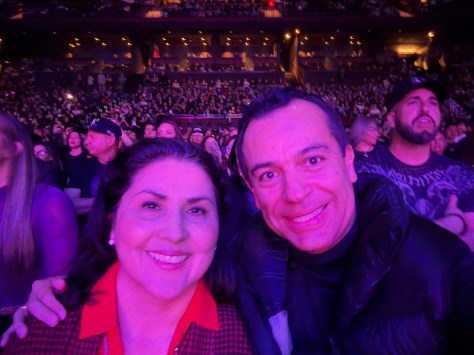
On February 8th, Claudia and I attended the Caifanes rock band concert in Oklahoma. Every year, we treat ourselves to great seats of at least one concert and this year was not the exception. The list is longer and longer each year…
National
On February, 1st, following a trip to the NBA finals the previous season, the Dallas Mavericks unexpectedly traded Luka Dončić to the LA Lakers receiving in return a first round pick and Anthony Davis. In what many will consider the worst trade in NBA history, it is worth noting the involvement of a third team: the Utah Jazz.
Global
Super Bowl LIX
On February 9th, the Philadelphia Eagles defeated the two-time defending champions Kansas City Chiefs by a score of 40-22 in Super Bowl LIX avenging a Super Bowl LVII defeat two years earlier. Eagles quarterback Jalen Hurts – who scored three touchdowns (two passing, one rushing), completed 17 of 22 attempts for 221 yards, and set the Super Bowl record for quarterback rushing yards with 72 – was named Super Bowl MVP
The halftime show, featuring Kendrick Lamar, reached a high 133.5 million viewers globally. As usual, the commercials stole “the show”.
March
Personal
Ecuador
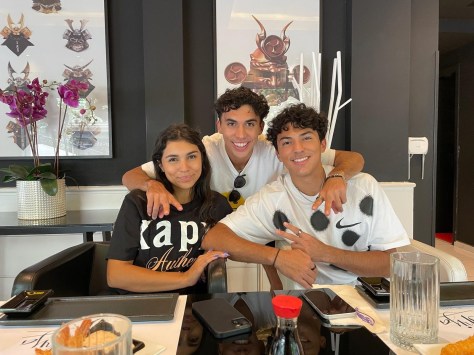
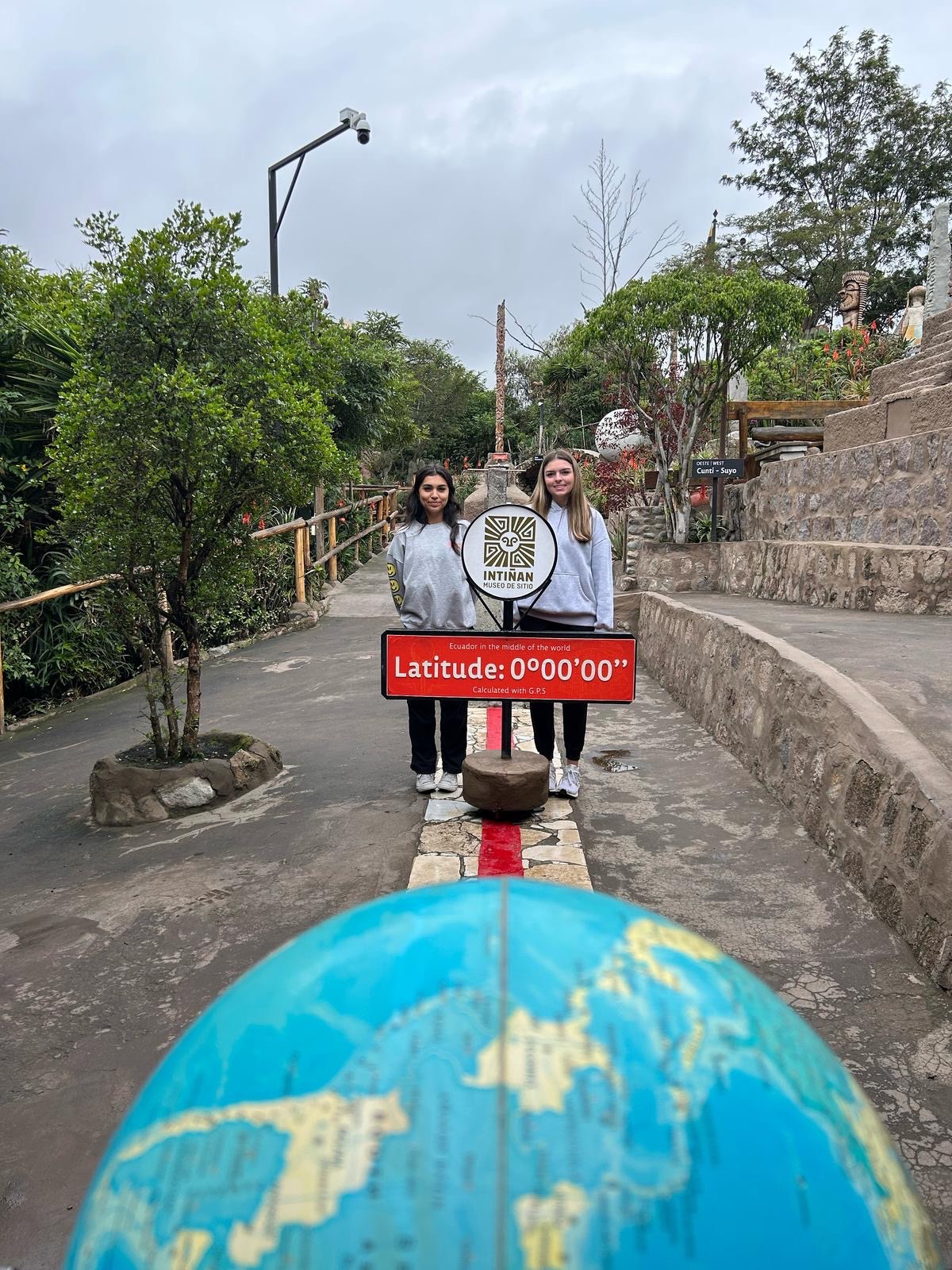
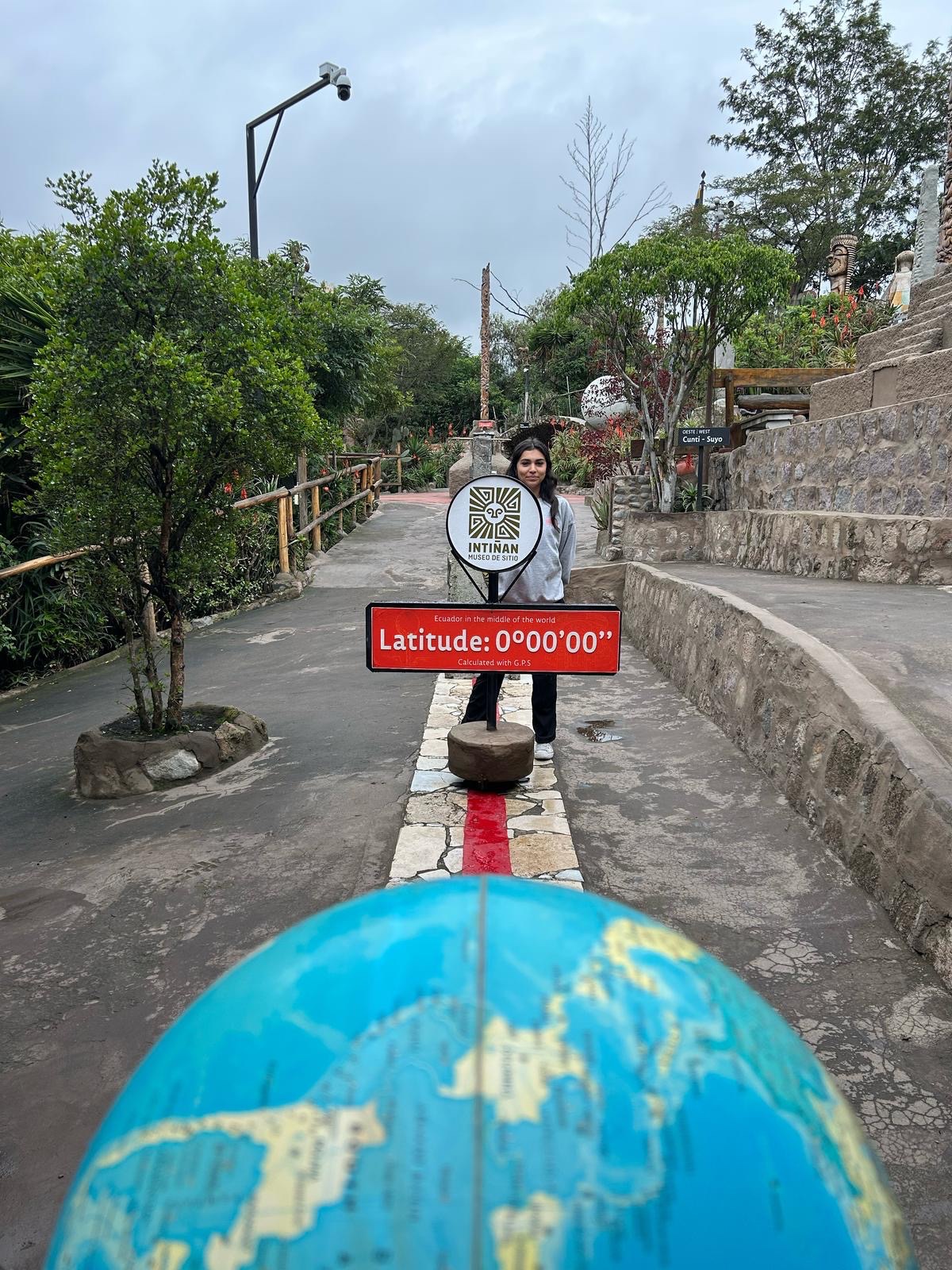
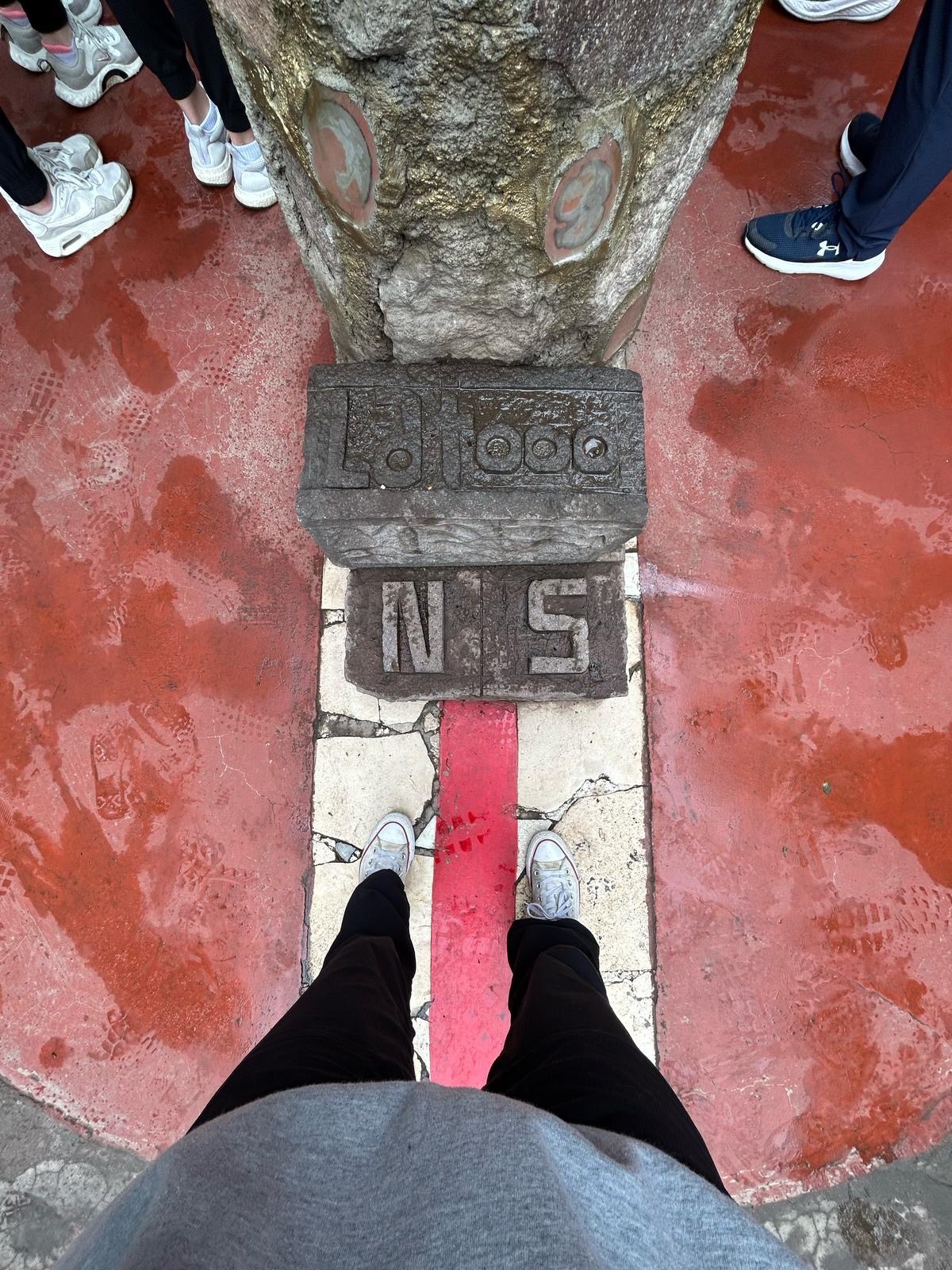
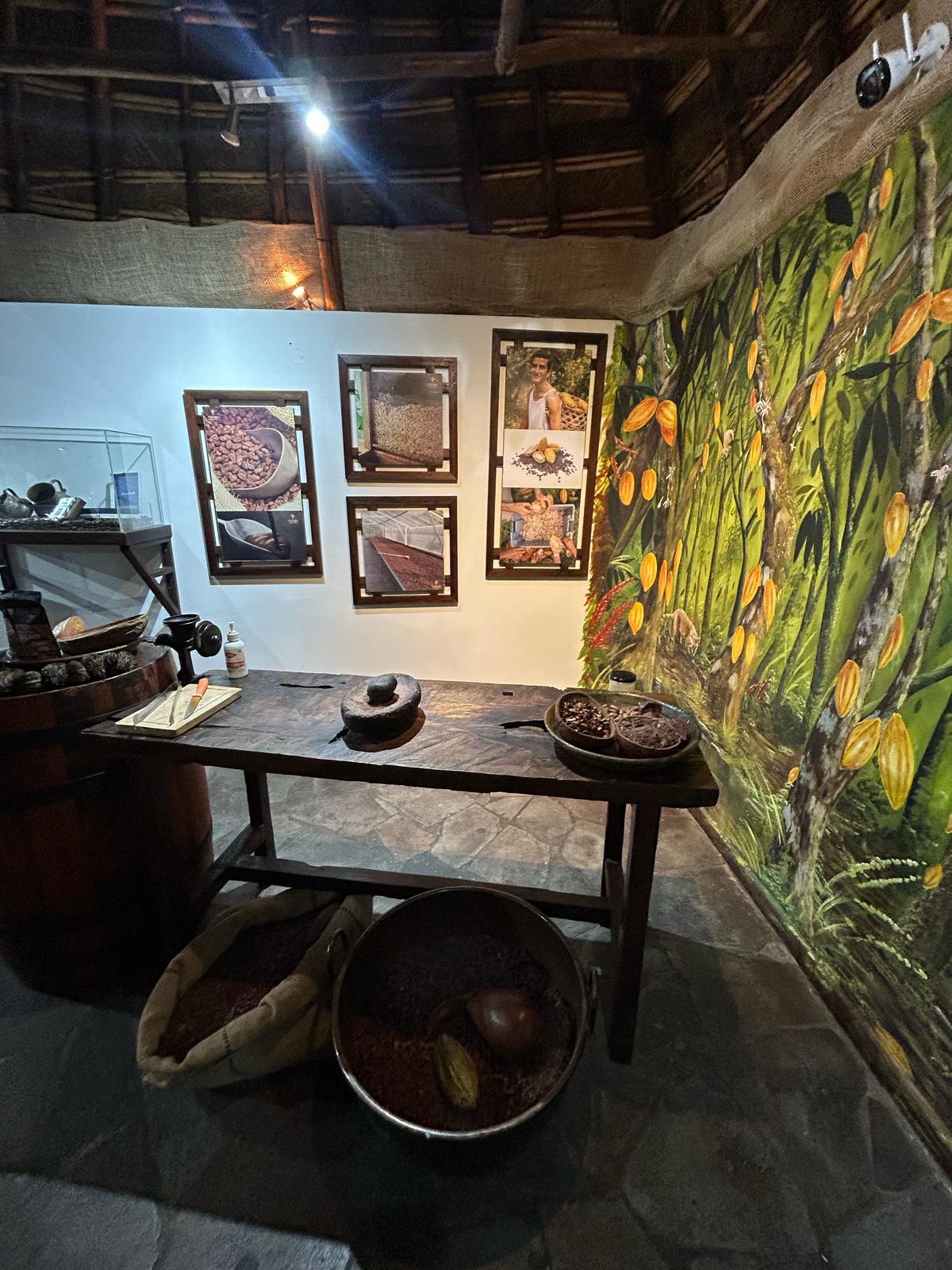
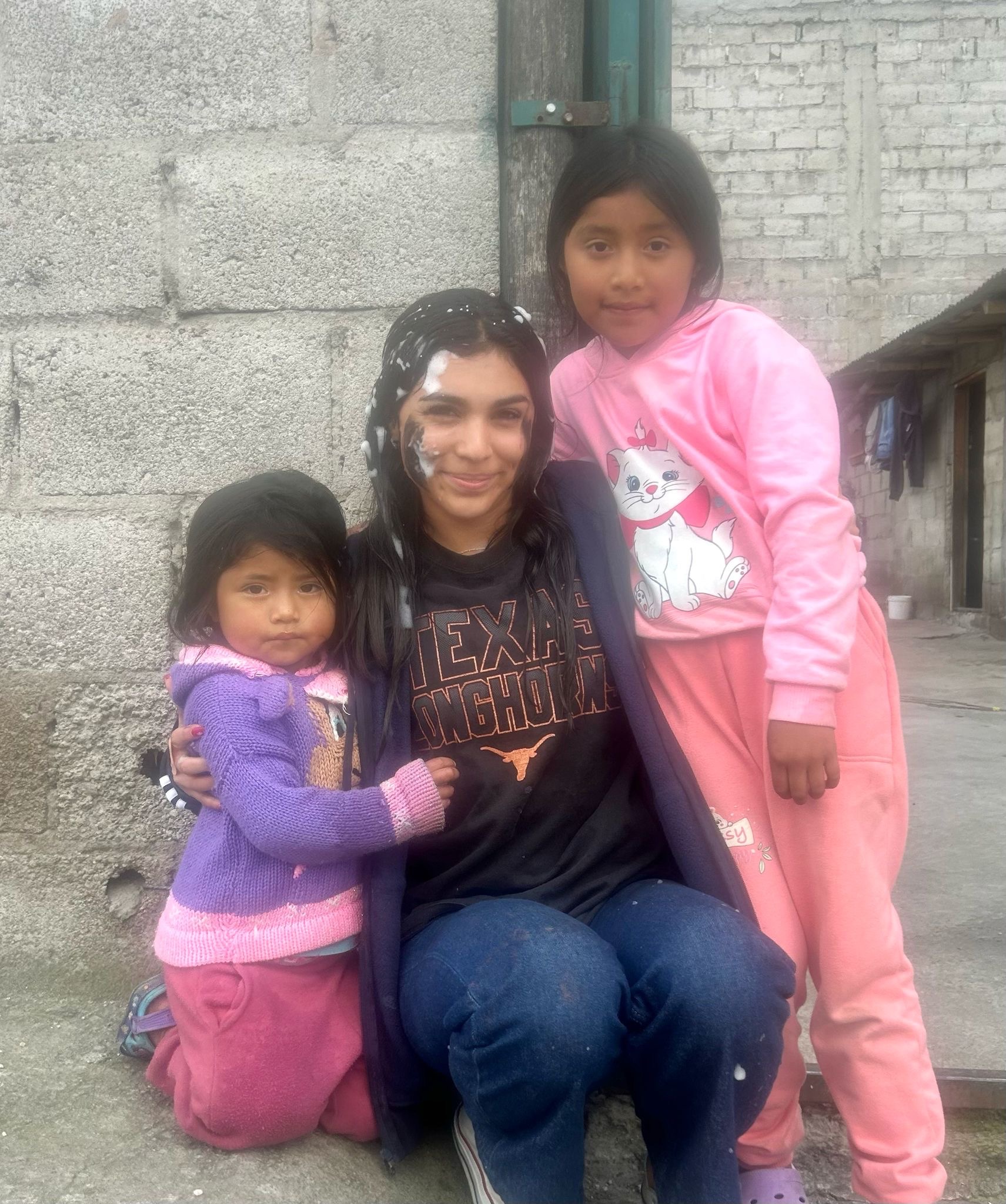
On March 1st, as she landed from visiting her brothers in Europe during Spring Break, Joana traveled to Ecuador on a school service trip. I love these trips because they are eye-opening for those of us living in the comfort (that we often take for granted) of a country like the United States.
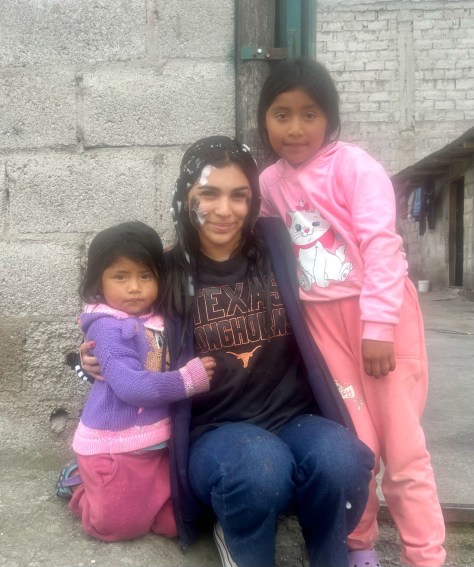
Part of the reason we carefully selected Fort Worth Christian many years ago for Johan was their faith-based curriculum that aligned with a low teacher to student ratio. As a Junior in High School, Joana benefitted from both and the trip to Ecuador opened up another world for her. As I write this, she’s working hard to save money for her next trip to Tanzania, Africa.
Space X
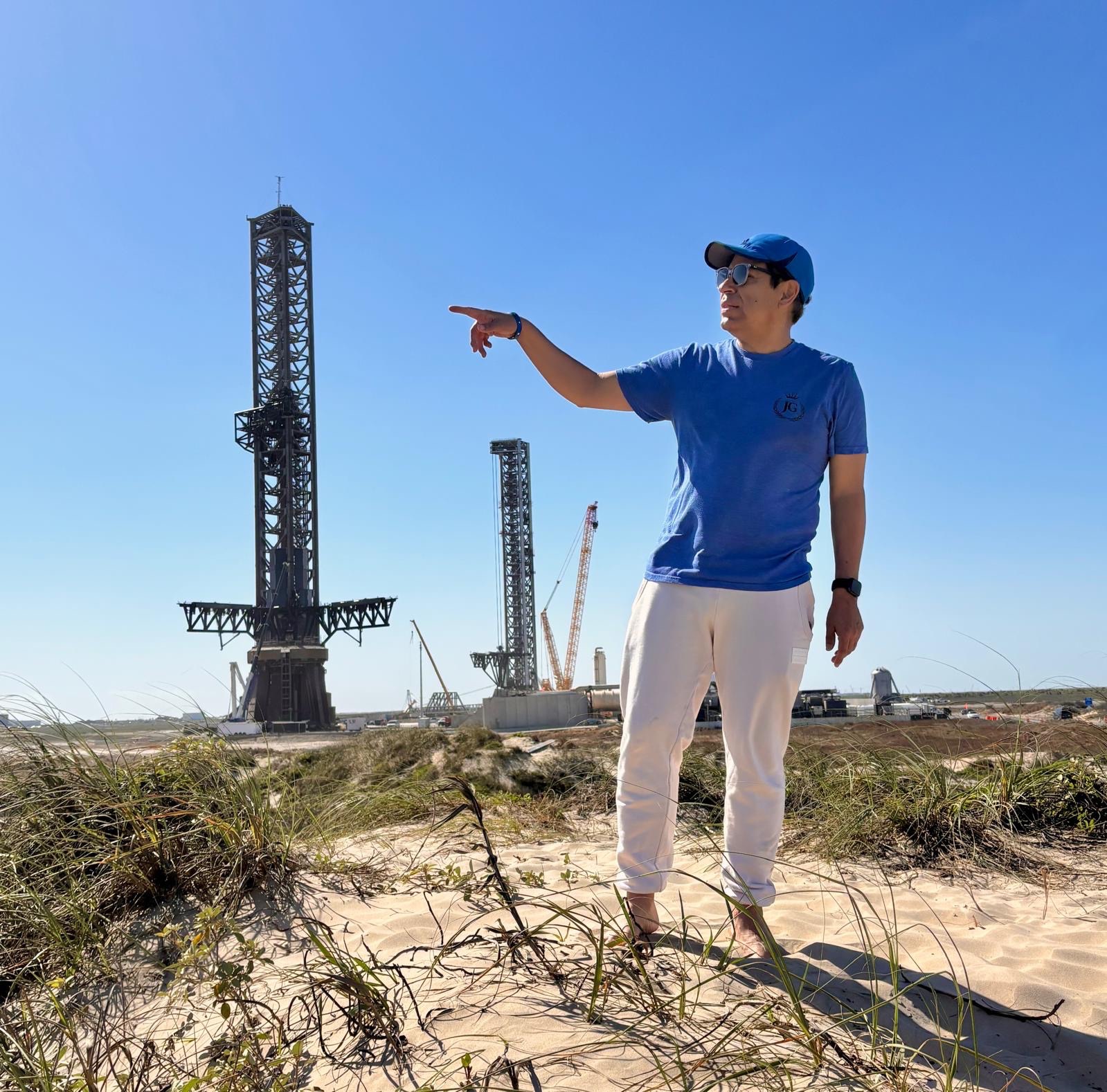
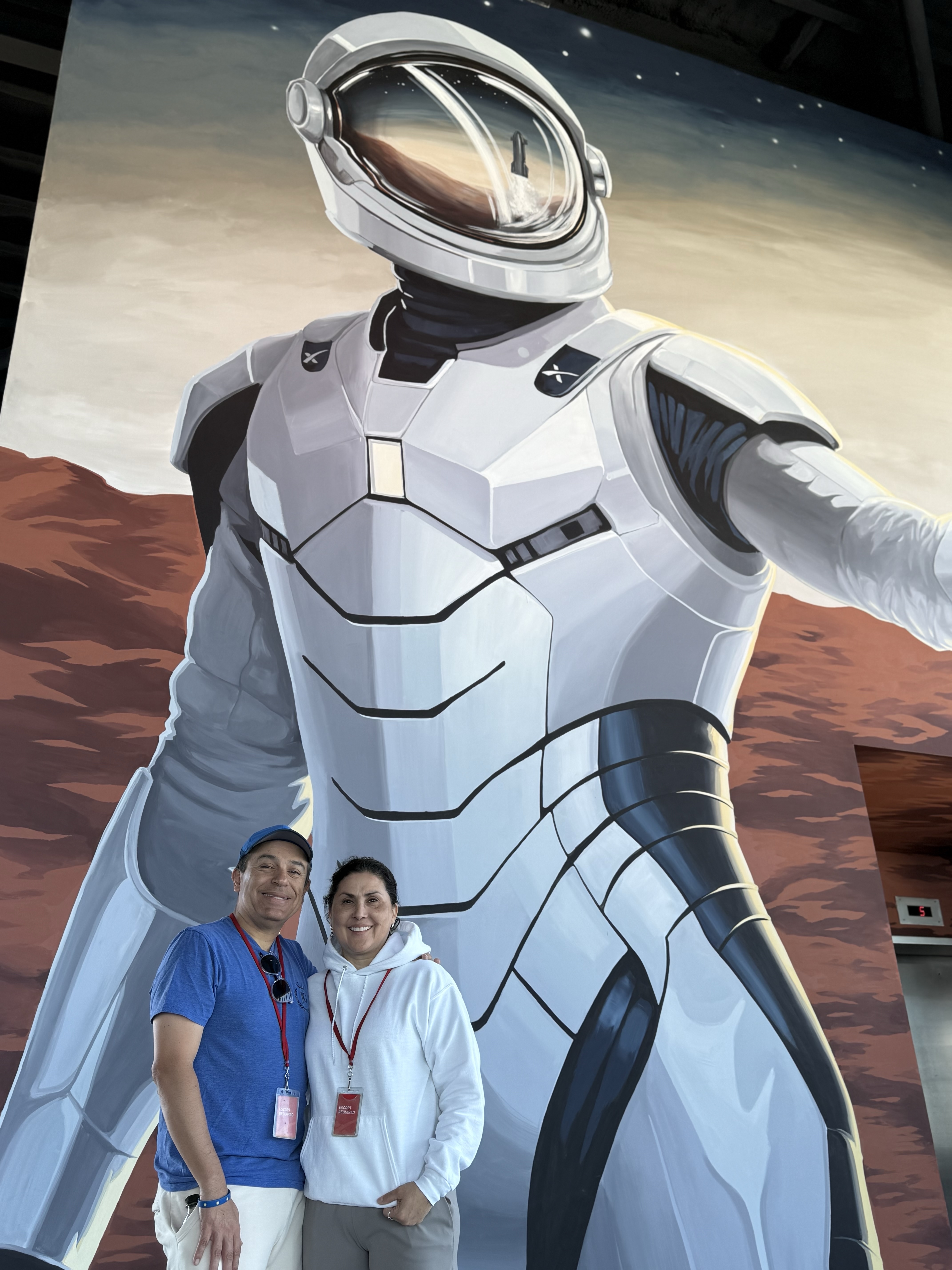
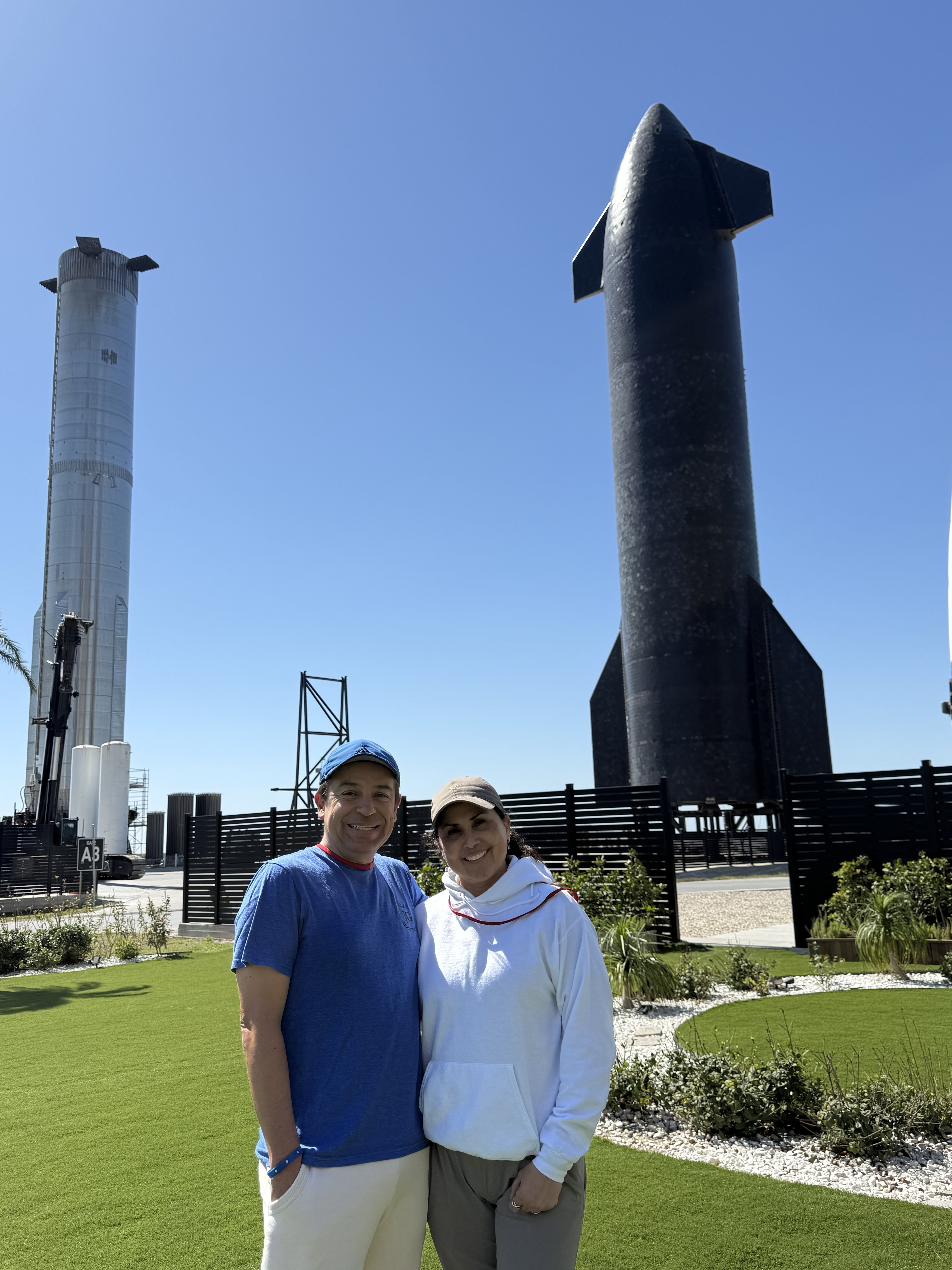
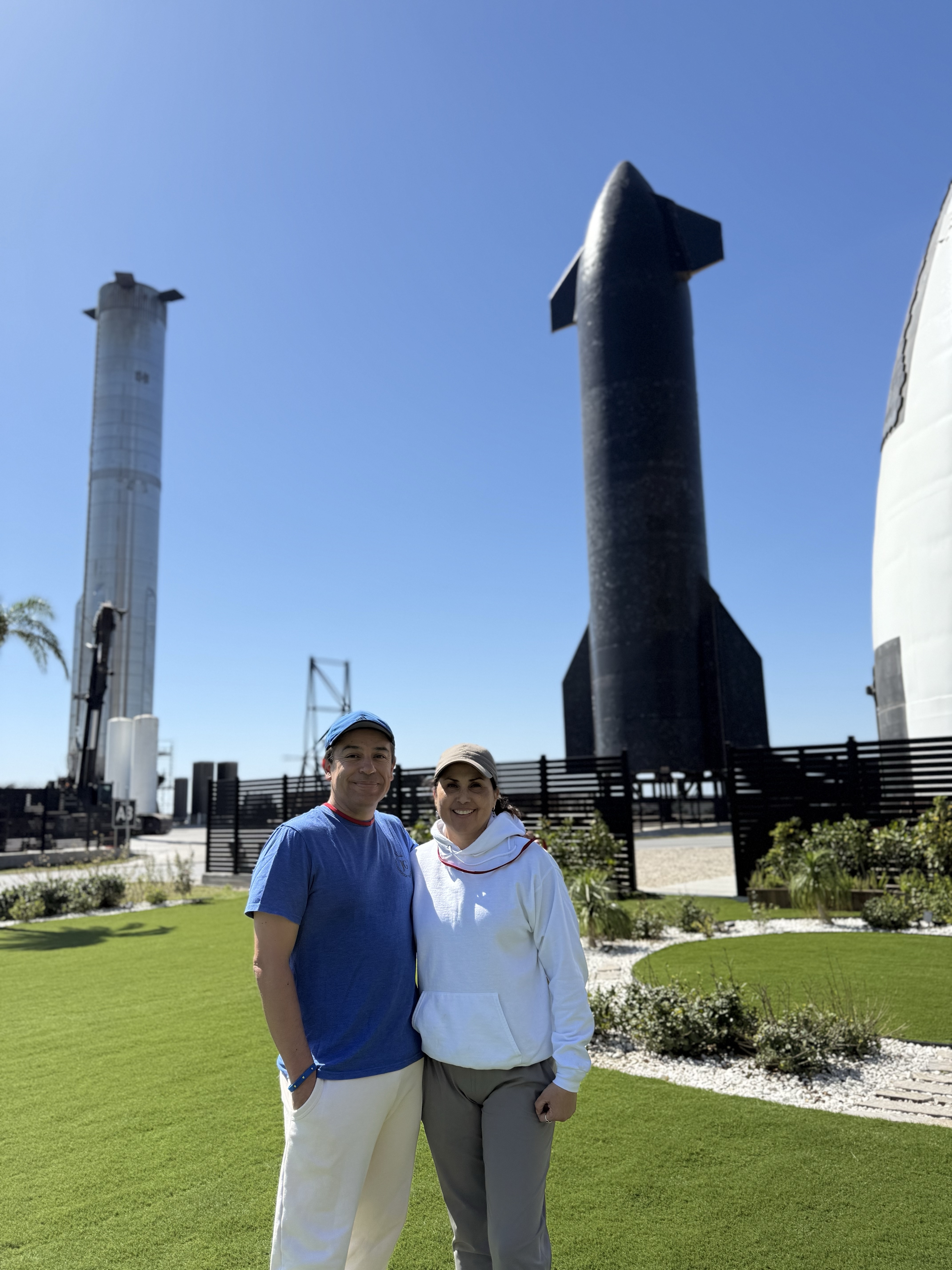
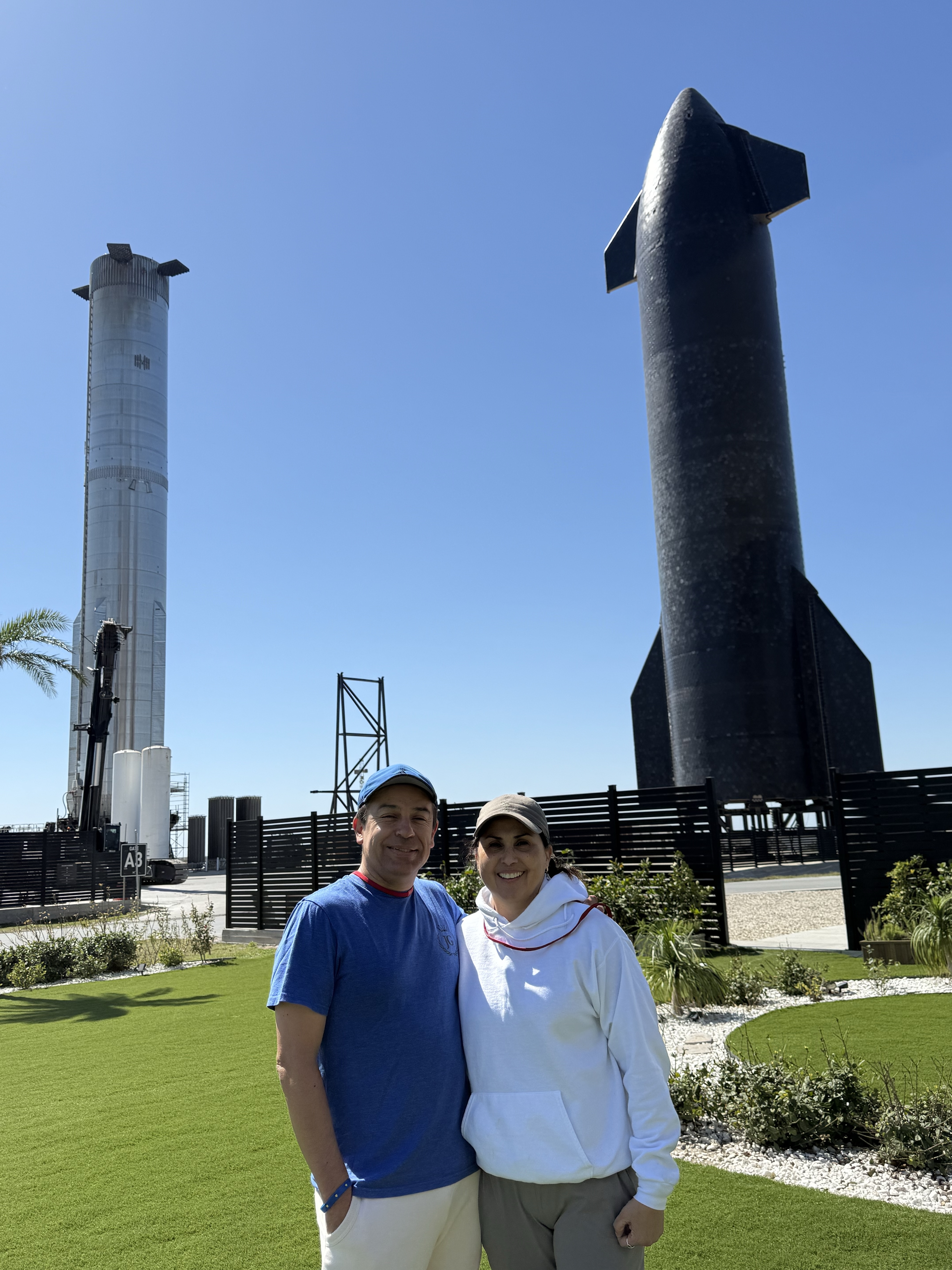
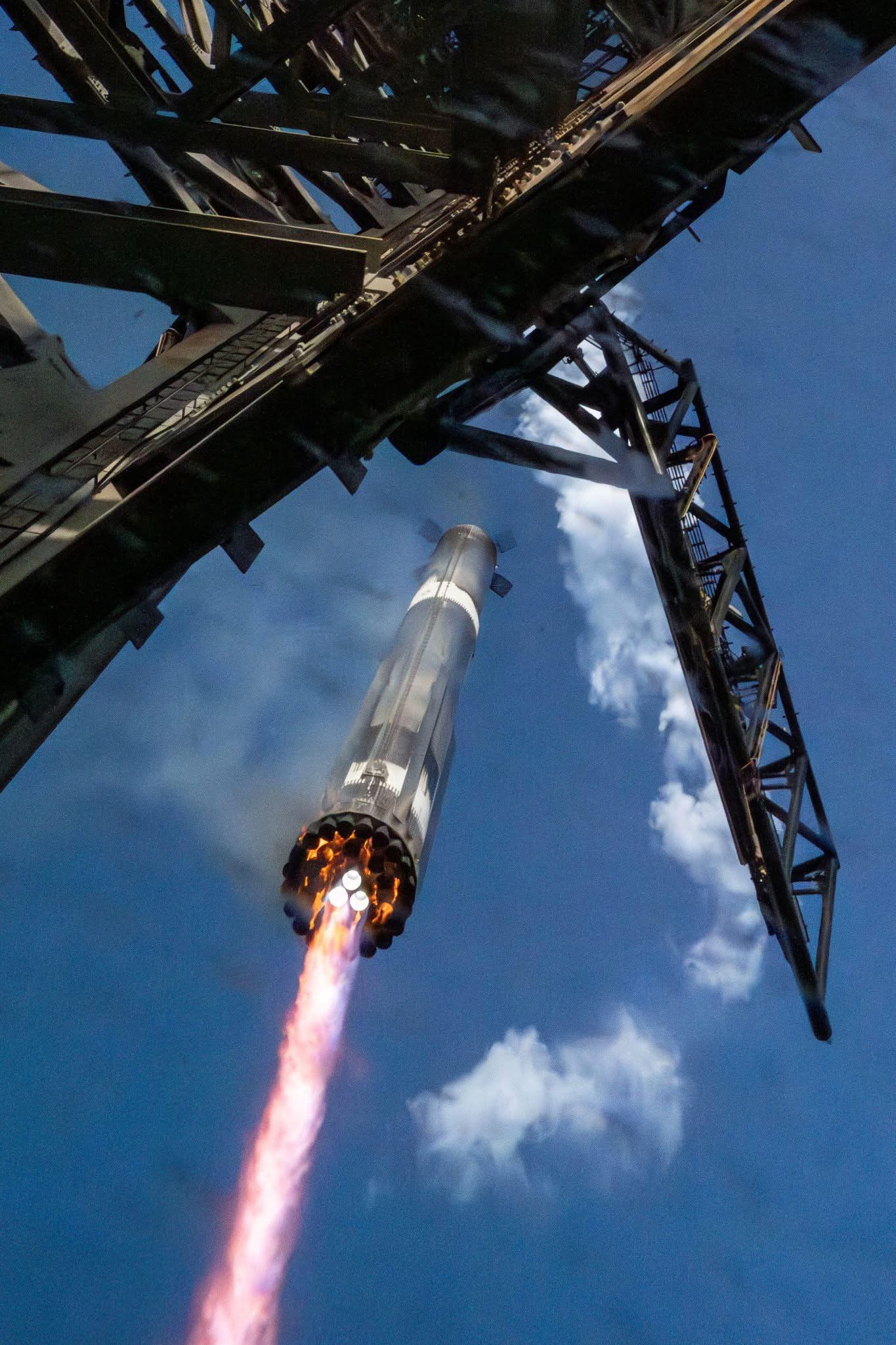
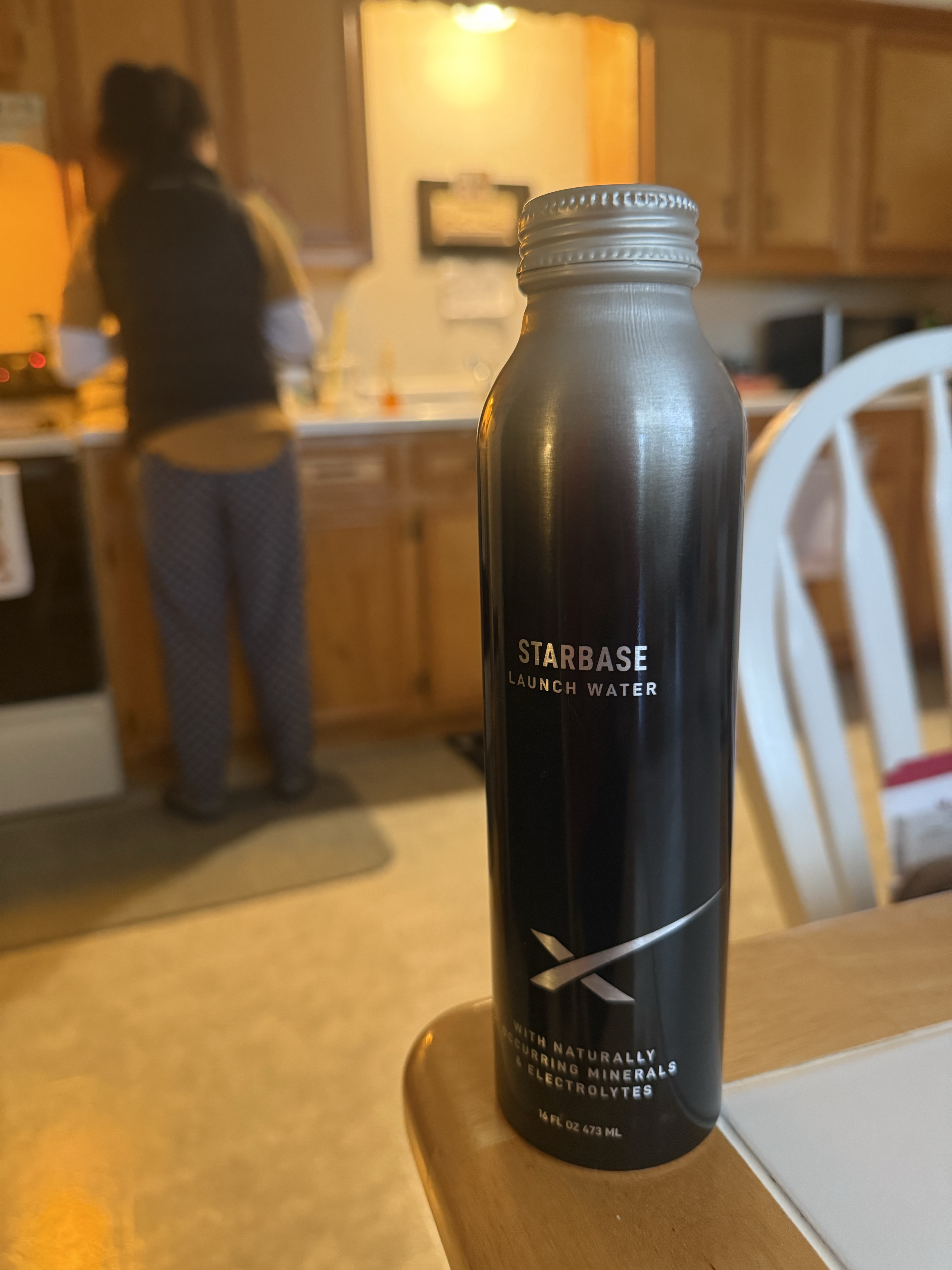
After witnessing our first live launch in October 2024, our curiosity piqued and we had to return to tour the Starbase facility where test rockets are manufactured and launched on a monthly basis. Therefore, in March, 2025, we received a special tour Space X Starbase’s facilities for the first time. It was incredible to see history being made.
National
CONCACAF Nations League
On March 23rd, Mexico finally won its first Nations League title after defeating Panama 2–1 in the final held at SoFi Stadium in Inglewood, California.
NFL
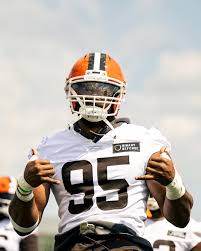
On March 9th, Cleveland Browns defensive end Myles Garrett becomes the highest paid non-quarterback in the National Football League after agreeing to a deal with the Browns that totals his salary at $40 million per year. I highlight this because his mom (Aubrey) and I worked at the same company for many years until years after he became a professional.
Global
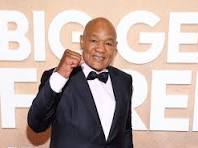
On March 21, world renowned boxer George Foreman passed away at the age of 76. nicknamed “Big George”. He was a two-time world heavyweight champion and a Mexico 1968 Olympic gold medalist
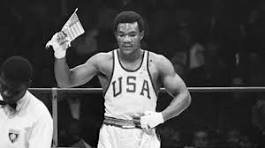
In 1969 Big George turned professional and four years later, he won the world heavyweight title with a stunning second-round knockout of the then-undefeated Joe Frazier. He then successfully defended the belt twice before suffering his first professional loss to Muhammad Ali in “The Rumble in the Jungle” in 1974. Foreman unable to secure another title opportunity, retired after a loss to Jimmy Young in 1977.
April
Personal
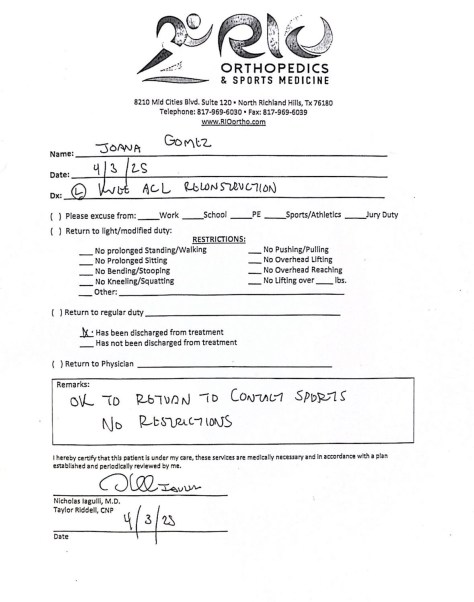
On April 3dr, Joana was medically released to return to contact sports without restrictions. This news easily made the best top 3 2025 days for the entire family. We got back to work right away.
National
NHL:
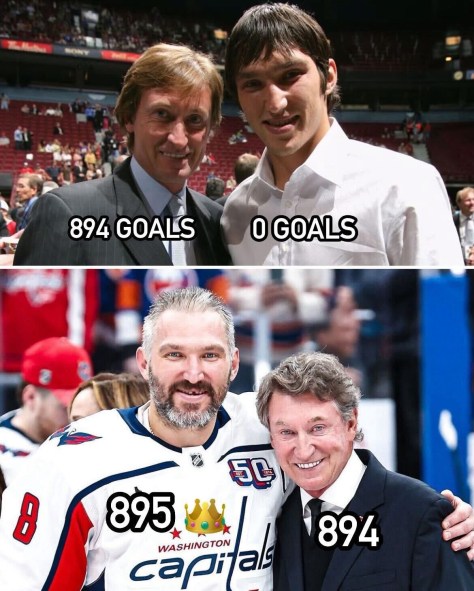
On April 6th, 2025, Washington Capitals Alex Ovechkin became the all-time goal scorer leader with 895 passing the great Canadian Wayne Gretzky.
NCAA Men’s Basketball
On April 7th, the 2025 NCAA Division I Men’s March Madness tournament came to an end. In a last minute comeback the Florida Gators defeated the Houston Cougars by a score of 65 to 63 to claim its third national title. The Final Four were the four #1 seeds: Florida, Duke, Houston, and Auburn.
Global
On April 21st, just a day after having presided over Resurrection Sunday, Pope Francis peacefully passed away at the tender age of 84. He was the first Jesuit pope, the first Latin American, and the first born or raised outside Europe since the 8th-century Syrian pope Gregory III.
May
Personal
Football
On May 27th, Johan’s Eintracht Braunschweig retained the Bundesliga.2 class. After having won the away relegation match 2-0 against FC SaarBruken, and then losing the second match at home by the same scoreline in regular forcing overtime, the lions came back in overtime to score two goals and maintain the class one more year. This inconsistency will not be sustainable for a third consecutive year unfortunately.
Family
We have a new family member. On May, 30th, Johan officially took the plunge and proposed to Madison. If you haven’t viewed the proposal pictures that took place in Porto, they are very picturesque and tell a story of friendship, love, and companionship. Looking forward to their next phase in their lives this upcoming year.
National
On May 3, despite poor weather conditions and a sloppy racing surface, Sovereignty won the 1.25 mile 2025 Kentucky Derby to defeat 18 other horses. It was the first Derby victory for Venezuelan jockey Junior Alvarado. Churchill Downs reported an attendance of 147,406 for the 2025 Derby. This is an event that escaped us while we lived in Louisville, but hopefully we can attend one day.
Global
Pope Leo XIV
On May 8, Prevost was elected as the new pope on the second day of the conclave, on the fourth ballot. White smoke appeared from the Sistine Chapel at 18:07 CEST (UTC+2), signifying to the public that a pope had been chosen. After accepting his election and adopting his papal name, Leo embraced his fellow cardinals upon exiting the Sistine Chapel. Cardinal Dominique Mamberti, the cardinal protodeacon, made the traditional Latin proclamation, Habemus papam, announcing Pope Leo XIV to the public for the first time from the central loggia of St. Peter’s Basilica. According to Italian law enforcement, by the time of the habemus papam announcement, there were up to 150,000 in the square.
Roland Garros Men’s Single
In a match destined for the history books, Carlos Alcaraz staged an astonishing comeback from two sets down to edge out world No. 1 Jannik Sinner in the 2025 Roland-Garros final. Despite losing the opening sets 4-6, 6-7(4), and facing three championship points at 3-5 in the fourth, Alcaraz rallied with determination, saving every break to force a deciding super tiebreak.
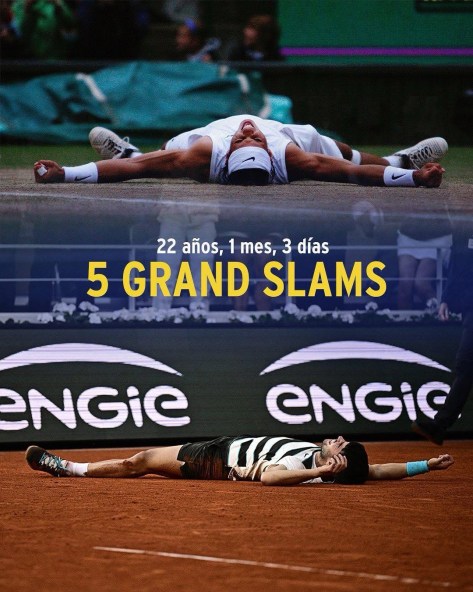
After an epic 5 hours and 29 minutes -the longest final at Paris to date- he clinched the title 4-6, 6-7(4), 6-4, 7-6(3), 7-6(10-2), claiming his fifth straight Grand Slam final win and becoming only the third man in the Open Era to defend the French Open crown and save match points in the process. Spooky fun fact: Alcaraz won his fifth Grand Slam at 22 years, 1 month, and 3 days…the exact same age Rafa Nadal was when he won his fifth Grand Slam.
European Nations League Final
The 2025 UEFA Nations League final was held on June 8, 2025, at the Allianz Arena in Munich, Germany. Portugal defeated Spain 5-3 in a penalty shootout after the match ended in a 2-2 draw following extra time. Alvaro Morata missed the only PK. This was Portugal’s second Nations League title and made them the first team to win the competition twice.
June
Personal
Jogo
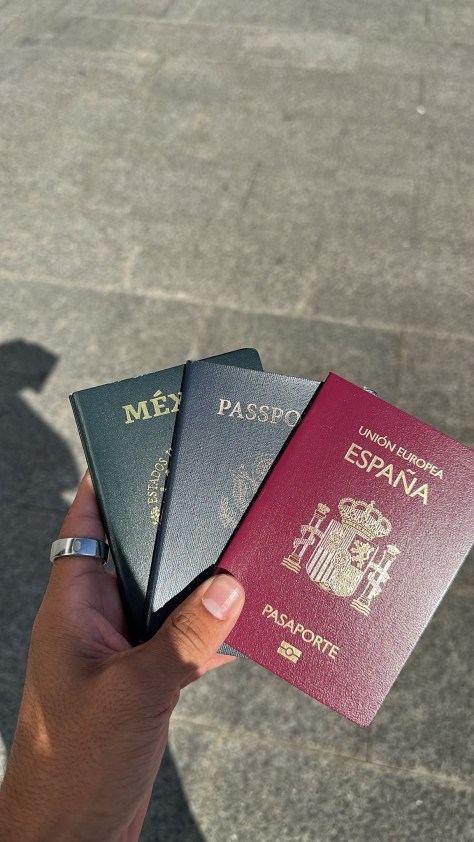
Jogo’s paperwork was finally approved and it got all sorted out for the beginning of the 2025-2026 season which impacted his playing time for the 2024-2025 season. It’s now official…now onto the next citizenship.
Joana
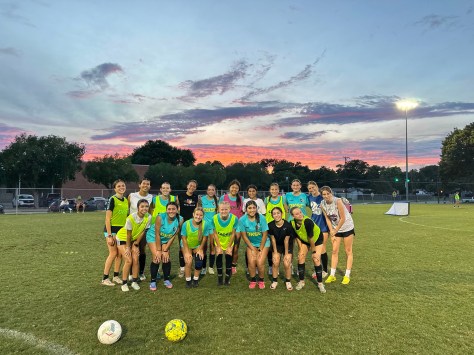
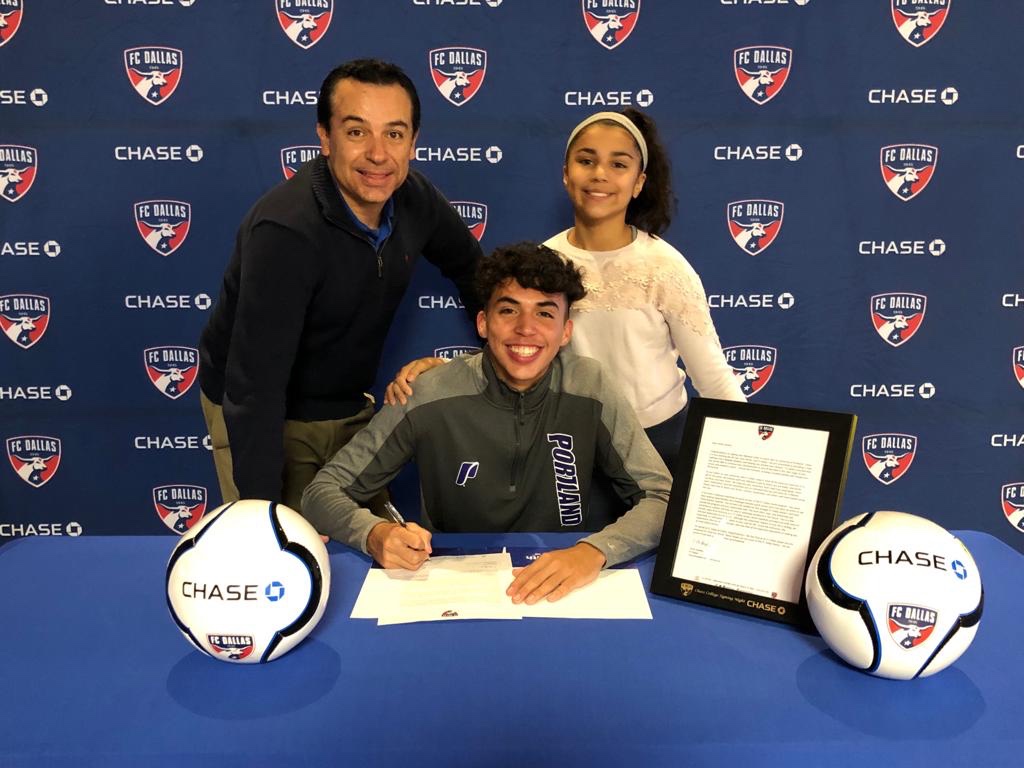
On June 22nd, Joana received her first offer to play football at the next level….more to come once a decision is made in 2026…the upcoming school year should be a fun one.
National
The Dallas Mavericks drafted Cooper Flagg as the first overall pick in the 2025 NBA Draft. The Mavericks secured the top pick after winning the draft lottery, despite having only a 1.8% chance. This will be the second time in franchise history that the Mavericks have held the first overall pick. Flagg, a highly touted prospect from Duke University, is known for his all-around game and defensive prowess. The draft lottery result and the subsequent acquisition of Flagg are seen as a positive turning point for the Mavericks organization and its fans, especially after the trade of Luka Dončić.
Global
On June 22nd, the Oklahoma City Thunder defeated the Indiana Pacers in game seven by a score of 103-91 to become the 2025 NBA champions for the first time in franchise history. Shai Gilgeous-Alexander was named the NBA Finals MVP.
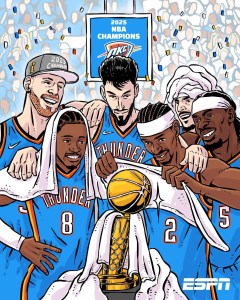
The 2025 Finals resulted in the seventh unique champion in seven years, the longest such streak in NBA history. Also, the series was the first since 2006 where both participating teams were seeking their first NBA championship.
July
Personal
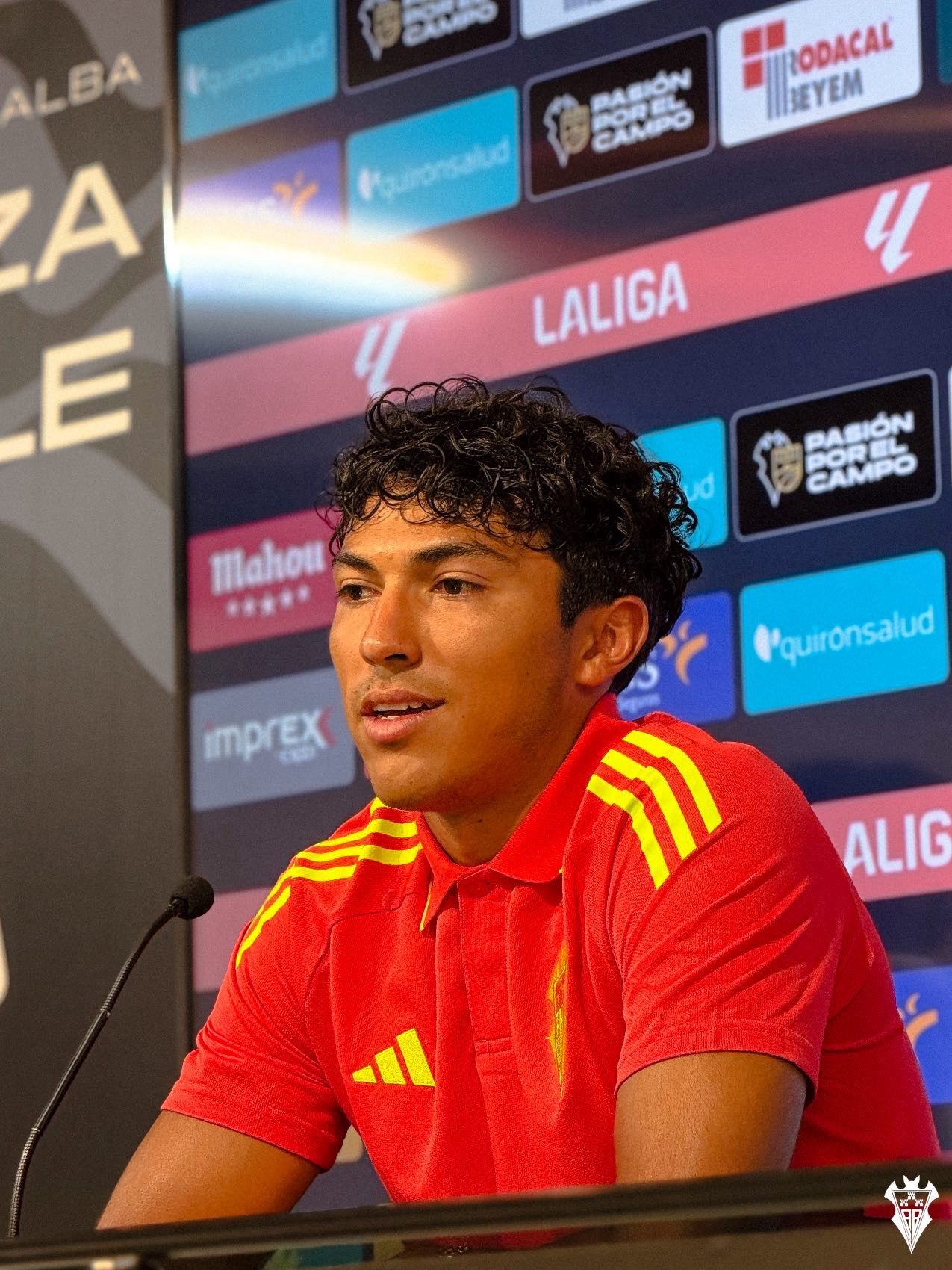
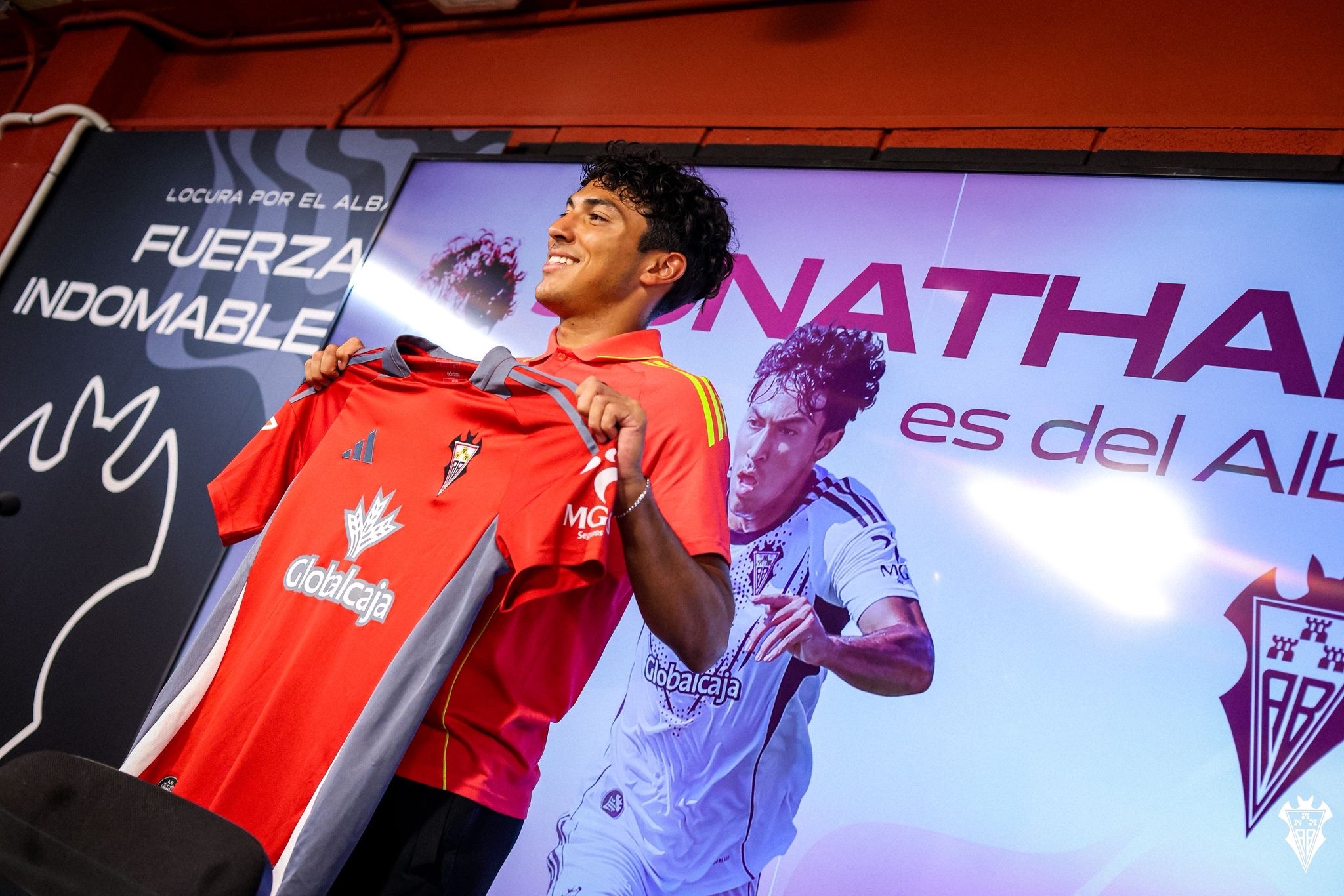
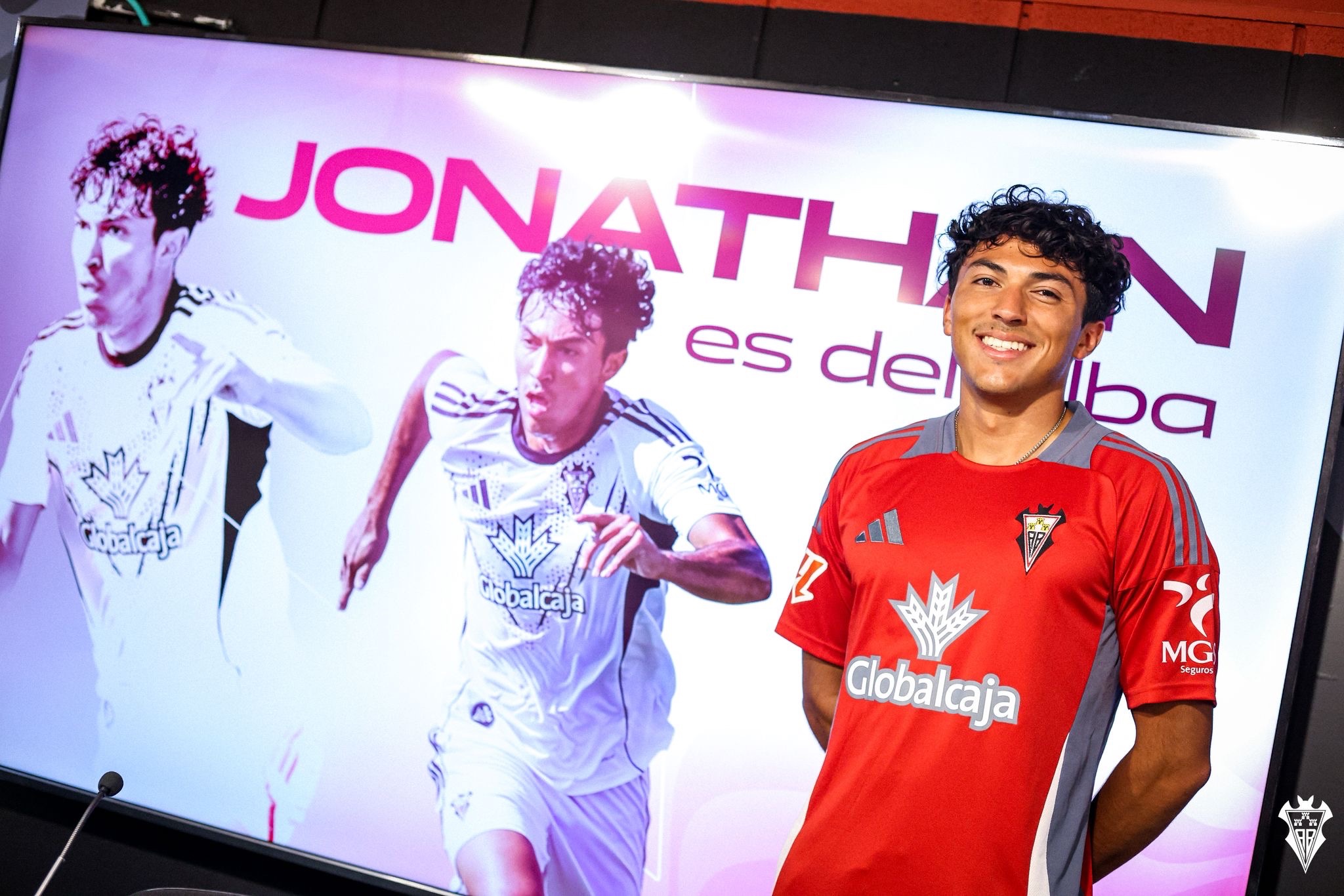
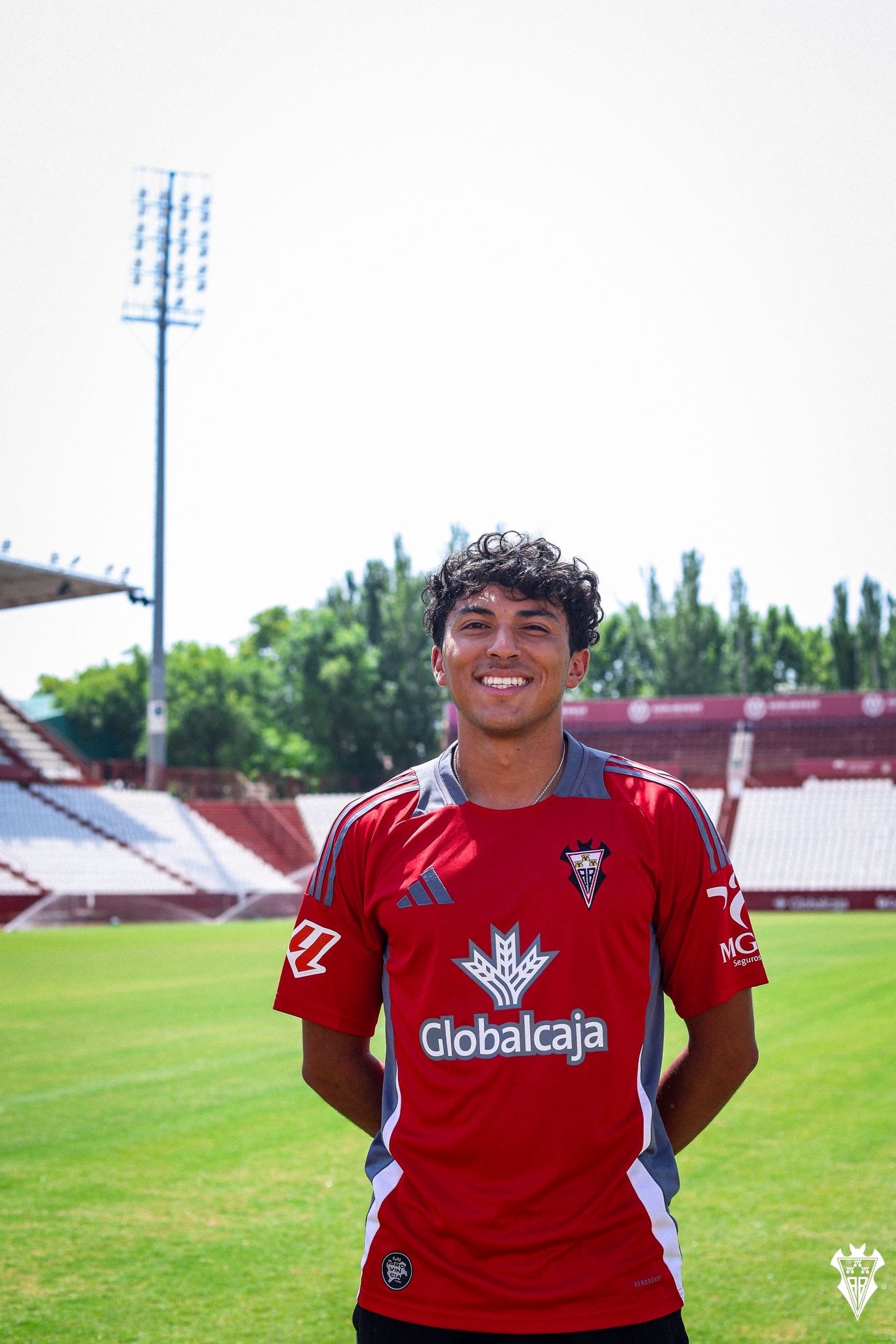
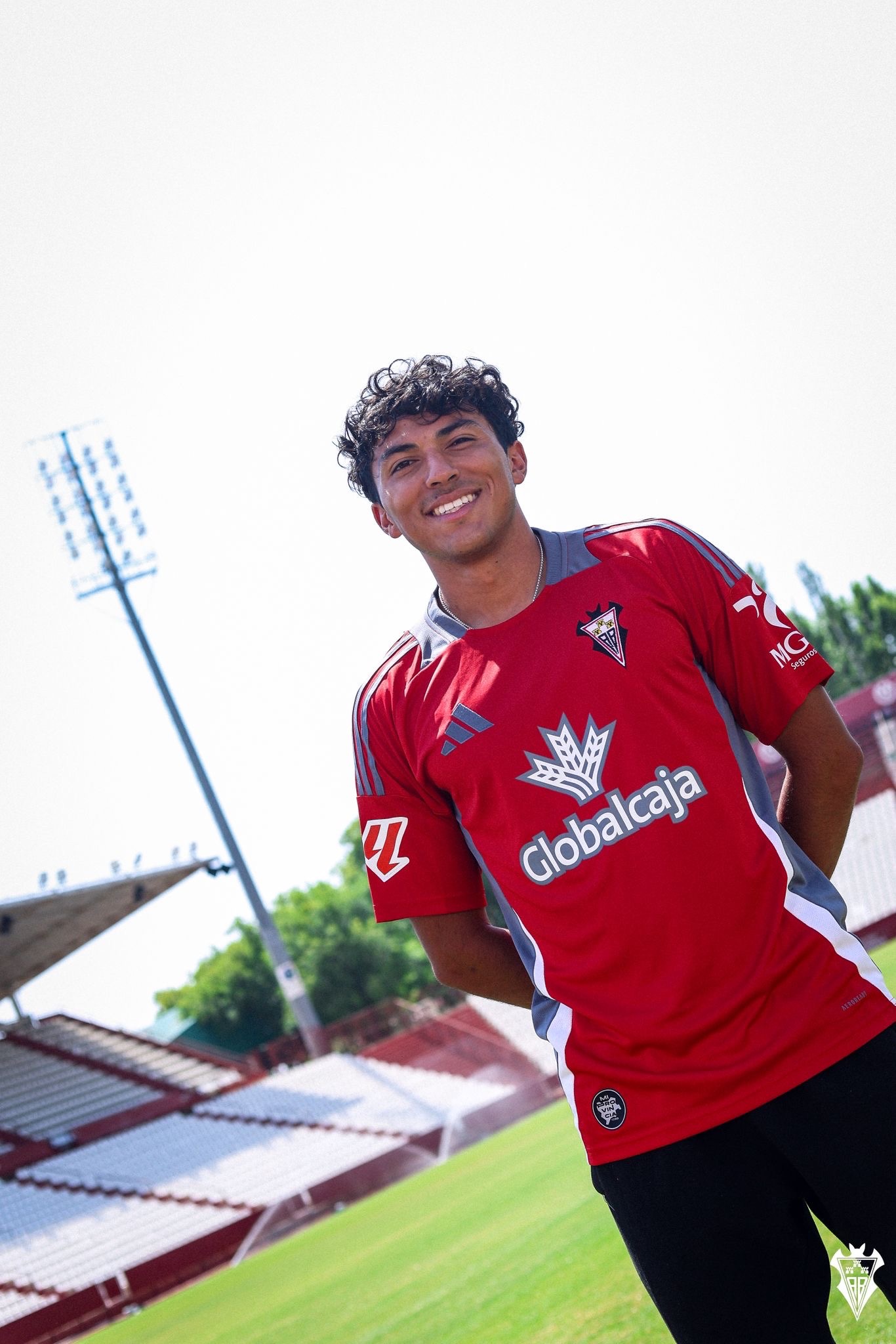
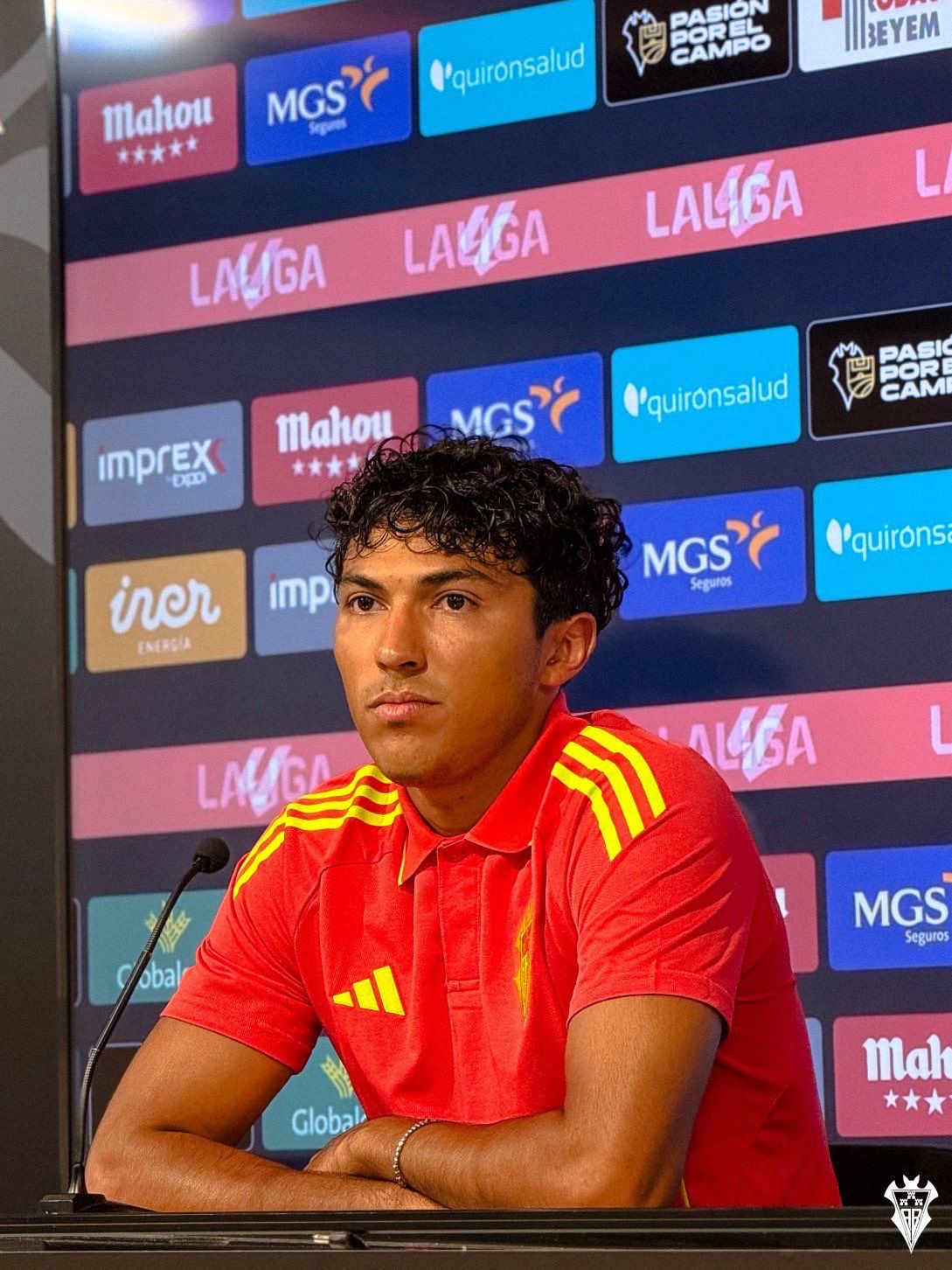
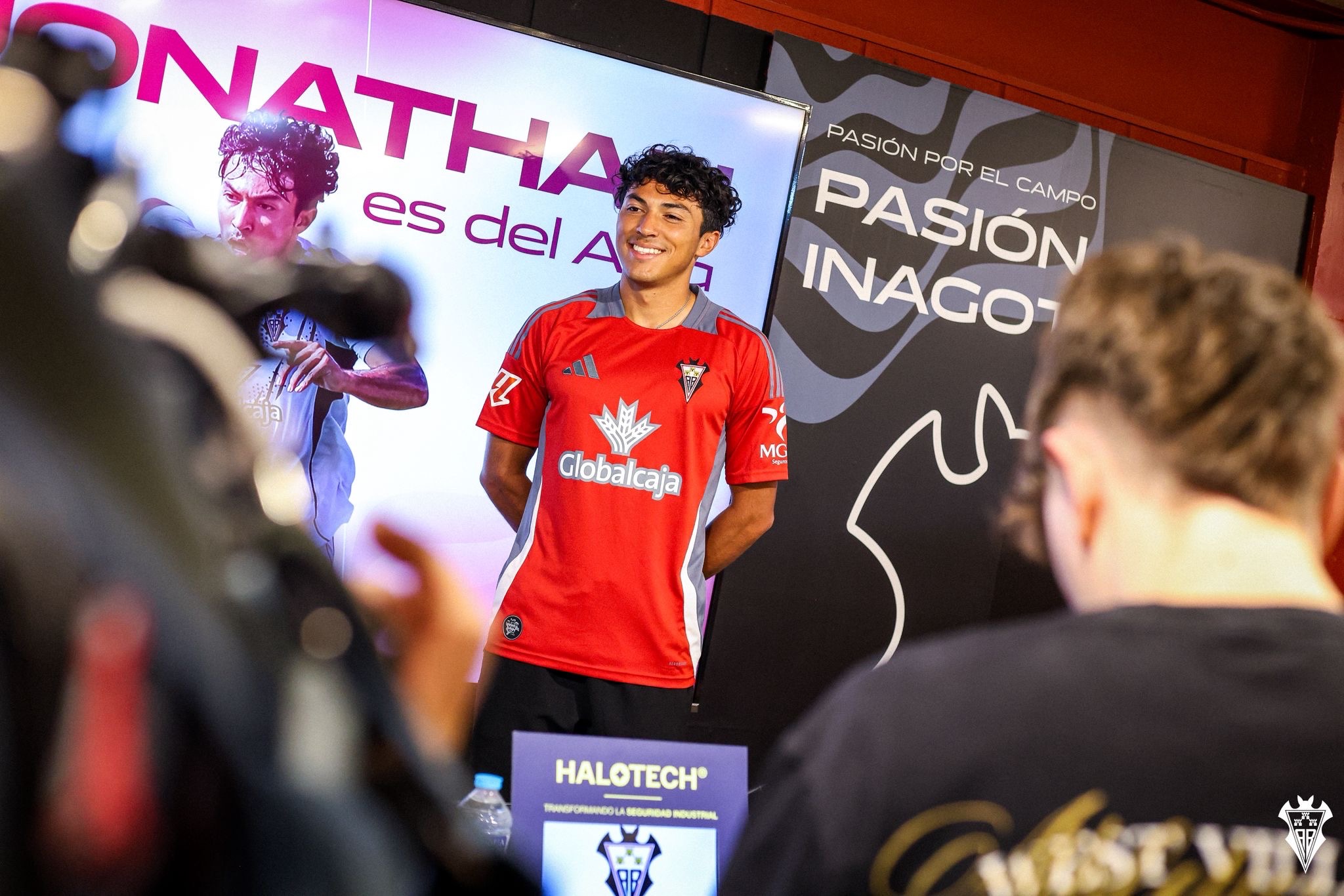
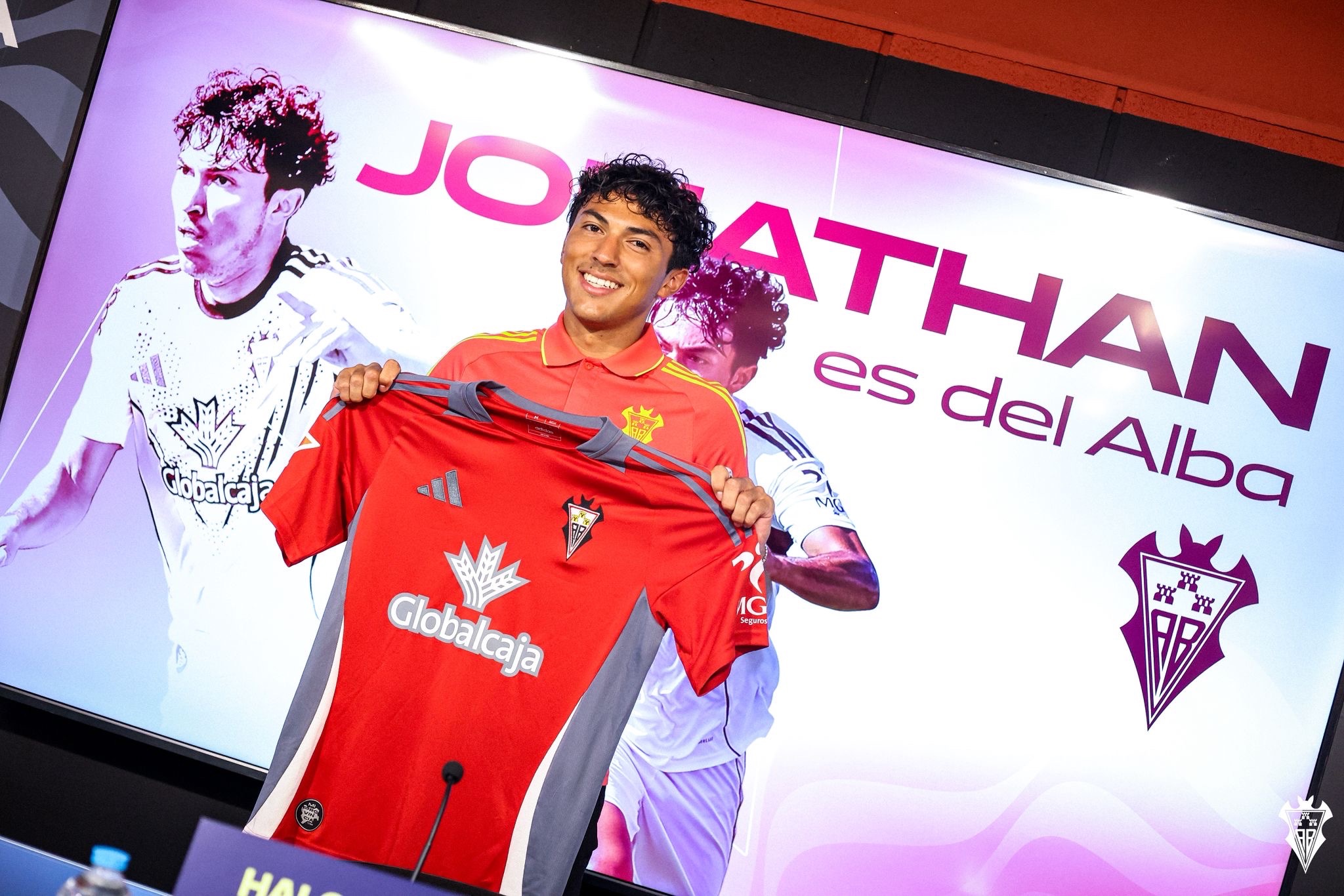
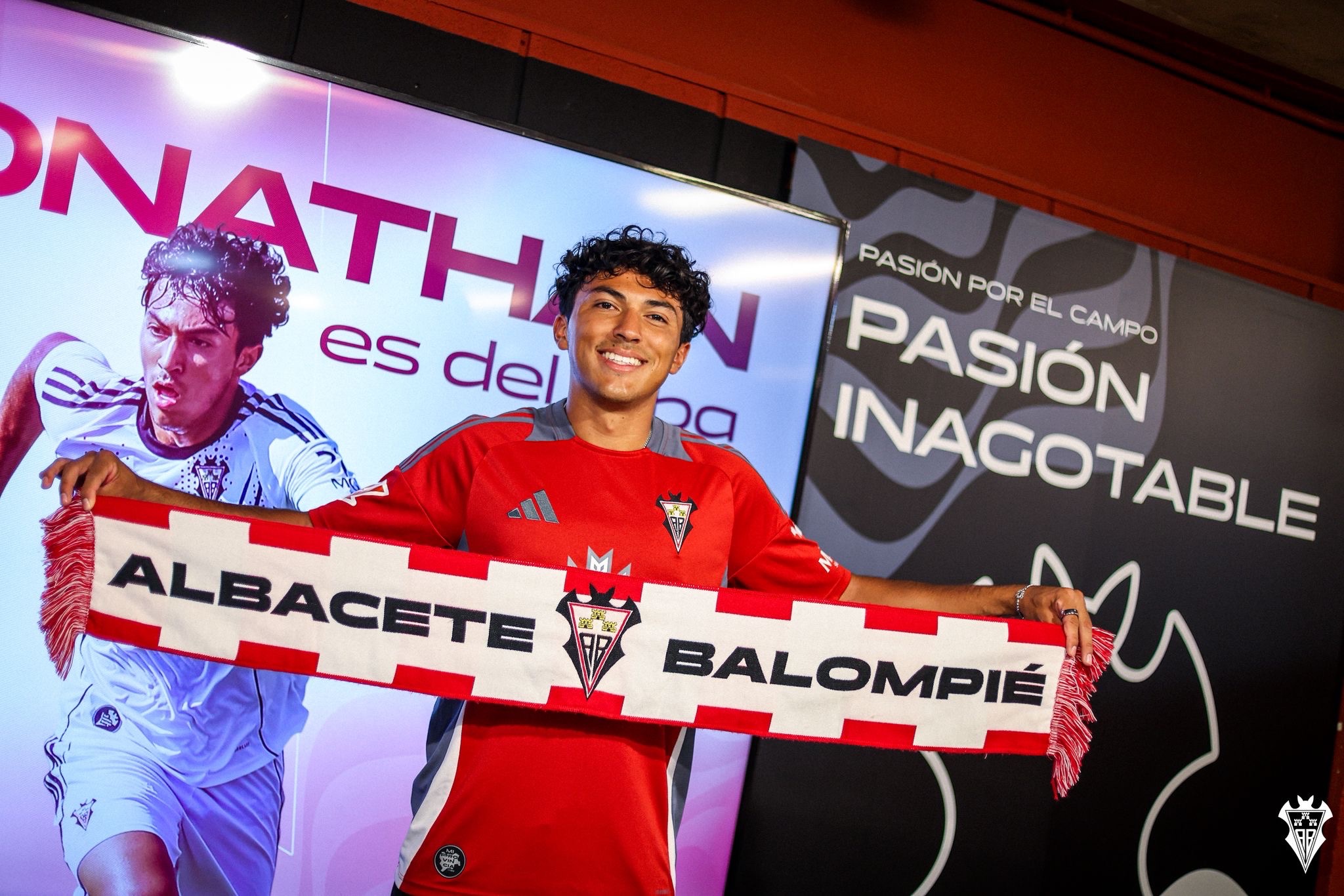
On July 10th, Jogo was announced as the new addition for Albacete Balompie. Now living in Spain’s second largest autonomous community: Castilla-La Mancha, he embarked on the next playing challenge in his young career.

National
Gold Cup
On July 6th, Mexico defended their 2023 Gold Cup crown by defeating the United States 2-1. USA playing with a B level squad challenged Mexico by scoring early on a header by a family friend Chris Richards. In the end, it was a game dominated by Mexico on their way to their 10th Gold Cup championship. Mexico’s real victory came through the discovery of Mexico’s next national team’s “jewel” Gilberto Mora.
Global
Central Texas Floods
On July 4th, a destructive and deadly flood took place in the Texas Hill Country, particularly in Kerr County, in the U.S. state of Texas. During the flooding, water levels along the Guadalupe River rose quickly and significantly when up to 20 in (510 mm) of rain fell in a short amount of time. As a result, at least 121 fatalities have been confirmed, of which at least 96 are in Kerr County, with more than 166 reported missing. The flooding was caused by Tropical Storm Barry.
Women’s Singles Wimbledon:
On July 12th, Polish Iga Swiatek defeated American Amanda Amisimova by two straight sets 6-0, 6-0. This is a rare occurrence (especially in a final) that had not occurred since 1986. Amanda would eventually avenge such loss at the US Open semifinal.
Men’s Singles Wimbledon:
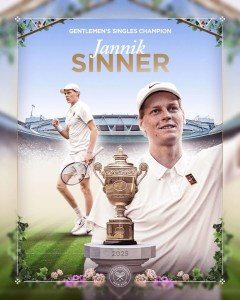
On July 13th, Jannik Sinner and Carlos Alcaraz were at it again just a few weeks after the historical Roland Garros final where Alcaraz had prevailed once again. This time, Sinner finally broke the curse after 5 consecutive losses to Alcaraz to take his first Wimbledon Grand Slam; the previous two (2023 and 2025) had been won by Carlitos. This rivalry will for sure be one that will become more popular in coming years.
Club World Cup
On July 13th, Chelsea FC defeated recently crowned Ligue 1, and 2025 Champions League first time champions Paris Saint-Germain by a score of 3-0. A strong performance from Cole Palmer who contributed with two goals and an assist led the way. Chelsea are now two-time Club World Cup champions having previously won it in 2021.
August
Personal
Joana:
Joana returned to club activity and scored this beauty on her first day back in competition and more importantly, on my birthday. Thank you Jogo #3.
Chuy:
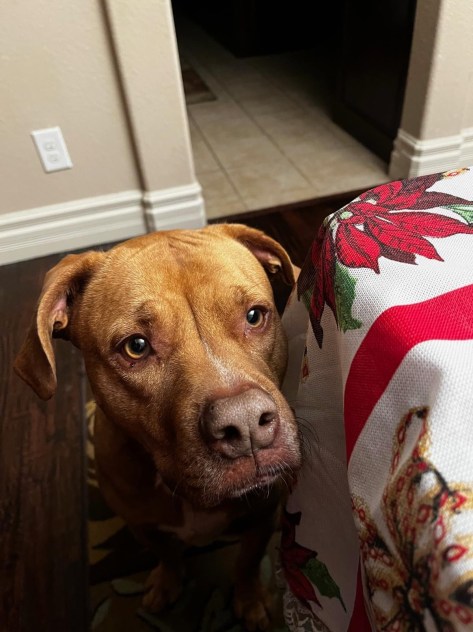
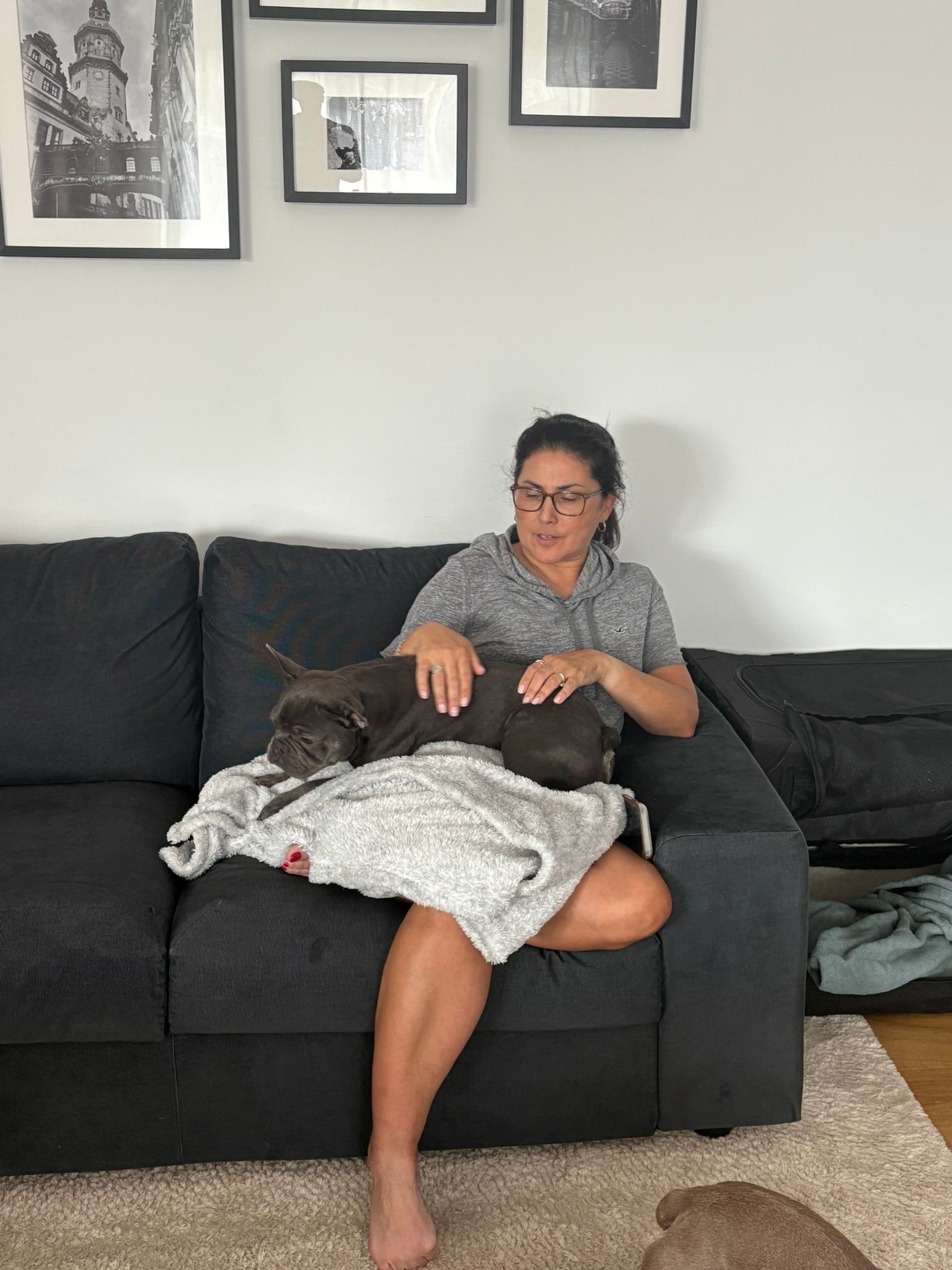
On August 16th (a day after my birthday), Chuy left us physically, but his kind spirit will live on with us forever. We were blessed to have had him in our lives for the last 5 years. Born on April 1st like his paternal grandmother, he lived a short but meaningful life and brought us a lot of joy.
Trip: Egypt, Germany, Greece, and Spain
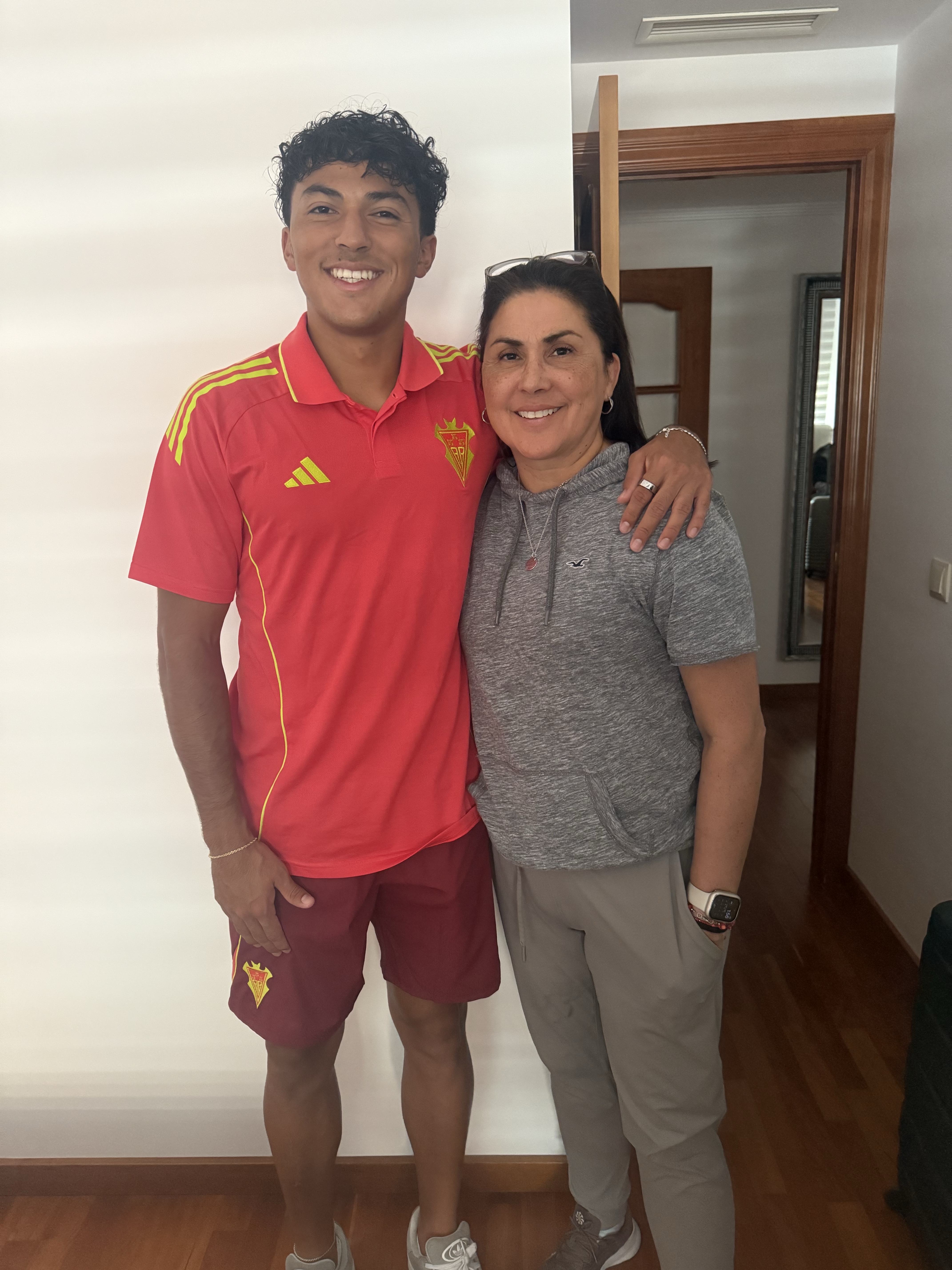
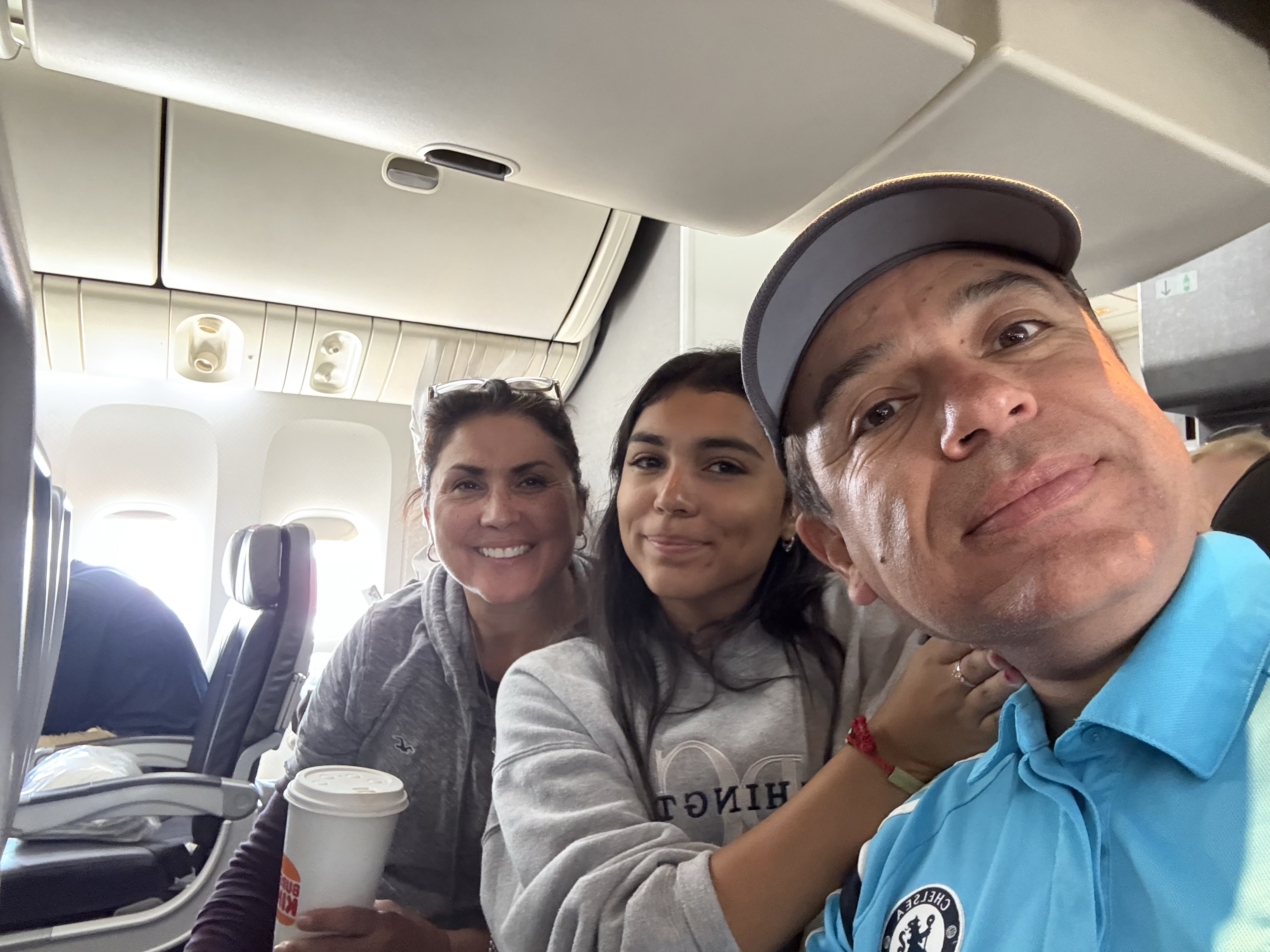
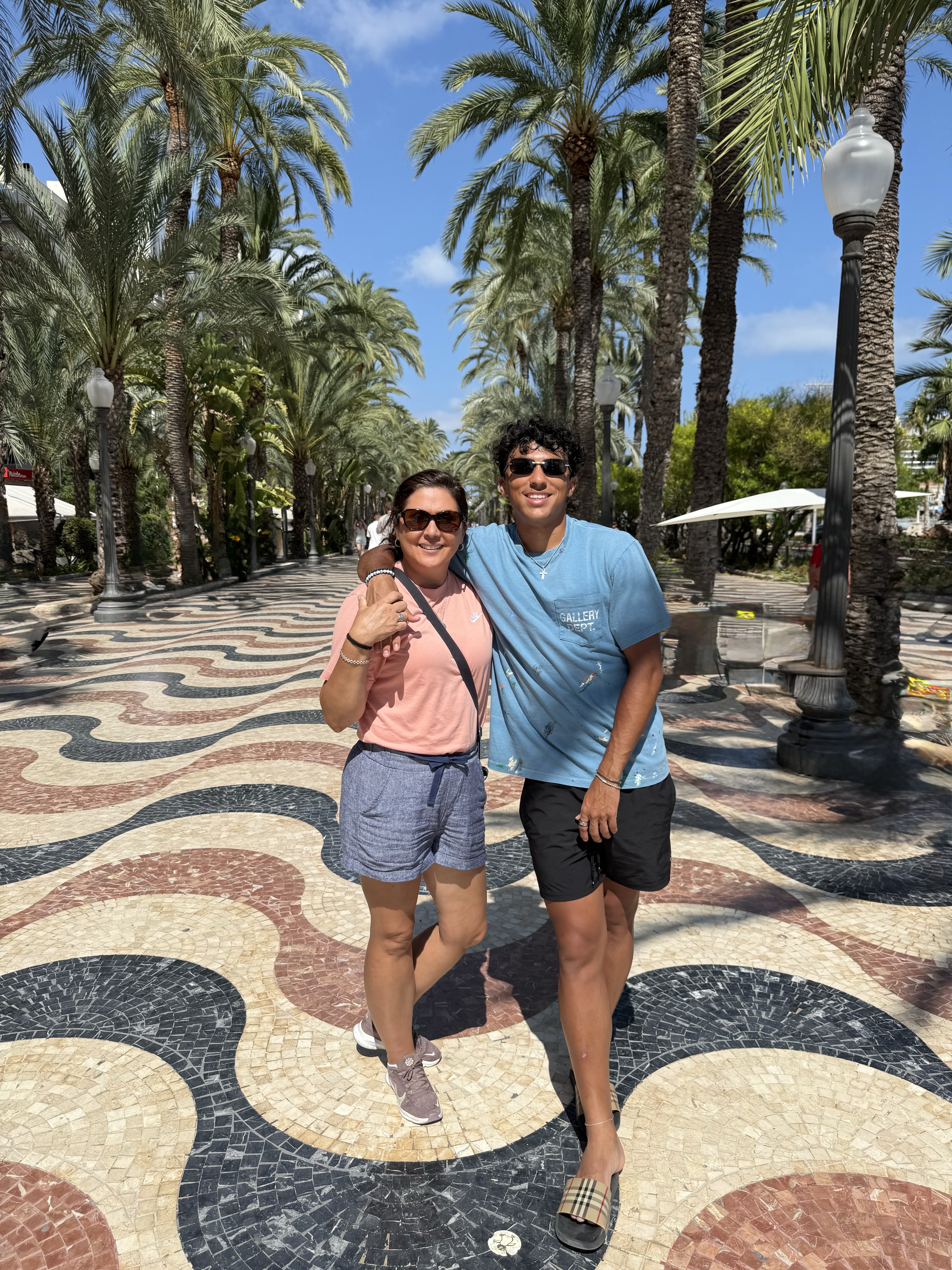
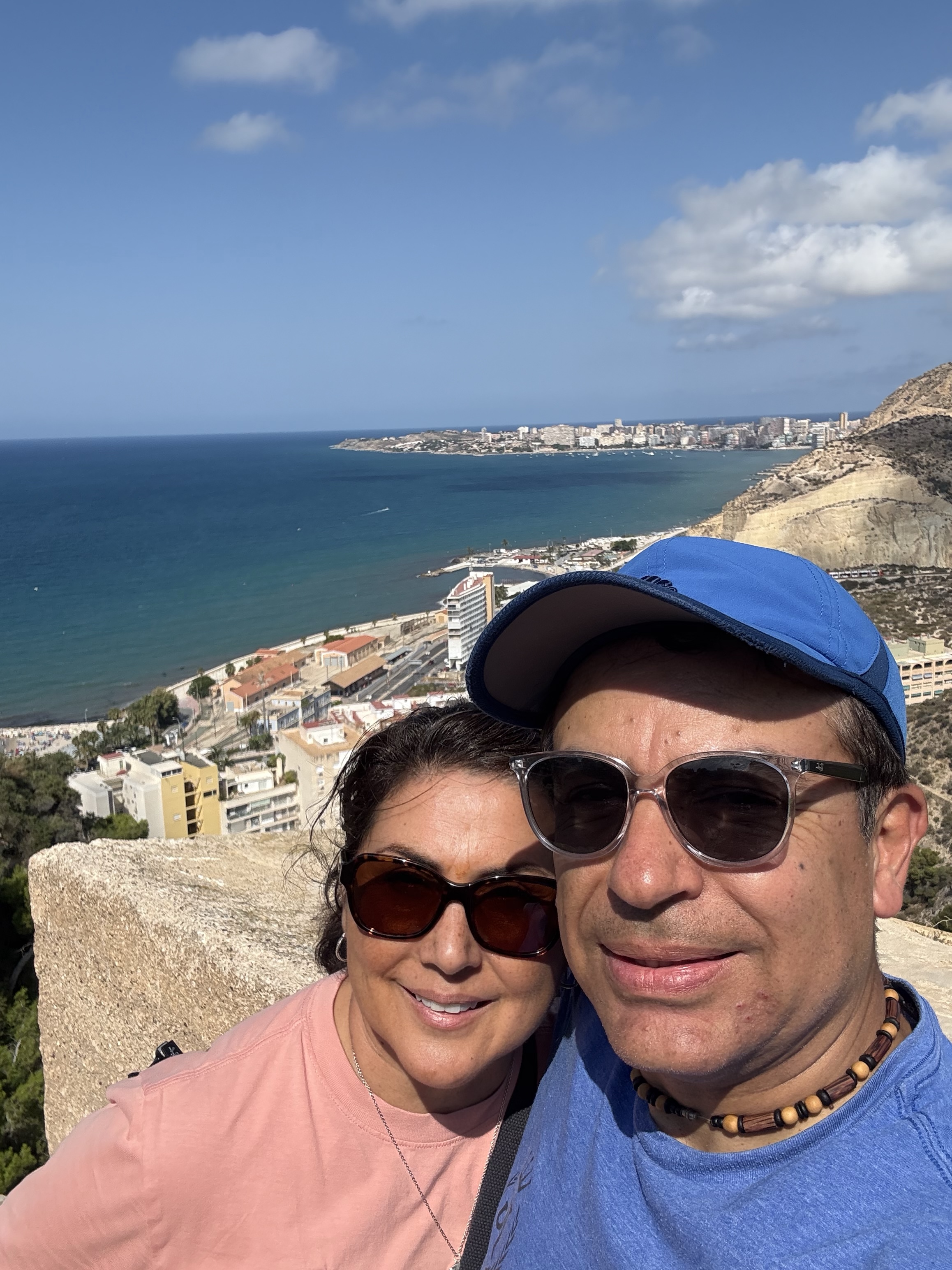
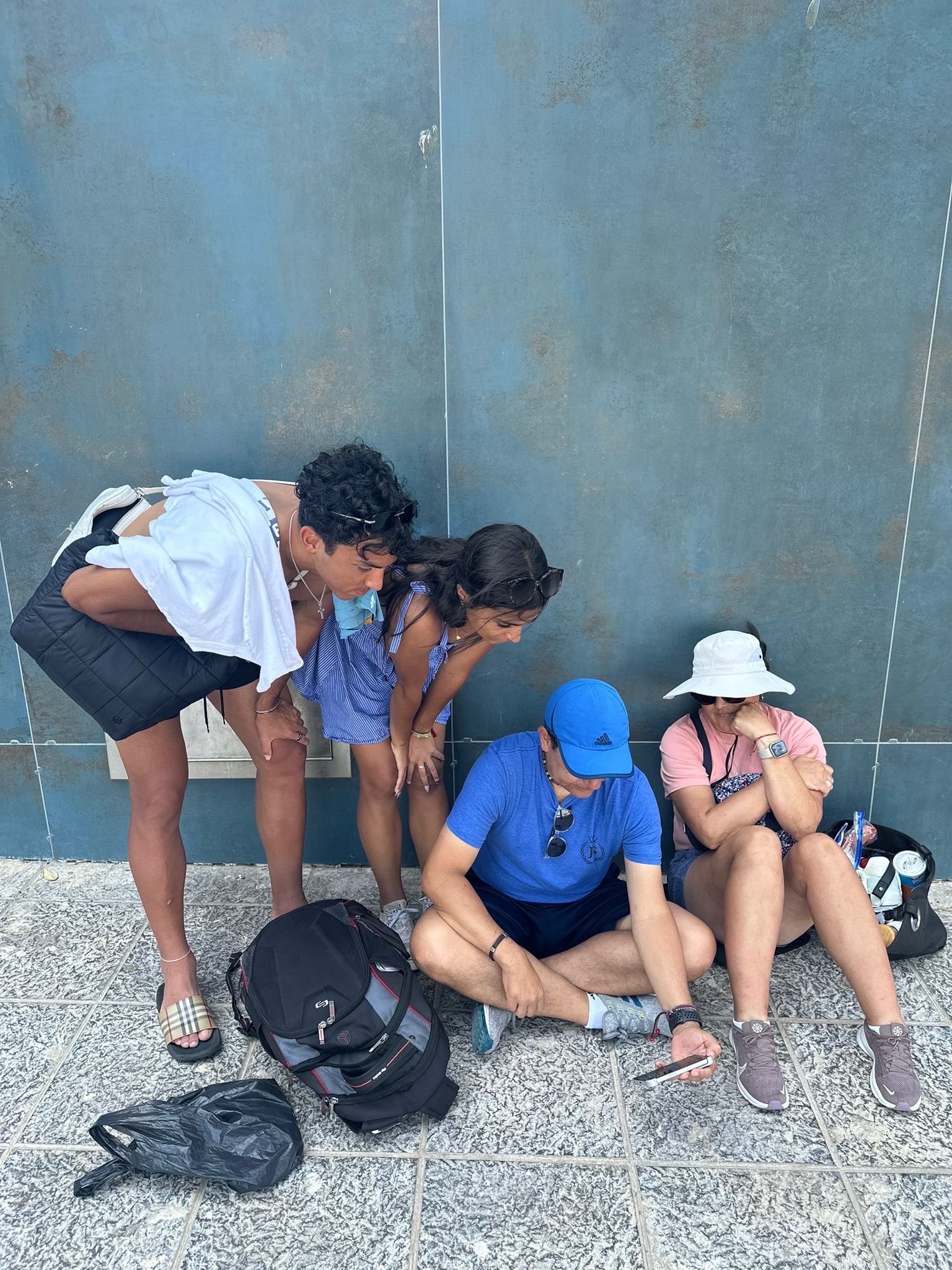
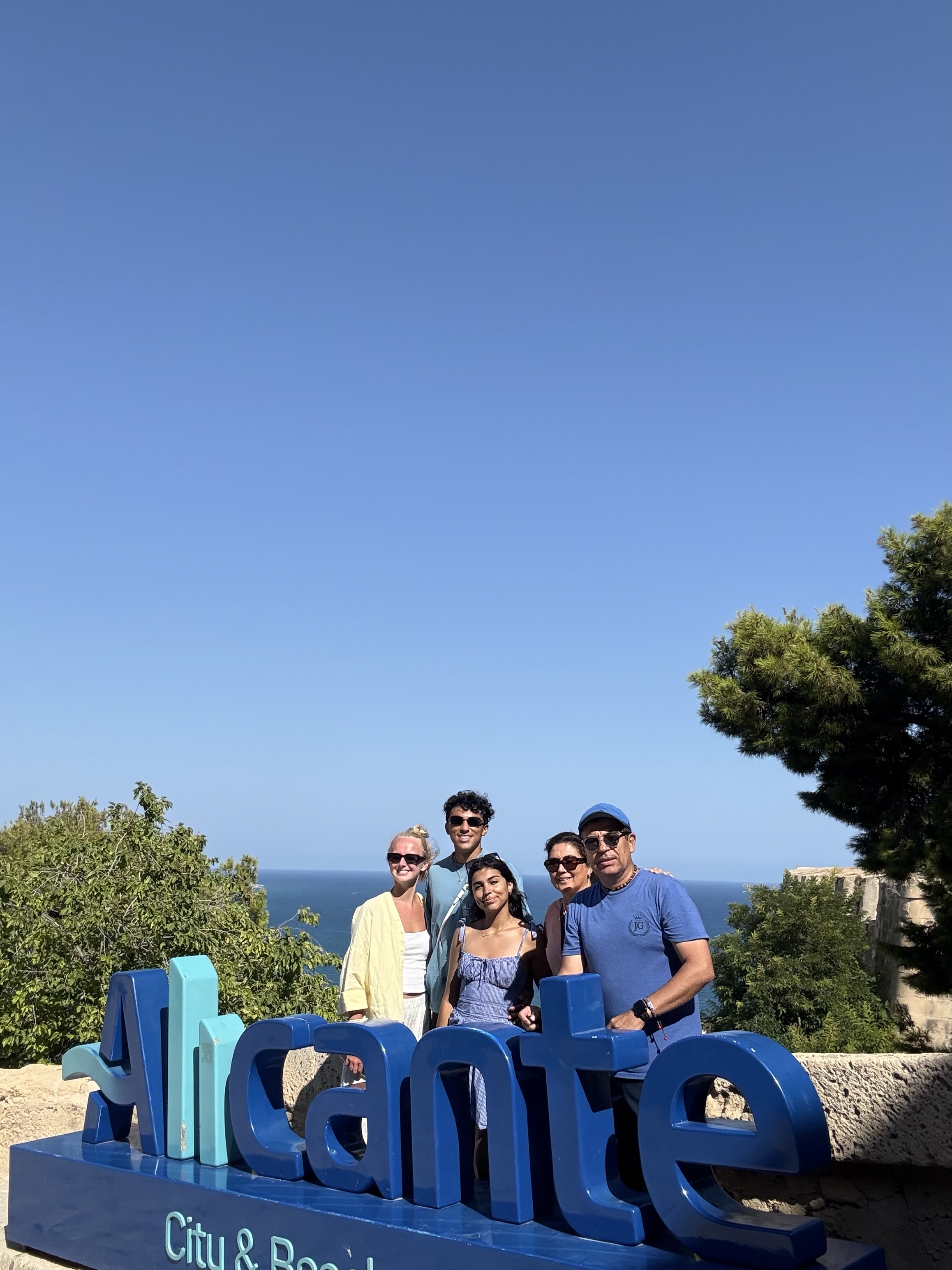
We had a fantastic trip over several countries (Spain, Egypt, Germany, Turkey, and Greece) where we had a chance to visit the boys and even celebrate Johan’s birthday.
National
On August 9, Jean Pawol breaking the gender barrier became the first woman to umpire a Major League Baseball (MLB). She umpired the game between the Atlanta Braves and Miami Marlins.
Global
Cincinnati Open Men’s singles:
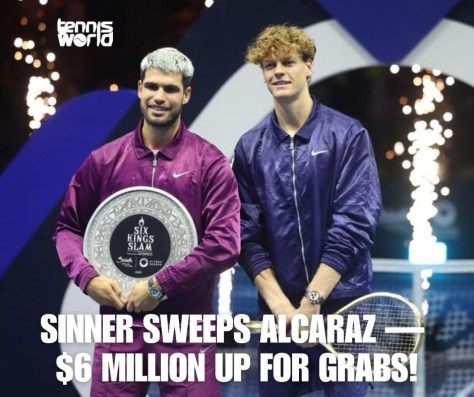
On August 18th, five weeks after the dominant win in Wimbledon by Jannik Sinner, Carlos Alcaraz won the men’s singles tennis title after defending champion Jannik Sinner retired in the final, with the score at 5–0. It was Carlitos’ eighth Masters 1000 title and 22nd ATP Tour title overall. Alcaraz was the youngest man to win Cincinnati since Andy Murray in 2008. This was the first time since 2011 that the final ended in a retirement. The Cincinnati Open is normally not an event of great impact; this year however, it marked yet another matchup between the top two players, who many believe, will sit at the top of the rankings for many years to come. Also, a lot of people were watching this one due to the proximity to the US Open. In the end, it proved to be a good indication as to what would happen at the US Open.
September
Personal
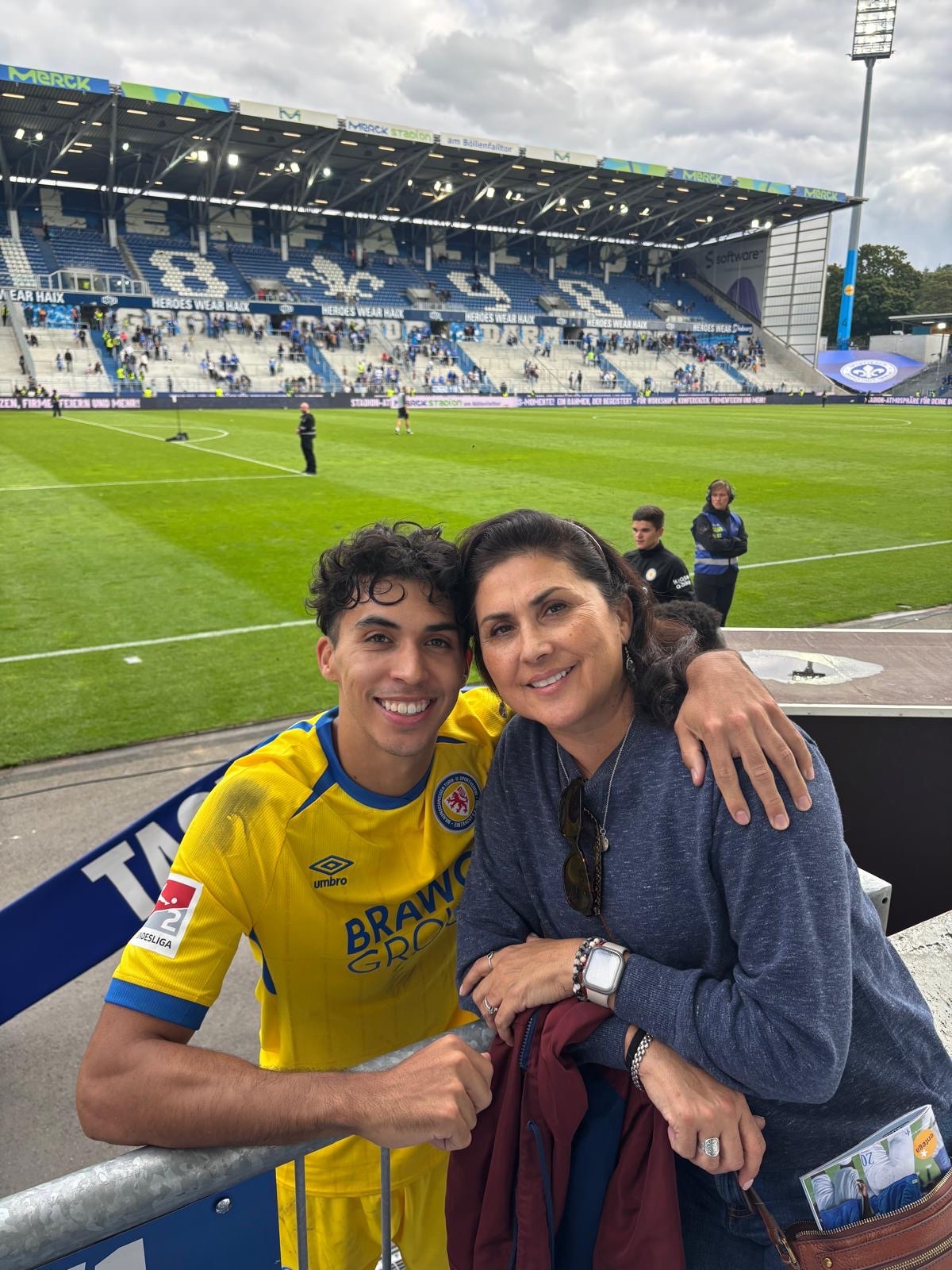
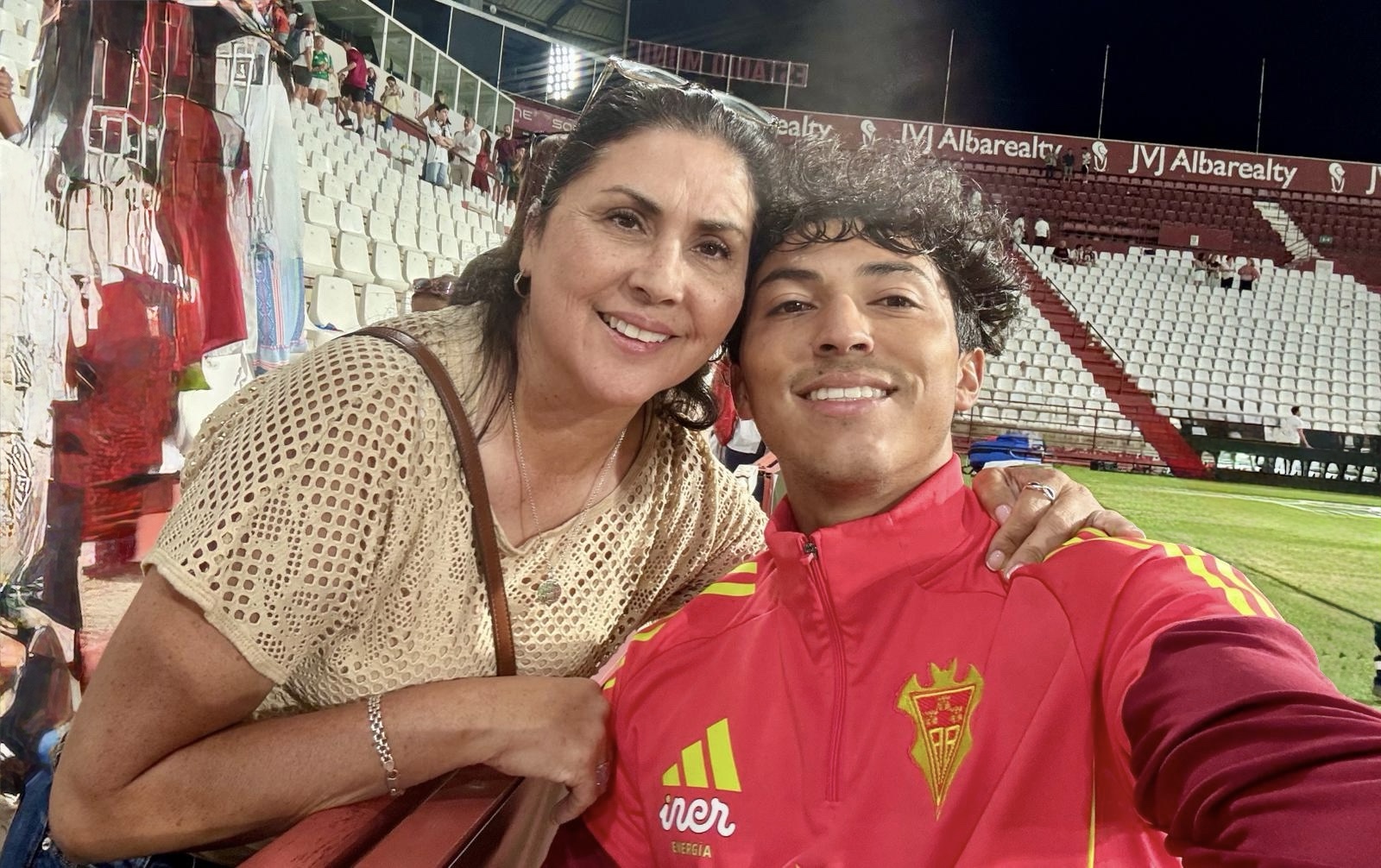
On September 1st, Claudia traveled over 8000 km to surprise Jogo in Albacete for his 22nd birthday.
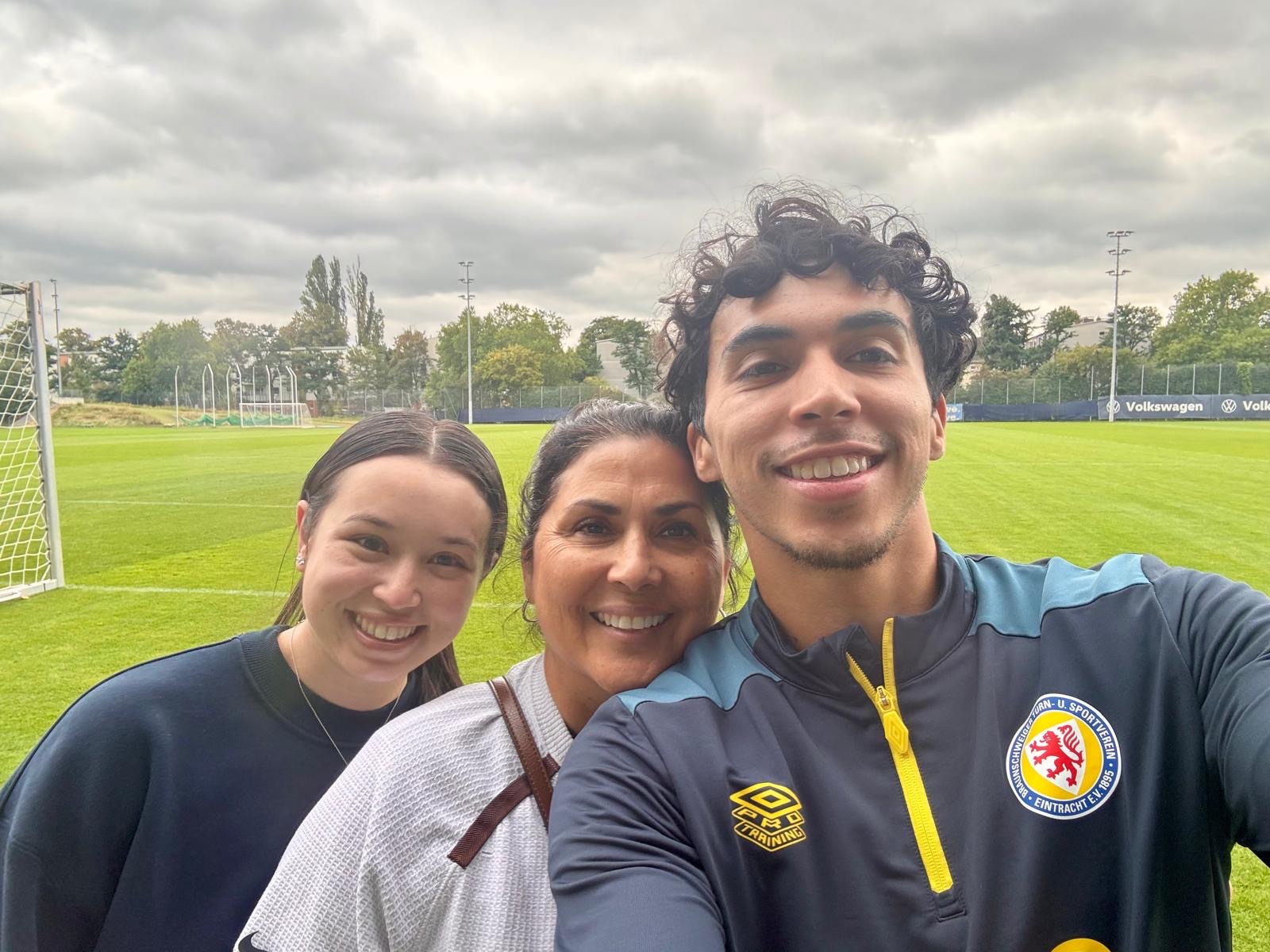
During her trip, she was also able to visit Johan in Germany and attended one of his games.
National
In progress…
Global
US Open Men’s Singles
On September 7th, #2 ranked Carlos Alcaraz defeated #1 ranked Jannik Sinner in four sets (6-2, 3-6, 6-1, 6-4) in a very impressive manner to win his 6th Grand Slam and his second US Open. The 3-6 set was the only set Alcaraz lost in the entire 2025 US Open tournament.
US Open Women’s Singles
On September 6th, #1 ranked Aryna Sabalenka defeated #8 ranked Amanda Anisimova in two sets (6-3, 7-6) to defend her 2024 US Open title. Sabalenka became the first woman to win consecutive titles since 2014 when Serena Williams won three in a row.
October
Personal
On October 18th, the family, in our pursuit to visit colleges/universities for Joana’s continuous education next year, made a quick stop in Kentucky. “Coincidentally”, our University of Texas Longhorns were playing the University of Kentucky.
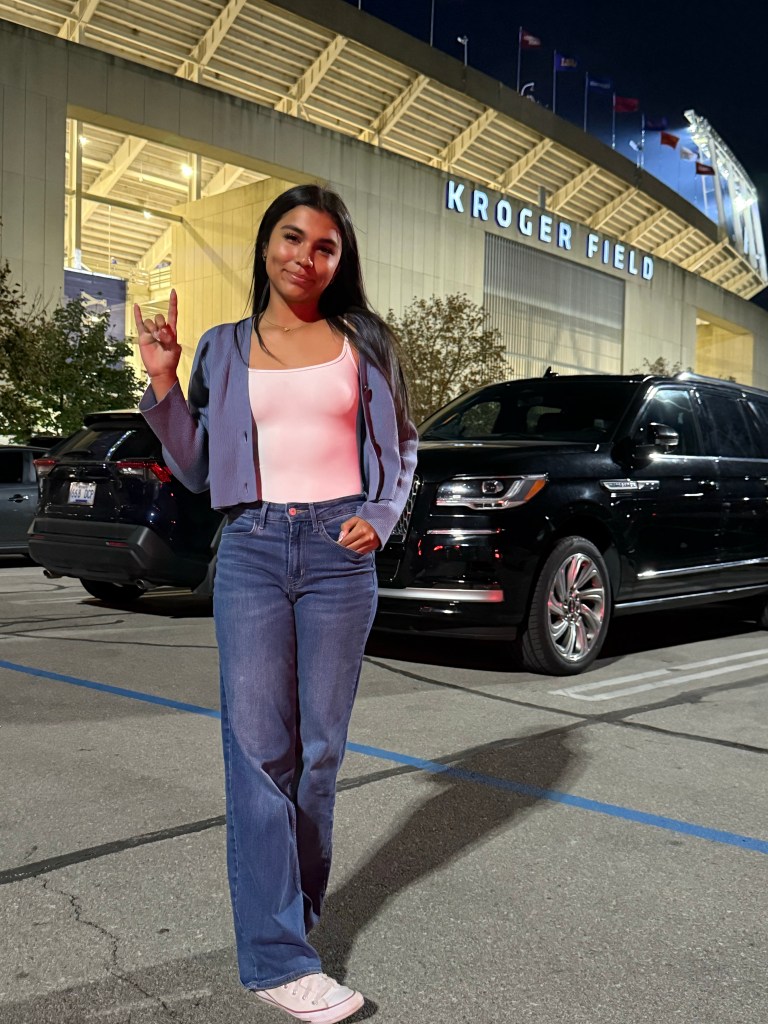
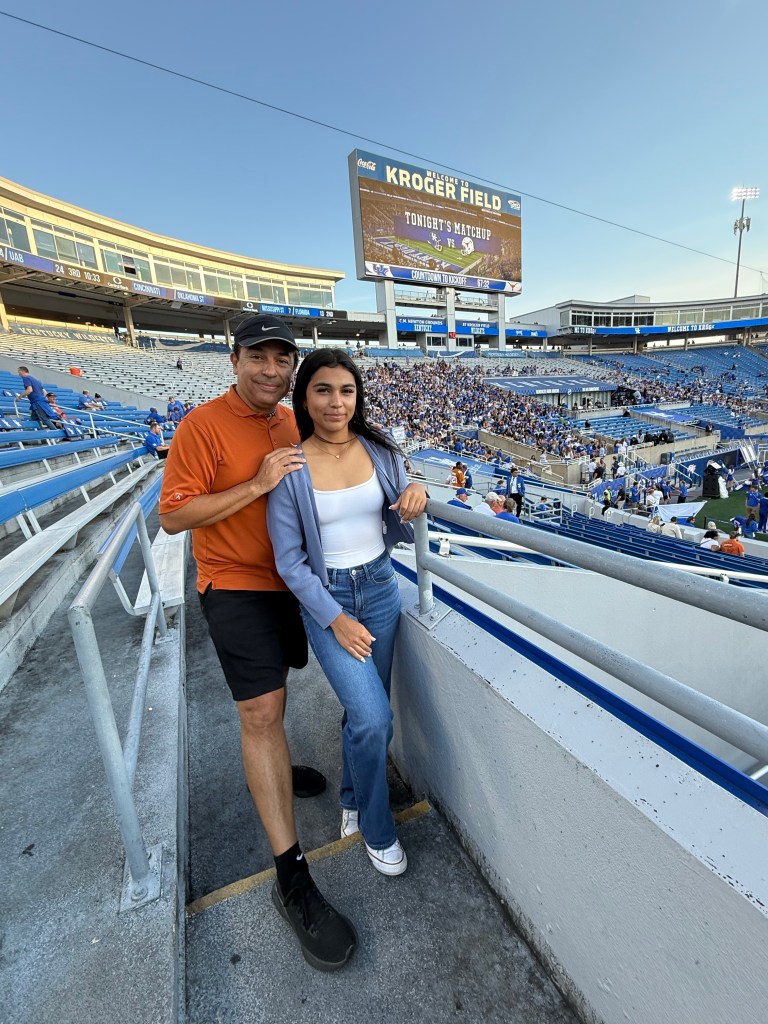
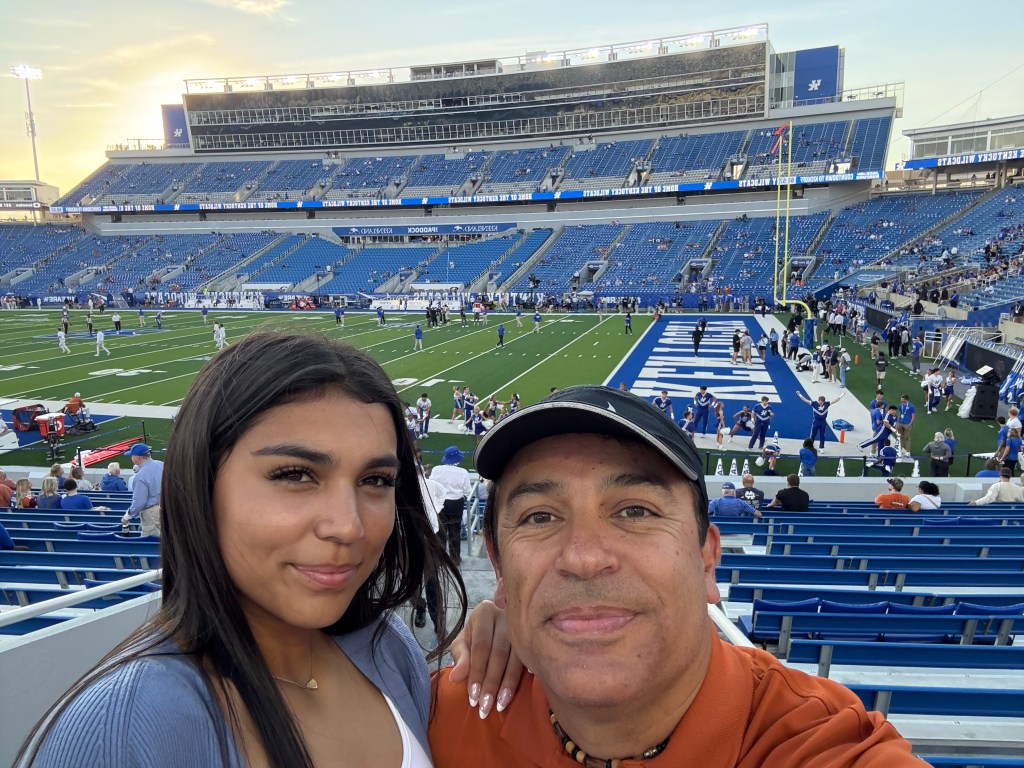
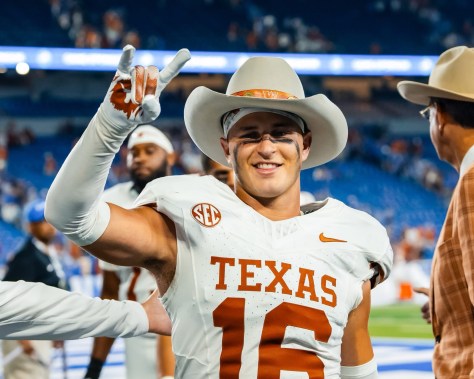
The game proved to be a defensive battle and Arch Manning struggled dearly from the opening drive, but in the end UT defeated UK by a score of 16-13 in overtime including a game-winning 45-yard field goal from Mason Shipley. After that game UT won 4 consecutive games until they faced the Georgia bulldogs.
National
Government shutdown
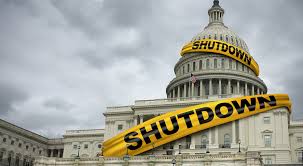
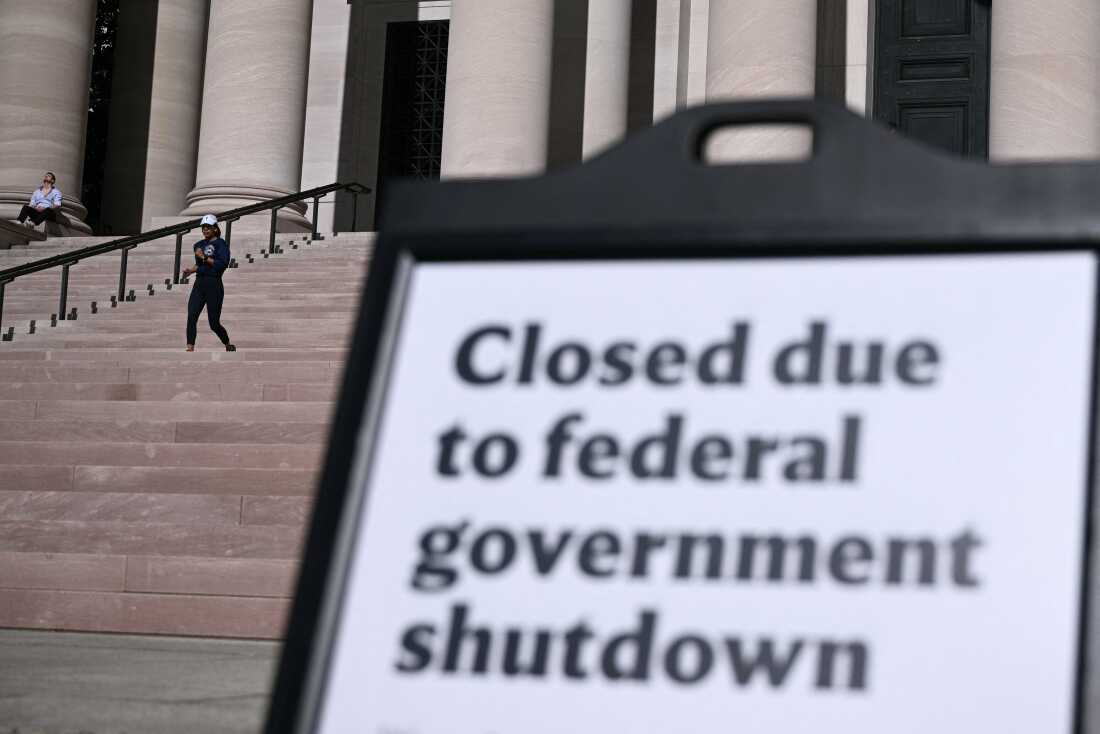
On October 1st, Congress’s failed to pass funding legislation for 2026 causing a government shutdown. Additionally, pay was suspended for about 2 million workers and 750,000 workers were furloughed. The 11th shutdown led to workers being furloughed and it’s the longest in duration surpassing the 35 day one experienced during President Trump‘s first term.
MLB
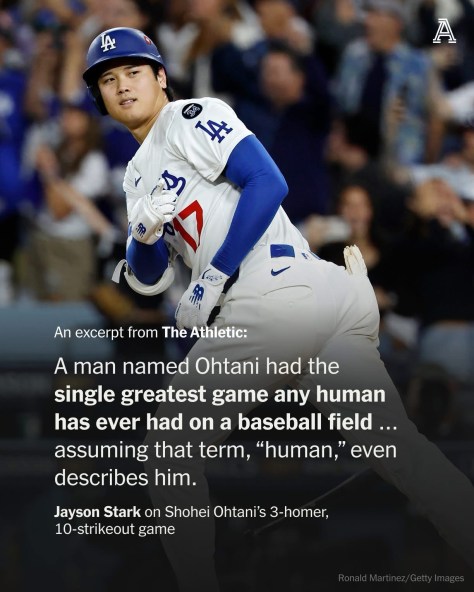
On October 24, the 2025 World Series between the National League (NL) champion and defending World Series champion Los Angeles Dodgers and the American League (AL) champion Toronto Blue Jays started.
Global
Cease-Fire
On October 3, 2025, in response to the Gaza peace plan proposal, Hamas agreed to release any remaining hostages in Gaza and “hand over the administration of the Gaza Strip to a Palestinian body of independent technocrats”, though it did not agree to disarm or forgo influence in Gaza. In response to a CNN reporter’s question about what would happen if Hamas insisted on remaining in power, Trump said the group would face “complete obliteration”.
On October 8, Trump announced that Israel and Hamas had reached an agreement and signed the first phase of the deal. Under this phase, all living hostages are to be released in exchange for 2,000 Palestinian prisoners, including 250 serving life sentences, within 72 hours and Israel will also withdraw its forces to pre-designated lines within the Gaza Strip. The ceasefire went into effect on October 10, though there have been numerous violations since.
November
Personal
Johan
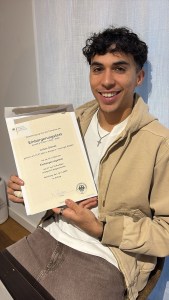
On November 25th, after having demonstrated German language proficiency and complied with other requirements, Johan received notification of his successful approval of the German naturalization test. This result brings him closer to the acquisition of German citizenship. Although there are still a few hurdles to clear, he’s on his way to comply with all the requirements.
Joana
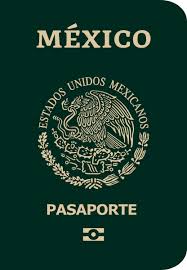
On November 26th, Joana confirmed her Mexican heritage by acquiring her official Mexican passport.
National
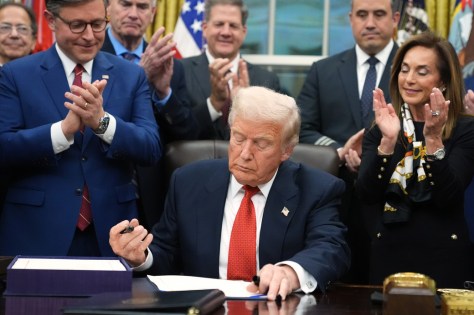
On November 12th, President Trump ended a 43 day shutdown marking the longest in history. The bill funds most federal agencies through midnight on Jan. 30.
Global
MLB World Series
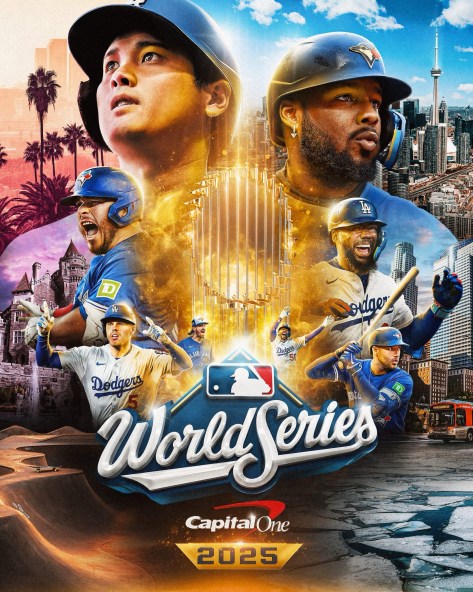
On November 1st, the Dodgers defeated the Blue Jays in an exciting game 7 to become back to back MLB World Series Champions. Dodgers pitcher Yoshinobu Yamamoto was named the World Series MVP, recording three wins in the series and a 1.02 ERA.
ATP Men’s Singles Final
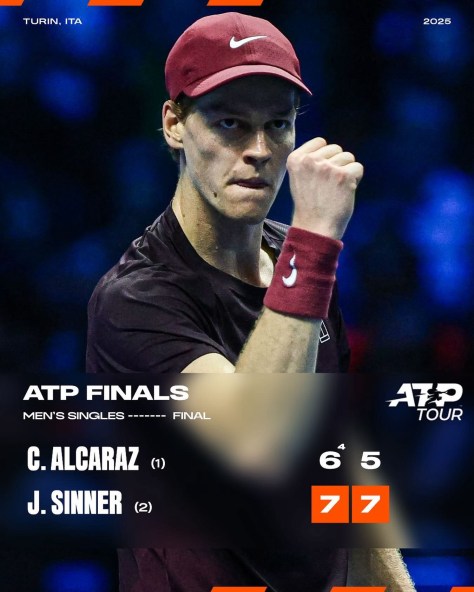
On November 16th, #2 ranked Jannik Sinner defeated #1 ranked Carlos Alcaraz in straight sets (7-6, 7-5) in Turin, Italy to defend his 2024 ATP Men’s Final title. In the process, Jannik did not lose a single set in the entire tournament for the second year in a row.
December
Personal
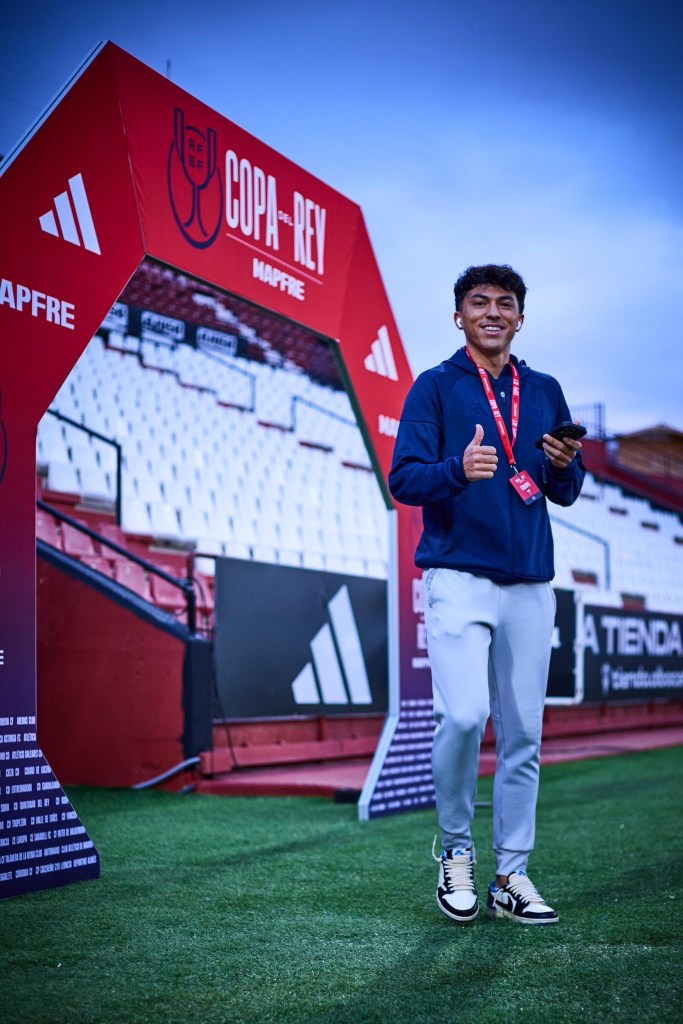
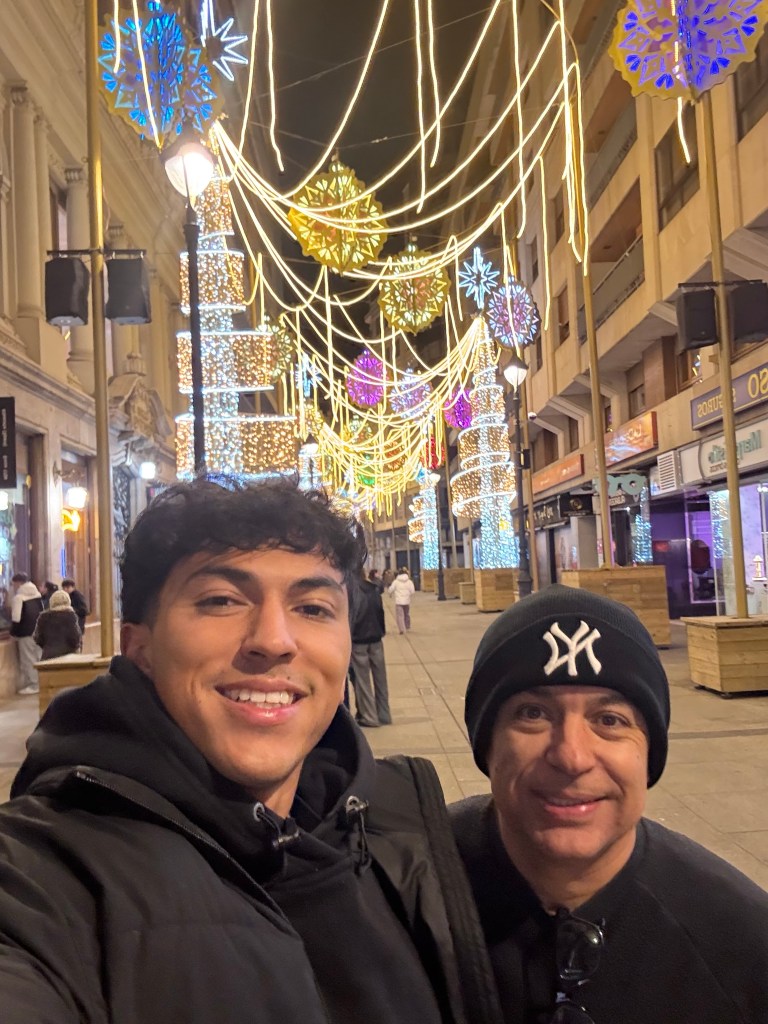
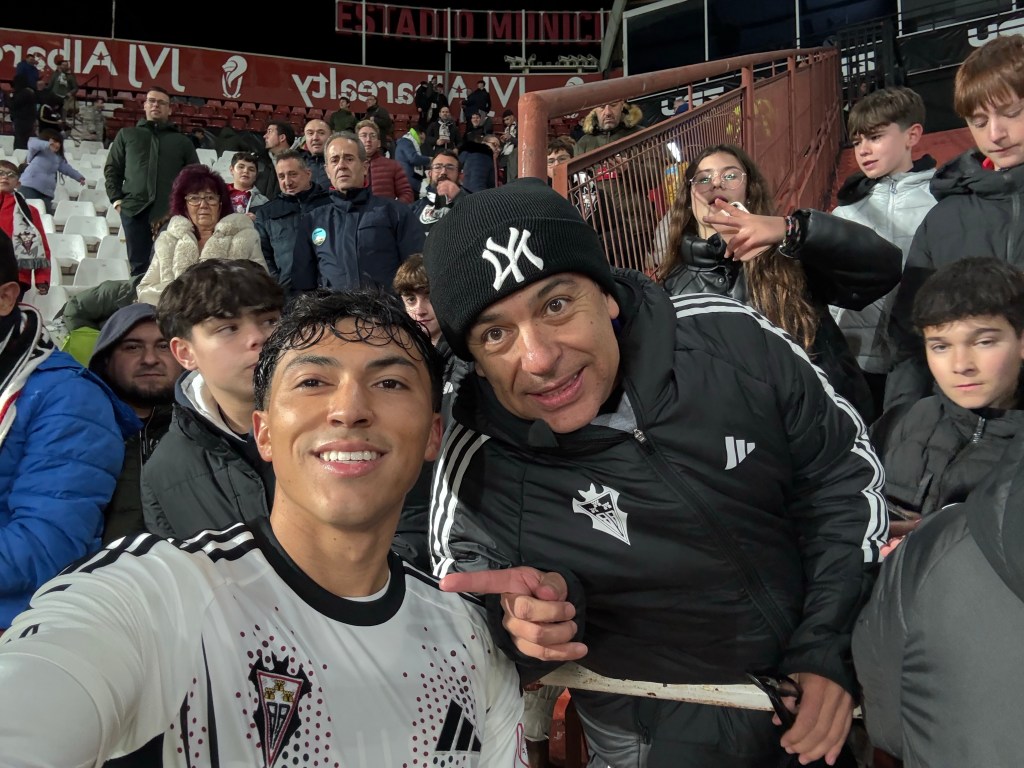
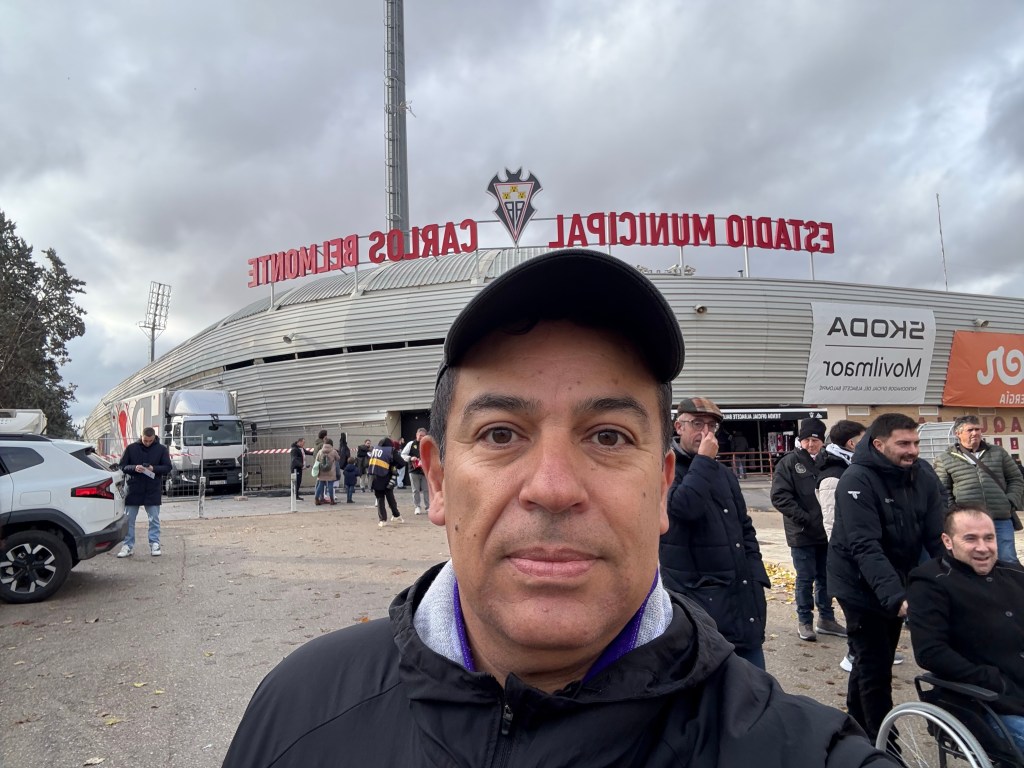
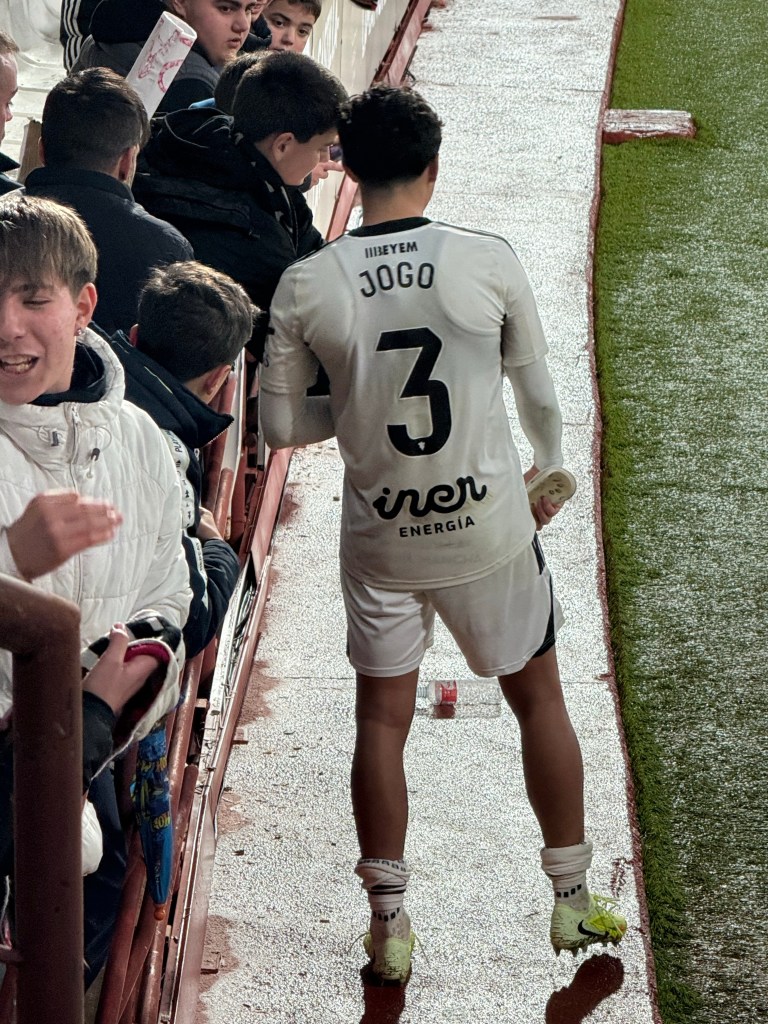
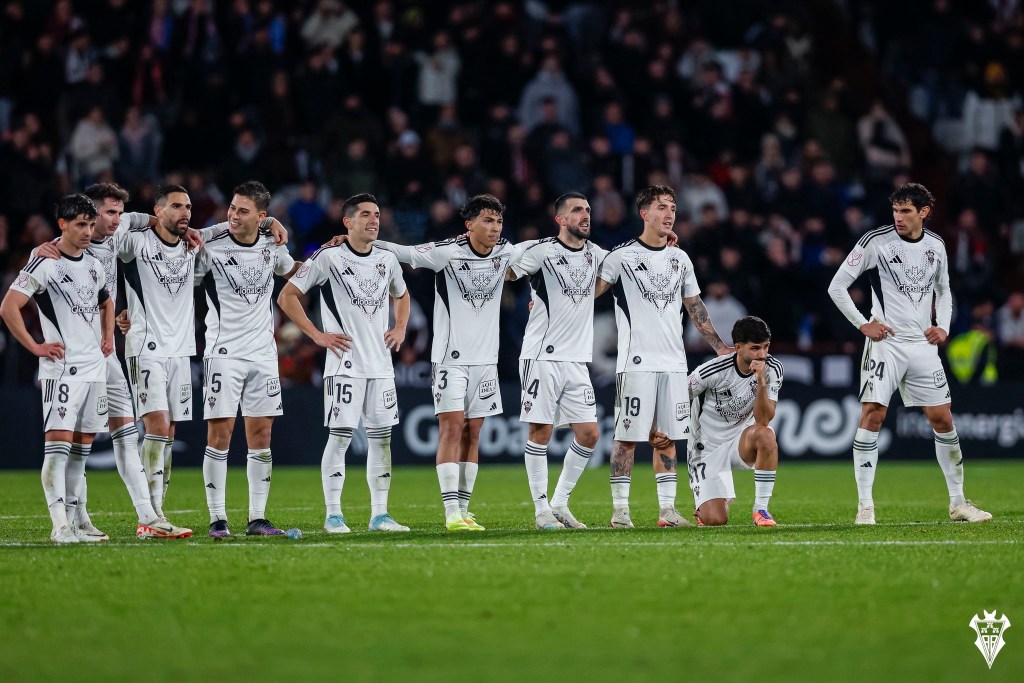
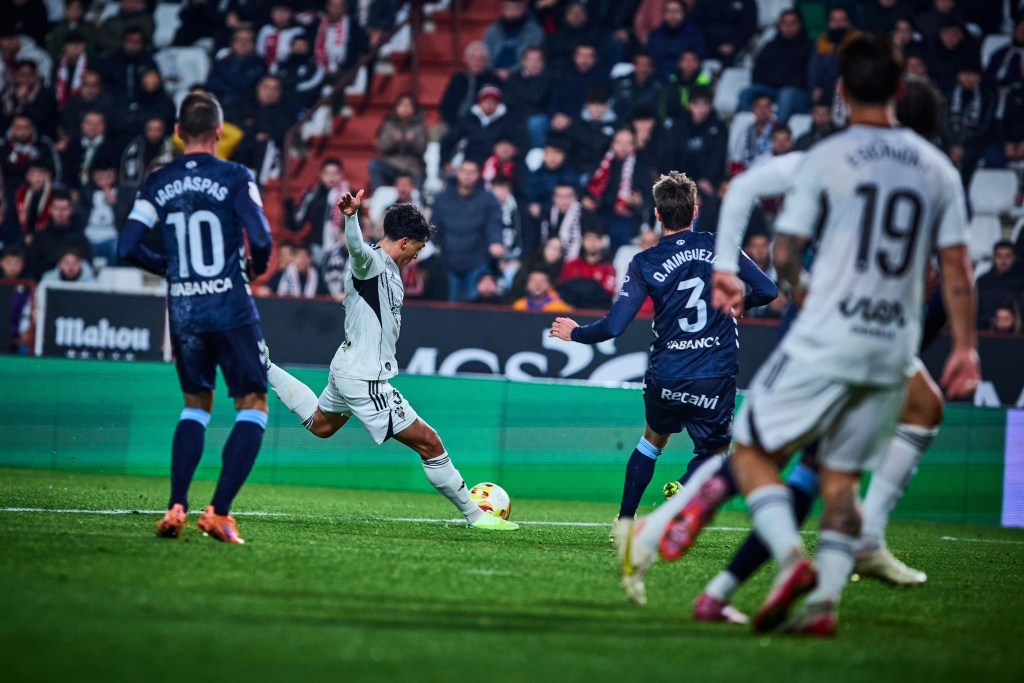
On December 12th, I traveled to Spain to watch Jogo play in three (2 League and 1 Cup) games. One of those games was for a round of 32 Copa Del Rey match against RC Celta de Vigo.
My description of the match would never do it enough justice to what transpired that night at the Estadio Carlos Belmonte. Suffices to say that Albacete started the match winning, Celta came back scoring 2 goal and when the game was about to end, Jesús Vallejo scored a header to send the game to overtime and eventually kicks from the penalty kick spot. In the PKs, Albacete prevailed by a score of 3-0 (5-2 aggregate). Jogo played 120 minutes.
National
On December 31st and after a controversial decision by the committee to leave my Texas Longhorns Football team out of the College Football Playoff (CFP), Texas went on to face the Michigan Wolverines Football for a second consecutive year. The Citrus bowl took place in the Camping World Stadium in Orlando, Florida (where Jogo made his debut with the Mexican senior national team in 2023). Texas defeated Michigan by a score of 41-27 leading the all-time series between them 3-0.
Global
On December 5th, FIFA held the 2026 World Cup (WC) official draw at the Kennedy Center in Washington D.C. to determine participants of all groups. Let’s not forget this WC will be the first to include 48 teams.
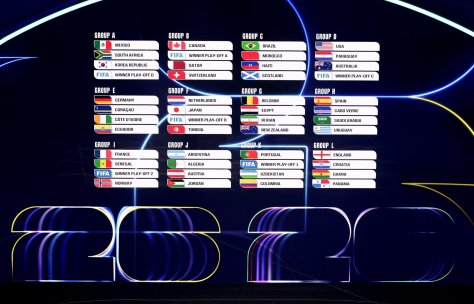
We have been participating in all ticket draws so far to no avail. However, we will vehemently keep trying. Unfortunately, with all the political turmoil taking place domestically and abroad, some countries are considering boycotting the event. We’ll continue to keep an eye on it.
As we say adieu to 2025, we will be entering a 2026 that will bring lots of changes globally technologically (full adoption of AI), politically (US’s increased unsolicited global presence), and of course in sports with the 2026 Men’s FIFA World Cup taking place in Canada, Mexico and the US. Personally, we have many major family changes coming our way in the professional and personal domains. We are so looking forward to an exciting 2026… Stay tuned!!. #theGomezway















 #TheGomezway