
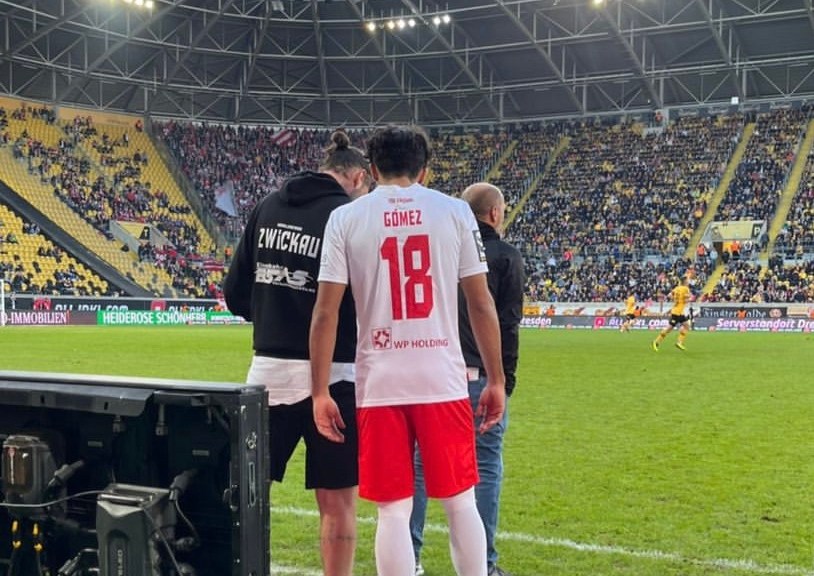
Throughout the years, I have witnessed nearly every type of substitution strategy there is in the book of football (aka soccer). One doesn’t have to be a referee to experience these ceremonial, sometimes odd, events. I am sure others, who have been around the game in other capacities (ex. fans, pundits), have observed similar strategic behaviors and perhaps, have normalized them as part of today’s game.

Unfortunately, these behaviors are here to stay. FIFA, far from discouraging them, does little to properly equip referees with the adequate tools to combat such time-consuming subbing strategies. Some are team and tactical oriented while others are more individual and non-tactical in nature. In the end, they are all time-consuming and serve specific purposes. FIFA has gone as far as mandating additional time be taken to to deal with specific subbing scenarios involving certain player positions (ex. Goalkeepers) or certain injuries (ex. head).
Below, I attempt to explain and classify the possible tactical, psychological, and time-management considerations rather than actual medical reasons used during player substitutions. In some cases, I even provide (and illustrate) some recent examples.
Time Management/Game Management
This strategy normally occurs by the team which is leading late in the game; players oftentimes go down to slow the game tempo and allow their team to reset. It is characterized by a player drop right after the fourth official raises the substitution board (a convenient “pause” before the next phase) and it is intended to have any (or all) the following effects:
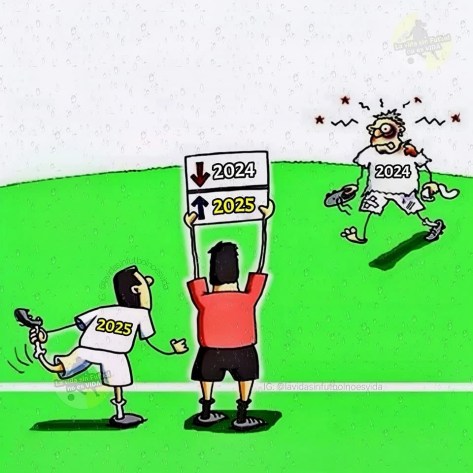
- Disrupting the opponent’s momentum.
- Providing tired teammates a brief breather before a defensive stand.
- Allowing the coach to finalize substitution instructions or delaying play strategically.
Psychological or Face-Saving Mechanism
Being subbed off can be a blow to a player’s pride, especially if they have played poorly or disagree with the decision. This strategy is characterized by the player looking disappointed or glancing at the bench, then suddenly sitting down to clutch a leg or calf. It is intended to have the following effects:
- Going down “injured” provides a socially acceptable excuse — “I’m coming off because I’m hurt, not because I played badly.”
- It helps them preserve face with teammates, fans, and coaches.
Cristiano Ronaldo is known to use this strategy. Moments before the substitution board goes up, he briefly gestures discomfort, touching his leg. Sometimes, there is no real injury, but going down softens the optics of being replaced for tactical reasons. It allows him to preserve ego and control the narrative: “I came off for fitness reasons, not performance.”
This strategy is normally applied when time is not of the essence and the outcome is favorable to the team subbing; however, players like Ronaldo, Vinicius, etc. apply it whenever they deem it necessary.
Masking Fatigue
Fatigue (especially in high-intensity matches) can be extreme, but players often hesitate to admit exhaustion. This strategy is characterized by a late game cramping or calf-grabbing gesture, but the player walks off fine moments later. It is more popular in games played in extreme weather (ex. hot/cold, humid, rainy, etc.), that extend to over regulation or a series of games played over a short duration (ex. tournaments). It is intended to have the following effects:
- Falling to the ground signals to the bench: “I’m completely done” without directly saying so.
- It gives the physio a reason to check the players (hydrate them) and the coach a window to substitute without appearing to replace a “fit” player (gives an out to the coach).
Players know their bodies best and sometimes they can plow through fatigue albeit risking a more severe injury (ex. overload) that could sideline them for a longer period of time. Therefore, players take the precautionary route, subbing themselves out and hoping to be available for the team soon. Coaches also welcome this honest strategy with open arms as fatigue is not always conspicuous. That said, if the outcome of the game does not go as intended for the team, the coach can always claim that the “unexpected” subs impacted initial technical/tactical game plans.
Tactical Reset Opportunity
A brief pause before a substitution allows a team to regroup. This strategy is characterized by the physio jogging on to the field but no treatment occurs. Since the sport is designed to have very few pauses for coaching, this brief pause provides the coach time to shout instructions from the sideline to specific players. It is intended to have the following effects:
- The manager can use the break to relay tactical instructions to several players.
- The incoming substitute gets more time to warm up or receive final guidance.
Pep Guardiola is the master of this strategy. In Guardiola Manchester City’s system controlled pauses are gold. Players often blatantly sit down just before a tactical substitution late in matches. It’s rarely coincidental — Guardiola uses these moments to reorganize his press or formation. The physio goes on, but the real value is the 30-second team huddle at the touchline.
Disrupting Opponent Rhythm
If the opponent has momentum (sustained attacks or pressing high) a pause can interrupt their flow. This strategy often occurs after the opposing team has just missed a big chance or started dominating possession. It is intended to have the following effects:
- The emotional and physical rhythm of the attacking team is broken.
- The defending side can reset shape and composure.
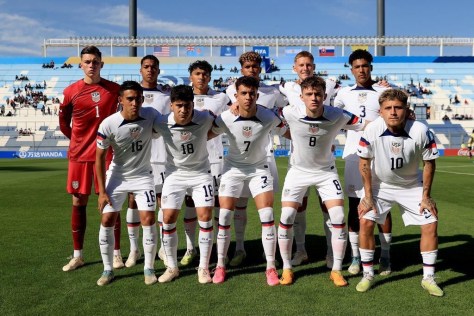
This strategy is very common in competitive matches where one goal is all that is needed to achieve a milestone (ex. win, tie, advancing to next phase) and it’s exacerbated if the team needing to score is continuously applying offensive pressure. The team on the defensive stance often resorts to this strategy to defuse momentum while catching a breather. In the 2023 U20 Men’s World Cup matches, US Coach Mikey Varas instructed Goalkeeper Gaga Slonina to go down late in the second half of most games. This pause would allow Coach Varas and staff to talk to the group. A player substitution was not always conducted.
Cynical / Theatrical Gamesmanship
In some competitions or teams, it’s a deliberate part of “dark arts” (subtle manipulation of the game). This strategy is characterized by a player dramatically sitting or lying down right before their number goes up for a substitution, then sprints off the pitch seconds later. It is intended to have the following effects:
- Delays play.
- Allows tactical conversations.
- Sends a message that the player gave “everything” and is being replaced only because of that “effort.”
An excellent example of this strategy is Atlético de Madrid’s Coach – Diego Simeone. When Atlético are defending a late lead, players often “cramp up” in sync. A player goes down dramatically just before being replaced burning seconds and slowing opponents’ tempo significantly. Pundits call Simenone’s strategy “masterful gamesmanship” acknowledging it as part of a systemic tactical culture which include time-wasting, tactical fouls, simulating injuries, sideline theatrics, and using psychological tactics to frustrate opponents. This approach has earned Atlético the reputation of being masters of “shithousery” and made them one of the most difficult teams to play against in Europe. Diego Simeone transferred his shithousery as a player and perfected the art as a coach.
Preemptive Injury Precaution
Sometimes a player feeling slight tightness or discomfort (ex. hamstring twinge) may go down to prevent worsening it. This scenario is common late in matches or congested fixture schedules. It is intended to have the following effect:
- Even if it’s not a true injury, it’s a protective signal — “I felt something; better to come off now.”
It is similar to fatigue but with potential longer lasting effects. Explosive players like Kylian Mbappé who are prone to injuries have used this strategy often. At PSG, Mbappé would gesture discomfort and would sit down before being subbed off. In reality, he was not injured but felt tightness in his hamstring — later confirmed by the manager as precautionary. It’s common for players who partake in multiple matches a week to “go down” preemptively to avoid aggravating micro-injuries. Knowing your body is instrumental for a longer and healthier career in any sport.
In summary, when a player collapses before a substitution without being truly injured, it’s usually about controlling tempo, face-saving, or tactical delay — not deception in the malicious sense, but part of the gamecraft that elite players and managers use to influence moments and margins. In practice, these strategies are used widely not just by elite players but all the way down to the amateur level.
Hope you found this post useful. If you have any suggestions or topics you want discussed, please reach out to info@thegomezway.com. #TGW






 #TheGomezway