Category Archives: College Soccer

2024 in hindsight for the Gómez’s

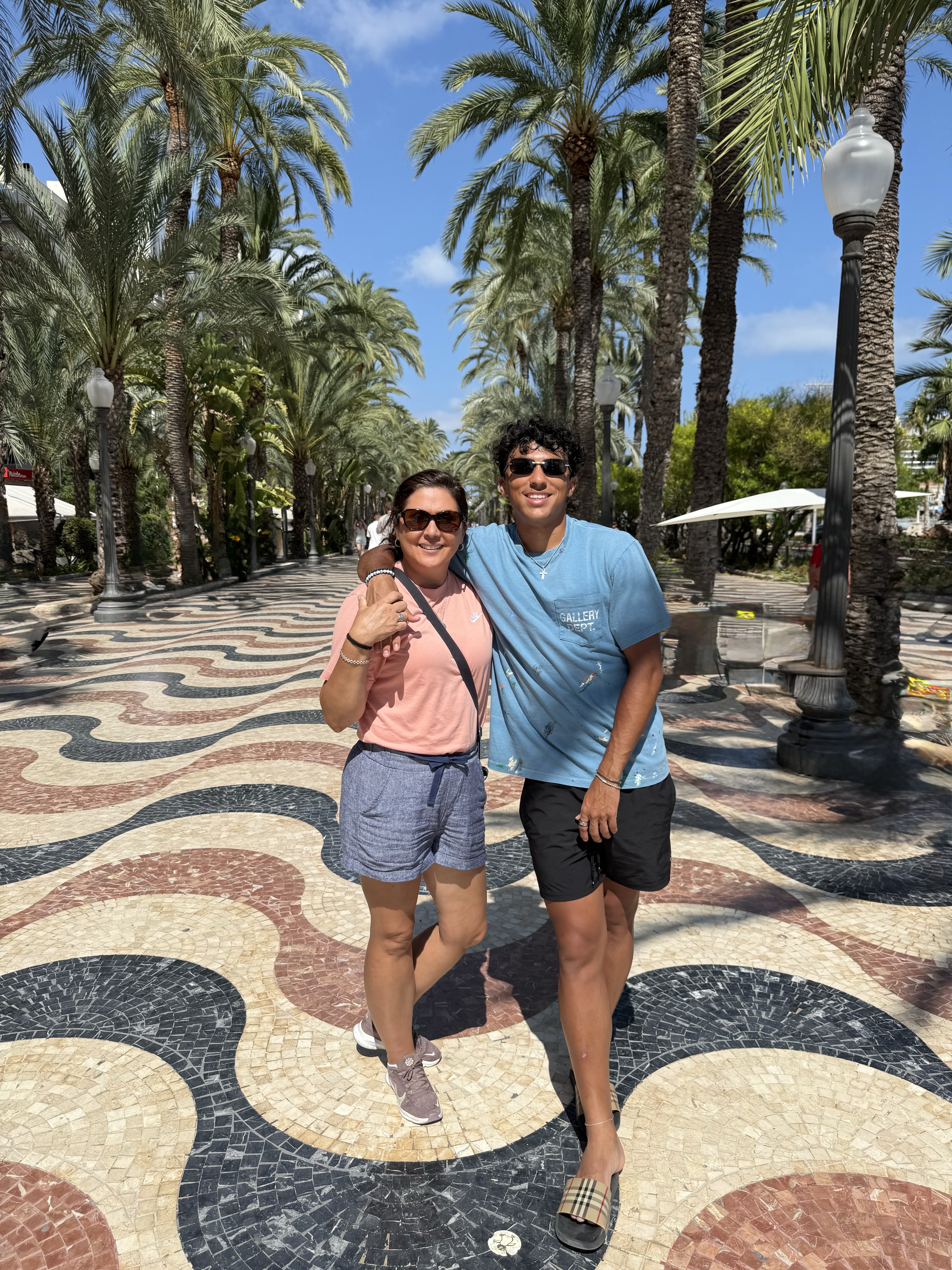
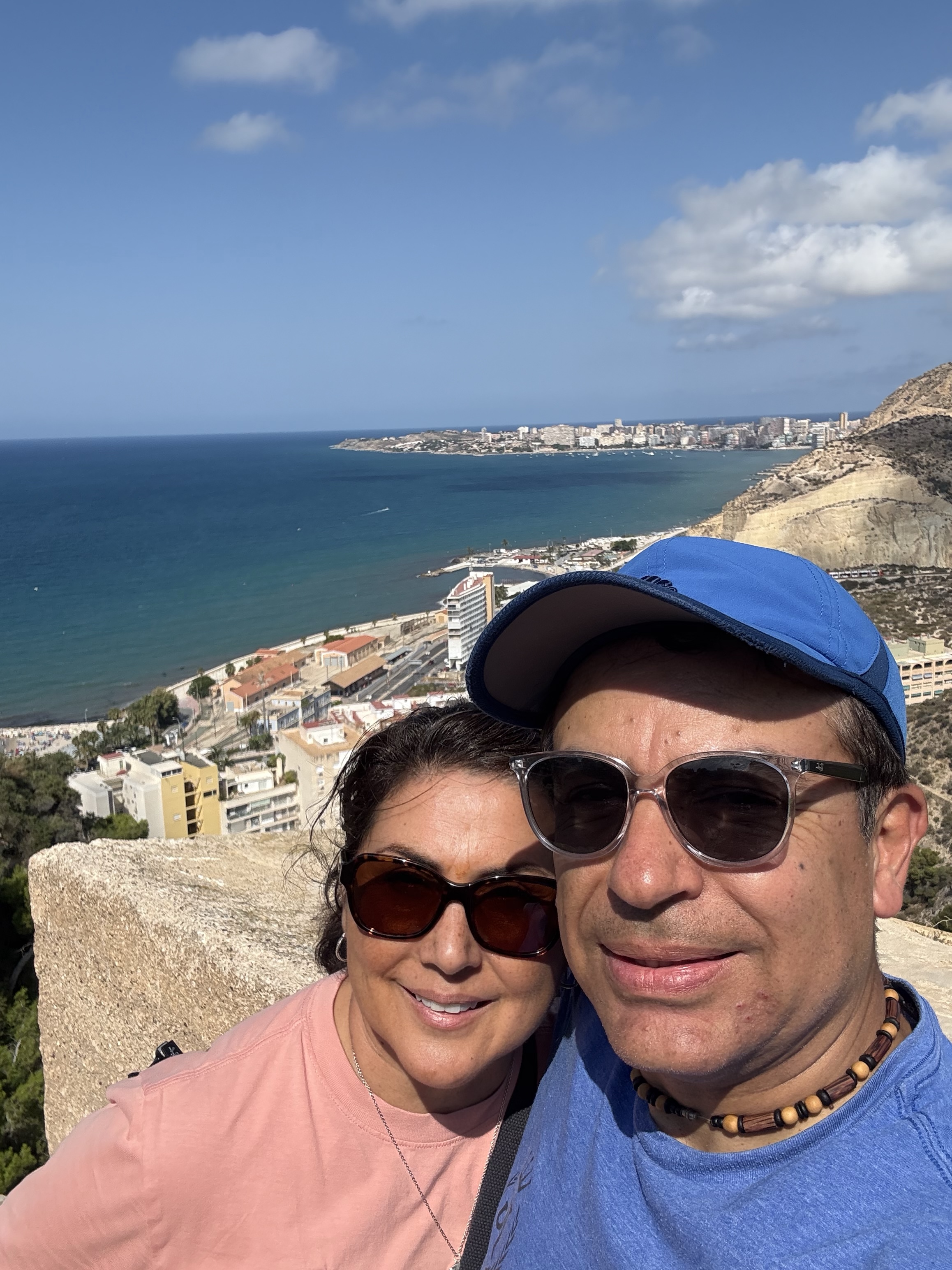
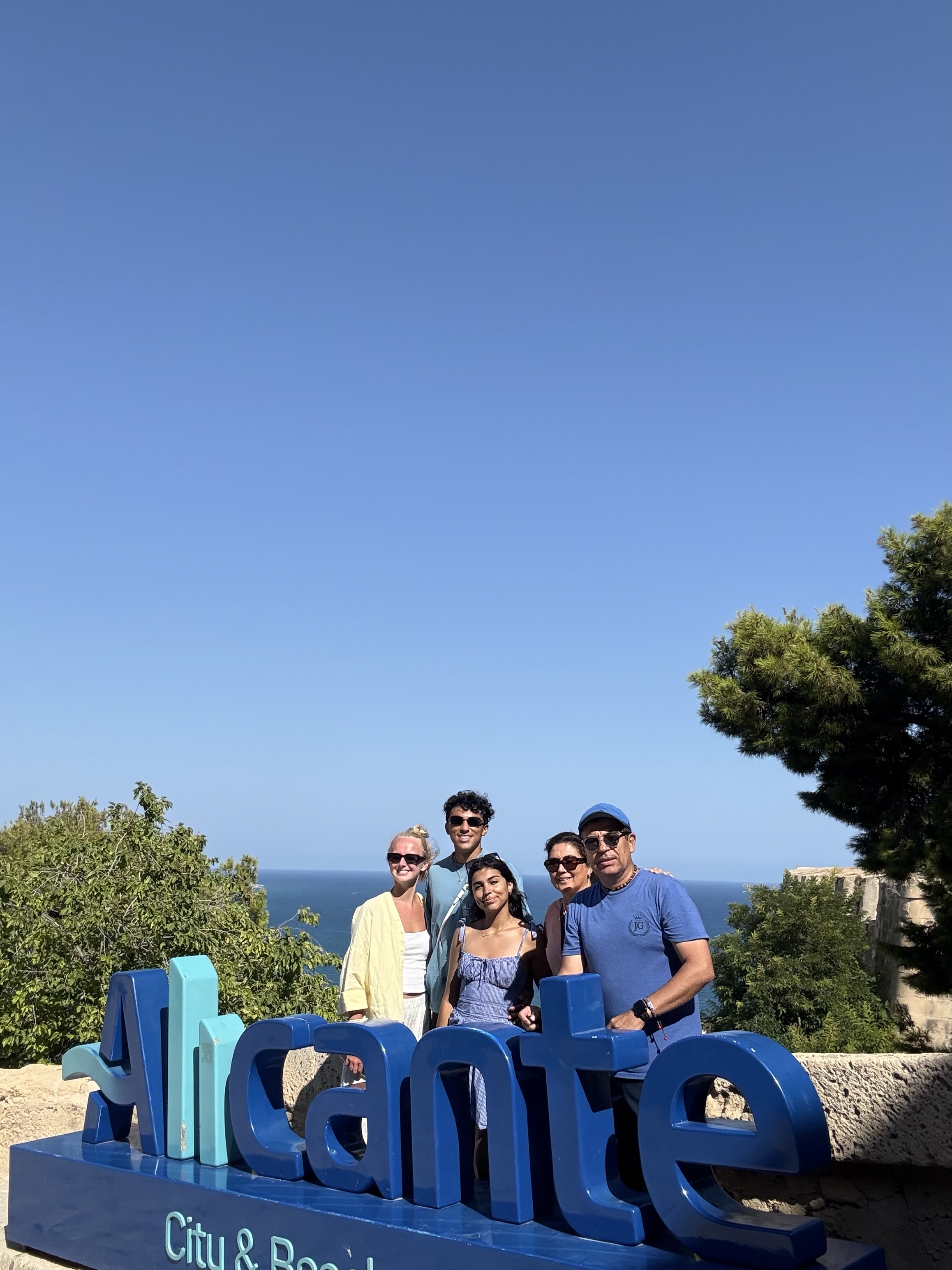
And just like that, the first quarter of this century has banished and we start the next one..as anticipated in the 2023 in hindsight for the Gomez’s publication, this year needed to have a decreased emphasis on traveling and a pronounced focus on health and that’s what we did. In the process, we managed to partake in a few running races.

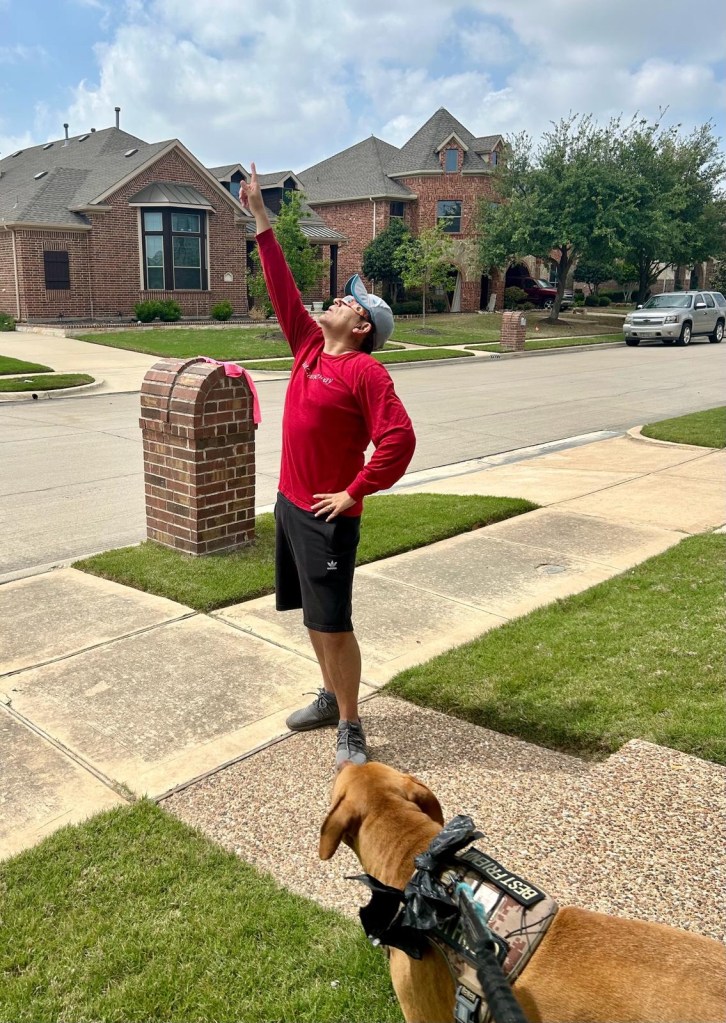
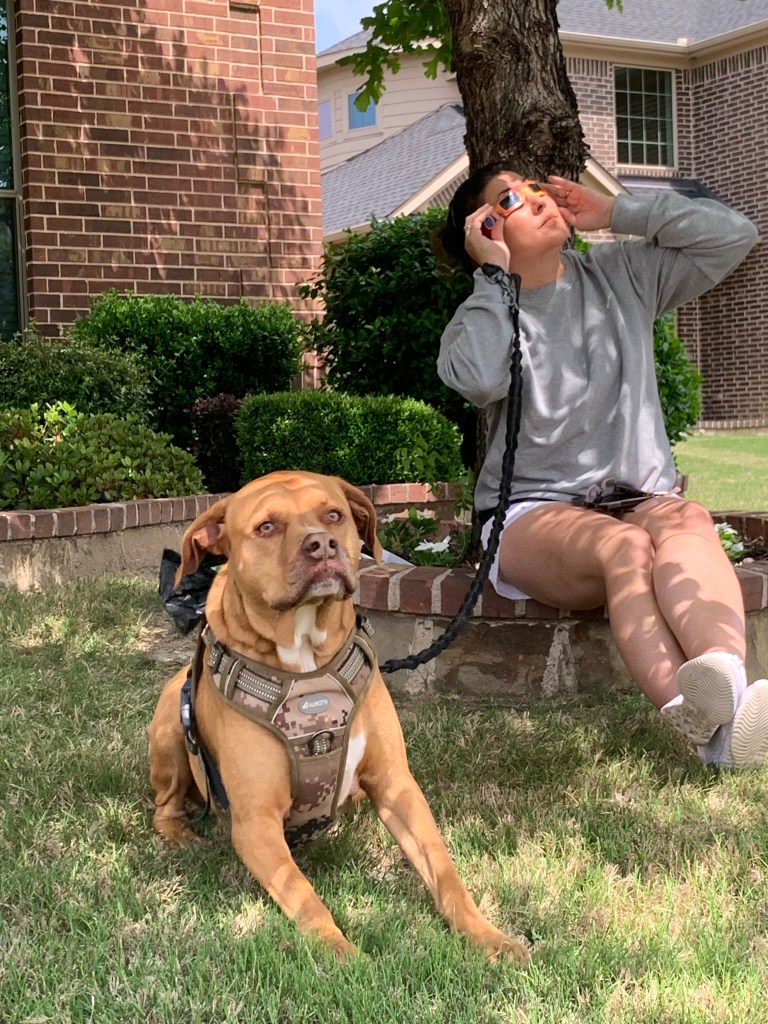
On the other hand, our “eyes” did not anticipate witnessing much beyond sports but as luck would have it, not only did we witness our 2nd full Solar Eclipse (first in 1990 in Mexico City) but also witnessed our first Space X launch (with its booster catch included) live. These events will live in our hearts forever.

Spacex launch prep V: 10.13.24

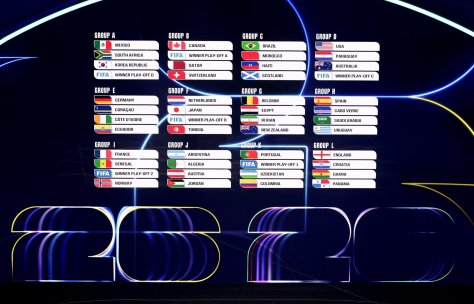
This year also marked the beginning of an action packed football (soccer) events leading up to the 2026 Men’s and 2027 Women’s World Cups respectively. The first half of the year was benevolent with our family while the second half tested our resilience. This is how our year went down…

January

Personal

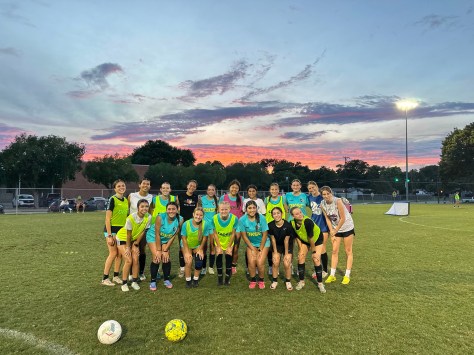
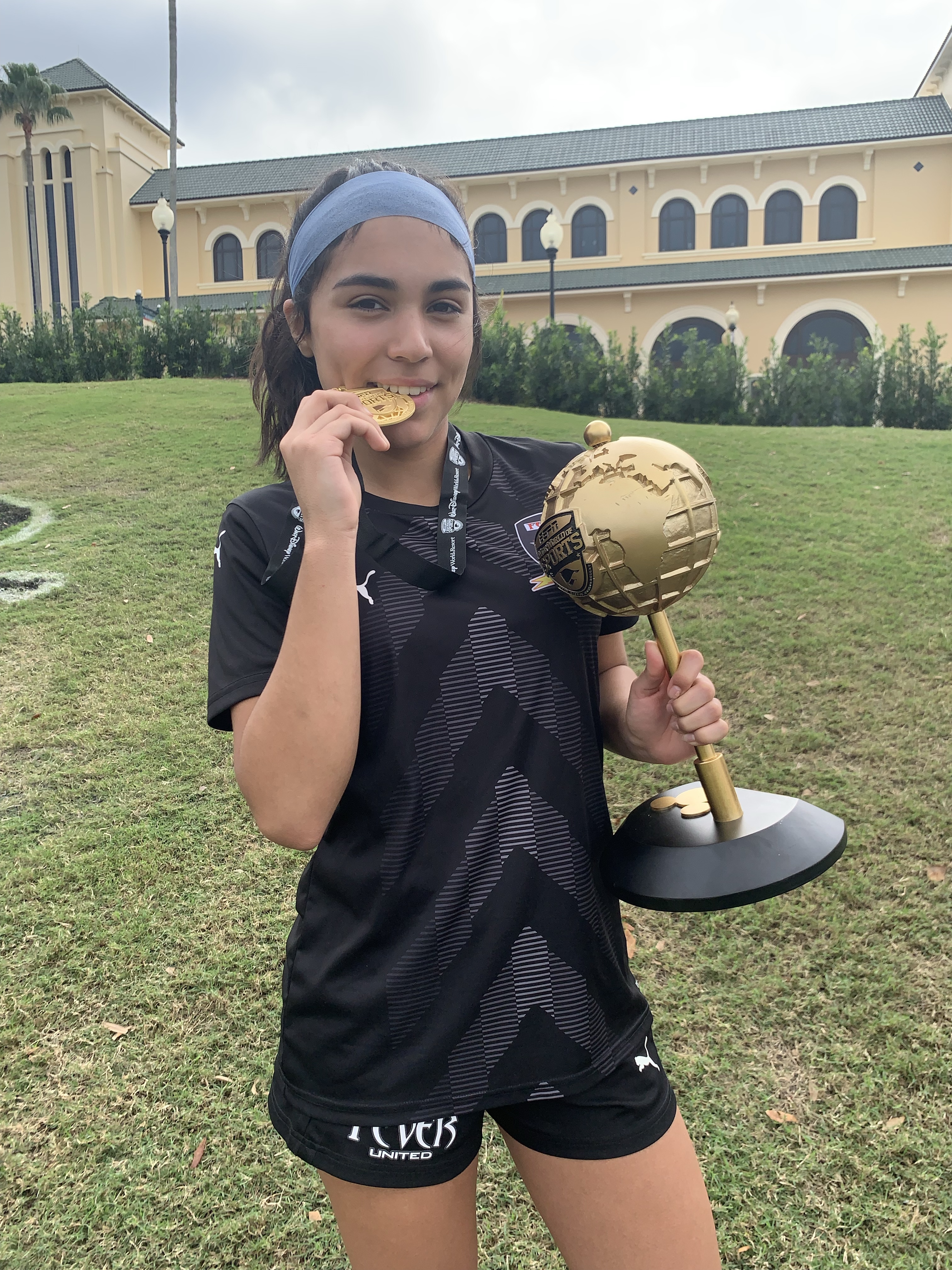
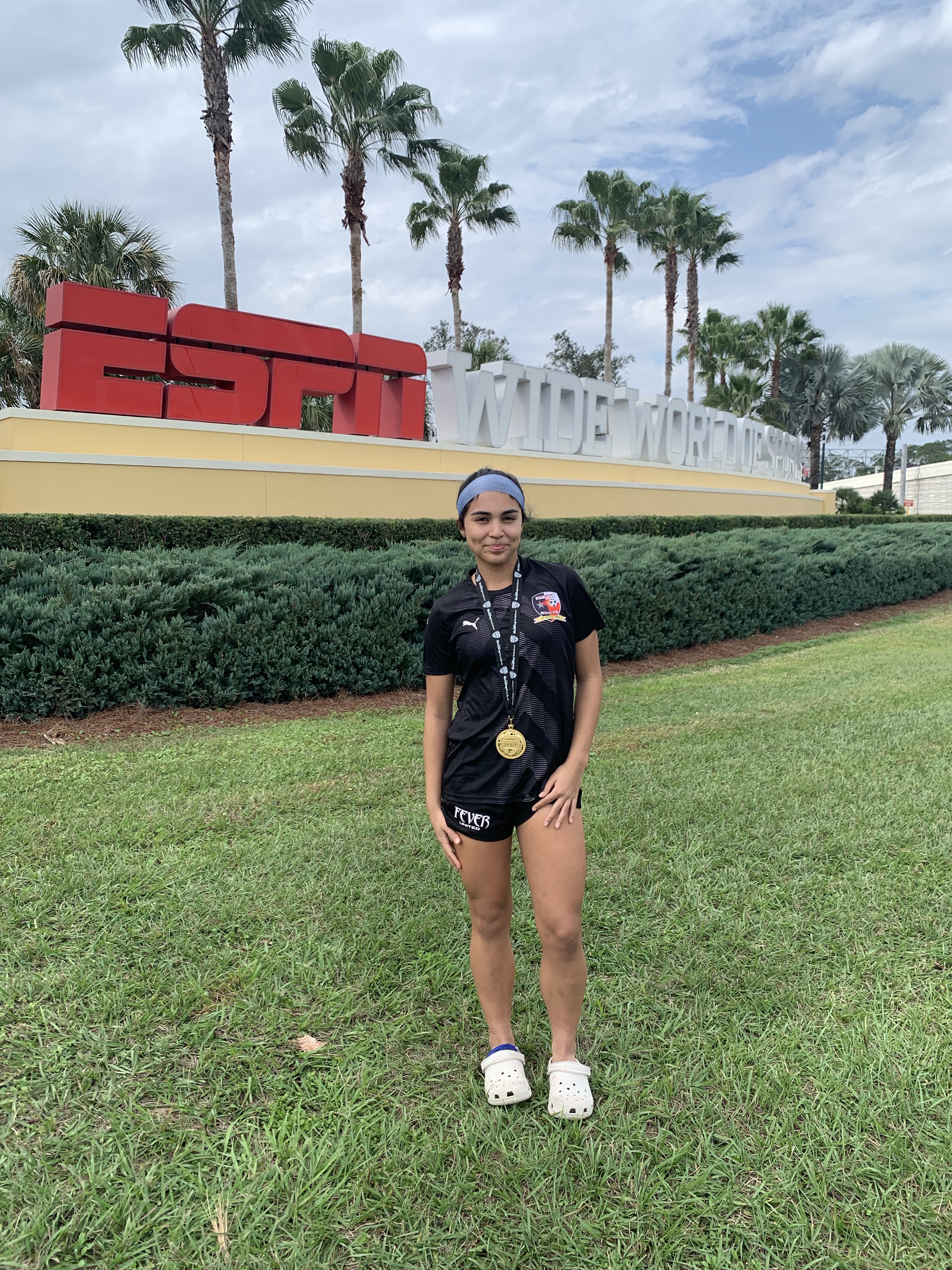
The year started strong for Joana in football. Her club team captured the first championship Showcase they participated in Florida.

Joana – College ShowCase

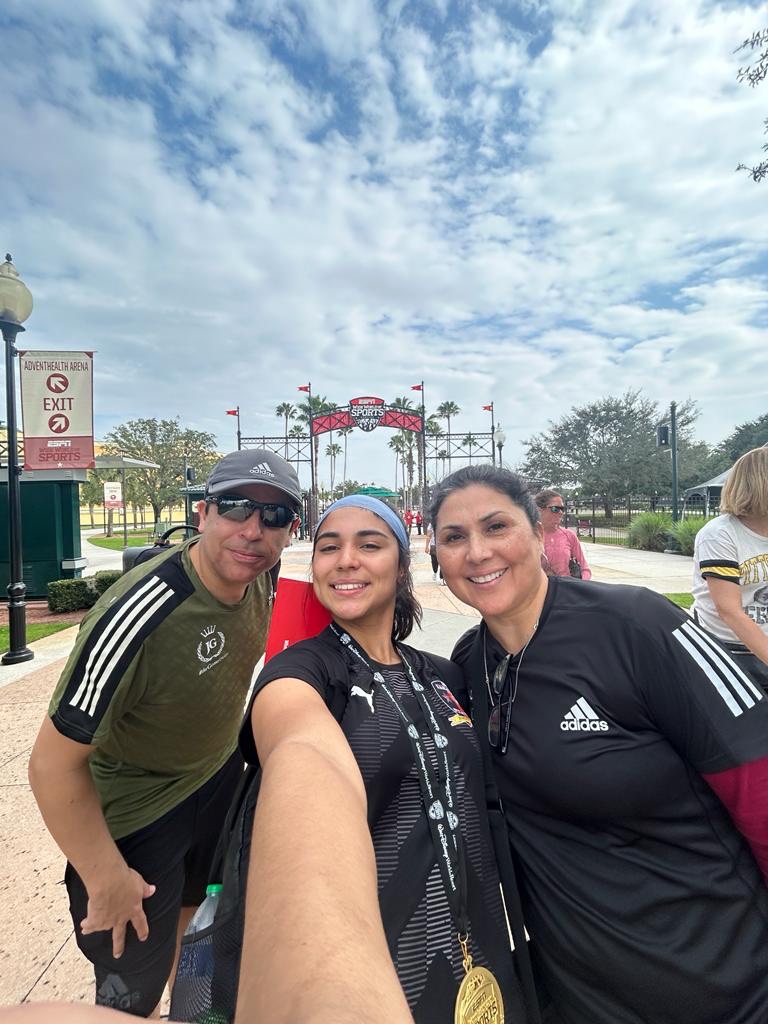
On January 12th, we traveled to Orlando for Joana’s first out of town showcase tournament. Four days later, and after five 80-minutes games played, her team returned home with the championship hardware.

National

On January 9th, the Michigan Wolverines defeated the Washington Huskies (who had in turn defeated my longhorns) by a score of 34-13 in the NCAA National Championship game played at the Cowboys AT&T stadium in Arlington, Texas (our backyard).

Global

Tennis

On January 27th, Belarusian Aryna Sabalenka won the 2024 women’s Australian Open defeating Chinese sensation Zheng Qinwen in straight sets. In 2023, she had also won the prestigious tournament. If you haven’t read her story, I encourage you to do so.

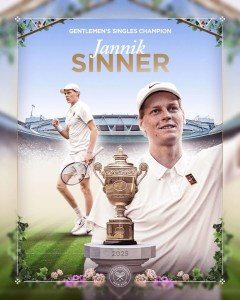
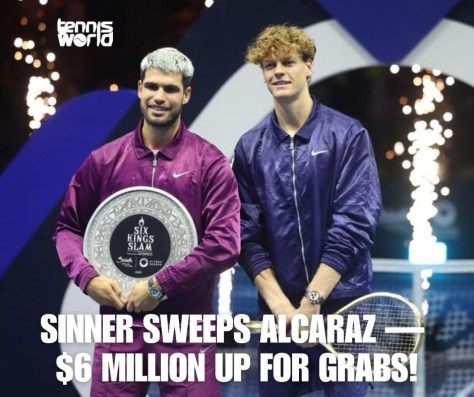
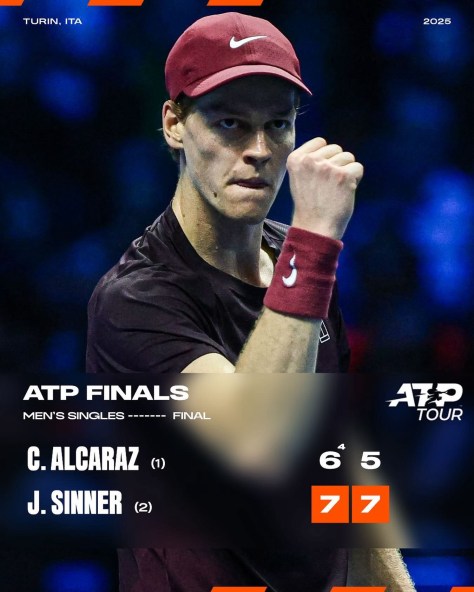
On January 28th, after being down to Daniil Medvedev the first two sets 3-6, 3-6. Italian 22 year-old Jannik Sinner took the next three sets in an epic comeback to win his first Men’s Grand Slam: the Australian Open. In the semifinals, he had previously defeated Novak Djokovik. Jannik Sinner would go on to win the US Open in September. Unfortunately for Medvedev, he has lost a total of 6 Grand Slam finals portrayed below.

Grand Slam finals lost by Daniil Medvedev
Football

On January 5th, shortly after the one year anniversary of Pele’s death (December 29th, 2022), the world of football suffered another great loss as Brazilian legend Mário Lobo Zagallo died at age 93. The “Lobo” is the winningest footballer having won the FIFA World Cup four times. He won it in 1958 and 1962 as a player, he won it again in 1970 as a manager and in 1994 as assistant manager. He was the first of three footballers to have won the Men’s FIFA World Cup as player and manager. The other two are Frenchman Didier Deschamps and German Franz Beckenbauer.

On January 8th, the world of football legends suffered yet another great loss as German superstar Franz Bekenbauer died at age 78. The “kaiser” (the emperor) as he was known not only won the 1974 FIFA World Cup as captain of his national team but he also won it as a manager in 1990 in Italy. He started his career playing as a midfielder but his best years occurred while playing as a central defender.

February

Personal

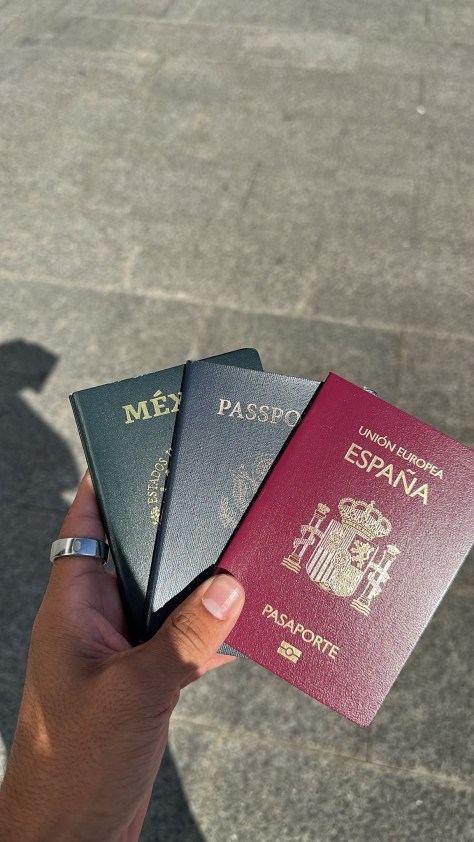
After a long and arduous document gathering process, I traveled to Spain to ensure all paperwork was properly handled and submitted.

National

The Smokehouse Creek Fire, the largest wildfire on record in the state of Texas (and second in the US up to that point) burned 1.1 million acres (approximately 426,600 hectares). It started on February 26 in Hutchinson County and rapidly spread across multiple counties. Governor Gregg Abbott declared it a national emergency.

Global

Superbowl

On February 11th, while in Germany visiting Johan, the Kansas City Chiefs rallied to defeat the San Francisco 49ers in overtime by a score of 25-22 in Super Bowl LVIII (58th). Texas native (and neighbor) Patrick Mahomes was named, for the second straight year, the MVP of the game. The Chiefs became back to back Super Bowl Champions and started what some predict could become a dynasty.

The halftime show, featuring Rihanna, reached a high of 118.7 million viewers. As usual, the commercials stole “the show”.

March

March was a month full of basketball record breaking events.

Personal

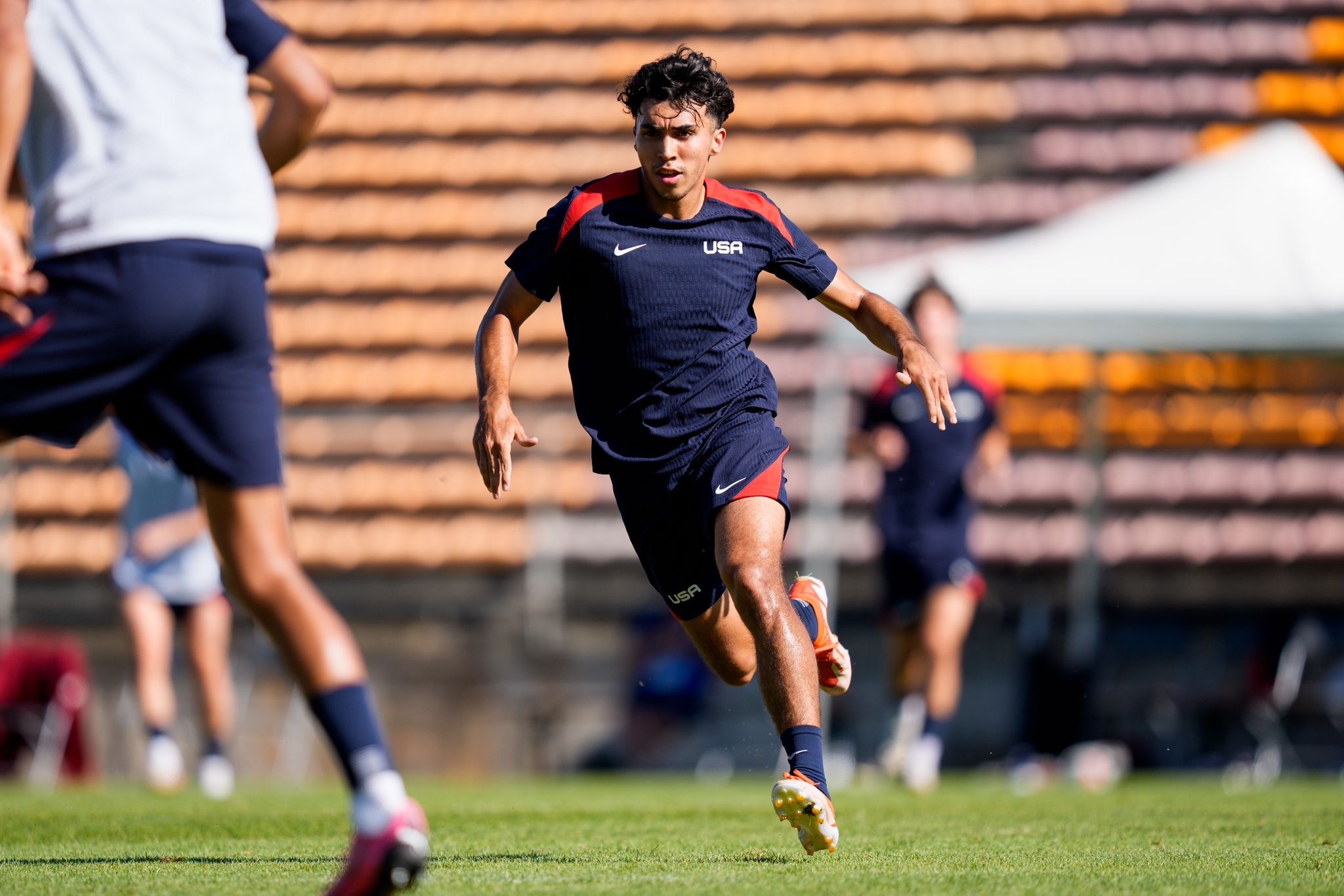
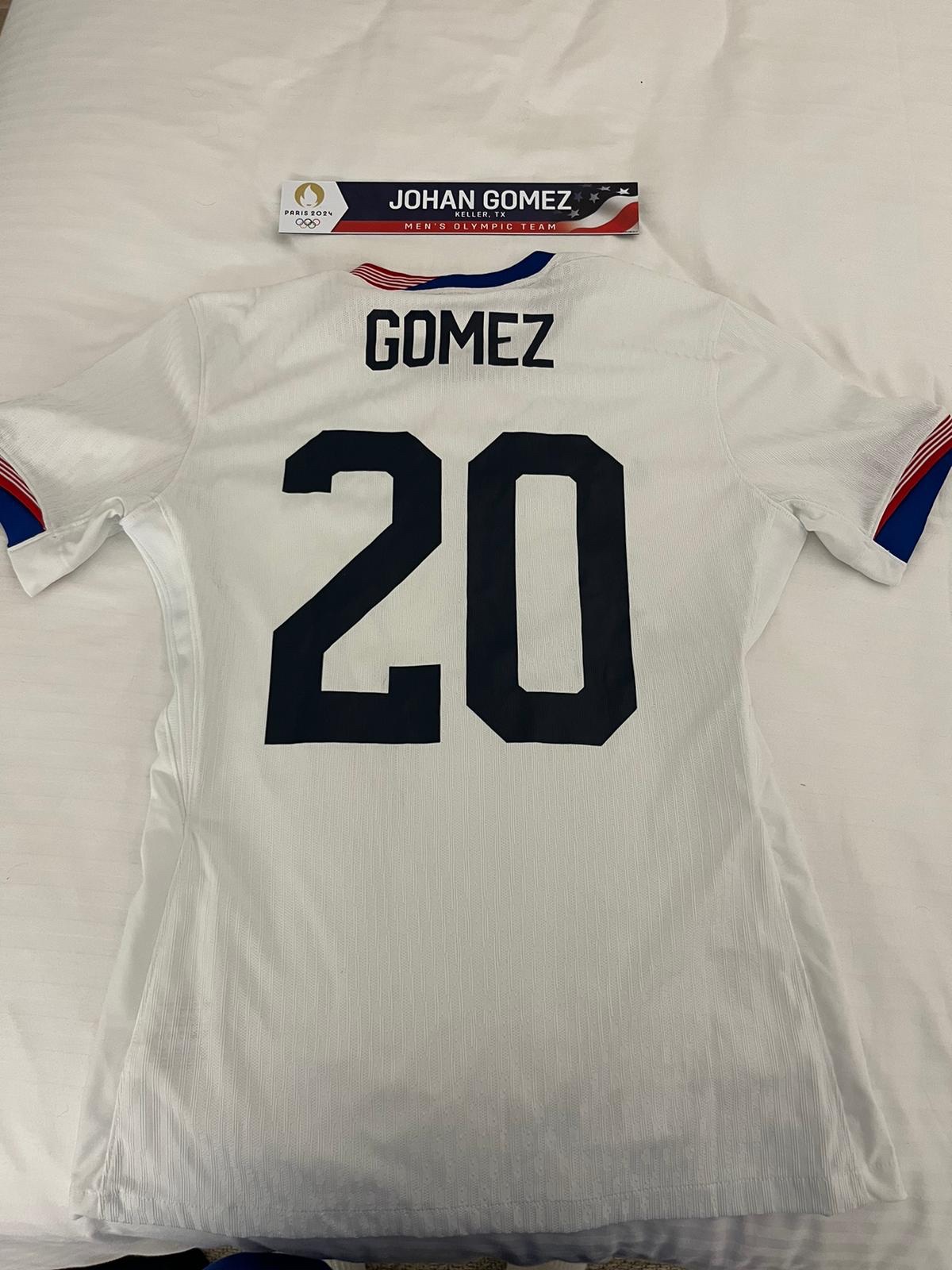
U23 – US Olympic Soccer

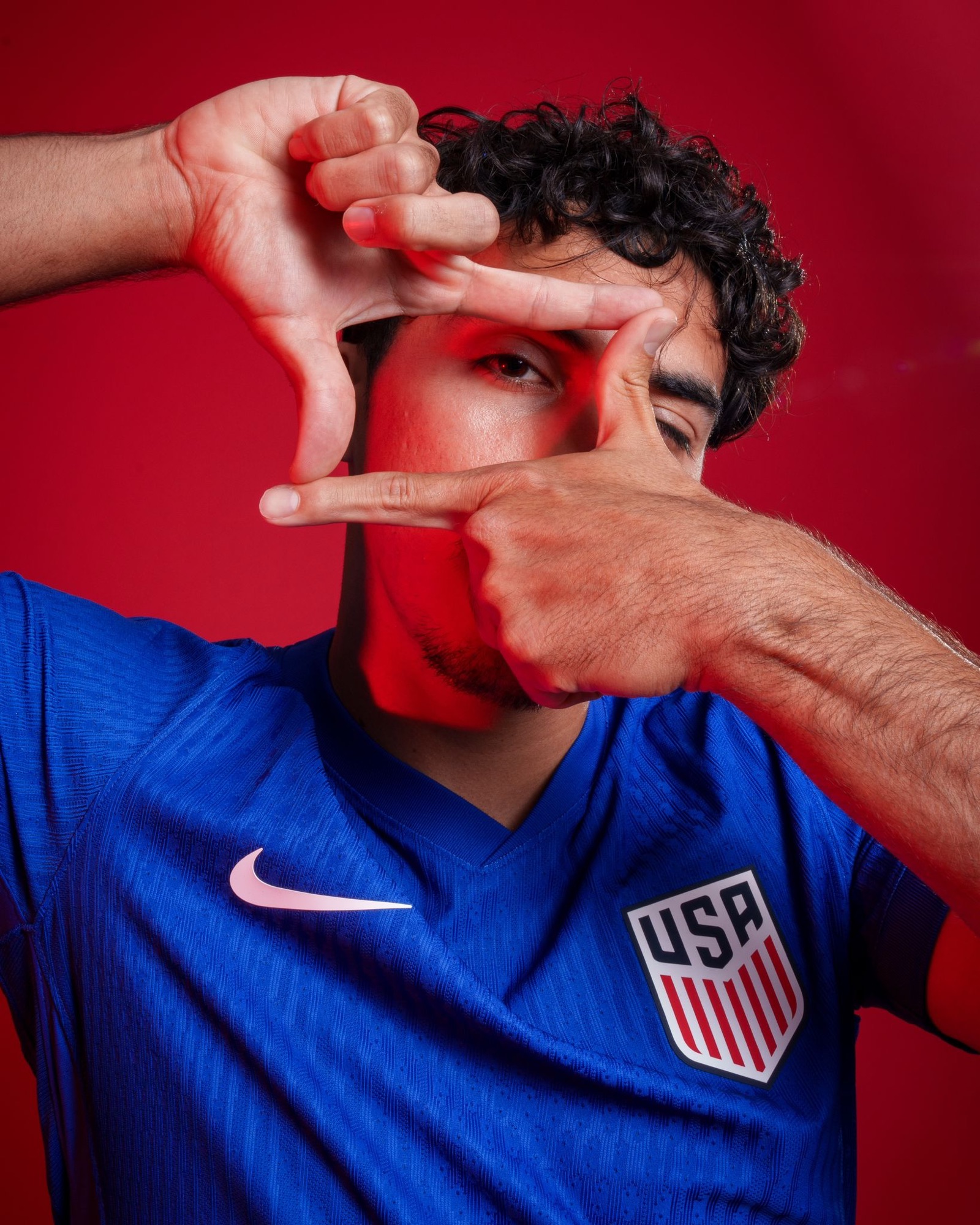
Johan was called for the third consecutive time to the U23 US National team in preparation for the Summer Olympics in Paris 2023. Jonathan was also called; however, once again, CD Mirandés’ Sporting Director did not release him.

Note: CD Mirandés was in the middle of a close race to retain the class. When asked about the lack of a release, Sporting Director Alfredo Merino stated that he could grant Jonathan the release in exchange for a signed pre-contract with Mirandés for the 2024-2025 season (which RS would have had to approve anyway). We of course, opted to sacrifice the U23 call-up (and possibly the Olympics) on account of not getting in trouble with Real Sociedad. Truth be told, the experience with CD Mirandés has been the best so far in Europe. We would go back there any day.

High School

After a solid season in her second year of varsity, Joana made the All-State 1st team as a sophomore.

National

The month was marked by record breaking events. Side note: Ironically, we normally end up talking about the March Madness conclusion in April.

Basketball

On March 7th, after winning back to back national women’s basketball association (NWBA) championships in 2022 and 2023, the Las Vegas Aces, announced that the entire 2024 season had been sold out. This is unprecedented in league history.

Caitlin Clark

On March 1, Caitlin Clark breaks the all-time NCAA Division I college basketball career scoring record that had been held by Pete Maravich with 3,685 points She proceeded to shatter the record in her senior year amassing a total of 3951 points and 548 three-pointers leading all D1 (men’s and women’s) programs. She decided to forego a fifth year of eligibility (due to COVID in 2019) to declare for the WNBA draft.

Global

On March 2nd, Lebron James becomes the first NBA player to reach 40,000 points against the Denver Nuggets.

April

Personal

On April, 20th, Johan scored an important goal against Vfl Osnabruk to help his club be in the hunt to preserve the class in the 2.Bundesliga. Being his first season in the German second division, his playing time (and production) was always impactful starting most games in multiple positions. Most importantly, he did not sustain any major injuries which is always the priority as a professional player.

National

March Madness

On April 8th, the 2024 NCAA March Madness tournament came to an end. UConn defended its 2023 title by defeating the Purdue Boilmakers by a score of 75 to 60 (2023 score was 76 to 59) to claim the 2024 NCAA national title.

This was the 6th championship for the Huskies men’s basketball program. As a side note, my running horns made it to the Round of 32 before collapsing against the other orange guys: The University of Tennessee.

Global

Solar Eclipse

On April 8th, I got to witness the second fully solar eclipse in my life. Back on July 11th, 1990 in Mexico City, I had witnessed the first one but this one was more special as I witnessed it with family.

May

Personal

Eintracht Braunschweig:

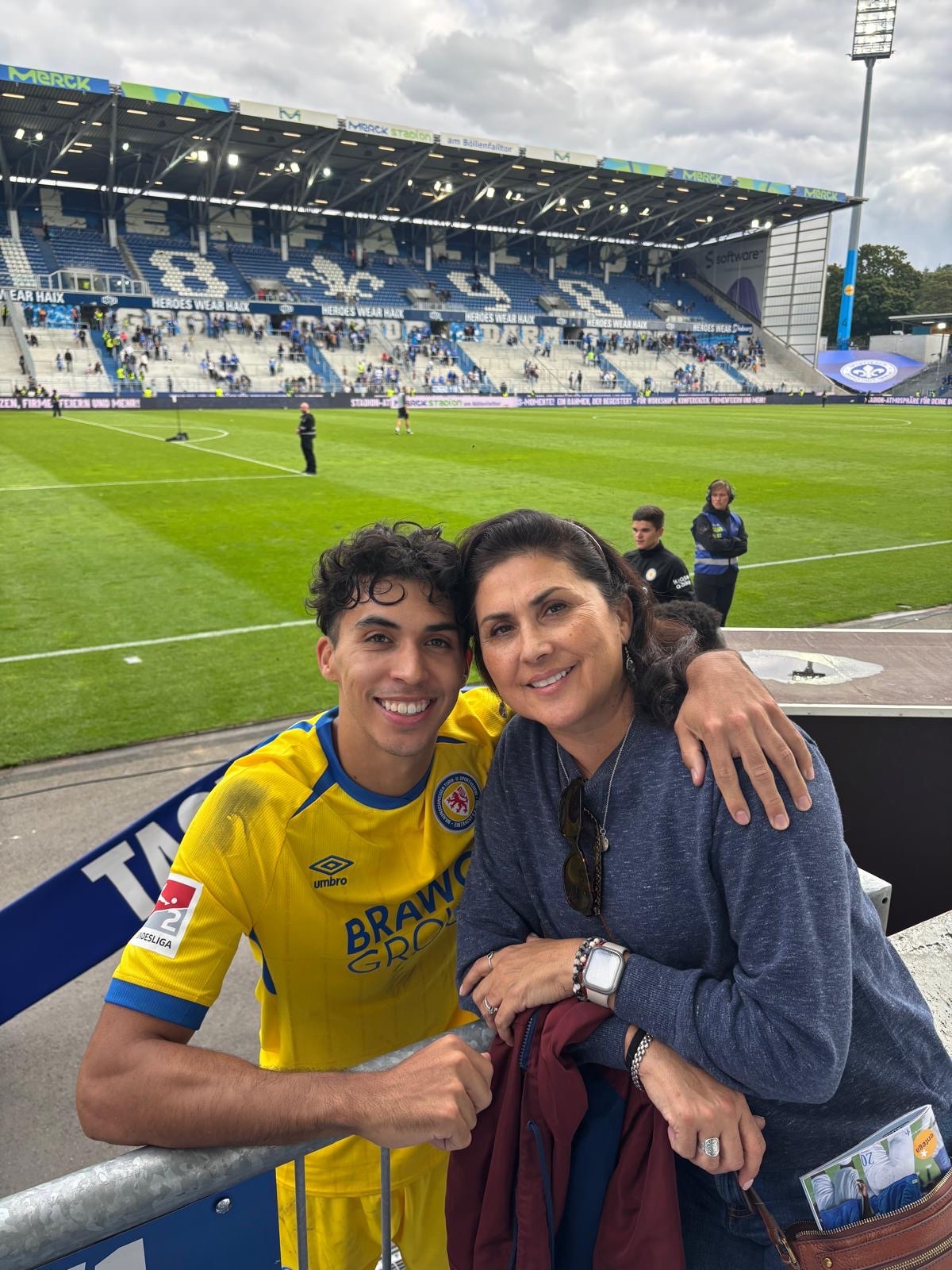
On May 12th, in a must-win game, Eintracht Braunschweig retained the Bundesliga.2 class by beating SV Wehen Wiesbaden by a score of 1-0. After a first long arduous season playing in the 2nd division in Germany, Johan secured playing with the club another year which in June was extended given his good form.

ECNL:

Joana’s team finished the 2023 – 2024 in first place once again. She continued her soccer maturity and high school soccer helped a lot. Her minutes and contributions were solid. We are very proud of the footballer she’s becoming.

National

Johan was called to the last training camp in Kansas before the Paris Olympics. He was ultimately selected as an alternate to join the team in France.

Global

On May 19th, the final day of the season, Manchester City beat West Ham United 3–1 at home to become the first club in Premier League history to win four consecutive titles. They won the title with 91 points – two points ahead of their title rivals Arsenal, who defeated Everton 2–1 at home. Arsenal finished runners-up with 89 points, becoming the third-best second-placed team in the history of the Premier League.

June

The beginning of the second half of the year started out in a brutal way for the family.

Personal

Mirandés:

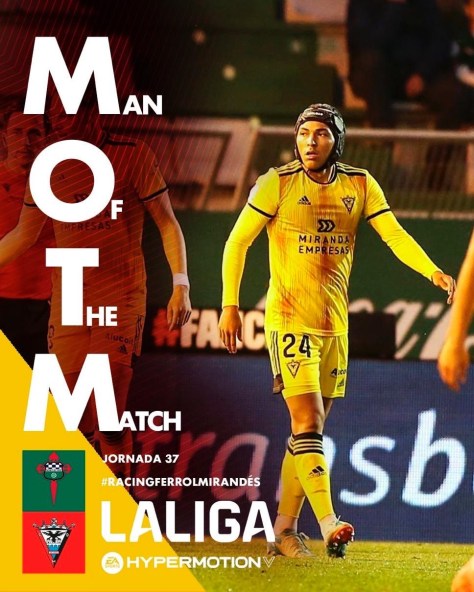
On June 2nd, Jogo played his last game of the season where CD Mirandés secured the class. In a home game of “winner retains the class”, Mirandés defeated SD Amorebieta by the score of 1-0 and guaranteed another year in the 2nd division in Spain.

Joana

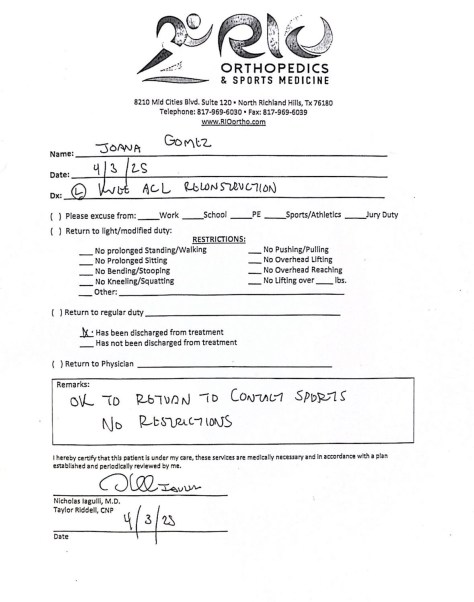
Joana tore her ACL in her second game of the ECNL playoffs. After surgery (almost a month later), she was told the expected recovery time was about 6 – 9 months. Our summer plans changed radically but more so her soccer year and just like that, the road to recovery started…no pain, no gain.

National

NBA

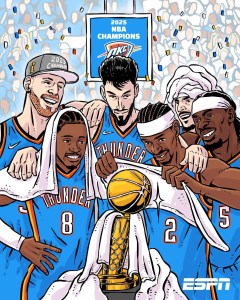
On June 17th, in the fifth game of the NBA finals, the Boston Celtics defeated our hometown team the Dallas Mavericks. It was a carbon copy of the 2023 finals where the Denver Nuggets also won the NBA finals over the Miami Heat in five games. As most would expect, Serbian center Nikola Jokic was named MVP of the finals.

MLB

On June 18th, the world of baseball lost one of the greatest athletes to have ever played the game. Willie Mays, passed away in his home in California due to a heart failure.

Global

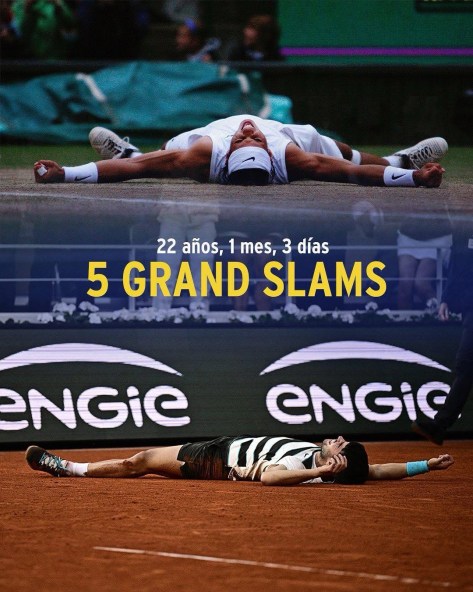
On June 9th, Carlitos Alcaraz won his first major of the year: French Open. Despite winning two major Grand Slams in 2024 (including Wimbledon), the year finished in a frustrating manner after losing the Olympics final to Novak Djokovic, and being knocked out early of the US Open.

July

Personal

Paris Olympics

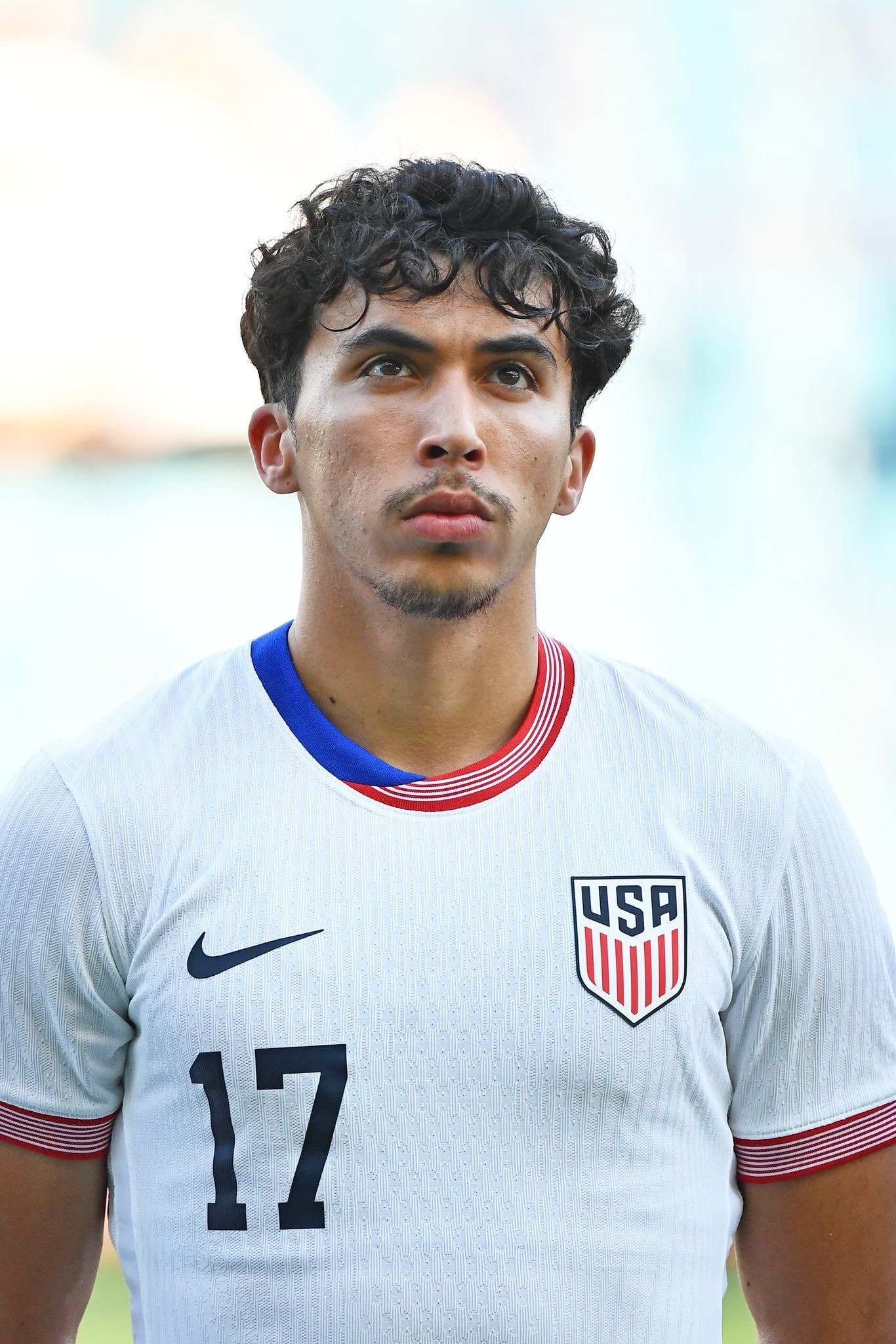
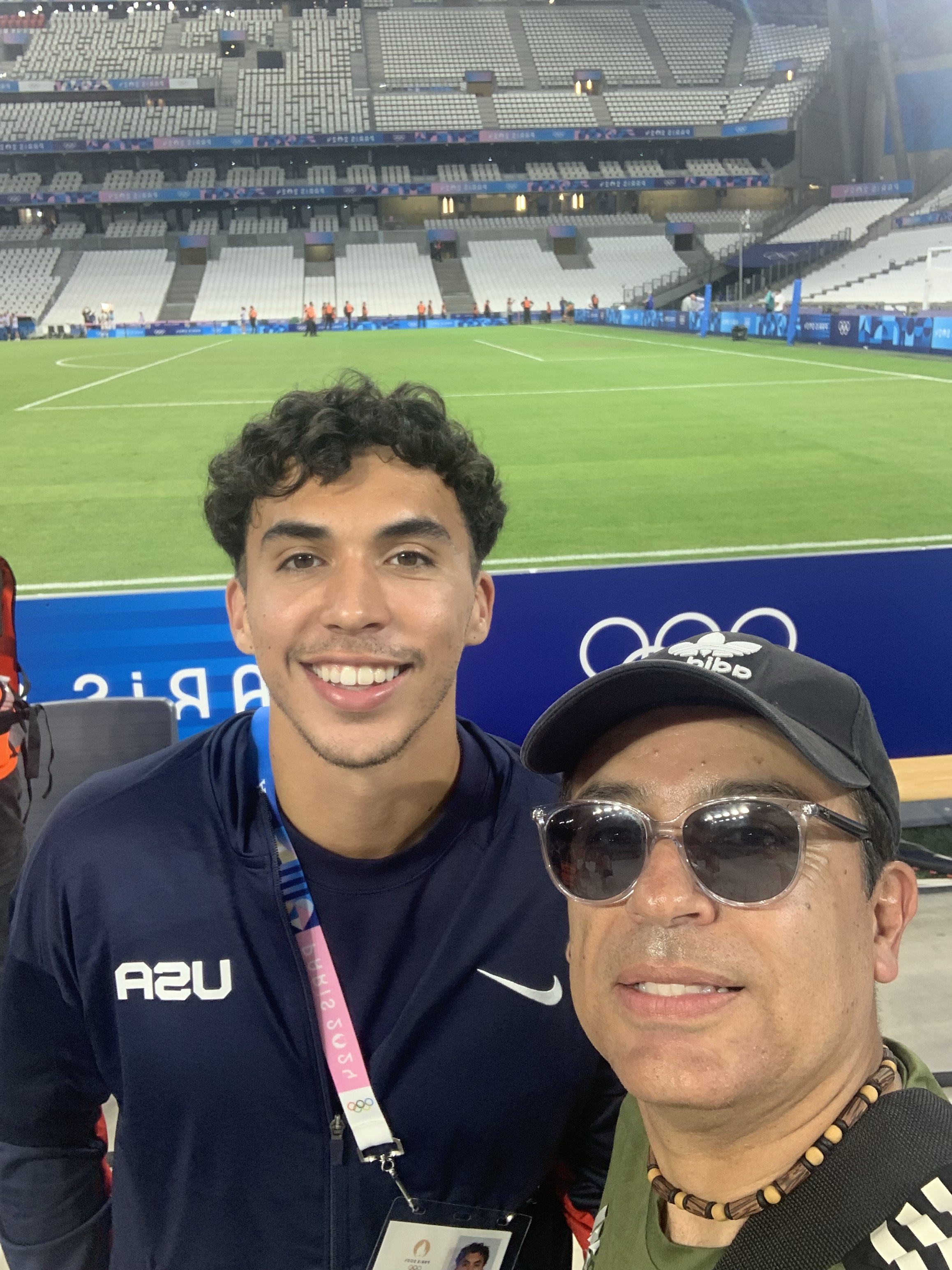
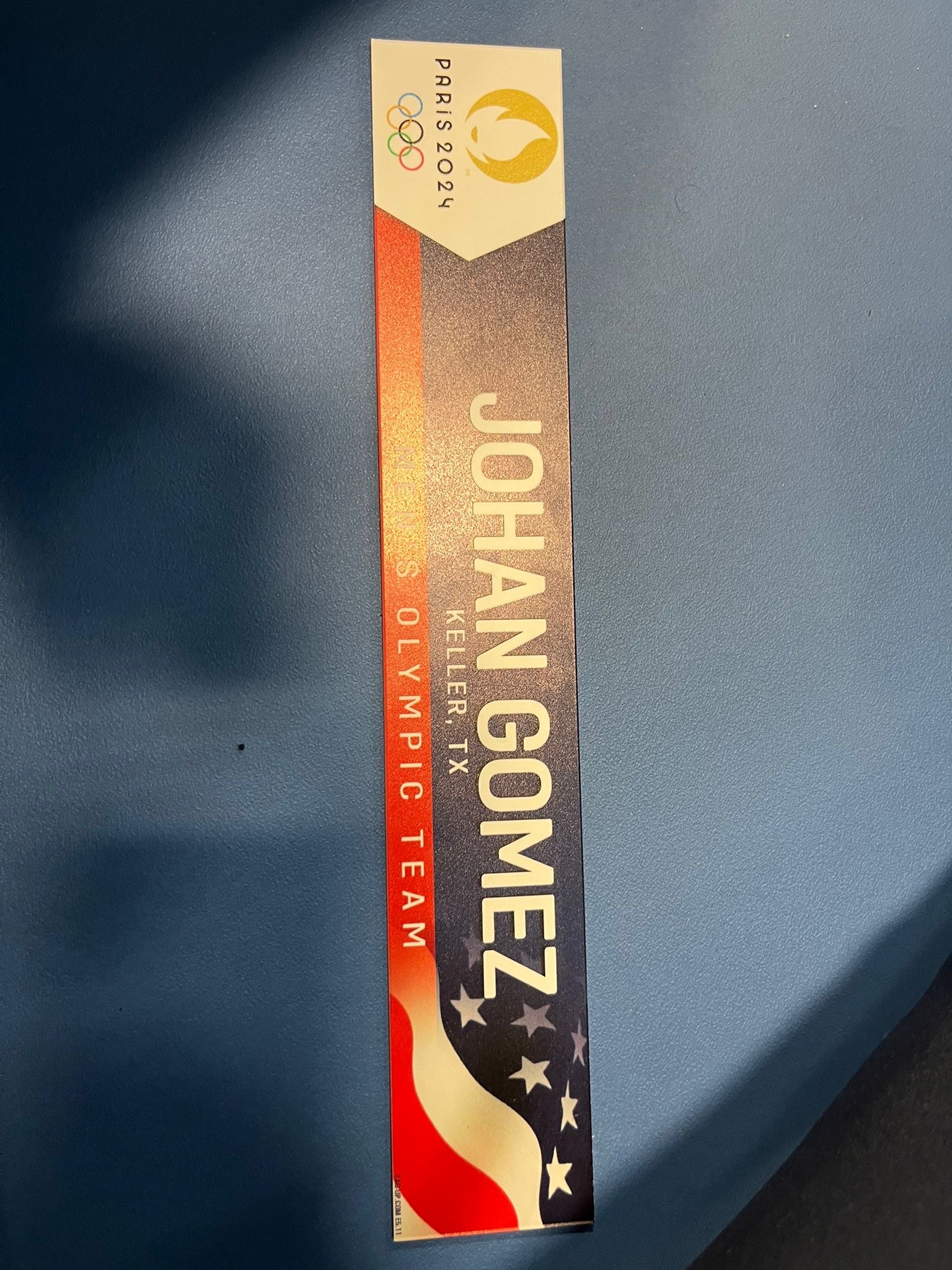
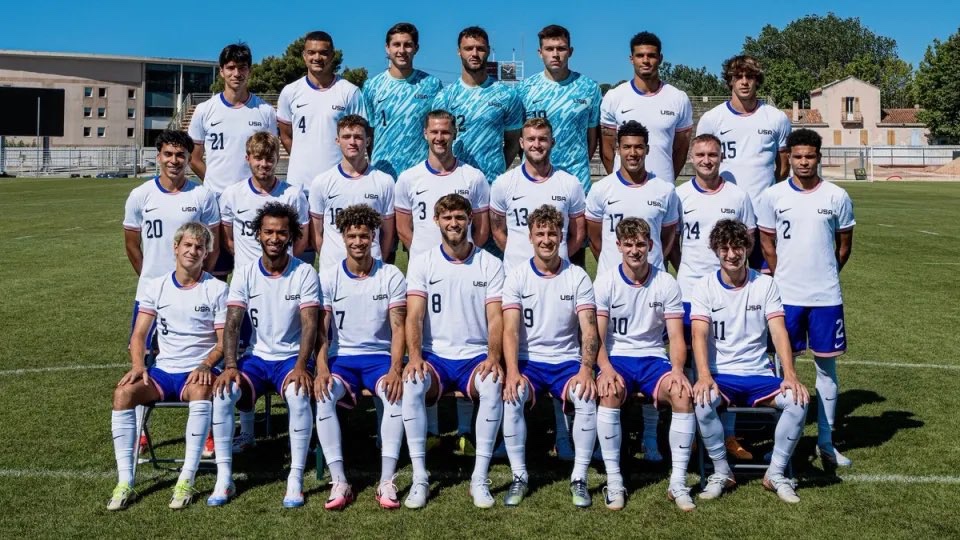
Johan was selected to the 22-men roster for the US Olympic soccer team. I traveled to Marseille, France to meet up with him (for his birthday mostly) for the first two group stage games. (Un)fortunately, that’s what his club allowed him to participate in. It was a magnificent experience playing against the host nation for the opening game and witnessing the atmosphere live.

National

On July 14th, Argentina won the Copa America for a 16th time. This time, the defending champions defeated Colombia in overtime by a score of 1-0. The final game was played at the Hard Rock Stadium in Miami under a complete lack of logistical organization.

Global

President Trump

On July 13, 2024, Donald Trump, back then the presumptive nominee of the Republican Party in the 2024 presidential election, survived an assassination attempt while speaking at an open-air campaign rally near Butler, Pennsylvania

Euros

On July 14th, the football world was paralyzed to watch the Euro final between Spain and England in Germany. In a highly close match, Spain eventually prevailed by a score of 2-1. In the 86th minute of the game, then Jogo’s Real Sociedad teammate Mikel Oyarzabal scored the match winner giving Spain its 2nd Euro Cup.

August

Personal

There were offers that came in from some Liga Mx clubs for Jogo whose value artificially inflated his market value. Those immediately impacted Real Sociedad Sporting Director’s (Roberto Olabe) greed and future for Jogo. After a successful pre-season with the first team which included a tour in Japan; it was evident that first team Coach along with Roberto were seeking financial remuneration prior to Jogo’s last contract year. As a result, Jogo expressed his desire to continue in the Spanish market; however, Roberto blocked the offers that did come in from La Liga 2 clubs mostly and a couple from La Liga, thus forcing Jogo to look elsewhere. When Jogo refused to return to Mexico, Roberto made his (and other players such as Roberto Navarro under a similar situation) lives miserable.

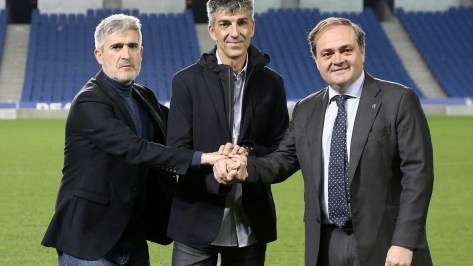
Roberto Olabe (Sporting Director), Imanol Alguacil (Head Coach) and Jokim Aperribay (President). Three characters…

We are very grateful with Real Sociedad as the club provided Jogo his first European opportunity. In the end, we know that people come and go and clubs endure the passage of time. Some people however, can certainly impact a club’s reputation. Greed is a horrible thing…

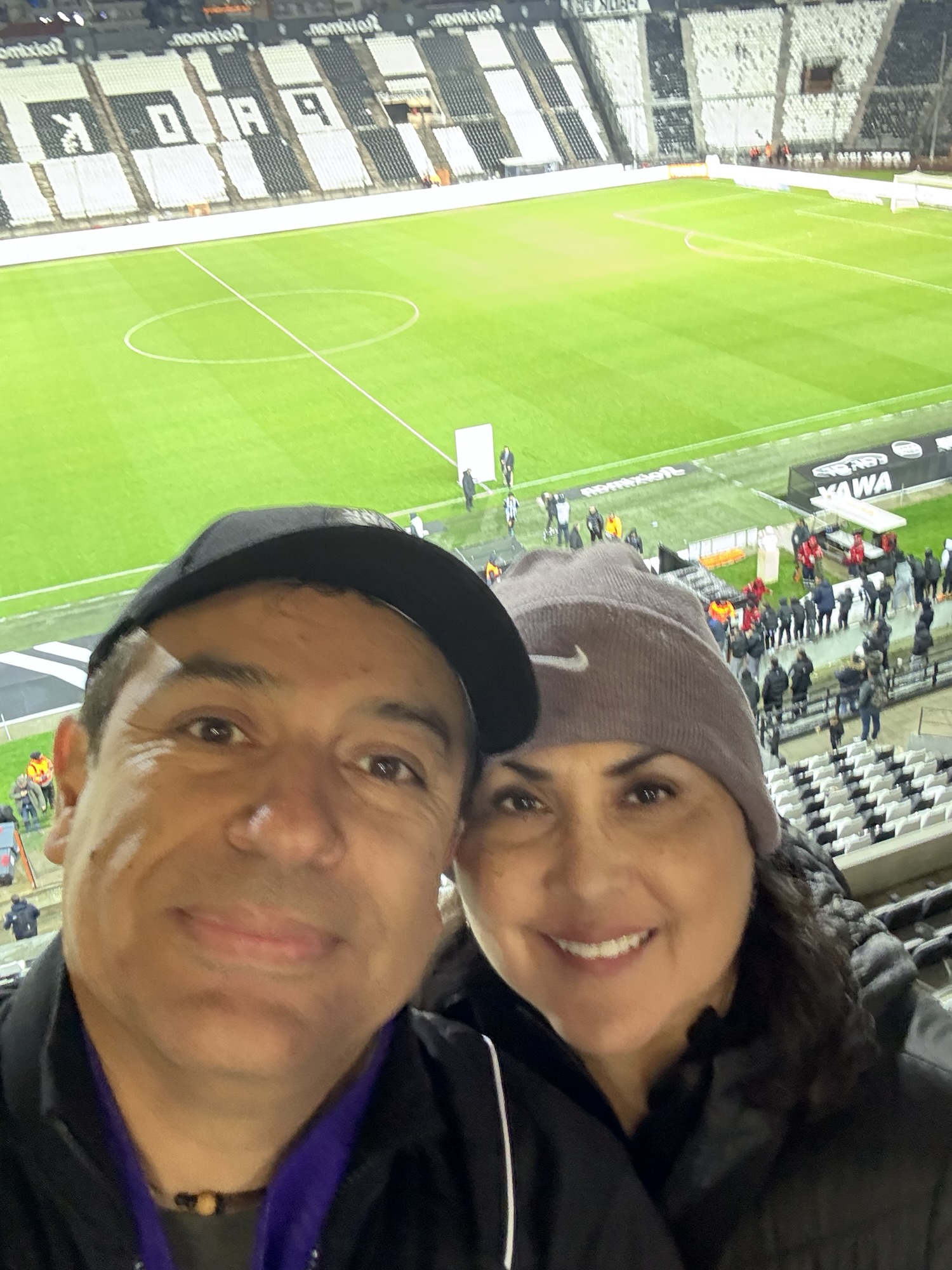
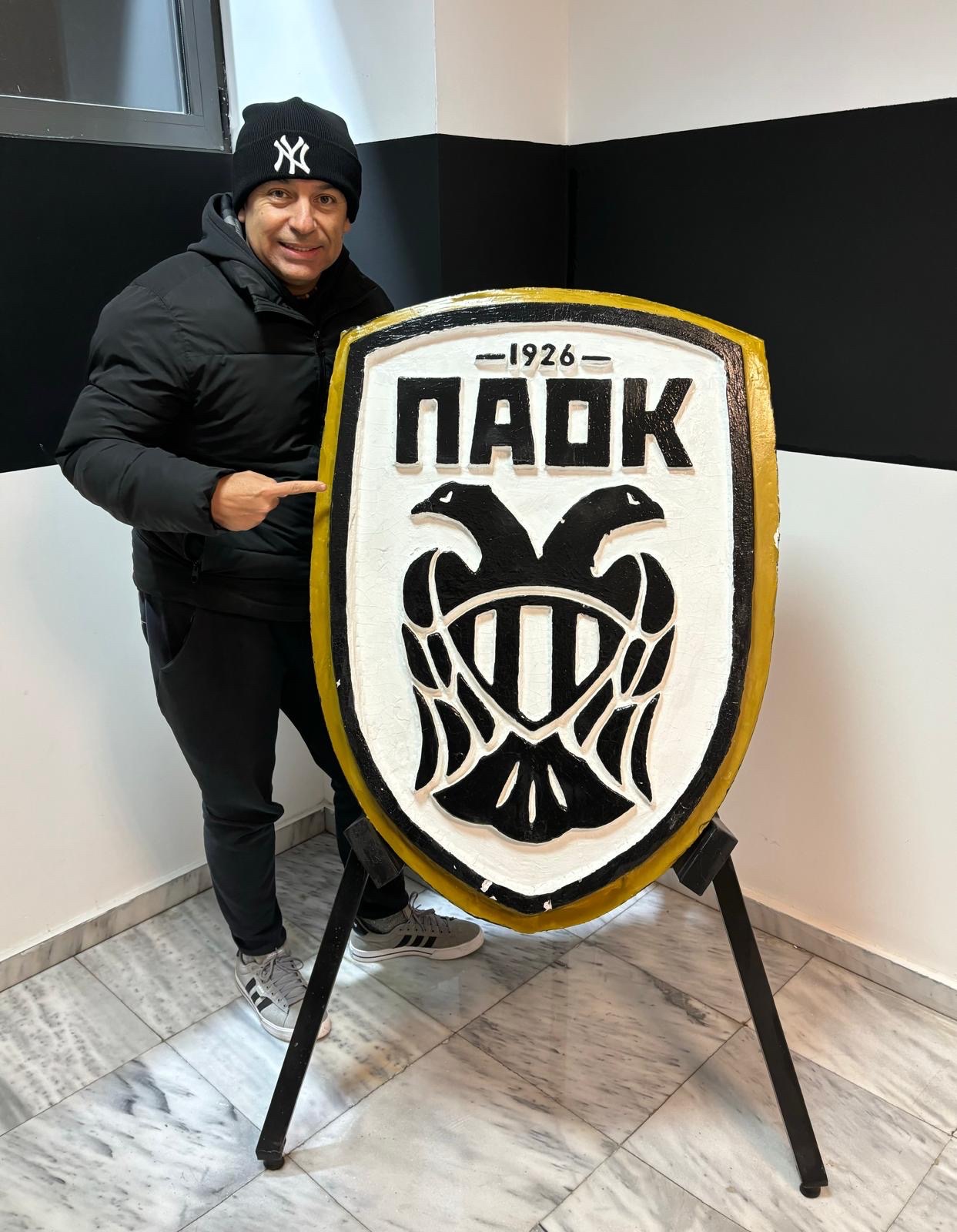
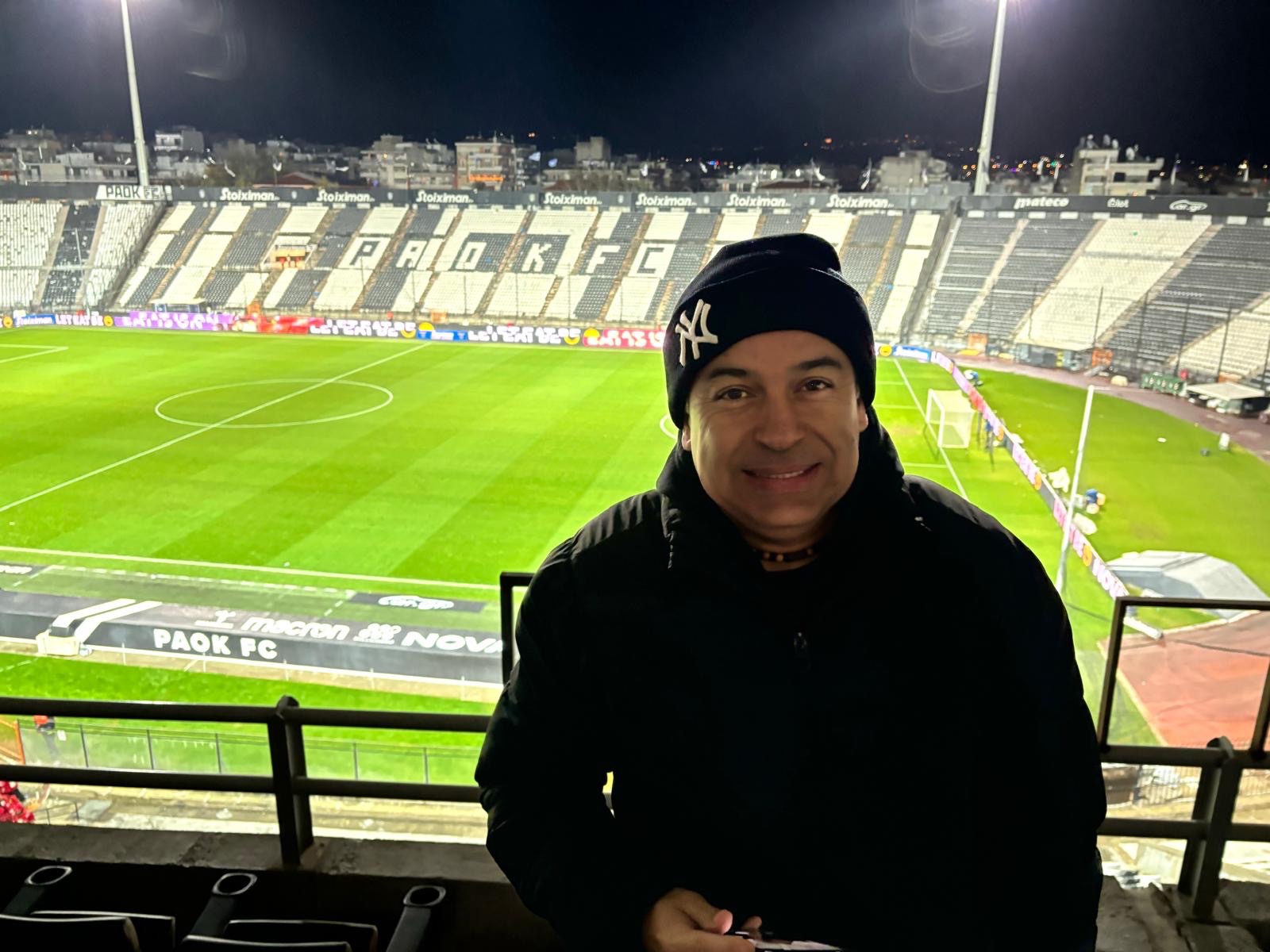
Right before the market closed in September, Olabe finally allowed (thanks to a hefty transfer fee paid by PAOK FC), a transfer to an unimaginable league for us, but at last, escaped Roberto’s constant abuse of players who didn’t align with his financial initiatives. Currently, we are still struggling to find our footing in a foreign market that we were forced into.

National

On August 25th, the Columbus Crew defeated Los Angeles FC (3-1) to win the 4th edition of the Leagues Cup. For the second consecutive year using this format, an MLS club prevailed over Liga MX clubs.

Global

Olympics:

On August 11th, the Paris 2024 Olympics came to an end. It was an unforgettable month of sports with many memories made. Here is the final medal tally.

Among the most notable moments were these: The inagural ceremony at the Rhine river on a rainy Friday night, Nadal vs Djokovik match, Simon Biles, Photo finish, etc.

September

Personal

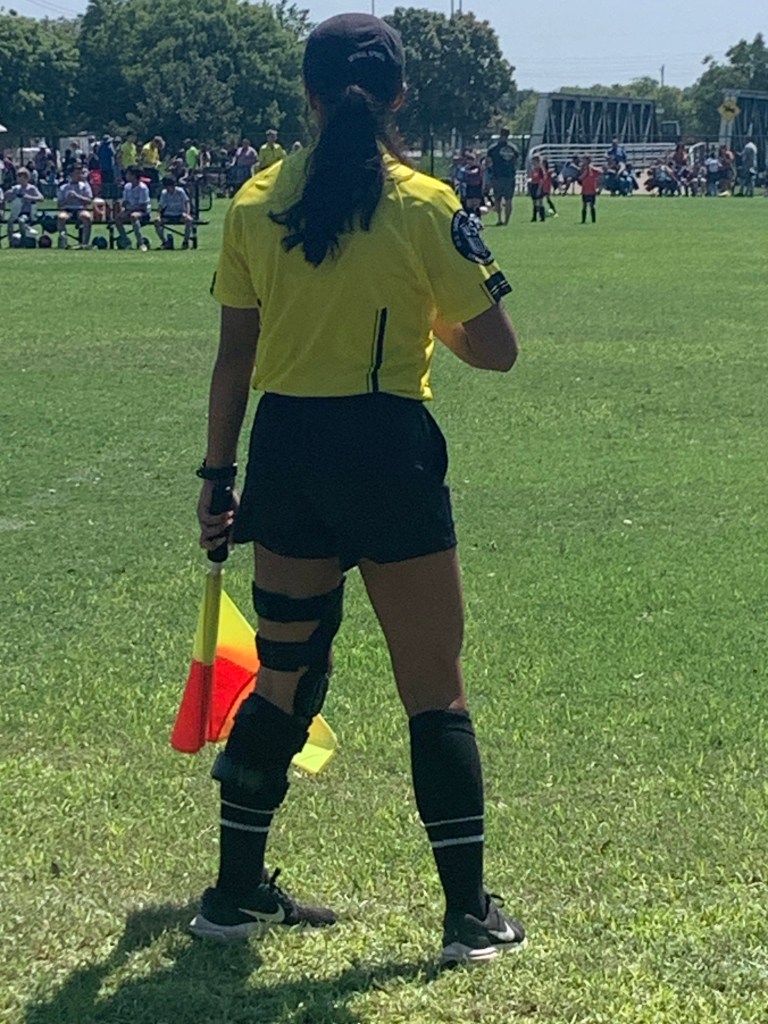
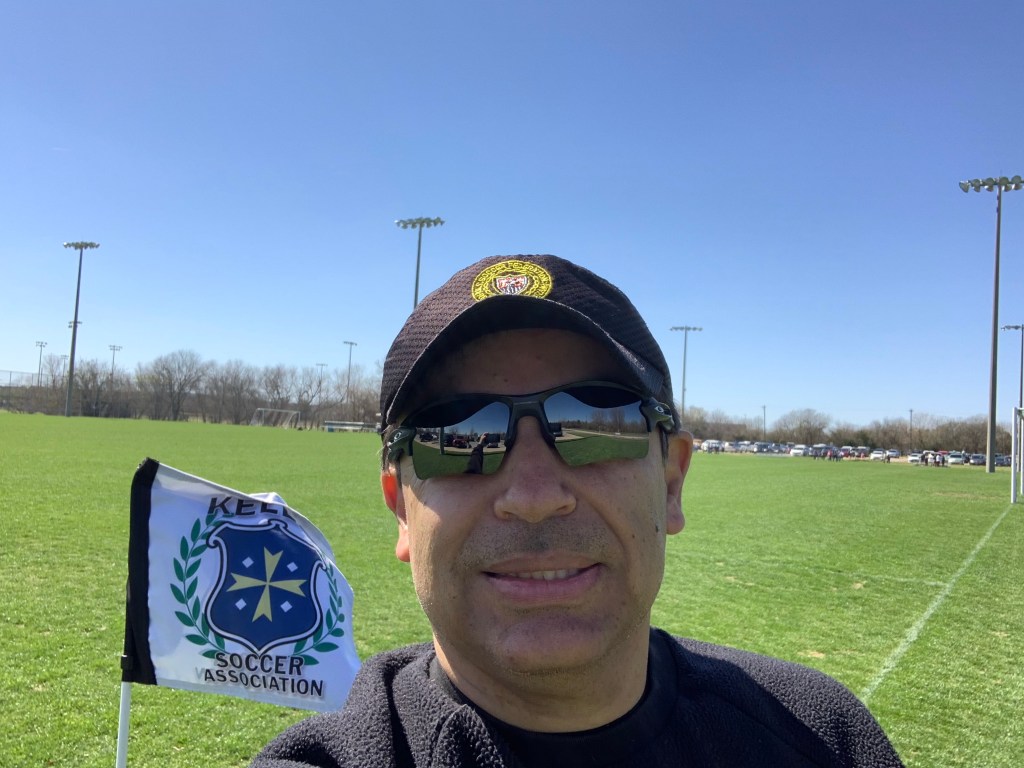
On my 20th anniversary officiating football, Joana and I repeated what the boys and I did several years earlier: we officiated a (albeit rec) game together. As I had anticipated last year in the end-of-year publication. Joana decided to partake in the game from a different perspective.

National

On Saturday, September 7th, 2nd ranked Aryna Sabalenka won her second Grand Slam of the year (third overall) by beating American-Korean 6th ranked Jessica Pegula in straight sets (7-5, 7-5)

On Sunday, September 8th, Jannik Sinner defeated American sensation Taylor Fritz further delaying having an American win the Meadows Grand Slam for yet another year. The US Open became Sinner’s second Slam of the year (and career).

Surprisingly, Jannik defeated Fritz in three straight sets making the match one of the shortest ones in recent history: 6-3, 6-4, and 7-5.

Global

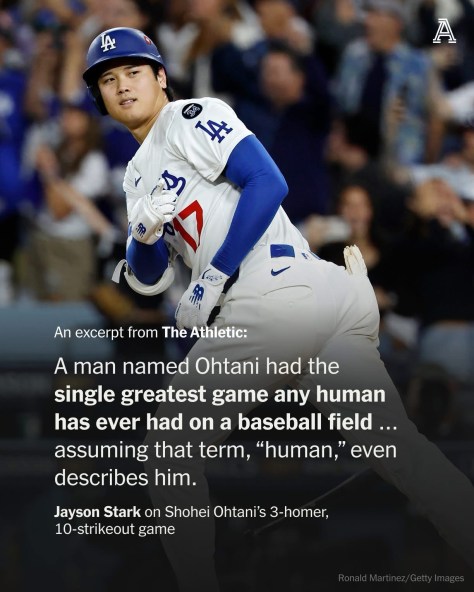
On September 19th, Japanese two-way (pitcher and designated player) baseball player Shohei Ohtani became the first player in MLB history to record a 50-50 (50 home runs and 50 stolen bases) in one season. Ohtani would continue his impact in the month of October helping the Los Angeles Dodgers reach and play through the post-season.

October

Personal

Space X

On October 13th around 7:25 AM, we witnessed history in the making in South Padre Island. The successful launch of the fifth SpaceX Starship was a feat in itself; however, the most amazing experience was witnessing the successful return of its booster back to its launch base where it had taken off five minutes prior. Relive it here where every detail is explained.

Meanwhile, the ship continued its way around earth and re-entered the atmosphere to land in the Indian Ocean.

Greek Super League

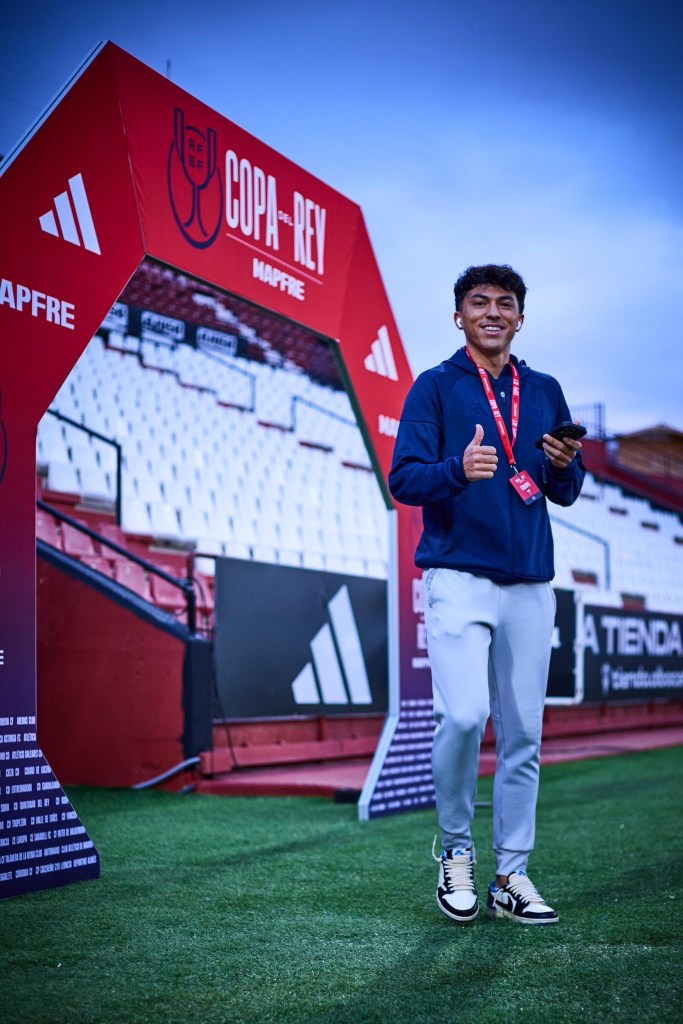
Jogo made his official Greece Super League (and European first division) debut on October, 6th in an away game against Levadiakos. Paok FC defeated the home team by a score of 2-0. In October, Jogo also debuted in the Greece Cup (round of 16) on October 30th. This is the 2nd country where he professionally partakes of the Cup competition -Copa del Rey). In this game, Paok FC prevailed over Egaleo by a score of 3-0 with a solid showing.

National

On October 23rd, Lebron James (39) and his son Bronny (20) made history by becoming the first father and son to play in an NBA game together. The duo shared the court for about 150 seconds. The Los Angeles Lakers defeated the Minnesota Timberwolves by a score of 120-113.

Global

Tennis:

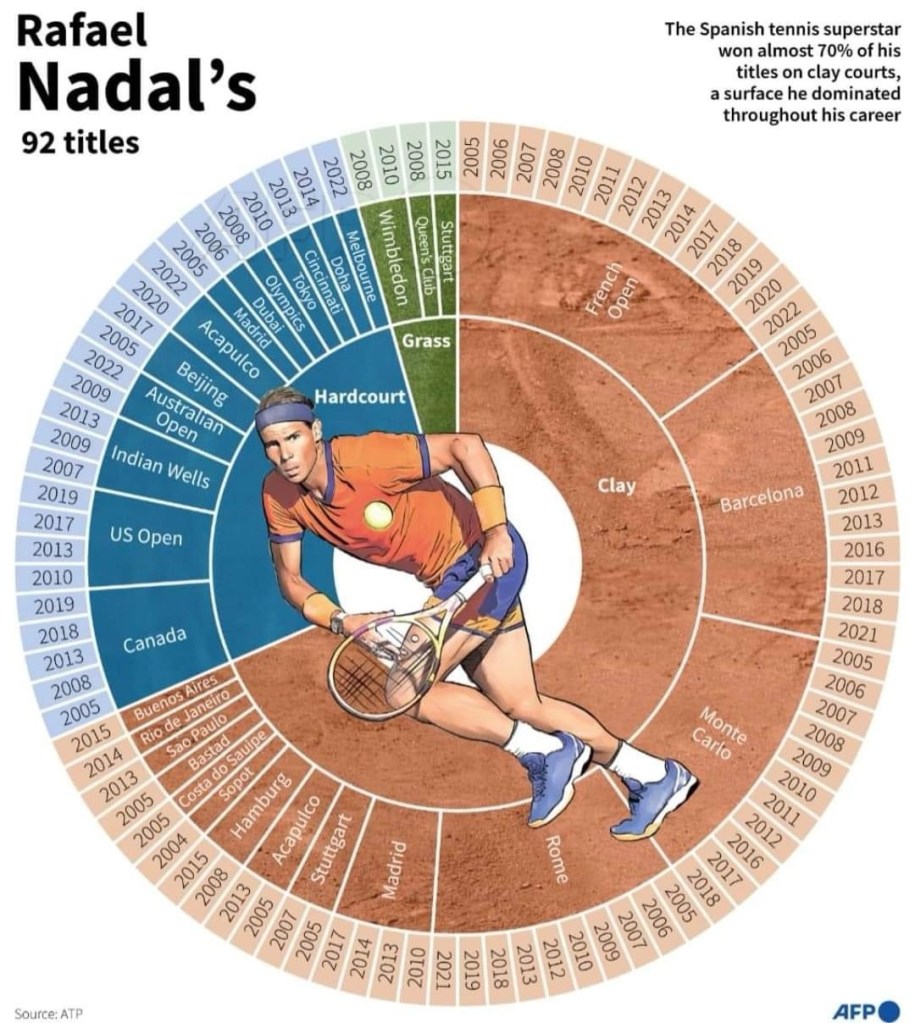
On October 11th, 38th year old Rafael Nadal announced that the Davis Cup in the month of November would be his last tournament before retirement.

Commonly known as the king of clay due to his dominance on that surface, Nadal climbed up to the #1 ATP world ranking for the first time by defeating friend and rival Roger Federer in the epic 2008 Wimbledon final. This match is commonly regarded as the greatest tennis match ever played.

Flooding:

On October 29th,  torrential rain caused by an isolated low-pressure area at high levels brought over a year’s worth of precipitation to several areas in eastern Spain, including the Valencian CommunityCastilla–La Mancha, and Andalusia. The resulting floodwaters caused the deaths of at least 217 people and substantial property damage

World series

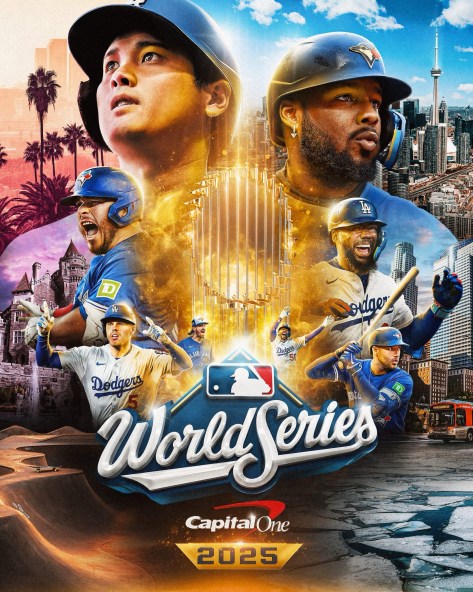
On October 30th, the Los Angeles Dodgers overcame an 0-5 deficit in game 4 of the World Series at Yankee Stadium to win the game 7-6. In doing so, they swept the series to win their 8th World Series and first one since 2020.

This took place a couple of days before recently deceased Mexican former LA pitcher’s Fernando Valenzuela’s birthday on November 1st. What a gift had it been if the Dodgers had won on his birthday.

November

Personal

Johan had his first assist (somewhat fortuitous) of the 24-24 season. Going into the 2nd FIFA break of the 2024-2025 season, at the time, Eintracht Braunschweig was located just outside of the relegation zone and playing well.

National

On November 14th, the USMNT defeated Jamaica (1-) in the first leg of the quarterfinal of the CONCACAF Nations League. In the second leg a few days later, the USMNT won 4-2. In the semifinal game, the USMNT will face Panama.

Meanwhile, the Mexican national team narrowly defeated Honduras by an aggregate score of 4-2. In the first leg, Mexico lost 2-0 and many thought the team would not make it to the semifinals to be played in March 2025.

Global

On Tuesday November 5th (Super Tuesday), the US people (and the electoral college) elected Donald Trump as the 47th president of the US. Now President elect Donald Trump (with his running mate JD Vance) defeated Vice President Kamala Harris by a large margin: 312 – 226 (270 are needed to win). Trump’s victory defied two assassination attempts, two presidential impeachments, his criminal conviction and many other criminal charges. He is expected to take office January 20th.

December

Individual

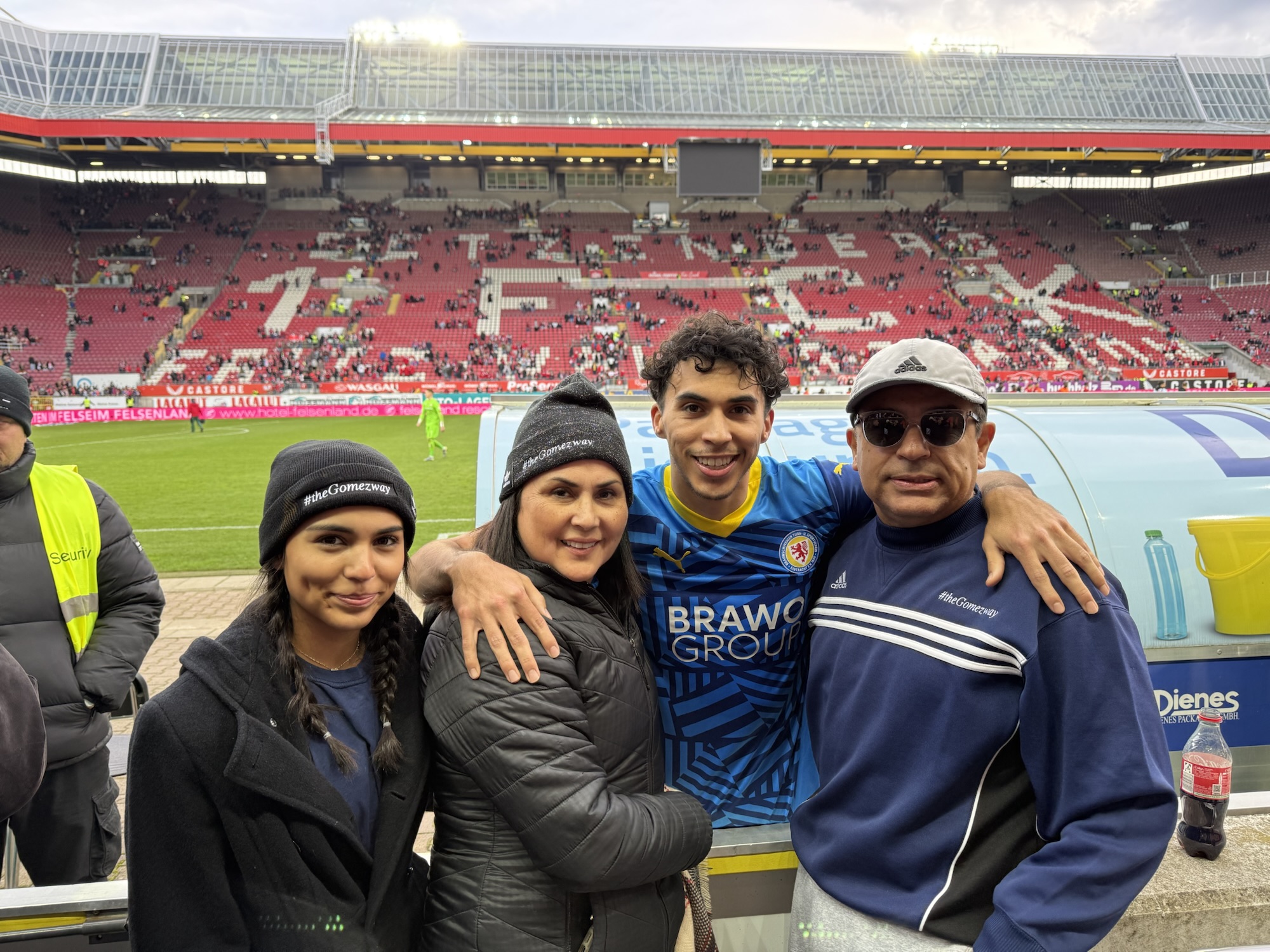
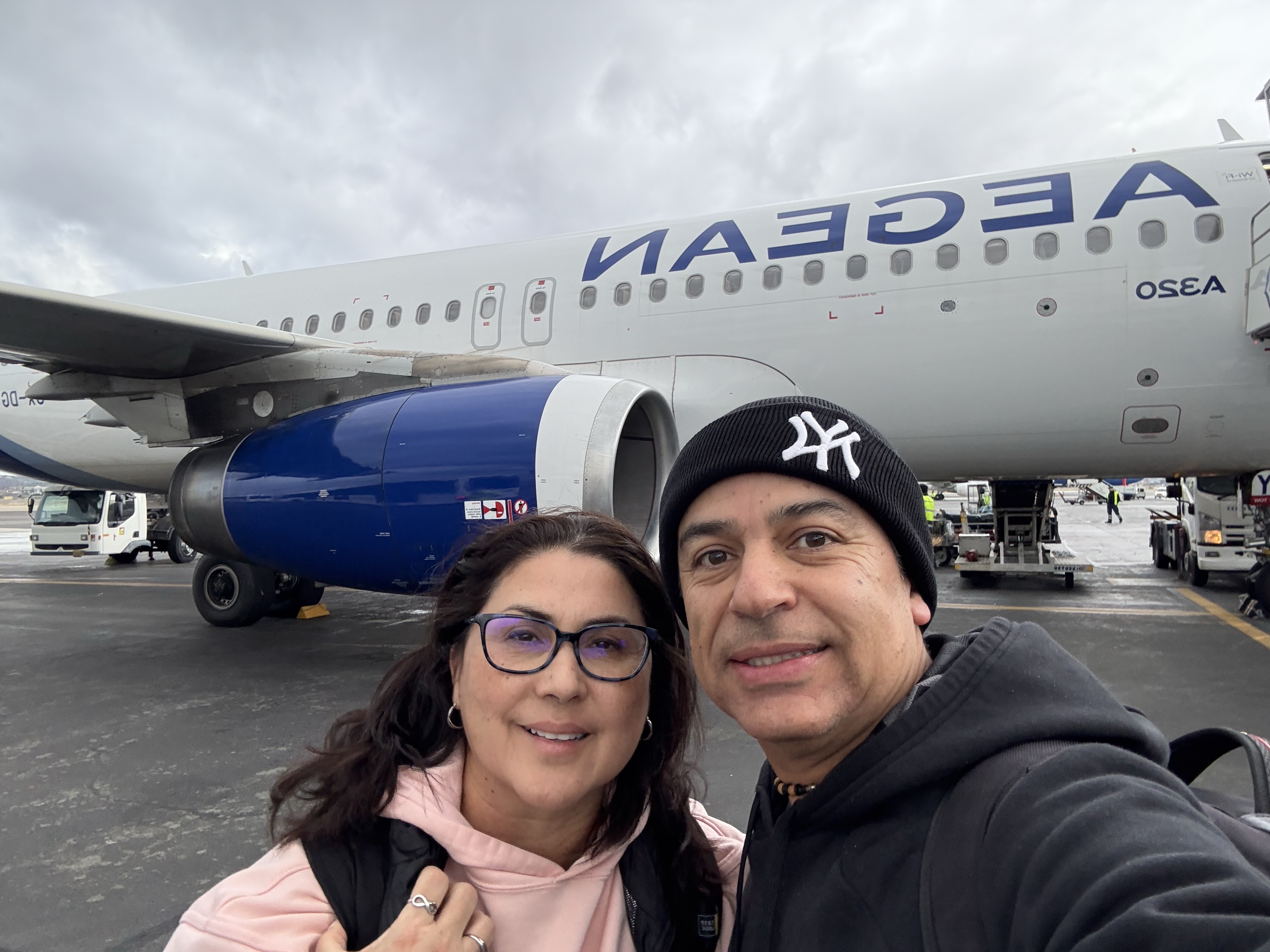
The family traveled to Germany and Greece to visit the boys for Thanksgiving. Many memories were made.

National

MLS

On December 7th, LA Galaxy (with ex-FC Dallas players Edwin Cerrillo and John Nelson) defeated the New York Red Bulls by a score of 2-1.

NCAA D1 Women’s

On December 9th, in Cary North Carolina, the University of North Carolina Tar Heels defeated first time finalist Wake Forest Demon Deacons in the D1 College Cup Championship. The Tar Heels have won 23 of the 43 editions of the College Cup.

NCAA D1 Men’s

On December 16th, in Cary, North Carolina, the University of Vermont Catamounts defeated Marshall University Thundering (winners in 2022) with a golden goal by a score of 2-1 to claim their first ever NCAA Division 1 Men’s soccer college cup. The game was high in emotions but low on technical level.

Global

POTUS:

On December 29th, Jimmy Carter (39th president of the United States), passed away peacefully at his home in California. In his attempt for re-election going against Ronald Reagan (VP George W. Bush) in 1980, Carter’s 49 electoral votes were the second-fewest for an incumbent president seeking reelection, with only William Howard Taft in the 1912 presidential election defeated more decisively. Jimmy Carter is the only president to have reached 100 years of age. He won the Nobel Peace Prize in 2002.

F1

On December 8th, Dutch driver Max Verstappen finishes 6th in the season-ending Abu Dhabi GP to claim his 4th consecutive World F1 title.

FIFA

On December 11th, FIFA announces that Morocco, Portugal and Spain will jointly host the Men’s 2030 World Cup, with anniversary matches to be held in Argentina, Paraguay and Uruguay, while Saudi Arabia is confirmed as the host for the Men’s 2034 World Cup.

2025:

As stated a year ago, our intent was to expand our blog coverage to include more content about Joana. We did just that for the first six months prior to her ACL injury. As she recovers, we’ll pick that up this year.

Now that we have some months of recovery time, we have continued to try to pick up where she left off. She’s beginning to take the sport to a different level this upcoming year.

In December, Jogo purchased his first new car in the states just to have when he’s in town. Although rarely, car conflicts do arise when everyone is in town especially now that Joana became an official driver. I will take good care of it for you buddy 😉

Please reach out for any topics you would like addressed #theGomezway.

BTW, if you made it this far, you probably find our content useful or relevant. As a non-profit website managed by one person, we can use your donation to continue the work of growing the sport in this country. Please consider donating to support the infrastructure costs to upkeep this website.

One-Time
Monthly
Yearly

Make a one-time donation

Make a monthly donation

Make a yearly donation

Choose an amount

$5.00
$15.00
$100.00
$5.00
$15.00
$100.00
$5.00
$15.00
$100.00

Or enter a custom amount

$

Your contribution is appreciated.

Your contribution is appreciated.

Your contribution is appreciated.

DonateDonate monthlyDonate yearly

Sponsorships for a young footballer?

Subscribe to continue reading

Subscribe to get access to the rest of this post and other subscriber-only content.

College soccer explained for players and parents (two amendments)

In the summer of 2021, I wrote an informative and comprehensive post titled: “College soccer explained for players and parents”. A little over two years have passed since its publication and recent events called for its review; I normally do not go back to amend my previous posts but the usefulness generated with it merited it. So, what events prompted me to re-read and update the post?

Well, it is that time of the year when college soccer begins to reach its climax and honestly, I have been watching a lot of it unfold since a few of our soccer friends are/were in it. On the D1 men’s side, the initial 48-school tournament is now down to the quarterfinals (aka Elite 8) while the D1 women’s bracket is now down to the final four. Not surprisingly, the NCAA D1 college cup will be played in Lynn Family Stadium in Louisville, Kentucky (also known as Lou City’s cathedral). In a way, we go full-circle and to commemorate it, we may make our way up to nostalgic Louisville to visit friends and watch a few games next week. Anyway, that current hype is what prompted me to revise my post in the first place…

So, without further ado, here are the two adjustments to my summer 2021 post.

Overtime changes

In the original post, I highlighted that regular season matches could not end in a tie. That rule changed the following season (2022) and now regular season matches CAN end in a tie after the 90 minutes of regulation. To determine a game winner in regular season games, no overtime is needed any more. However, as one would expect, if a winner is needed (ex. conference games, tournament games) overtime (OT) and penalty kicks (if the tie persists) will continue to be utilized. The reasoning behind the elimination of OT periods was to shorten the playing minutes that most college programs already undergo in a compact (August – November) season while equaling the playing time among all D1 soccer programs.

As explained in this NCAA article, another rule change that was introduced last season, which aligned with the elimination of the OT periods, was the abolition of the golden goal in OT periods. Currently, when OT periods are needed, two 10-minute OT halves must always be played in their entirety. This measure is supposed to improve the quality of soccer played by teams who in the past hesitated to play offensively fearing match ending counterattacks.

Name, Image, and Likeness (NIL)

Also, in my post from September 2021, I recommended prospective student-athletes not sign with an agent or receive any sort of financial remuneration. The idea was to avoid potential complications with the then-existent NCAA rule that prevented current (and prospective) student-athletes from playing or even being recruited if a financial advantage was proven to have occurred favoring the student-athlete (or the family).

See, in 1905, the NCAA was founded with amateurism as one of its core values. In other words, student-athletes could not get remunerated in any form while playing at the college level…until the summer of 2021. However, a lot changed in July 2021 in what continues to be a controversial and ambiguous NCAA rule change.

In June 2021, the supreme court ruled unanimously that the NCAA could not limit education-related payments to student-athletes (since non-athletes were making boat loads of money mostly online). Two core NCAA principles remained intact: No pay-for-play, and no quid pro quo. In summary, athletes are not supposed to receive compensation tied to performance, and recruits aren’t supposed to sign deals contingent on going to a certain school. The latter is a really nebulous topic as presented in this Athletic publication. However, NIL signings sky-rocketed and so did professional agent signings after the supreme ruling of NCAA vs Alton. Student-athletes are now able to receive money from monetized social media accounts, signing autographs, teaching camps or lessons and participating in advertising campaigns, among other forms of NIL usage. The ramifications of this change continue to have a domino effect and we haven’t seen the end of this rule change…

If you read through my original post, you will find that the “Program Reputation” section mentioned a soccer family friend whose son had committed to play D1 soccer for Georgetown. Ironically, that same friend called me last week to pick my brain about his son’s potential paths to football professionalism post college graduation. Unfortunately, Georgetown is no longer in the NCAA tournament, so we chatted about options to keep the dream alive based on the grim outlook his agent painted. In any case, that convo also contributed to the amendments of the original post.

I hope you have enjoyed reading the original post for the first time or re-reading it with its amendments. As always, reach out if you need any assistance, advice, or suggestions or if you have topics you’d like to read about. #theGomezway
Cryo or compression therapy for a football (soccer) player?

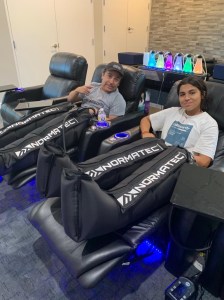
Cryo and compression are two popular therapies used in sports recovery. Our family uses both; however, given its portability, we have used compression therapy more frequently. We own two sets of Hyperice Normatec leg sleeves in Germany and Spain respectively. At home, we use Cryonation where both therapies are readily available for the family. While both methods have advantages beyond sports recovery, let’s compare and contrast them with respect to football players specifically.

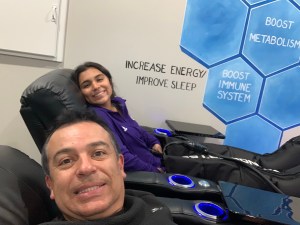
Joana and myself doing a 20 minute session of leg compression at CryoNation

Compression therapy

Compression therapy is a common treatment to help improve blood flow in your lower legs. There are three types of compression therapy: compression stockings, bandages and wraps, and inflatable devices. Below, we will address some of the benefits of inflatable devices (leg sleeves) as those are the ones most commonly used by athletes.

Enhanced Circulation: Leg air compression devices use sequential pressure to promote blood flow and lymphatic drainage. This can help remove metabolic waste products such as lactic acid and reduce inflammation, facilitating faster recovery and reducing muscle soreness.

Reduced Muscle Fatigue: Compression helps reduce muscle vibration during physical activity, leading to decreased muscle fatigue. By stabilizing the muscles and reducing microtrauma, leg air compression can help football players maintain their performance levels for longer periods.

Quicker Recovery: The improved circulation and lymphatic drainage provided by leg air compression can accelerate the recovery process by delivering oxygen and nutrients to the muscles while removing metabolic waste. This can help football players recover from intense training sessions and matches more rapidly.

Injury Prevention: Compression garments provide a supportive effect, helping to stabilize muscles and joints. This can reduce the risk of muscle strains, sprains, and other injuries during football activities. By applying consistent pressure, leg air compression can also help prevent swelling and edema.

Travel Aid: Football players often experience long journeys for matches or tournaments (college soccer players), which can lead to swelling and discomfort in the legs. Leg air compression can improve circulation and alleviate these symptoms, making it a useful tool for travel recovery.

Cryotherapy

Cryotherapy, which involves exposing the body to extremely cold temperatures for a short duration, has gained popularity in various sports, including football. While individual experiences and opinions may vary, here are some potential benefits of cryotherapy for football players:

Jogo doing at full body Cryotherapy session

Enhanced Recovery: Cryotherapy may help accelerate the recovery process by reducing inflammation and muscle soreness. Exposure to cold temperatures can constrict blood vessels, which can help reduce swelling and promote faster healing after intense training sessions or matches.

Pain Relief: Cold therapy can act as a natural painkiller by numbing nerve endings and reducing pain sensitivity. Football players often experience muscle strains, joint soreness, and general fatigue, and cryotherapy may help alleviate these discomforts.

Improved Performance: Cryotherapy may enhance performance by increasing alertness and reducing fatigue. The sudden exposure to extreme cold stimulates the release of endorphins, which can boost mood, energy levels, and mental focus. This may be particularly beneficial before important matches or during periods of intense training.

Decreased Muscle Damage: Intense physical activity like football can cause microtrauma to muscles. Cryotherapy may help limit the extent of muscle damage by reducing metabolic activity and slowing down cell death. This could potentially lead to faster muscle repair and less severe muscle soreness.

Psychological Benefits: Cryotherapy sessions often involve brief exposure to extremely cold temperatures, which can be mentally challenging. Soccer players who incorporate cryotherapy into their routines may develop mental resilience, discipline, and a sense of accomplishment, which can be beneficial for their overall performance.

It’s important to note that while cryotherapy has potential benefits, scientific evidence supporting its effectiveness in football players is limited. Individual responses to cryotherapy may vary, and it’s always recommended to consult with a qualified healthcare professional before implementing any new treatment or therapy.

Cryotherapy vs Compression therapy

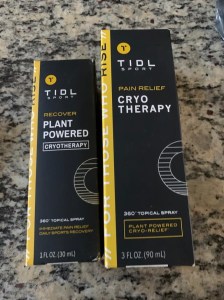
Convenience: Leg air compression devices are portable and can be used anytime, anywhere, whereas cryotherapy normally requires access to specialized equipment or facilities. This makes leg air compression more accessible and convenient for football players. However, there are now companies like TIDL which have introduced portable cryo products like the ones pictured below.

Cost: Leg air compression devices are generally more affordable than cryotherapy sessions, especially considering long-term use. Cryotherapy often involves per-session costs, making it a more expensive option. At the writing of this document, a pair of Hyperice Normatec leg sleeves costs around $700-$900 and a single session of cryo therapy costs around $15-$35 each.

Targeted Recovery: Leg air compression provides localized compression to the legs, targeting specific muscle groups. In contrast, cryotherapy involves whole-body exposure to cold temperatures. Depending on the specific needs of a football player, one method may be more suitable than the other.

Pain Relief: Cryotherapy is known for its analgesic (pain-relieving) effects, which can be beneficial for acute injuries or intense soreness. While leg air compression may alleviate muscle soreness, it may not have the same immediate pain-relieving properties as cryotherapy. Those old-timers who have been watching football for decades will remember the old times when club trainers would come onto the field to assist an injured player, they would apply a form of high-pressure, cold spray to the injured area. Suddenly, the footballer would be back on his feet as the pain was numbed momentarily allowing the footballer to proceed the match.

Personal Preference: Some athletes may have a preference for one method over the other based on personal experiences and comfort. It’s important to consider individual preferences when choosing between leg air compression and cryotherapy.

Ultimately, both leg air compression and cryotherapy have their merits. Leg air compression is particularly advantageous for improving circulation, reducing muscle fatigue, and aiding in recovery, while cryotherapy may be more suitable for pain relief and acute injury management. Football players can choose the method that aligns with their specific needs, preferences, and resources.

We hope you have enjoyed this post. As usual for more information, please reach out. Don’t forget to give us a follow on Instagram, Twitter, YouTube and Facebook. #theGomezway
Why is there a shortage of US soccer referees?

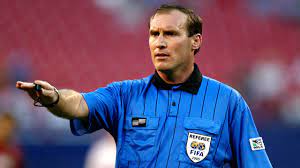
2023 marks my 19th consecutive year as a certified US Soccer Federation (USSF) referee. It has been a progressive journey; I have had the pleasure of officiating anywhere from outdoor U4-U19 recreational games, competitive 3 vs 3’s, competitive club leagues/tournaments, public high school, Development Academy, to men’s college matches and indoor competitive. Disclaimer: I have never officiated a futsal match.

As I wind down on my involvement on what appears to be my last year, I can say that most of my officiating years have served the following purposes: 1. Develop a greater respect, appreciation and empathy for the refereeing profession 2. Understand yet another facet of the beautiful game. 3. Share acquired knowledge (through organic playing, refereeing, coaching and parenting education) via mentorship of young referees (ages 13-17), players (fans and coaches included) and last but not least 4. Fitness/exercising.

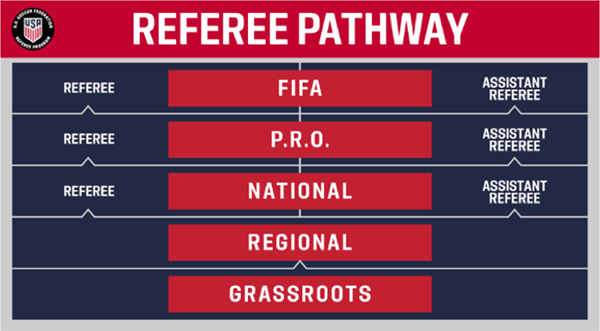
I officially started refereeing during my college years; I only refereed one indoor season as it was very seasonal and realistically, engineering consumed most of my college time. After graduation, I took a 6 year break before I rejoined the ranks and became one of the 100K+ registered soccer referees. However, I quickly understood that moving up the referee pathway (below) was going to take time which I didn’t have much of due to my other academic and corporate endeavors. Unfortunately for the sport in this country, soccer officiating is a profession that very few pursue as a career for many reasons; some of which we will try to root-cause below.

Income

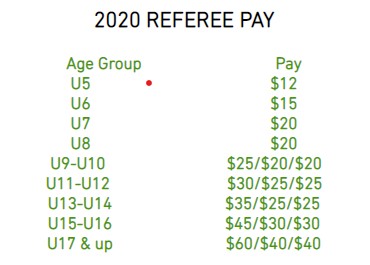
It is important to understand that the best part of officiating is flexibility. Soccer referees are independent contractors; as such, the duration of their work is short, and they normally have the freedom to officiate at times, places and fees of their own choosing. That said, most young referees pursue soccer officiating to generate a stream of income with flexible hours starting as early as 13 years of age. Another advantage is that referees can earn up to $600 (tax-free) in a calendar year without having to report it to the IRS. The below recreational (rec.) referee pay scale (albeit from 2020) can be very attractive to a young referee.

Thomas Moran: Update the referee pay scale in the KSA website

Let’s be honest, pay scales like the one above won’t be sending any adult referees into immediate retirement either. Caveat: Recreational refereeing pay scale is at the bottom of any pay scale. As such, adult soccer referees normally do not enter the profession hoping it become the single source of income. Even for college level soccer referees, the hourly wage (once travel is factored in) is nothing to write home about. In the majority of the cases, adult referees enter the profession by being forced to be around the sport in some capacity: coaching youth, volunteering, having a child playing in the local rec. soccer association or just wanting the best seat in the house while earning some (albeit little) cash. Some use it as a hobby and in some rare cases like mine, we end up pursuing it as a permanent way to give back to the beautiful game. There is however, an in-between temporary category of soccer officials where “hobby meets income source” and that normally belongs to referees whose English is a second language. They tend to pursue the profession wholeheartedly at the beginning of their arrival to the United States but that dedication only lasts until some higher income source comes along.

A few years back, there was a small perk for referees; at the conclusion of the assigned games, a cash payment was rendered at the fields. There’s just something satisfactory about being paid immediately after a service is rendered. However, times have changed with technology. Most soccer associations have now adopted an automated payment system where referees no longer get paid cash at the fields. Instead, they have to wait up to three days to be electronically compensated for their services. Unfortunately, there are adult referees whose personal finances depend heavily on the revenue they generate refereeing over the weekend and having to wait to be paid is just another entry barrier to the profession or its progression. One time, at my local association, it took about 6 weeks for three games refereed to be deposited into my bank account due to a “glitch” in the system.

Those situations described above lead us to conclude that the best hope to have future competent referees resides in the youngsters (ages 22 – 30) whose college soccer playing days are over, still have a desire to be involved in the game, progress through the referee ranks, are financially stable and despite the constant criticism, choose to pursue the career.

Criticism

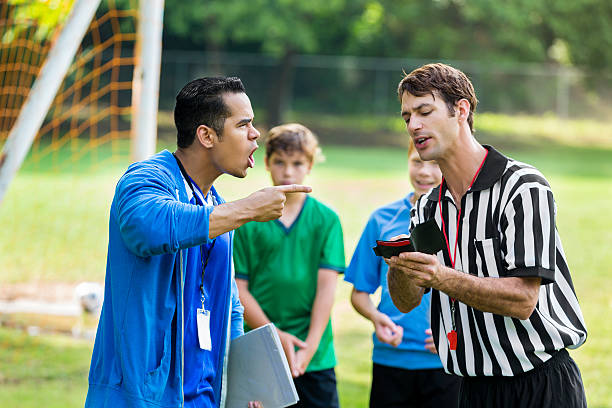
Mid adult Hispanic soccer coach yells at mid adult Caucasian referee and points at him over a bad call. The players in green jerseys and blue jerseys are watching and listening in the background.

Unfortunately, the brave and ambitious young referees who consider advancing in the profession face the constant criticism from the experts (ex. coaches and fans) which ultimately proves too much to endure at such low wages. The below statement comes from the yearly Grassroots training that all referees must undergo during recertification.

Officiating public high school soccer is more attractive financially due higher wages and a travel per diem. In theory, fans are more knowledgeable about the game since they have been around it longer but the sad reality is that high school soccer is the twitter of soccer; anonymous spectators hiding behind crowds (screen) easily become coaches and experts of the game. The constant disrespect towards the refereeing crew is even normalized by other adults at the stadiums as “teenage behavior”. Spectators from all walks of life become loud critics of the officiating crew showing constant dissent. It’s common to listen to criticism from students, family members, etc. whose background may not even include ever setting foot on a soccer field (other than to kick a field goal). Statistically, constant criticism is the main contributor for younger (more experienced) referees to trump their progression in their careers.

To play devil’s advocate, not all the blame can be placed on “know-it-all” spectators though. Many soccer referees may not possess the adequate soccer background/instinct to maintain the flow of the game or even establish credibility in a game. When it comes down to it, it’s a chicken and egg dilemma. How can more potential referees be recruited if the few brave ones face the constant criticism of the experts? Therefore, anybody (and I mean anybody) willing to undergo a few hours of training is often recruited (family members/friends) by assignors (ex. KSA) and thrown to the fire without the proper preparation. Unfortunately, the lack of playing/watching experience for a referee is immediately evident and the fans pick up on it and magnify its impact on the game. This aspect is exacerbated at the professional level as ex-professional referees are normally hired by tv networks to critique their former colleagues’ performances.

Referee retaliating to player in LigaMX game

Playing/watching experience

The low retention rate of referees unfortunately leads to the desperate recruiting of unqualified individuals. Most referees I officiate with did not grow up playing, coaching or even watching the beautiful game. In fact, here in Texas where American football “is life”, on a typical Saturday fall morning at the referee tent, most referees often converse about American college football games in between soccer games while simultaneous football derbies (ex. Real Madrid vs Barcelona, Inter vs AC Milan, Man City vs ManU) are being played. Soccer has a long way to go to be mainstream in the American culture to reach the popularity levels of other American sports. As a result, most soccer referees are more knowledgeable about other sports, but become soccer referees for a spectrum of reasons, but none really for career advancement or even the love for the game.

The flip side sometimes is that not having played or watched the game growing up, could be an advantage as these inexperienced referees only view the game in a binary way. They then become more purists applying the laws of the game per the textbook. In my opinion, referees who played the game have a more intuitive feeling and appreciation for the game and as a result, allow a greater fluidity of the game. Unfortunately, most referees who did not grow up playing or watching the game do not pursue the profession at a higher level as they do not feel properly equipped (protected) with the tools to succeed.

Another reason that deters individuals from pursuing officiating as a career is the growing recertification requirements. Associations do not make it simpler to desire any serious involvement in it. Furthermore, it’s a profession pretty much monopolized by the referee assignors. In my local soccer associations, if you are good friends with the assignor, he/she will assign you competitive (or your desired) games; otherwise, referees may be doomed. I get it, assignors need reliable referees and in some cases need to prioritize repaying favors to referees who were promised games during recruitment.

Annual certification

US Soccer requires each referee to undergo an annual recertification process. The online education consists of seven modules with an approximate total duration of about 5 hours if taken back to back. However, realistically speaking, nobody takes all this training in one sit-down, therefore, for a working adult, the training could easily take 3-4 days.

  • Welcome
  • Intro to Safety
  • Safesport
  • Laws of the Game Changes Review
  • Reference Cards
  • Grassroots Referee Refresher Assignment
  • Online Test

Appropriate training needs to be taken (and test passed) corresponding to the current referee level desired at the end of the calendar year. The most basic recertification level is called the “Grassroots Referee License Fee”.

Cost

There is an initial equipment cost to become a referee. Between uniforms, a reliable watch, whistle, flags, etc. a beginner young referee could easily spend $200 to get started. This startup cost is very steep for a young teenager who is trying to make some quick cash. If in addition to that, the youngster has to put up with constant criticism from the experts, it can easily be justified why so many quit within the first two years.

Registration:

There’s a cost associated with the recertification of each officiating grade in the previous section (and a late fee if registered after mid December). The lowest recertification cost is for the Grassroots Level. That annual cost is about $60

Equipment:

Official Sports International (OSI) has a USSF approved monopoly on referee gear. US Soccer has allowed this throughout several decades. As a result, OSI has a huge market share of the referee equipment market domestically. Their merchandise is constantly being pushed/advertised by USSF. The gear is not inexpensive. For example, a short sleeve yellow pro referee shirt is about $50 (the economy version is about $30). You then add socks, shorts, tennis shoes, whistle, flags, cards, etc. and the startup costs for a young referee can easily add up to $200 – $300 in between different color referee shirts (short sleeve vs long sleeve). All that is “conveniently” provided by OSI.

Background Check

In the North Texas Association, anybody 18 years of age or older is subjected to a mandatory annual background check. Successfully completion is a requirement for eligibility to either recertify or become a referee for the first time.

The background check does not take any training time; instead, it requires the submission of some personal information so that the State Soccer Association uses that information to process the background check. If the background check is passed; the training required for recertification can begin.

Safety Certification Courses

Introduction to Safe and Healthy Playing Environments

US Soccer requires a yearly certification of the “Introduction to Safe and Healthy Playing Environments” online module with an approximate duration of 45 minutes. The training is available for coaches, referees, and staff over the age of 18 to ensure adults give some consideration to having an Emergency Action Plan (EAP). The EAP would be triggered in the unfortunate event of a medical emergency. Specific scenarios like concussions, cardiac arrests, heat strokes, and more are covered. Similarly, action items such as CPR, AED, calling 911 are described in detail.

Although the training is a great tool to have (not only for football related emergencies), it does place a good deal of responsibility on adults who may be in an emergency situation. That said, the yearly requirement, which doesn’t change from year to year, is a deterrent for some referees (especially the young ones) to recertify.

Safesport Training

In addition to the “Introduction to Safe and Healthy Playing Environments” training above, US Soccer also requires individuals 18 years of age and older to be “Safesport Trained”. The course contains information about fostering a safe and positive environment for athletes while preventing the different types of abuses/misconducts.

Fitness test

For the very few interested in advancing their officiating careers through the different refereeing grades, annual fitness tests must be paid for and passed in order to prove physical fitness proficiency. There’s an additional cost to undergo that physical assessment during the annual certification periods. Aspiring referees must undergo the fitness assessment on a Saturday morning and preparation is key. Otherwise, it could turn out to be a harsh reality check for those older/heavier set referees. Let’s be honest, it’s no ninja warrior type of course but it’s no cake walk either. Fitness proficiency helps referees’ credibility as they are trying to keep up with 18/19 year old players. Few individuals want to stay fit to advance their officiating careers though.

Assessments

For those interested in advancing in their careers, there are annual referee assessments (at a cost of course) to make it to the next level. These are yearly assessments that referees must undergo in order to re-certify at their current (or higher) level. Honestly, it really helps to “know” the assessor as some referees, given their mobility on the field, knowledge of the game, etc. have no business passing their corresponding assessments.

Different laws of the game

One of the main complains that you will hear from soccer referees is that IFAB annually approves revisions to the laws of the game (ex. definition of a handball). FIFA then, in an effort to make the game more attractive and easier to understand, approve those changes. As the revisions are cascaded down to each countries’ football associations, they complicate the learning of the laws of the game which few referees care to keep up with. As a result, constant education is key to the success of the soccer referee but many fail due to the inconsistent application of the law changes from their peers. To exacerbate the inconsistent application of the laws of the game, the laws of the game also change based on age group, and competition type. Law changes are the only constant in refereeing.

Recreational

The entry level for young soccer referees is recreational youth soccer. Starting with the little ones (U4, U5), it’s by far the easiest level to officiate where innocent referee mistakes can be made and they won’t impact the outcome of a match. Unfortunately, more often than not, you find the parent (not coach) who wants fouls be called because their son was tripped “on purpose” by a 4-year old when their team was already winning by 10 goals.

As older age group games are officiated, the main challenges in recreational soccer become learning the different rules (ex. no heading of the ball, build-out line) AND trying to position yourself correctly on the field. A wide spectrum of playing experience often cause random and unexpected ball touches/bounces which are just unpredictable for the unprepared referee when seeking best positioning. It takes a lot of experience and focus to position (not so much to officiate) these types of games as the player and ball movement is not very predictive. I have always found that more competitive games are easier and more fun to referee; however, with greater fun comes more responsibility and required knowledge and certifications.

High School

High school certification has its own annual costs, assessments, and of course rules (outside of USSF) which in Texas are dictated by the University Interscholastic League (UIL). The rules are very similar to college level NCAA rules. Everything that you can imagine that shouldn’t be changed with regular FIFA football laws of the game is changed in high school soccer. For example, officiating with one, two or the regular three referees is allowed, stopping the clock is permitted and frequently used by the referees, different card colors are allowed, in case of a tie at the end of regulation, overtime is an option, etc. Those are only a small sample of rules that are different that most referees must stay current on to establish credibility.

The annual revisions in high school soccer rules (and FIFA too) justify the recertification process but it’s a deterrent. Simultaneously refereeing club soccer and high school soccer can be confusing for referees as their seasons overlap. This potential confusion could make a referee look like a novice if rules switching is not applied properly. The annual revision of rules (the system itself) makes it very challenging for referees to learn all the different sets of rules of each competition level.

College

Similar to high school, college NCAA soccer rules are very different than regular FIFA soccer’s. At least the referee remuneration for officiating any level of college soccer is generous but nothing to write home about. However, that doesn’t justify the different rules. I wrote the above post about that topic a few months ago so I will not rehash that discussion.

Club

Officiating club is a level above recreational. The laws of the game are similar; however, the environment is more competitive and the fans are more involved. The american “pay to play” model puts additional pressure on parents and players to win at all costs so typically, club players, even at young ages, push the envelope on the application on the laws of the game. Despite that challenge, competitive club is my favorite level to officiate.

Reputation/Prestige

Let’s be honest, soccer is not the most prestigious sport in the United States; that, combined with being a profession that is frequently scrutinized by the “experts” due to the constant (no time outs) decision making need, do not make it very appealing for pursuit. As a result, the United States has very few competent referees that represent the country at the highest level. Hats off to the trailblazers who paved the way for others to follow despite the many challenges cited above.

The future

As somber as the preceding paragraphs may have sounded, the future of US soccer is bright. As the women’s game becomes more popular in the United States and the world, the need for women referees will organically grow in parallel. Qatar marked the first time a men’s finals world cup game was refereed by 38-year old, French native, Stephanie Frappart. The December 1st, 2022 Costa Rica vs Germany match also marked the first time an all-women crew refereed a men’s world cup game. Stephanie, had already engraved her name in the soccer history books by being the first female to have refereed a male’s UEFA Champions League and Ligue 1 games respectively.

US Soccer is gradually growing and has established a well-structured referee program with mentorship programs, quarterly newsletters, continuous education, and other tools to better equip aspiring referees. I am confident that with the right support, the US will see a greater amount and more competent referees not only at the MLS level but also at the world stage level. Will this effort keep up with the rest of the world? We shall see…

My future

The sport has given our family so much that it would be unfair to not give back in some capacity. In full disclosure, I have selfishly used refereeing as a tool to grow my leadership skills in my other life endeavors. It does require a lot of patience, and more importantly thick skin thereby building strong character. Unfortunately, the perks are quickly offset by its challenges making it a tough profession to progress in for a great majority.

Personally, I have found these 19 years so fulfilling as they have provided me a different understanding of the game. As a result, both Johan and Jogo pursued refereeing for many years which proved to be not only a great way to make decent money but doing so in a field they were passionate about. Unfortunately, at some point it became difficult to referee along with their academic and dynamic soccer schedules.

In my current home association, we have an excellent core of experienced referees who have established a young referee mentorship program. Maybe my next phase is to become a full-time mentor. Unfortunately, the current shortage of referees, encourages recently-recruited referees to behave and officiate like experienced professionals soon after recruitment by assuming assignments that are above their experience level . The higher expectations placed on young referees is yet another reason, that soccer associations have such high referee turnover. Just like the sport itself, refereeing requires muscle memory to become competent. High expectations from the fans linked to high expectations from the Assignor/Director of Referees forced upon newly recruited referees/assignors are common deterrents. As a result, most teenage referees normally find alternative sources of income through high school and young adults are very unlikely to start their refereeing careers especially after they have finished a college degree and are entering the more rewarding “corporate world”.

As I wrap up this post, our high school aged daughter is expressing a strong interest in becoming a recreational soccer referee. Who knows? I may stick around for at least one more year (20?) to help her decide whether refereeing is for her or not. BTW, if you know anybody interested in refereeing, visit this page. Until next time…#theGomezway

In memory of Terry Vaughn…

College soccer (football) explained for players and parents

Choosing to play a sport in college is not only a great honor but a strategic life decision and one that is preceded by years of preparation and sacrifices (both academic and athletic). Soccer (notice that we don’t call it football) is no different. Making that decision can be complicated especially for first time parents or parents of players who have a genuine shot at football professionalism. The decision-making process is long, arduous, and overwhelming. Preparation is the key.

FCD’s emphasis is soccer; with the production of great soccer players, colleges come knocking

Playing soccer in college is a very viable path to continue enjoying a variation of the beautiful game albeit at an amateur level. In some rare cases, that choice could still be an excellent option to reach professionalism (Daryl Dike, Duncan McGuire) while getting “compensated” (free tuition, room and board) for it. Unfortunately, most college soccer players who become professionals do so by cutting short their academic years. In fact, the number of college soccer players who complete a college degree (Andre Shinyashiki) and find professionalism afterwards is decreasing at rapid rates due to the growing professional competing paths: USL-1, USL-C, MLS, MASL, playing abroad, etc..

USL Championship is another vehicle to professionalism diluting college soccer talent

If the family (and the player) have a desire and options (scholarship offers) to play at the college level, be selective about it. With an increasing dilution of soccer talent in college soccer programs, college coaches recruit aggressively; however, don’t rush into a final decision. First, figure out the main motivation for pursuing college soccer instead of any other alternative. Once the decision to pursue college soccer is final, then select the program that best suits your needs.

If the main reason to pursue a college education is to use college soccer as a bridge to professionalism, give more weight to the college soccer program reputation and track record over academics in your decision. If it’s the other way around, research the academics thoroughly based on future academic interests and expectations. Soccer often can be an excellent vehicle to pursue an education at a prestigious school that would otherwise not be available purely on academic merit.

Aldo Quevedo. FCD Academy product

There’s not a formula that fits all families. Once the decision is made, do your due diligence to avoid surprises and maximize the college (soccer included) experience. Below are some additional soccer factors to consider.

Soccer…not football (differences):

College soccer is different than normal football. It’s as American as it can be: dramatic, physical, and win at all cost emphasis. Wins are needed to help the program be ranked higher, systematically leverage the ranking to get into the College Cup tournament at the end of the season, and get better future recruits (it’s a self-benefitting mechanism). Similarly, matches cannot end in a tie during regulation. Therefore, there is drama until the last second of the game and most (if not all) programs are driven by immediate results which inevitably impact the product on the field.

Some would say that, the brand of “football” played at the college level is not the most aesthetic. The NCAA rules do not help its perception either. Allowing up to eleven substitutions only encourage the game to be more athletic-based than regular technical football where less than half of those subs are allowed.

Playing with/against older players makes the game more reliant on experience than pure talent. It’s very rare for freshmen to receive an adequate amount of playing time. Since the year 2016, an influx of older foreign players who have given up professionalism in their respective countries, has migrated towards NCAA programs in pursuit of a free education and a last chance to professionalism in the United States. Let’s analyze some other NCAA rules further:

Rules

NCAA soccer is governed by 17 rules similar to FIFA’s football laws of the game; thus not much change in quantity. The main changes are on quality:

  1. Season duration: It’s a compressed fall season with 18 to 20 games in a 10 week period. In the same period, non-domestic football clubs play (on average) half of that amount of games (without injury prone overtime periods). Lack of proper recovery often leads to player injuries.
  2. Roster size: On average, D1 schools carry 30 players but roster size is unlimited making it difficult for all players to find an adequate amount of playing time.
  3. Number of subs: There are eleven subs allowed per game; in some cases, the same sub is allowed to re-enter the field during the same period (2nd, overtime). It’s very common for players to not be used for entire seasons especially young ones (thus the concept of red-shirting).
  4. Overtime periods: If the score is tied at the end of regulation, overtime (two ten minute halves) is required. Then, the golden goal rule applies. Longer games with a shorter season (sometimes played in turf fields) magnifies the probability of injuries. Edit: As of the 2022 OT periods are eliminated from regular season games as well as the golden goal rule.
  5. Fields: For different reasons (ex. climate, financial, maintenance, etc.), some college soccer fields are turf. Stats (and personal experience) show that turf fields are more prone to injuries for soccer players.
  6. Game clock: The clock stops a lot (ex. injuries, goals, issuing of cards, etc.). It’s extremely American. In fact, the count-down clock is anti-football and sometimes annoying. What some people consider the most American aspect of it is the ten second public announcement type of countdown at the end of each period.
  7. Scholarships: In rosters of up to 30 players, there can only be 9.9 scholarships per team and the money (depending on the school) is not always guaranteed. The talent spectrum in any roster comprised of 30 players varies significantly.

Eligibility

Any high school student/athlete in good academic standing is eligible to play soccer in college. In fact, in normal years, most college coaches attend important tournaments such as former DA (now MLS next) showcases, Dallas Cup, GA Cup, etc. to recruit high-school aged players. It’s important the players display their best soccer at these high caliber events. However, per NCAA rules, coaches can’t contact potential players/families until the beginning of their junior year (more below). Note: There are ways to get around this rule by leveraging a club/high school coach for communication.

Recruiting:

Per NCAA rules, June 15 is the first day that college coaches can reach out to potential players (including emails, texts, calls, etc.) entering their junior year in high school.

This is the time when coaches will be in their best behavior for recruiting purposes and their sales pitch will be in full display. If there’s enough interest, they may eventually want the player to visit the campus during the player’s senior year These visits will be at the program’s expense (official visits) for players only; however, the number of paid visits is limited per NCAA rules. Official visits can only take place after August 1st of the student/athlete prior to the start of the HS junior year. Unofficial visits (paid by the family) follow a similar scrutiny.

Amateurism:

At any point, if the player continues to have serious aspirations to play in college, they should not sign any type of paperwork with an agent during their high school or college years. It’s okay to talk and receive advice from agents, scouts, etc. In fact, the genuine agents will advice the player to go to college if they deem that to be the best route instead of forcing trials that could only delay/prevent a potential free (or tuition-reduced) education. Edit: As of June 2021, student-athletes can sign with an agent for Name, Image, Likeness (NIL) representation and be financially compensated for it as explained in this post.

Also, do not get compensated to play (sponsorships, one time gifts, etc.) soccer (there’s a recent NCAA rule change, please read this). Any financial compensation received from the school, could render college soccer eligibility void per NCAA rules. Note: There’s a loophole that some universities use as they are able to recruit international players who were professionals in their respective countries. Furthermore, if there’s a desire to supplement the short college fall soccer season, there are plenty of high level amateur leagues. For example, in DFW, we have “The Roja league” which offers great fall/winter and summer competition for college students without compromising NCAA eligibility. Other amateur leagues include the famous Premier Development League (or USL2).

Other aspects to consider

Once contacted by college coaches and the player and family are fully engaged comparing multiple soccer programs, there are many aspects to consider that can differentiate one soccer program from another. Here are a few to consider:

Coaching staff:

The rapport between player and potential coaching staff is instrumental. Coaching staff will do anything to recruit the player so genuine “chemistry” is often hard to discern. Speak to former and current players and their respective families for a broader opinion. Specifically, talk to those players who may not be getting much playing time. See what they like about the coaching staff and what they don’t.

There are some unscrupulous coaches out there. In our recruiting process with Johan, we were heavily recruited by an assistant coach who, throughout the recruiting process, omitted to disclose the fact that the then current Head Coach was months away from retirement. No insignificant piece of information but it spoke volumes about his character. He is now the Head Coach of that same program. Johan received a full-ride offer from that D1 program so no sour grapes but character is definitely hard to gauge. Always ask the question about the coaching staff tenure and plans to move on. You’d be surprised what some coaches are willing to share.

Character may be hard to gauge; however, technical and tactical teaching ability is easier. Watch the brand of soccer the interested college team plays and see if it’s appealing. During visits, players will be invited to watch a game. There are a lot of quality college soccer coaches; some are just awaiting an opportunity to be promoted to USL, MLS, etc. On the other hand, NCAA does not require minimum coaching credentials; thus, there is a significant amount of coaches without the proper coaching licenses or experience in charge of developing potential professional soccer players . That’s alarming. There are programs who incorporate former players -as part of the scholarships offers- as staff members. These former players have no coaching credentials in most cases.

Weather:

Has the player soccer always been playing at sea level or in beautiful Colorado? College soccer is not the time to move to a contrasting high altitude, or cold weather location. If the player has been playing in the Texas heat since youth, consider the repercussions of playing in cold weather (college soccer is a fall sport). After all, over half of the season games will be played at home. Do your research and select a program that fits the player’s desired playing conditions for a smoother transition. Moving away from home, is already enough of a change. Don’t add any more complexity to the move. Equally important to the weather are the program soccer facilities.

Facilities:

If the weather is favorable, does the school have facilities with natural grass or turf? If having their own facilities is important to the player, a college visit is a must. Some players prefer to walk out of their dorms and be 5 minutes away from the practice fields. Yet others prefer the commute on a bus to training every morning. Does the school only have turf fields because of their geographic location? If so, have you been injured on that type of surface before? Are you accustomed to that playing surface? Statistics show a higher incidence of injuries playing on turf fields. In some cases, and based on the player’s position (ex. goalkeepers), avoiding turf fields could be a determining factor in the college program selection.

Does the school have its own soccer specific stadium or do they share it with the American football program? What is their attendance like? For some players, playing in front of family, classmates and other athletes is important and could be a deal breaker when making a decision.

College career:

Just looking at the statistics, it is becoming less and less viable for players to obtain a professional degree (3.5 years) and realistically become a professional football player afterwards. It’s safe to say that if players have any aspirations to play professionally, playing more than 2 years of college soccer greatly dilutes (almost kills) those aspirations. However, for goalkeepers college may still be the most logical step in their careers since they have a different soccer longevity. That said, for other positions, college could be a temporary tangent to professional football that may ultimately shorten a career in soccer but cultivate other life professional possibilities. Every player’s path to soccer professionalism is unique.

The flip side is that there are programs/entire conferences (big 10) that guarantee the soccer scholarship money for the duration of a player’s enrollment at the university (provided the enrollment is interrupted by a bona fide reason). In those cases, the player can play a couple of college soccer seasons and secure scholarship money for life. Do your research, it is worth looking into it.

Season duration:

As mentioned earlier, regular season runs from the end of August to mid November (playoffs included). The spring semester is mostly used for training and scrimmages. If professionalism is a goal, this should not be overlooked. A college player can go several months from January to June (July is pre-season) without playing a significant number of competitive games. In a sport where repetitions to master technical aptitude is critical, reducing on the field time, truncates their soccer development significantly. Ask coaching staff what soccer activities are planned for the spring “season”. Some programs play friendlies against USL, MLS sides with USL, MLS sides dominating the outcome of those games. Is the juice worth the squeeze?

Program Reputation:

A close friend of ours recently selected Georgetown as his college soccer destination due to its recent success. It’s an important factor to consider. Flip side is that past history may not necessarily be a reflection of future performance; however, recent past history could be. Winning becomes a tradition in some programs (ex. Stanford, Indiana, North Carolina). Do your homework.

MLS players:

Does the school have a good track record sending college players to the draft and then on to MLS. If so, that may be an important factor to consider in the decision. In some cases, college coaches have a close relationship with MLS clubs (SMU->FCD)

Past experiences:

There have been players who have tried out professional football in a foreign country and didn’t like it. Below is an interview (in Spanish) of Jacobo Reyes’ (2017 U17 MNT WC participant) of his one-year college soccer stint at the University of Portland. He first became a professional in Mexico, then joined the University of Portland (somehow) and then quit college soccer to continue his professional career in Mexico. Players jumping ship in the middle of their soccer college experience could also be an indication of some form of instability.

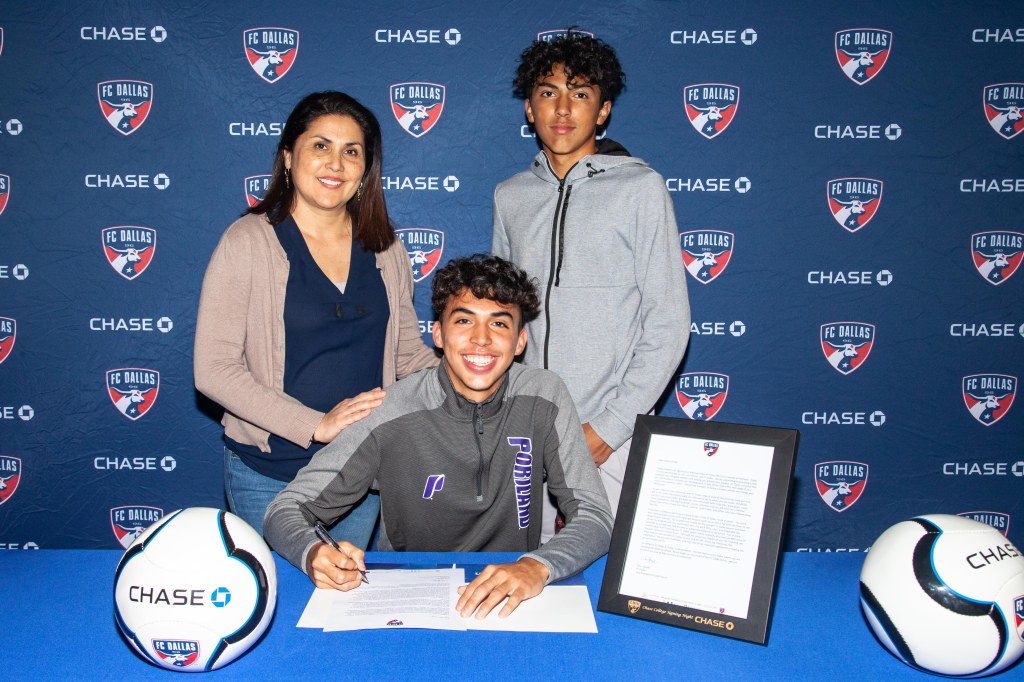
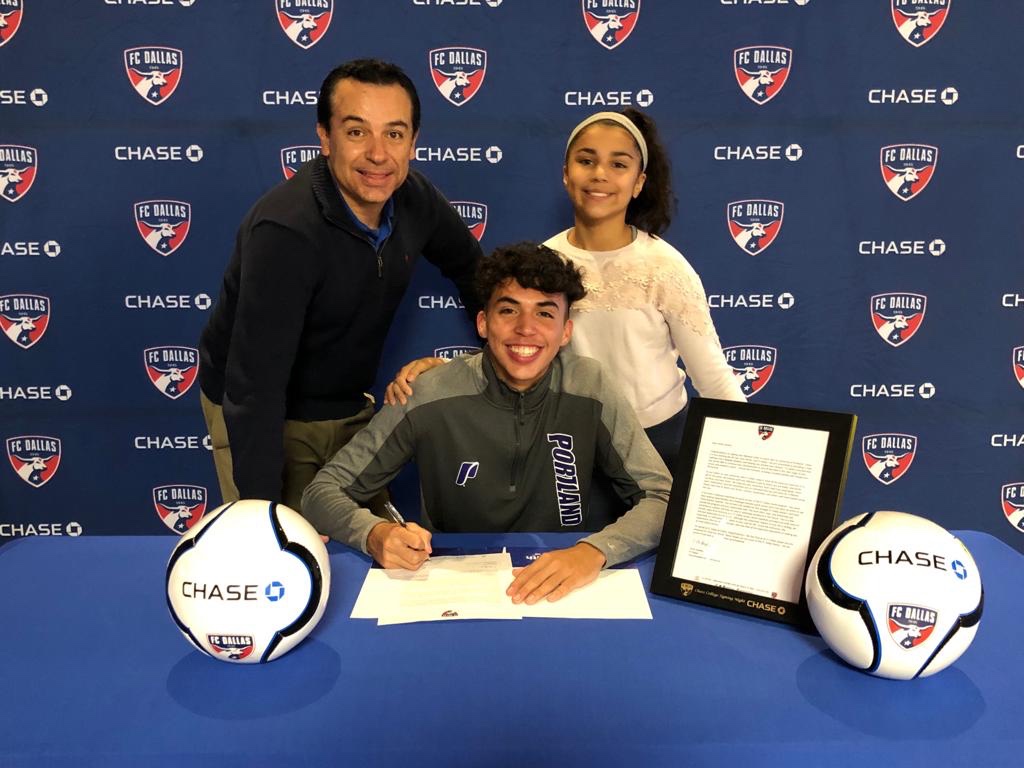
Johan at FCD’s Chase signing party

Compensation (Scholarships):

By NCAA rules, playing in college will not earn players a salary; however, it earns you a free (or significantly tuition reduced) college education which in most cases is much better. If possible, select a school that has a good academic program AND a good soccer program. It’s the best of both worlds. However, remember that most soccer programs can only offer 9.9 scholarships but the good news is that coaches can be very creative in offering financial packages that cover most (if not all) the cost (asking former players to become part of the coaching staff upon graduation). On average, soccer rosters include about 30 players. That said, most kids do not get full rides but if you can secure a full ride, perhaps that offsets some of the factors listed above.

In conclusion, selecting a higher level university only for academic purposes is important. Trying to combine that with a selection of a soccer program is more convoluted. In the end, it’s a very personal decision and one that must be analyzed carefully. Becoming a professional soccer player doesn’t negate anybody the ability to pursue a college education but the cost of it will be out of your own pocket instead of the school’s. Some players, like Johan currently, pursue a college education, albeit at an slower pace, while being a professional player. That’s also another route. Invest in yourself!!!

Aside from the love for the game, the most important aspect of pursuing college soccer may turn out to be the completion of an academic degree with obvious (albeit not guaranteed) long term financial benefits. At some point, it becomes a win-win situation; free higher education and the continuity of the sport the player loves. I will leave you with this thought: In some cases, maybe the family and the player are not totally convinced of the best decision to make. Consider taking a gap year to be more comfortable with the final decision…as always, reach out if you have suggestions or new topics you’d like to see discussed. Until next time #theGomezway

Importance of a continuous education for a young footballer

Most professionals normally start their careers after the pursuit of a college degree; aspiring professional athletes however, must adhere to a different timeline due to their heavy reliance on their physical attributes. Thus, age (and time) is of the essence for them. Ideally, if the situation is adequate and athletes have an option to turn pro as early as mid-teenagers, many choose to do so. Unfortunately, in some of those cases, their academic development assumes a secondary role. Some athletes only get to finish high school, others only get to start college, but most professional footballers don’t even get to set foot on a college campus to play “college soccer” or pursue an academic degree.

One of our founding fathers Ben Franklin once said, there are two things in life that are certain: death and taxes. Although he continues to be mostly correct, there are other absolute truths in life that are equally certain for professionals. For example, any professional will eventually cease practicing their trade and the corresponding remuneration. More specifically, all professional athletes will be forced into retirement much sooner than other college degreed professions and then, what comes next?

Domestically, one of the most financially life-impacting sacrifices a young footballer (and their family) makes could be forfeiting their NCAA eligibility in order to pursue a professional football career. However, contrary to popular belief, that sacrifice doesn’t necessarily mean the footballer needs to give up the pursuit of a college degree altogether. In fact, as footballers, they probably have the most free time to continue their education (be it high school or college) during their playing careers.

High School:

High school (HS) is the most basic level of education an athlete should strive to complete. This education level should be non-negotiable especially with the various flexible online options available. It should not only be completed for the opportunity to one day pursue a college education but ultimately, for personal satisfaction -pride if you will-. If an aspiring professional footballer does not possess the discipline to finish a HS curriculum, what should we expect for the rest of their professional footballer career in terms of objectives and discipline to achieve them? Talent alone won’t be enough.

Most professional clubs’ main focus is to develop professional footballers and (knowingly or not) end up neglecting the players’ academic development. It’s a numbers game; most clubs are not staffed to dedicate time or resources to monitor (and much less assist with) players’ HS academics. Their efforts are almost exclusively focused around finding the next academy player who could either be sold for a hefty fee to finance the academy costs for the next couple of years or who could contribute to the first team. Makes sense. Football is a business and it’s all about winning and money (not in that order for some).

Not only are professional clubs mostly interested in the football development aspect of the player; most players agents are too. Rarely would either talk academics (especially agents) beyond the forced “how’s school going?”. Thus, the academic responsibility falls on the young footballer and their family. As parents, we must not let our footballer neglect their HS education on account of the pursuit of a professional playing career. They are never mutually exclusive and allowing diverging paths, can have long-lasting financial effects for the footballer. Here are some cold facts that could be used to further incentivize young footballers to continue their HS education:

  1. As a profession, a football career span is extremely short. Among all American mainstream sports, it’s the shortest.
  2. Footballers try to prolong their professional playing careers by starting as mid-teenagers but that normally comes at the expense of a free (or cost-reduced) college education.
  3. Footballers, like any other athletes, are only an injury away from football retirement. Having an academic-based contingency plan is good planning.
  4. Very few footballers will ever earn enough money to last post-full-age retirement (from 35-retirement age). The average salary of football players in MLS is the lowest of all American mainstream sports.
  5. Footballers are on short-term contracts. No money is ever guaranteed beyond a few years. As brutally lengthy as some find MLS contracts to be (3+2), 3 years of guaranteed money is good (especially for a teenager); however, that amount of time doesn’t get footballers to full-age retirement even after playing for an average of 7-10 years.
  6. Very few footballers can make a living in the same industry (coaching, commentating, etc.) after their playing careers are over.

It’s of utmost importance to finish a HS education in order to aspire to higher academic choices and be better prepared for the future. Generally speaking, more education translates into good and more stable employment in a given field later in life.

Community College:

Some families believe that turning into a professional footballer means giving up a college degree. That is not necessarily true. While professional footballers cannot return to play “collegiate soccer” at an amateur level by earning an athletic scholarship playing, they are welcome at any college/university provided they foot their own bill or rely on non-football financial aid (academics or financial need). So it’s a money situation. A college education is expensive and a community college may be the most financially viable way to start that pursuit.

Certainly, as a late teenager, a college education can be delayed a few years and yet a football career can’t. Postponing a college education a few years until a footballer has gone through the rigors of the profession may result in better preparation to meet life’s demands. The development of skills such as discipline, time management, analytical skills, team work, accountability, networking, and additional knowledge only gained through the sum of playing years (maturity) can be very valuable. But why wait until the football career is over? In fact, very few footballers finish their playing careers and then pursue a degree from scratch.

Take some college courses while playing and get the core courses out of the way. While that HS knowledge is fresh, leverage it. An additional benefit is that when the footballer finally concludes their playing career, they will have fewer credits to complete a degree and will be that much closer to having post-playing academic-based professional career choices. Alternatively, they will have completed enough credits for either an Associates or technical degree, or to transfer to a full four-year university.

University

Sometimes, a four-year college degree can be pursued during the footballer’s playing days. In the past, players such as Orlando’s Tesho Akindele, Chicago’s Fabian Herbers, and others have either completed what they had started at a brick and mortar university or concluded one from scratch. Currently, players like Mark Mckenzie, Paxton, Johan, etc. are pursuing their college degree during their playing days. It’s very possible but it requires some desire, a lot of motivation and further sacrifices (yes, some PlayStation time).

MLS/USL Players

In the past MLS/USL teams have made it easier for players and staff to pursue a college education by partnering with some higher level institutions. This is a great first step; however, the initiative has to be taken by the player (with a little nudge by the family).

MLS offers (or used to) a partnership with Southern New Hampshire University (SNHU) through which they could pursue a college degree. It was a convenient, and cheaper alternative but ultimately players in MLS should be responsible for seeking their academic alternatives that best suit their needs.

European players

European based players do not have the benefit of an NHSU partnership at a reduced cost; in fact, they usually have a higher wall to climb as they are required to learn a new language: Chris Richards (German), Reggie (Portuguese), Bryan Reynolds (Italian), etc. In Johan’s specific case, the obligatory Portuguese classes have served him as a continuity learning bridge between the end of his HS curriculum and the beginning of his college degree. No learning gap in between.

The longer a footballer (or anybody) goes without the academic rigors of a classroom (virtual or not), the more difficult it will be to return to a learning environment in life ultimately reducing the opportunities post a playing-career. Nurturing a growth mindset from early on on children, can be the difference. Parents…lead by example. It’s never too late.

Growth mindset

Some may argue that a piece of paper is just as good as the connections in life. While we tend to agree with the general concept, it’s important to keep a growth mindset at all times. Networking indeed opens doors; however, talent, and a growth mindset will keep those doors open and in turn open even more. Always be curious, hungry for more and never stop learning. Whether that’s via a formal education or not. Don’t become stale, learn a new skill, a different language (points at self), a new hobby, etc. It may not necessarily be for a lucrative reason but challenge yourself often.

All young footballers dream of becoming professional players at some point in their lives. After all, who wouldn’t want to reap the benefits of years of intense training, full of sacrifices. Realistically, very few will be financially set for life just from their playing career earnings.

Not everyone will be able to meet Karim Benzema’s lifestyle at such a young age

As parents, we must help them transition into that phase of their lives by being educated in certain aspects of the profession. Football professionalism is achievable but nevertheless short. Will the young players be prepared for the career after their playing days are over? Teach them to have a growth mindset and adapt. They will forever be grateful once their playing careers are over. Please continue interacting with us. We love it. #theGomezway
Is a gap year worth it for a high school football player?

2020 has brought a plethora of unfortunate events around the world; most were caused by the pandemic. Sports have been impacted in a global scale: no Olympics, no Wimbledon, no Tour de France, closed doors sporting events, football leagues getting canceled/shortened, etc. From a football viewpoint specifically, the silver lining is that 2020 became an excellent year for young American football players as they have cemented American football credibility in front of an avid football watching world.

Weston Mckennie, Barcelona (0) Juventus (3), Barcelona, Spain (12.08.20)

Young American players continue to become very attractive investments for European clubs. Back in the US, that enhanced credibility has had a ripple effect on domestic clubs, coaches, scouts, agents, and specifically high-school-age football players. Now more than ever, they all see a new opportunity. Young footballers with European playing aspirations, vehemently believe their dream of becoming a professional player is within realistic reach. Similarly, fringe high-school-age young players whose aspirations may be exclusively domestic (USL, MLS) are hesitant to pursue “soccer” in college following their HS senior year.

Gio Reyna, Stuttgart (5) Dortmund (1), Dortmund, Germany (12.12.20)

For some families, the decision to potentially forego a college “soccer” scholarship (either partial or full) and delay a college education to pursue the professional football dream is too risky, costly and not an option. On the other hand, for other families, it’s the most logical (and only) step forward as time is of the essence for young footballers. There is however, a third group who are indecisive and perhaps this post is geared towards them. Is a gap year following high school (HS) worth pursuing in order to persuade/dissuade them one way or the other? Below are some aspects to consider.

Physical/Mental

Some HS-age players may neither be physically/mentally ready for the rigors of college soccer or football professionalism. In college, competing against players up to four years older may not be the easiest transition. The physical/mental gap choosing the professional route may be similar in age but wider in experience and maturity.

Thus, having the player take a gap year to continue his development before embarking on the next endeavor could be very advantageous. After all, what’s wrong with bossing the game around for an additional year while building the player’s confidence? Well, it depends. So long as their game continues to be carefully nurtured, and evolving during the gap year. In the process, other opportunities could also become available.

Increased opportunities

Indecisive families who are not yet convinced about the college path and whose MLS or amateur club has not shown them a satisfactory path to football professionalism may opt to take a gap year to explore additional options that could result in new opportunities. Among those options are:

  1. Join the professional domestic market (USL) with an academy contract to maintain NCAA eligibility
  2. Attend domestic/international trials in different markets/clubs to set realistic expectations and for self-evaluation
  3. Practice and play in a semi-pro league to maintain NCAA eligibility, network, and gauge other football options in parallel
  4. Continue playing at the current club to maximize exposure to professional agents and college scouts/coaches
  5. Switch to a different non-MLS club (domestic or international) or vice versa (if not playing for an MLS club) to increase exposure to professional agents and college scouts/coaches
  6. Join a play football abroad (England, Spain, Germany, Italy) gap year program while earning college credits

2020 saw a dramatic increase of local gap year participants. In hindsight, the trend may have stemmed from a shorter 2019-2020 season which caused players to miss out on important youth tournaments such as Dallas Cup, GA Cup, DA/ECNL Showcases/playoffs, National League, etc. It wasn’t just missing out on participation in those tournaments but also the corresponding experience and exposure to professional agents/scouts/college coaches/etc. In most cases, players did not get a fair opportunity to draw enough interest from colleges or the professional ranks which incentivized them to take a gap year. Below you will find examples of recent local U-17 MNT pool players who are pursuing a variation of the five categories above:

  1. Bailey Sparks and Josh Ramsey left their longtime Solar club to give the USL-C (Sporting Kansas II and San Antonio FC) market a try respectively. Similarly, Kevin Bonilla returned from a short stint at the University of Portland to join USL-1 North Texas SC during his gap year
  2. Seth Wilson who once played for the MLS FCD academy went on a series of international trials. However, COVID may have temporarily cut his trials short during his gap year
  3. At present, Kevin, and Seth, have joined a local semi-pro league (La Roja League) for the winter along with many college players currently home for the break to remain active
  4. Cesar García, scheduled to join SMU soccer in the fall of 2020, is now back at the MLS FCD academy to increase his chances to professionalism or academia during his gap year
  5. Players like Johan Guereca and Riley O’Donnell left the longtime Solar academy powerhouse to search new opportunities at FCD academy in their last year eligibility
  6. Other players joined a gap year program in Valencia Spain last year

There is no solution that fits all. Each player is building their own path and we are all learning from each other. For most families, the ideal scenario could be to secure a college “soccer” scholarship during the senior HS year and prior to taking a gap year. This option allows a fallback plan in case one of the alternatives above (or others) does not materialize. If you are fortunate enough to secure a soccer college scholarship, be honest and transparent with the college staff about professional intentions.

Financial

Once/if a scholarship is secured and if professionalism does not become a viable option during the gap year, attend college with the scholarship and earn a life-lasting academic degree while still playing college soccer.

Sometimes a pathway to football professionalism will open up while playing college soccer: Reggie Cannon, Brandon Servania, Brecc Evans, etc. to name a few. After all, there are plenty of colleges or entire conferences (ex. Big10) which “guarantee” the athletic scholarship for life as long as the footballer leave the college for “a bona fide reason”. Do your research, there could be some caveats for this guarantee to apply. However, if you can make it work, the financial impact on your family could be significant.

Current club situation

Amateur clubs (ex. Solar, Texans) offer limited options to football professionalism. Staying a gap year at an amateur club may only increase opportunities to a wider gamut of college choices and not necessarily to football professional pathways. Taking a gap year to switch to play a full year at the U18/U19 level with an MLS club could be very attractive but risky nonetheless. You can read more about this possibility in a previous post. If a switch is made and the MLS path at the U18/U19 level doesn’t work out, keep in mind that the MLS club also limits the player contractually in terms of other domestic opportunities that could be pursued during the gap year. Some MLS clubs are very restrictive not allowing the player to trial with other clubs (domestic or internationally) even though the MLS club does not have any plans for such player. Amateur clubs will be more open to that possibility as they don’t have a path to professionalism.

On the other hand, if the player has been part of an MLS club and said club has not “shown any signs of a professional plan” by the time the player turns 16, the player is serving a unique purpose in the club: filler player. The family may want to explore other possibilities outside the MLS club immediately. Maybe one reason to stay with a prestigious MLS academy is for the college exposure; however, amateur clubs are not only less strict on pursuing parallel professional alternatives but offer more college showcase possibilities since they are family-funded.

Age

if there’s an aspiration to play in Europe at the U19 level as a stepping stone to a first team debut and the player is turning 18 years of age after the start of their HS senior year, it is not worth taking a gap year. The post September 1st (international transfer window deadline) birthday by itself complicates that possibility and staying an additional gap year further delays the move to a European market.

Foreign nationals (especially unproven young Americans) in Europe without a EU passport will find more scrutiny being recruited for a U23 or “B” team than for a U19 side. Goalkeepers (GKs) can find an easier pathway to a U23 or B team than a field player; however, the path to a regular-minutes first team usually takes longer for GKs. Historically, there have been a few exceptions: Casillas.

Football positions

Player positions matter when it comes to taking a gap year. Offensive players tend to have a faster route to professionalism than defensive players. A GK may very well be better served going to college right after HS and complete a degree in 3.5 years. GKs tend to have longer careers and very few become starters for first teams before the age of 22 (a college degree can be pursued during these years). Going to college immediately after HS will hardly impact their professional football aspirations. In fact, playing college, combined with a local league during their school breaks will keep them active year round. A similar reasoning could be drawn about defenders who tend to have longer careers than offensive players.

Football positions by number

In addition to gaining additional football experience and potential opportunities, with some planning and motivation, families/players can benefit from a gap year to save money, travel, volunteer, or do all of the above. Just be sure to have a plan around the objectives to be achieved during the gap year and adhere to them. In the end, whichever road you take, a gap year is the ideal time to think about short-term and long-term goals. Just make an informed decision, have no regrets, and enjoy the ride.

Lastly, this month we will likely reach the 10,000 visitors mark. We want to take an opportunity to thank you for reading us hoping that you continue to find our posts useful. As a token of appreciation, the first 10 readers to fill out & submit the form below will get a free Nike Men’s dri-fit shirt. Winners will be contacted via email. Thanks for your continued support. #theGomezway

Go back

Your message has been sent

Warning
Warning
T-shirt size. Choose one(required)

Warning
Warning
Warning.