

Cryo and compression are two popular therapies used in sports recovery. Our family uses both; however, given its portability, we have used compression therapy more frequently. We own two sets of Hyperice Normatec leg sleeves in Germany and Spain respectively. At home, we use Cryonation where both therapies are readily available for the family. While both methods have advantages beyond sports recovery, let’s compare and contrast them with respect to football players specifically.

Compression therapy
Compression therapy is a common treatment to help improve blood flow in your lower legs. There are three types of compression therapy: compression stockings, bandages and wraps, and inflatable devices. Below, we will address some of the benefits of inflatable devices (leg sleeves) as those are the ones most commonly used by athletes.
Enhanced Circulation: Leg air compression devices use sequential pressure to promote blood flow and lymphatic drainage. This can help remove metabolic waste products such as lactic acid and reduce inflammation, facilitating faster recovery and reducing muscle soreness.
Reduced Muscle Fatigue: Compression helps reduce muscle vibration during physical activity, leading to decreased muscle fatigue. By stabilizing the muscles and reducing microtrauma, leg air compression can help football players maintain their performance levels for longer periods.
Quicker Recovery: The improved circulation and lymphatic drainage provided by leg air compression can accelerate the recovery process by delivering oxygen and nutrients to the muscles while removing metabolic waste. This can help football players recover from intense training sessions and matches more rapidly.
Injury Prevention: Compression garments provide a supportive effect, helping to stabilize muscles and joints. This can reduce the risk of muscle strains, sprains, and other injuries during football activities. By applying consistent pressure, leg air compression can also help prevent swelling and edema.
Travel Aid: Football players often experience long journeys for matches or tournaments (college soccer players), which can lead to swelling and discomfort in the legs. Leg air compression can improve circulation and alleviate these symptoms, making it a useful tool for travel recovery.
Cryotherapy
Cryotherapy, which involves exposing the body to extremely cold temperatures for a short duration, has gained popularity in various sports, including football. While individual experiences and opinions may vary, here are some potential benefits of cryotherapy for football players:

Enhanced Recovery: Cryotherapy may help accelerate the recovery process by reducing inflammation and muscle soreness. Exposure to cold temperatures can constrict blood vessels, which can help reduce swelling and promote faster healing after intense training sessions or matches.
Pain Relief: Cold therapy can act as a natural painkiller by numbing nerve endings and reducing pain sensitivity. Football players often experience muscle strains, joint soreness, and general fatigue, and cryotherapy may help alleviate these discomforts.

Improved Performance: Cryotherapy may enhance performance by increasing alertness and reducing fatigue. The sudden exposure to extreme cold stimulates the release of endorphins, which can boost mood, energy levels, and mental focus. This may be particularly beneficial before important matches or during periods of intense training.
Decreased Muscle Damage: Intense physical activity like football can cause microtrauma to muscles. Cryotherapy may help limit the extent of muscle damage by reducing metabolic activity and slowing down cell death. This could potentially lead to faster muscle repair and less severe muscle soreness.
Psychological Benefits: Cryotherapy sessions often involve brief exposure to extremely cold temperatures, which can be mentally challenging. Soccer players who incorporate cryotherapy into their routines may develop mental resilience, discipline, and a sense of accomplishment, which can be beneficial for their overall performance.

It’s important to note that while cryotherapy has potential benefits, scientific evidence supporting its effectiveness in football players is limited. Individual responses to cryotherapy may vary, and it’s always recommended to consult with a qualified healthcare professional before implementing any new treatment or therapy.
Cryotherapy vs Compression therapy
Convenience: Leg air compression devices are portable and can be used anytime, anywhere, whereas cryotherapy normally requires access to specialized equipment or facilities. This makes leg air compression more accessible and convenient for football players. However, there are now companies like TIDL which have introduced portable cryo products like the ones pictured below.
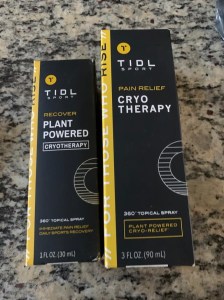
Cost: Leg air compression devices are generally more affordable than cryotherapy sessions, especially considering long-term use. Cryotherapy often involves per-session costs, making it a more expensive option. At the writing of this document, a pair of Hyperice Normatec leg sleeves costs around $700-$900 and a single session of cryo therapy costs around $15-$35 each.
Targeted Recovery: Leg air compression provides localized compression to the legs, targeting specific muscle groups. In contrast, cryotherapy involves whole-body exposure to cold temperatures. Depending on the specific needs of a football player, one method may be more suitable than the other.
Pain Relief: Cryotherapy is known for its analgesic (pain-relieving) effects, which can be beneficial for acute injuries or intense soreness. While leg air compression may alleviate muscle soreness, it may not have the same immediate pain-relieving properties as cryotherapy. Those old-timers who have been watching football for decades will remember the old times when club trainers would come onto the field to assist an injured player, they would apply a form of high-pressure, cold spray to the injured area. Suddenly, the footballer would be back on his feet as the pain was numbed momentarily allowing the footballer to proceed the match.
Personal Preference: Some athletes may have a preference for one method over the other based on personal experiences and comfort. It’s important to consider individual preferences when choosing between leg air compression and cryotherapy.
Ultimately, both leg air compression and cryotherapy have their merits. Leg air compression is particularly advantageous for improving circulation, reducing muscle fatigue, and aiding in recovery, while cryotherapy may be more suitable for pain relief and acute injury management. Football players can choose the method that aligns with their specific needs, preferences, and resources.
We hope you have enjoyed this post. As usual for more information, please reach out. Don’t forget to give us a follow on Instagram, Twitter, YouTube and Facebook. #theGomezway
 #TheGomezway